Contemporary wall paneling runs from $9-per-square-foot acoustic slat tiles you click together in an afternoon to full-thickness marble slabs that need structural review before you fall for the sample.
The deciding factor is whether you are staying put or solving a rental wall.
[link-whisper-related-posts]1. Fluted Wall Panels
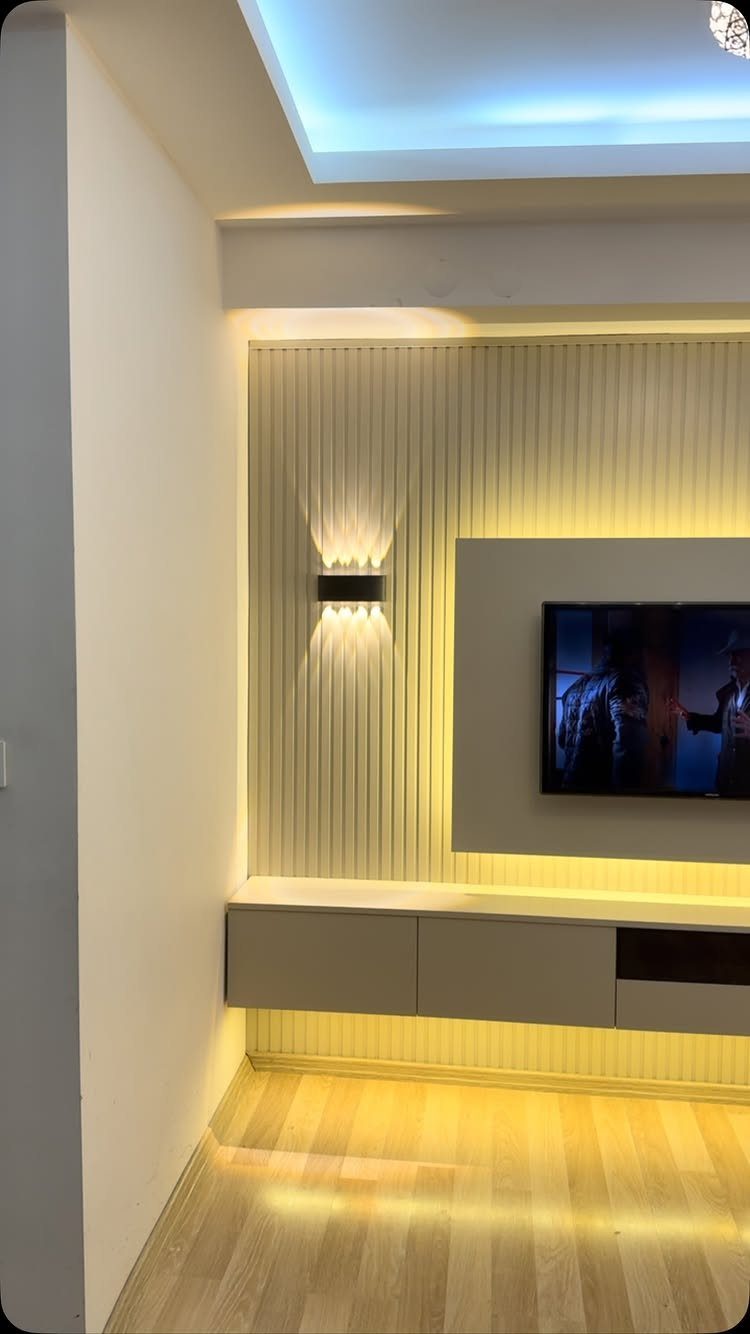
Vertical grooves catch light differently in morning sun than in late afternoon, which is half the reason fluted panels keep a wall interesting all day.
The cream-toned version above a media setup reads as built-in architecture rather than applied decoration, especially with a sconce grazing the ridges.
Solid oak runs higher per panel at minimum order volumes from some suppliers, though MDF with wood veneer drops closer to flexible sheets that bend around corners.
I would spring for the real thing only on the one wall you face most; the veneer holds paint and stain well enough everywhere else.
Installation is brad-nailer friendly: vertical furring strips spaced evenly, panels glued and pinned. The ridges hide seams, so your cuts do not have to be gallery-perfect.

Wall Molding Kit: the MDF board and batten wall panel kit includes 1 set of wall trim strips; The strips are 4cm wide and 9mm thick, consisting of 21 strips of 87cm width, 12 strips of 100cm width, and 6 strips of 75cm width, for a total of 39 strips; The finished size is 118 x 103 inches; You can paint, stain, or further decorate them according to your preferences to achieve your desired style and color

Recyclable Material: Olanglab wood 3D wall panels consist of MDF slats and acoustic felt backing, they are made of recyclable and reusable materials that contribute to promoting sustainability.
2. Fluted Panels
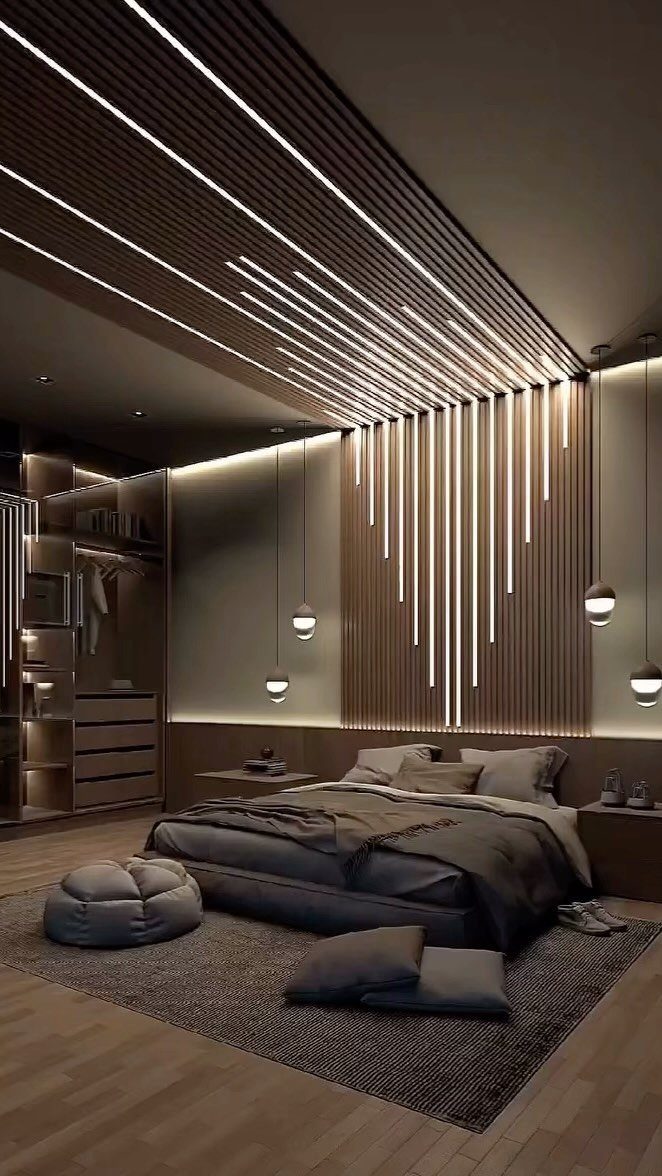
A bedroom headboard wall that climbs onto the ceiling turns a flat plane into a canopy effect, and the vertical channels do double duty if you sleep near a street.
LED strips tucked into the channels before installation give you reading light without bedside lamps cluttering a narrow room. I would wire them to a dimmer, not a switch, since bare diode points can read clinical at full brightness.
In bulk orders, a 10-foot run of headboard wall stays reasonable in material cost. The ceiling extension adds labor, not much cost; you are cutting the same profile twice.

High-Quality Wall Panels: Our acoustic panel set is crafted with high-density polyester fiber, premium medium-density fiberboard, and a solid wood veneer. This combination provides an elegant look, superior sound damping, and excellent sound deadening, significantly improving room acoustics

Immersive Acoustic Noise Reduction - High density polyester fiber effectively absorbs indoor echo and blocks daily noise, creating a calm, peaceful atmosphere in your home.

High-Quality PVC Material - Made from high-grade PVC, Art3d panels combining the benefits of being sturdy and lightweight for easy installation and long-time use. Also they are waterproof and paintable, allowing for customization to match any interior design
3. Geometric Grid Accent Wall
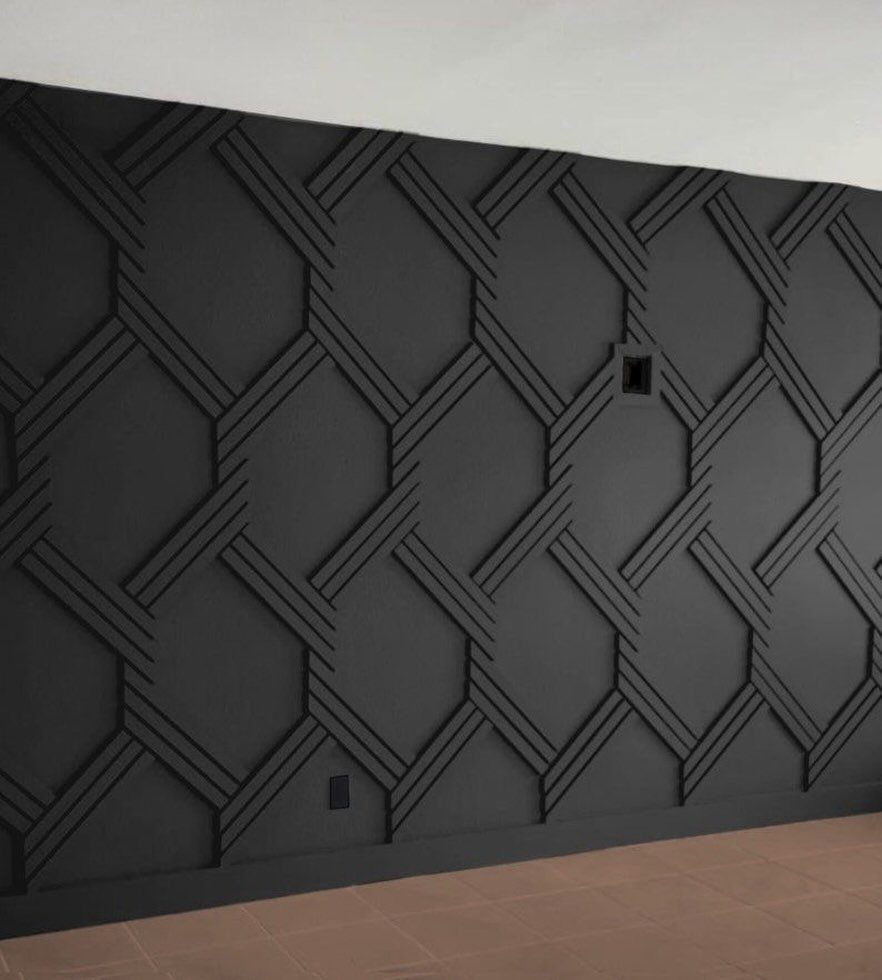
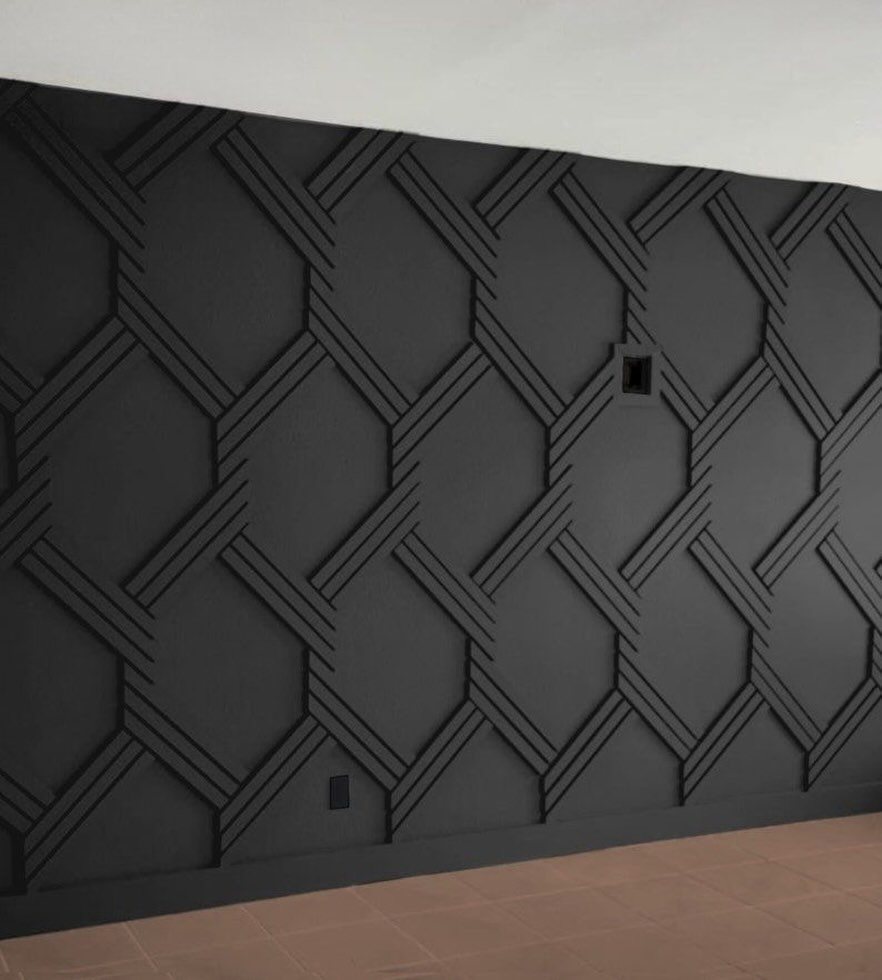
Raised battens forming a lattice over charcoal read as shadow even under direct light, which makes this the rare dark wall that does not fight a small room.
The geometry is forgiving: 1×2 pine or MDF, mitered where strips cross, with the whole grid painted after assembly so your caulk lines disappear.
A denser grid behind the screen and wider spacing at the edges draws the eye outward. Paint the wall matte black before attaching battens, then semi-gloss on the strips, so the grid lifts forward.
Shanghai suppliers list puzzle-style plywood panels in 50-piece lots, though shipping tilts the math. Local lumber and a weekend of cutting wins for most single walls.

【Inspirational Modern Design】 This modern wall sculpture is meticulously hand-cut and polished from high-quality steel or iron, blending smooth metallic texture with uplifting minimalist lines. The inspiring silhouette and refined finish add a daily dose of motivation to any space, making it more than decor — it's a reminder to keep going, stay strong, and dream big.

HIGH QUALITY CONSTRUCTION: Made of iron wire with electroplating technology surface treatment, featuring anti-oxidation and anti-corrosion properties that effectively extend the service life

Display & Storage Grid Panel - A perfect wall grid for displaying kinds of arts, photos, postcards, Christmas cards, notes and messages. Also great as a wall storage organizer by adding a straight display shelf or a hanging wire basket, keeping your home supplies well organized in style.
4. Backlit Floating Panels
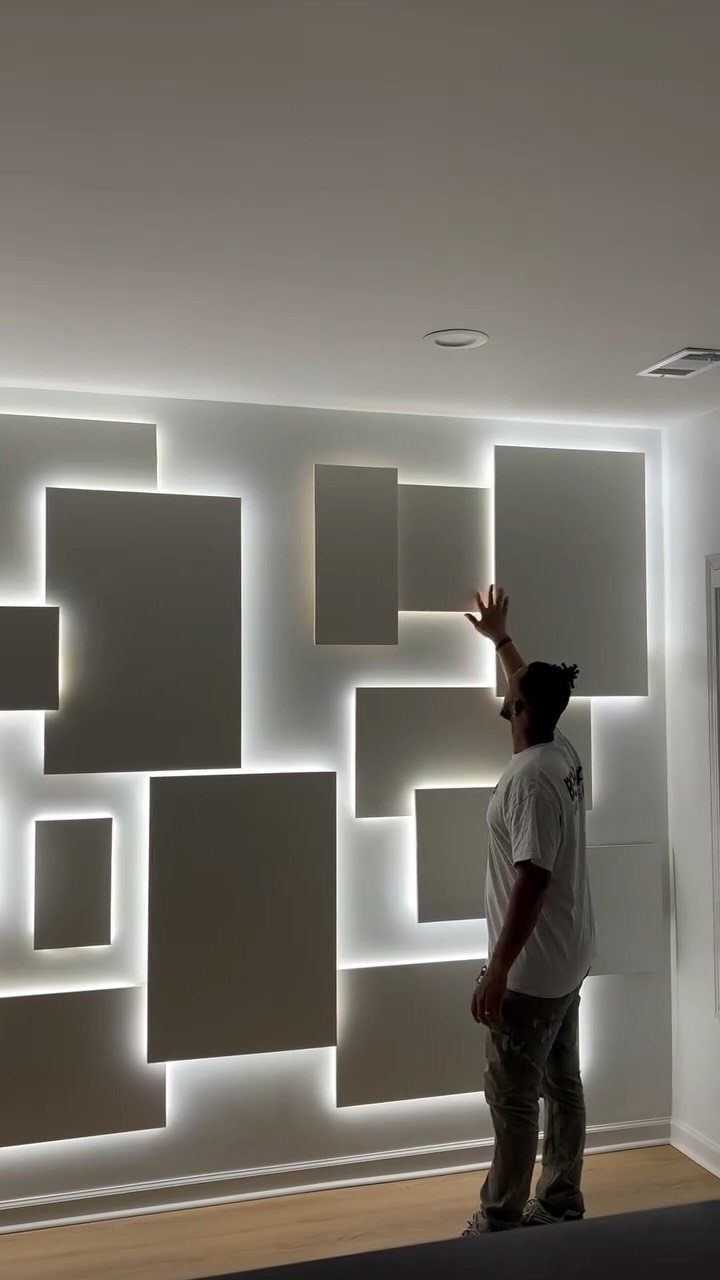
Panels that float an inch off the wall with LED behind them turn the gap itself into the feature. Consistent standoff distance matters: aluminum L-channel, 3/4 inch, painted to match the panels, screwed to studs and panel backs.
Warm white tape, 2700K, keeps the glow residential; anything cooler starts reading corporate lobby. I would run the strips on the wall side, not the panel side, so the light washes up and down rather than punching through any gap.
Some acoustic slat systems ship with integrated channels for this exact setup, though the wood-look versions run closer to $9 per square meter in bulk. For a one-off, MDF rectangles and a routered groove for the channel work fine.

Elegant Fluted Design & Soft LED Glow:Features vertical sculpted grooves and integrated ambient LED lighting that effortlessly complements any bedroom decor. The soft, warm backlight creates an inviting atmosphere while adding a touch of sophistication to your space.

【FULLY CUSTOM LOGO SIGN】 Turn your logo, business name, or unique design into a professional custom acrylic backlit sign made for your space. Personalize the logo, text, font, layout, and finish to create distinctive business signage that strengthens brand recognition and gives customers a memorable first impression.

1. Superior Visibility Backlit LED house numbers keep your home clearly visible both day and night. Made from stainless steel with a black coating, they add a contemporary look to any building facade.
5. Marble Slab Wall Paneling
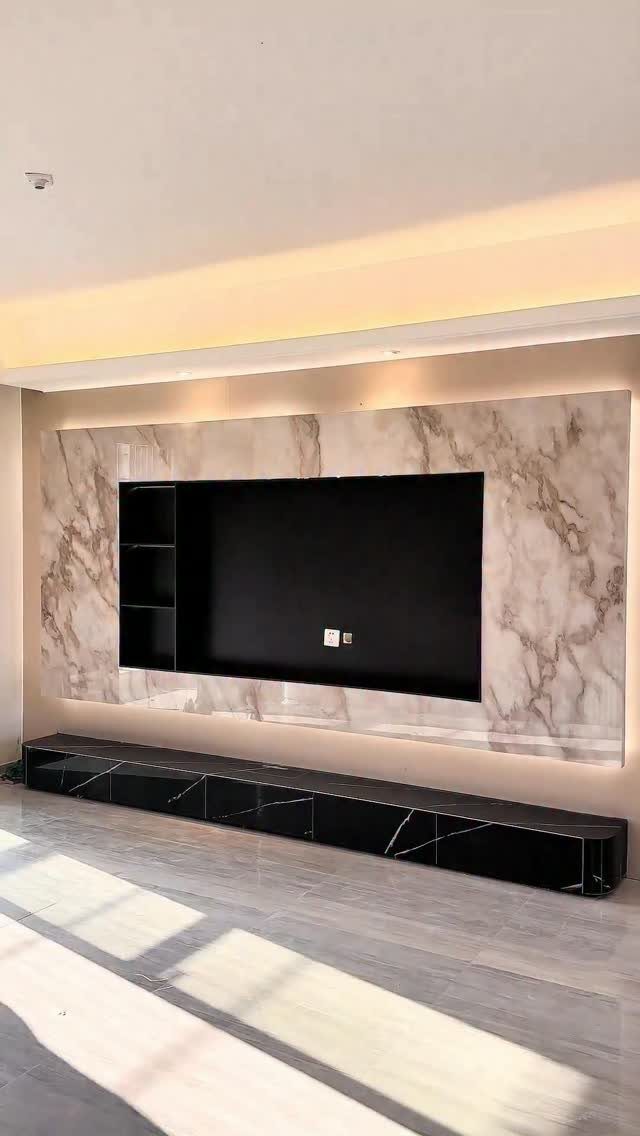
A single slab with veining that continues across the TV cutout and the shelf below it reads as quarried, not assembled, which is why going large-format works.
The bench and the wall share the same stone, so the room holds together without matching anything else.
Real marble at full thickness needs structural support; I would check whether your wall can take the weight before falling for the sample.
Porcelain slabs give the same bookmatched look for a fraction of the load and install with standard tile methods.
Under-panel lighting on the bench is optional but worth it if the wall faces a window; the reflection doubles the apparent depth.

【Superior Sound Dampening】- Art3d wood wall panels are engineered to significantly minimize noise levels in any setting. Crafted from high-density polyester fiber, these panels absorb sound waves, enhancing acoustics and fostering a more serene and comfortable environment

Superior Acoustic Performance: It is designed to provide excellent noise-cancellation capabilities, making it ideal for use in homes, offices, studios, and other spaces where acoustic quality is a priority

【Superior Sound Dampening】Art3d wood wall panels are engineered to significantly minimize noise levels in any setting. Crafted from high-density polyester fiber, these panels absorb sound waves, enhancing acoustics and fostering a more serene and comfortable environment
6. Arched Molding Paneling
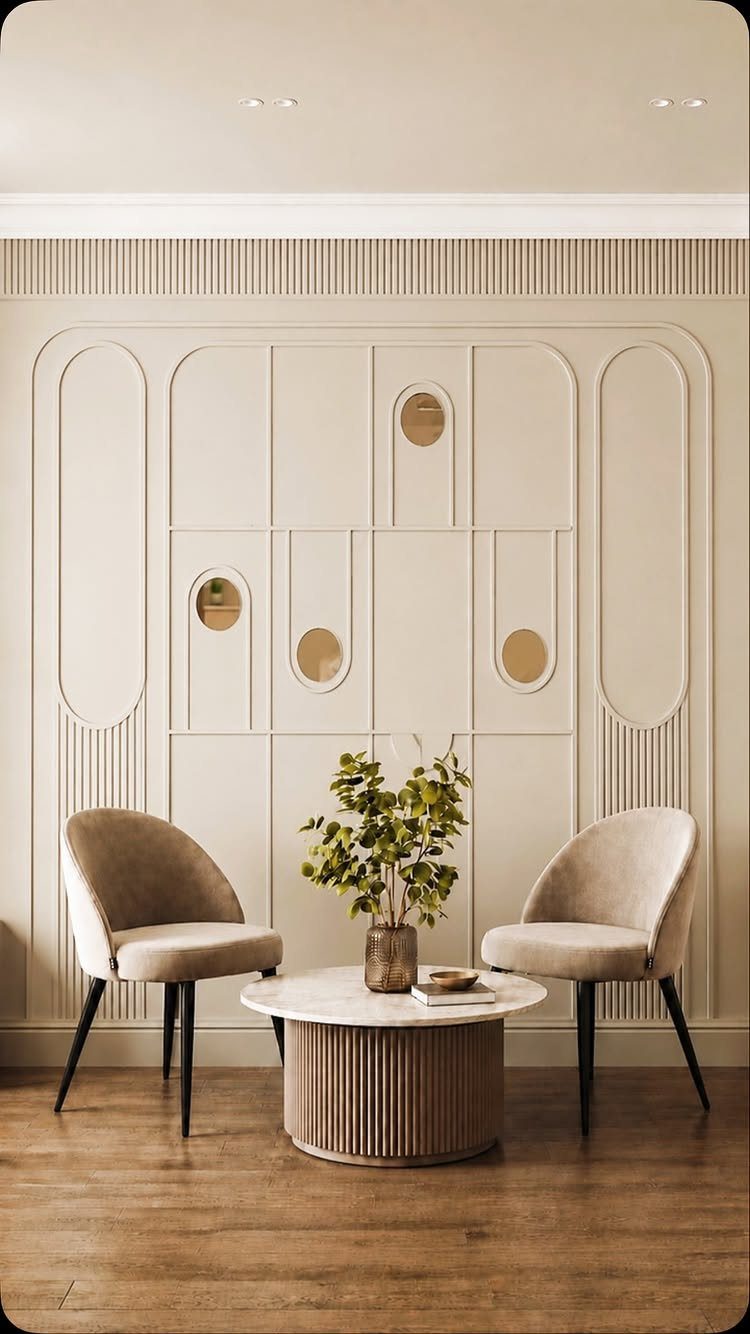
Arched molding softens what geometric molding sharpens, and the two together keep a cream wall from going either too clinical or too cute.
I would draw the arch full-scale on Masonite first, cut it as a template, then trace onto your MDF or poplar stock. Spring for hardwood only for the arch itself; the straight frames take paint-grade fine.
A room this tailored wants quiet upholstery; let the molding be the pattern.

Mdf Material: board and batten wall panel kit is made of MDF, which is durable, waterproof, and easy to clean; The surface is smooth and burr-free, and feels comfortable to the touch

PACKING QUANTITY: Come in box of 12 panels which cover 32 square feet, individual size is 19.7” X 19.7”

【All‑In‑One Wainscoting Set】Kit includes 8 vertical 3D fluted wall panels plus 2 matching top trim mouldings, forming one 60.2"W × 40"H decorative wall section.
7. Textured Panels with Halo Lighting
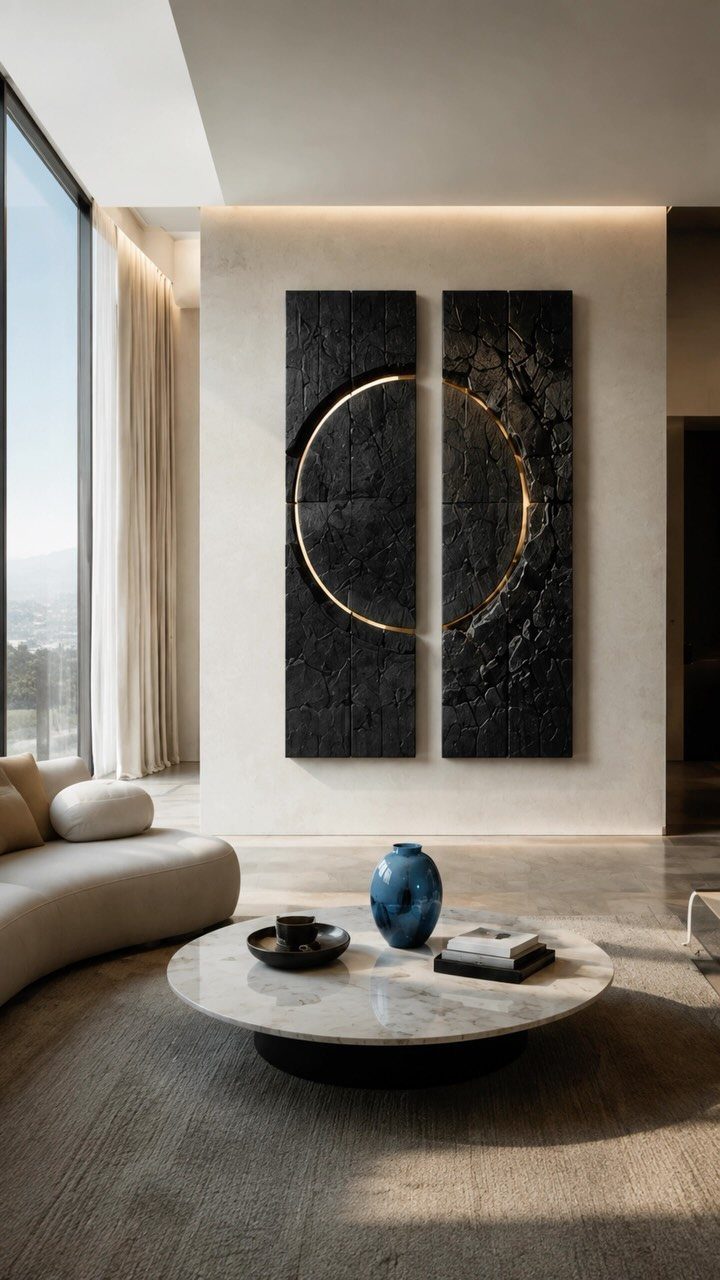
Textured panels with halo lighting work best when you want one wall to carry the whole room. The vertical orientation draws the eye up, and the circular light ring gives you a built-in focal point without extra fixtures.
Black textured panels hide uneven drywall better than smooth ones, which matters in older rentals where the wall behind may not be flat.
The halo itself is usually LED strip on a dimmer; warm gold tones feel lived-in, while cool white reads more gallery.
This setup needs an electrician for the ring’s wiring unless you are comfortable cutting into drywall. Battery-powered LED rings exist, but they dim faster and the battery pack has to sit somewhere.
I’d only attempt this on a wall with no windows or doors to break the panel line. The symmetry is the whole effect.

𝗪𝗵𝗮𝘁 𝗬𝗼𝘂 𝗚𝗲𝘁 - 16 acoustic panels covering 15.5 sq. ft. in total (each: 11.8" × 11.8"). At just 0.4" thick, they deliver powerful sound absorption without the bulk of traditional foam. Target exactly where the echo is worst – behind speakers, around your desk. Achieve both superior sound control and stunning visual impact.

Superior Acoustic Performance: It is designed to provide excellent noise-cancellation capabilities, making it ideal for use in homes, offices, studios, and other spaces where acoustic quality is a priority

Adds Warmth, Texture & Character** – Instantly elevate your space with sleek slatted panels that bring depth and style to living rooms, bedrooms, offices, and feature walls
8. Vertical Wood Slat Accent Wall
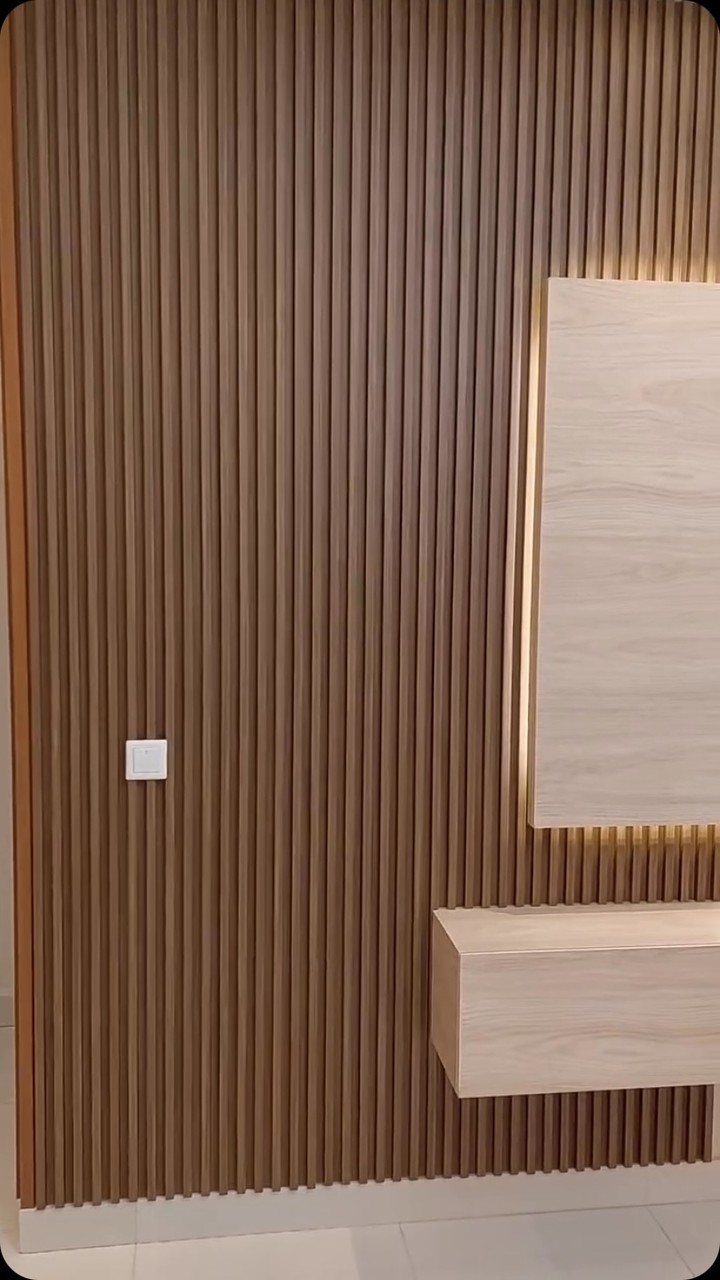
Vertical slats add rhythm to a long wall without the busyness of pattern. Spacing matters more than the wood species: tight gaps read modern, wider ones start to feel rustic.
Warm brown slats with a lighter floating shelf unit mounted directly through them save you from building out the whole surface to one plane.
Soundproofing slat panels run around $9 per square foot at minimum order volumes from hotel suppliers, but home stores now carry similar acoustic felt-backed versions in 2×4 foot tiles. Those click together and skip the construction adhesive.
Backlighting the slats from behind is a separate project. Backlit paneling needs a gap to the wall and a channel for the cord; plan that before you install.
Most people skip it and let the slat shadows do the work.

VERSATILE GRID WALL PANELS: Our sturdy and durable Grid Wall Panels 4-pack of grid accessories makes it easy to display your products. Perfect for craft fairs or pop-up shops, these panels allow for efficient organization.

Multifunctional Screen Organizer: A product with multi-function display, the kitchen storage grid wall makes it easy to organize and store, organize your items well and save money, help you keep your items tidy and tidy.

Ample Storage Space: This display rack comes with 20 hooks to hang bags, headphones, and hats. Two fabric drawers at the bottom, and the shelves above the drawers can hold storage baskets, fulfilling your organizational needs
9. Wavy Sculptural Wall Paneling
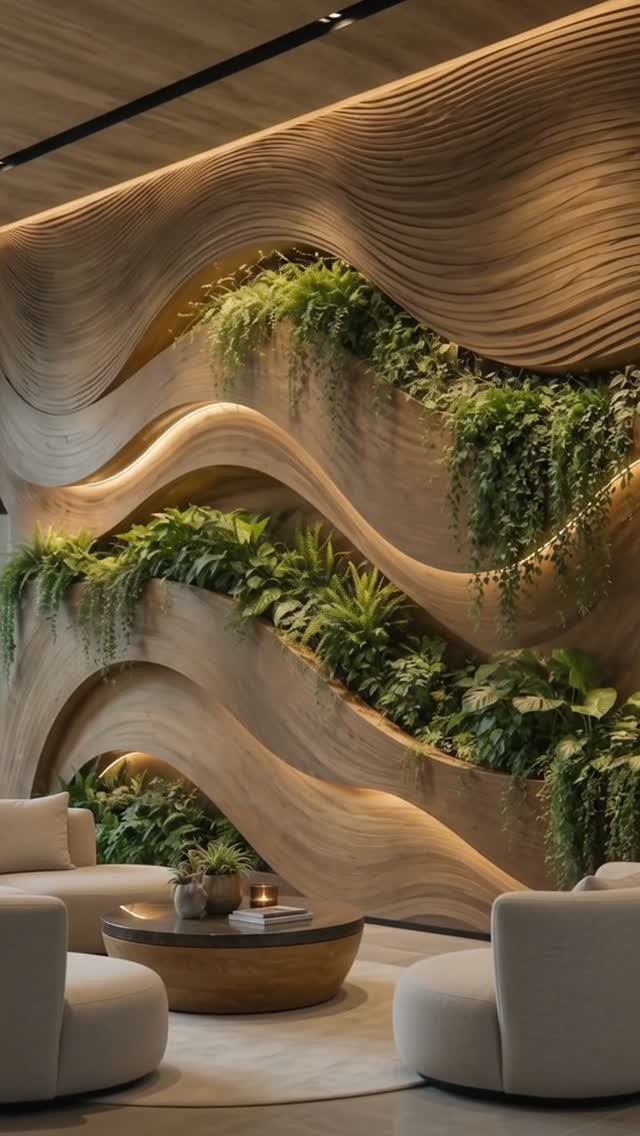
Carved ridges, not bent ones, mean either a CNC router or a patient woodworker with a template and a trim router. The living pockets need waterproofed recesses, drainage, and grow lights if the wall faces away from the window.
For a rental or a first home, I’d fake this with prefab 3D MDF panels and wall-mounted planters set in front, not into, the surface. You keep the silhouette and the greenery without cutting drainage holes through your drywall.
The real version suits someone staying put, with budget for a millworker and a watering system. The maintenance is ongoing: those plants are not decorative, they are alive, and dead leaves in recessed curves are hard to reach.

Textured Sandstone Finish: The surface of this handcrafted sandstone wall art features an artisan-applied texture that mimics layered stone, delivering rich visual depth and a naturally tactile finish

Fully Customizable Acrylic Business LOGO Sign: Create a one-of-a-kind ROUND acrylic logo sign personalized with your business name, logo artwork, acrylic color, and LED neon color. Available in mirror gold, mirror silver, matte black, white, rose gold and more to perfectly match your brand identity and interior style.

Easy-to-Read Address Numbers Day or Night: Make your home easier to find with large illuminated house numbers, available in 4.7", 6.7", and 9" sizes. The soft backlight helps delivery drivers, guests, and visitors spot your address more easily after dark, reducing missed deliveries, wrong turns, and repeated “Which house is yours?” calls.
Current Trends in Wall Paneling
Fluted wall panels still dominate what I see in supplier catalogs, and the shift toward acoustic felt-backed versions is the most useful change for anyone working on a real budget.
Sustainable materials get mentioned in every listing now; whether that means FSC-certified oak or recycled MDF content varies by supplier. The eco-friendly claim is current, though I would check actual content percentages before paying a premium for the label.

Modern and Elegant Design - The wood slat wall panels have been carefully designed to effortlessly transform any space, enhancing the surroundings both visually and acoustically. The wood panels help to create an environment that is not only quiet but beautifully contemporary, soothing and relaxing. Furthermore, our slat wall panels can be installed horizontally or vertically and cut to any shape allowing for creativity and a unique look to fit your aesthetics.

【Roll flat. Roll out. Roll on.】Fits curved columns and flat walls alike. Install on corners, cylinders or smooth surface – no limits.

EXCEPTIONAL ACOUSTIC PERFORMANCE - Our wall wood panels, with a high 1750gsm felt density, significantly outperform standard 1350gsm options in sound absorption and noise reduction, creating a peaceful and acoustically optimized environment.
Maintenance of Wall Panels
Fluted wall panels need little beyond dusting, which is why they work for walls you actually live against rather than just photograph.
The ridges collect slightly more dust than a flat surface, but a vacuum brush or microfiber on an extendable handle handles it in minutes.
The 6-month guarantee I have seen from one supplier is short for a permanent wall treatment; I would want to know what it actually covers before that figure influenced a purchase.
Paint-grade MDF and veneer both scuff if hit hard enough, though the vertical grooves hide touch-ups better than a smooth face would. Keep a small pot of your wall color matched to the panel finish, not the wall behind it.
Installation Tips
For floating panels with backlighting, I would install the aluminum L-channel standoffs first and test the LED strip placement before the panel goes up.
The 3/4 inch channel depth is standard and keeps the glow consistent if your wall is reasonably flat.
Acoustic slat tiles that click together skip adhesive entirely, which matters in a rental where you want the wall back someday.
Frequently Asked Questions
What are the current trends in wall paneling?
Supplier catalogs right now are heavy on fluted vertical grooves and backlit floating panels. The fluted style catches morning and afternoon light differently, so the wall changes through the day without any moving parts.
LED strips tucked into channels or floated behind panels with aluminum L-channel standoffs are the two installs that keep showing up in project photos.
Is panelling outdated in 2026?
Fluted panels, backlit floating systems, and vertical slat walls with acoustic backing are all current builds. Vertical channels and hidden lighting read as this decade; thin horizontal strips with brass trim read as decades earlier.