Exterior wall cladding covers a wide spread, from basic wood you nail up yourself to high-end fabricated metal panels that need professional anchoring, with most weekend-friendly options landing somewhere between vinyl and composite.
The deciding factor is usually how much maintenance you are willing to schedule: vinyl and metal ask for almost none, while wood and stucco demand regular attention and composite sits in the middle.
Even first-timers can handle stucco if they have the patience for multiple coats; the knockdown texture forgives trowel marks that smoother finishes would expose.
[link-whisper-related-posts]1. Vinyl Siding
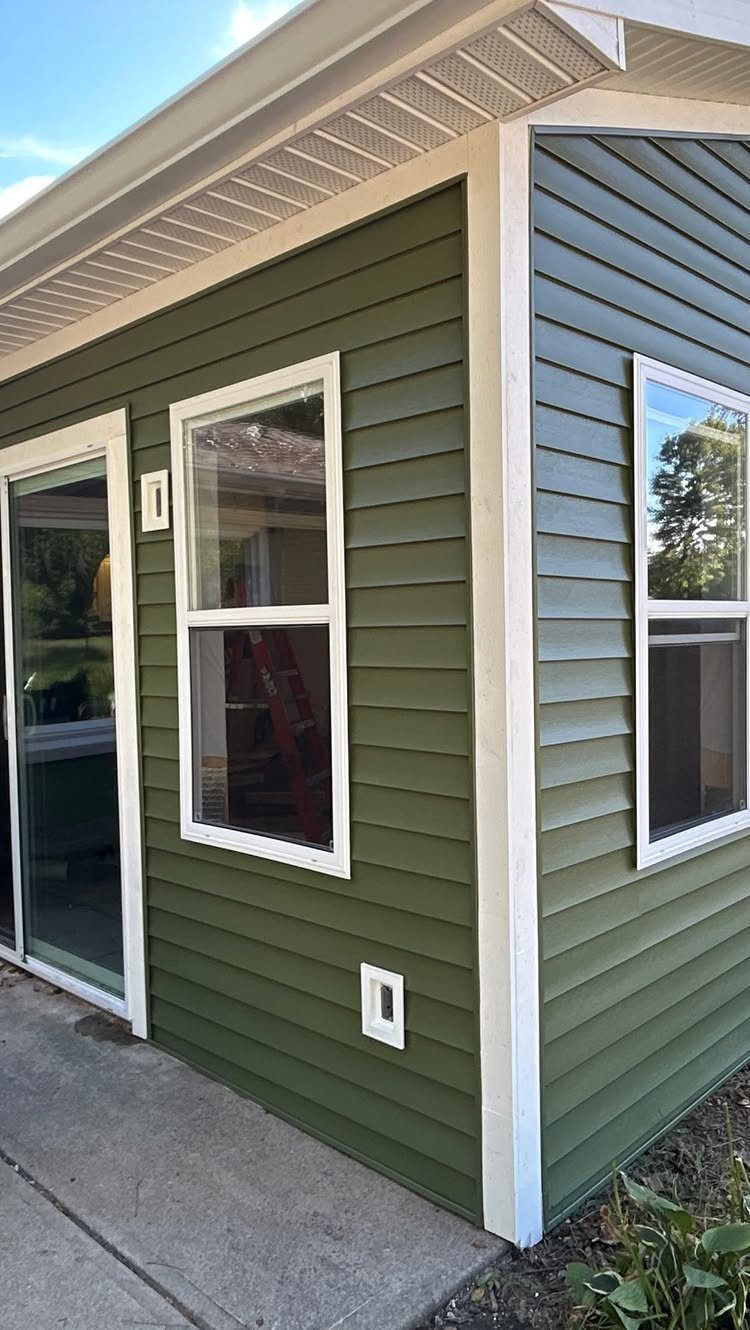
Installation goes fast because the panels lock together and cut with ordinary tools; most handy homeowners can handle a single wall or a shed over a weekend. No painting, no sealing, no insect worries.
The horizontal shadow line gives away the material, which reads "subdivision" to some eyes. For a rental fix or a first home you do not plan to keep forever, I’d take that trade.

SIDING STARTER STRIP – Galvanized steel starter strip supports and aligns the bottom row of Tando composite siding panels for a clean, level first course.
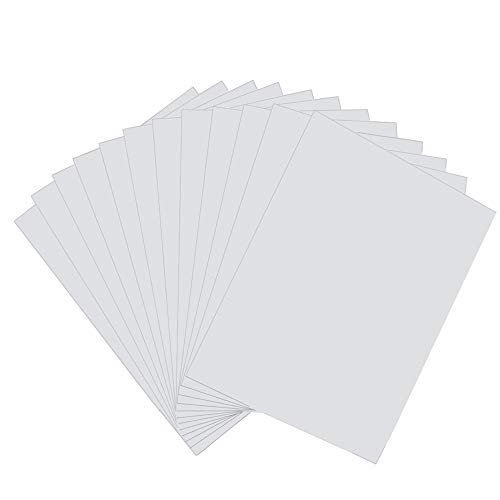
Size : 6.3 Inches x 4.75 inches

Vinyl siding repair kit are made of Thin piece of PVC,White color,size:6.3 x 4.75 inches
2. Composite Siding
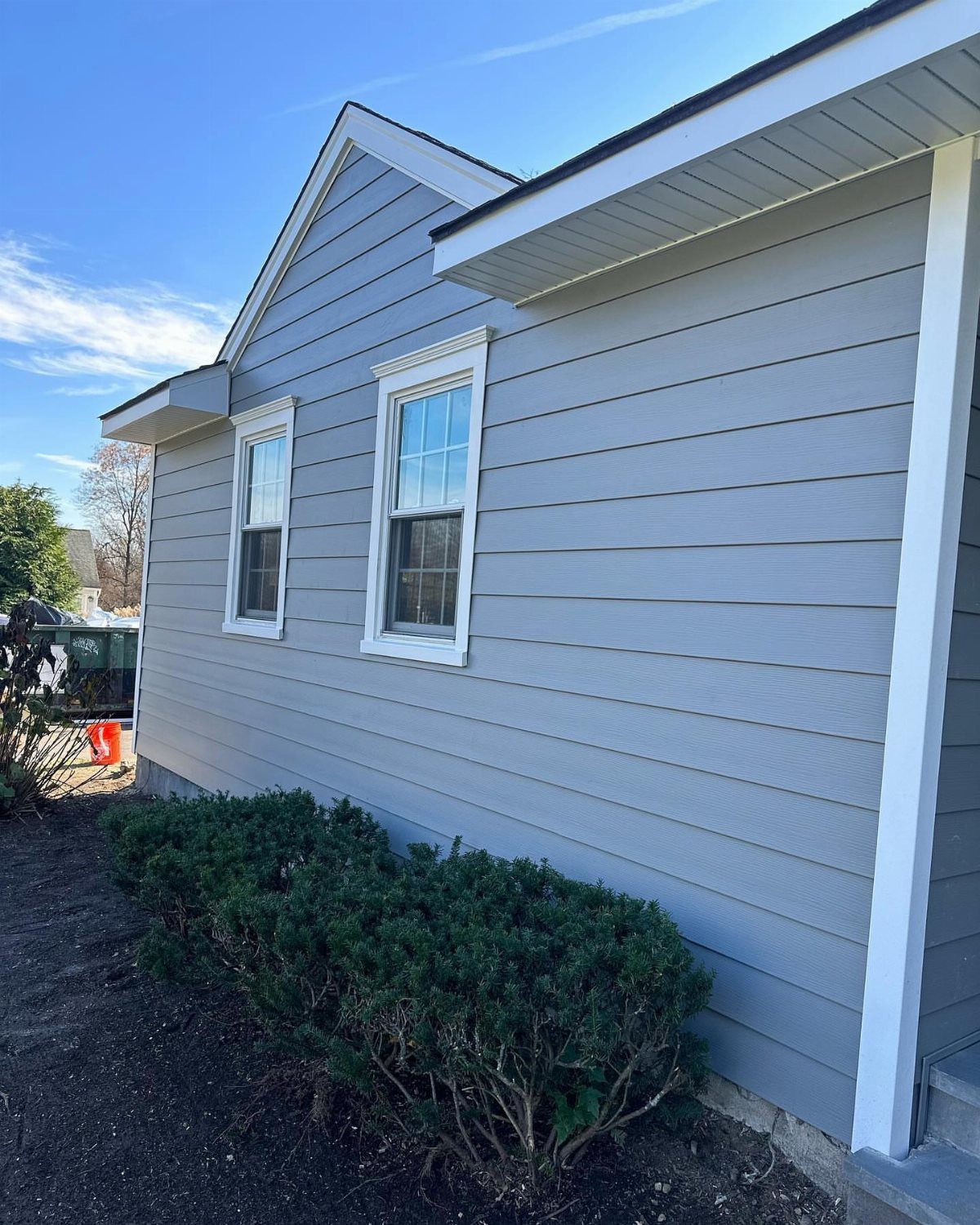
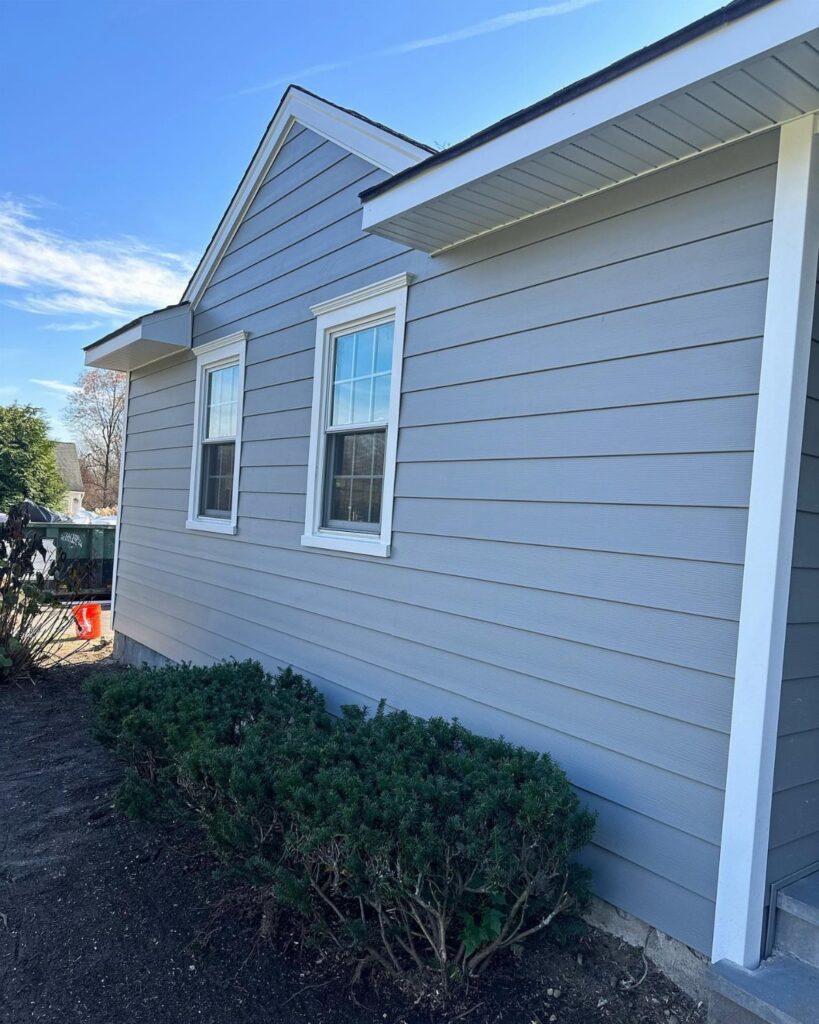
Light blue-gray lap siding like this costs more than vinyl but shrugs off the moisture and insects that ruin real wood.
The cost spread is wide because the category covers everything from wood-plastic blends to fiber-cement; the cheaper end often comes in the cedar or redwood tones that composite makers have gotten good at faking.
You pay more upfront than vinyl and still get the look of painted wood, but without the constant repaint cycle.
For a coastal or humid climate where wood rots fast and you don’t want the plastic sheen of vinyl, this is the middle ground that usually wins.
Check whether your chosen brand carries a fade warranty; not all do, and the sun hits horizontal cladding hard.

Professional Exterior Mounting Solution: Provides a flat, secure surface for installing outdoor lamps, fixtures, and receptacles on vertical siding.

Siding Type: 1/2" lap double

White Siding Mounting Kit: Siding mounting block can be used for T-111, HardiePlank Lap Siding, and other flat surfaces. Only fit for 4 inch to 10 inch height of the vinyl siding with 1/2 inch width lap siding surface
3. Wood Cladding
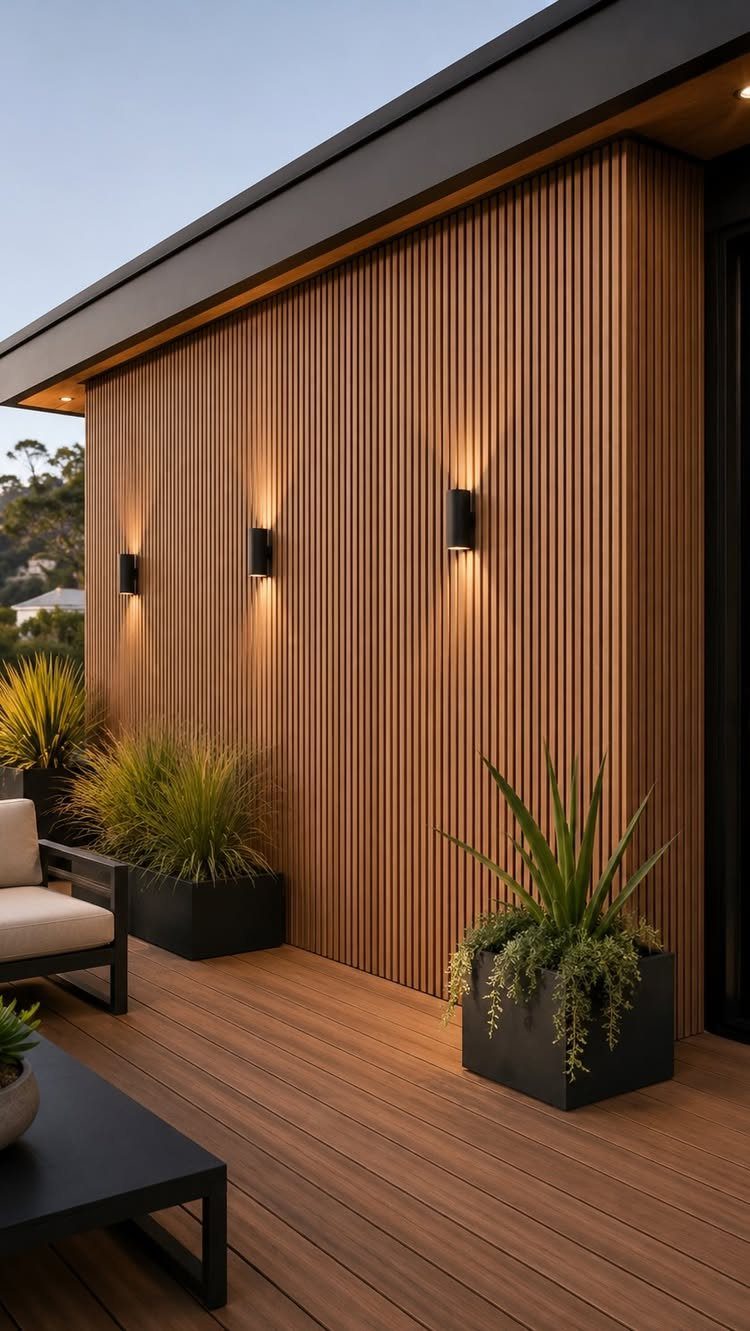
Vertical cedar slats with wall sconces between them give a patio wall the warmth that manufactured materials still struggle to match.
Natural wood starts around a dollar per square foot, with cedar and redwood at the top of that range, pine and Douglas fir at the bottom.
The maintenance is real: stain or seal on a regular schedule, check for rot at the base where splash-back hits, and keep plant soil off the boards.
Faux-wood panels exist if you want the look without the work, but up close they don’t fool anyone.
I’d use real wood on a wall I touch or sit beside, like this patio setup, and save the composites for walls you only see from across the yard.
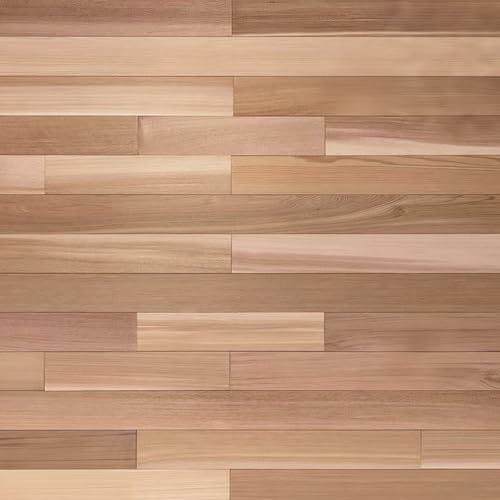
Package Includes: One box includes Canadian red cedar boards of various lengths, ranging from 12 inches to 55 inches, covering a total of 21 square feet

MADE FOR OUTDOORS: Resists snow, sun, rain and humidity with advanced formulation developed for performance in the most extreme outdoor conditions.

Reclaimed Wood Panels: Reclaimed wood paneling for walls is designed to create accent walls, feature walls, and interior spaces; these wall board panels feature a barnwood look with rustic color variations, reflecting the unique story of each piece
4. Stone Cladding
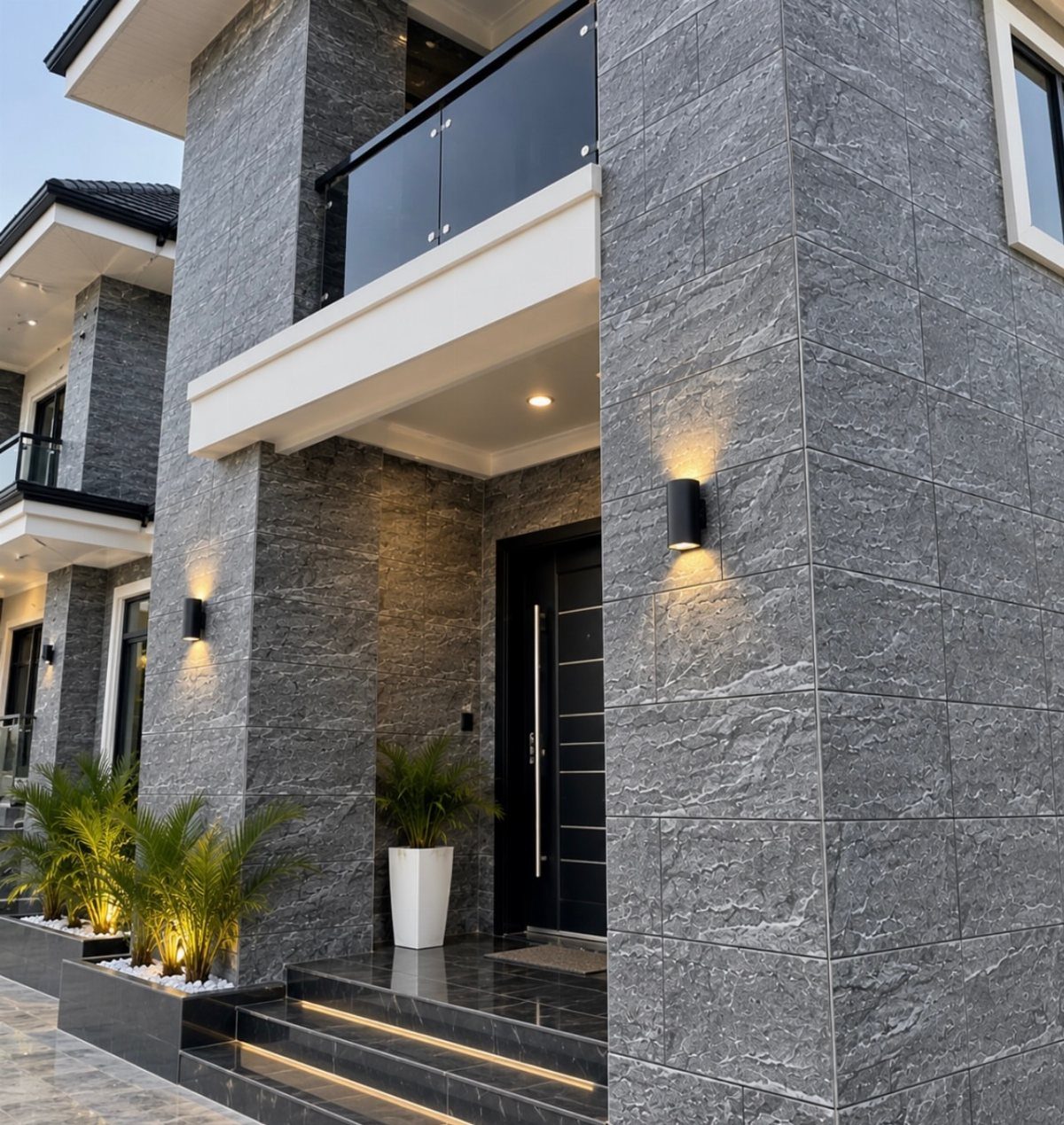
Dark grey stone cladding on a modern entry reads expensive because it usually is. Real stone is heavy, needs structural support, and requires skilled masons; the bill climbs fast.
Stone-effect panels give the same visual weight without the freight, and for a single accent wall or an entry surround like this one, they often make more sense than full stone.
Local stone carries a far smaller environmental hit than stone shipped across an ocean, so the footprint varies hugely by where you buy.
For a budget build, I’d use stone veneer on the base only and pair it with something lighter above, the way this photo does with the dark cladding upstairs.

Wall textured spray features DAP Aim Tech adjustable nozzle that easily rotates upwards to spray at almost any angle for maximum coverage and pro results in creating wall texture and ceiling texture on drywall, stucco and plaster

What You Receive: you will receive 8 pieces of knockdown texture tools in white color, each size is about 8 x 8 inches/ 20 x 20 cm, and the appropriate size is convenient for use and storage, enough to meet your daily use needs
5. Vertical Metal Cladding
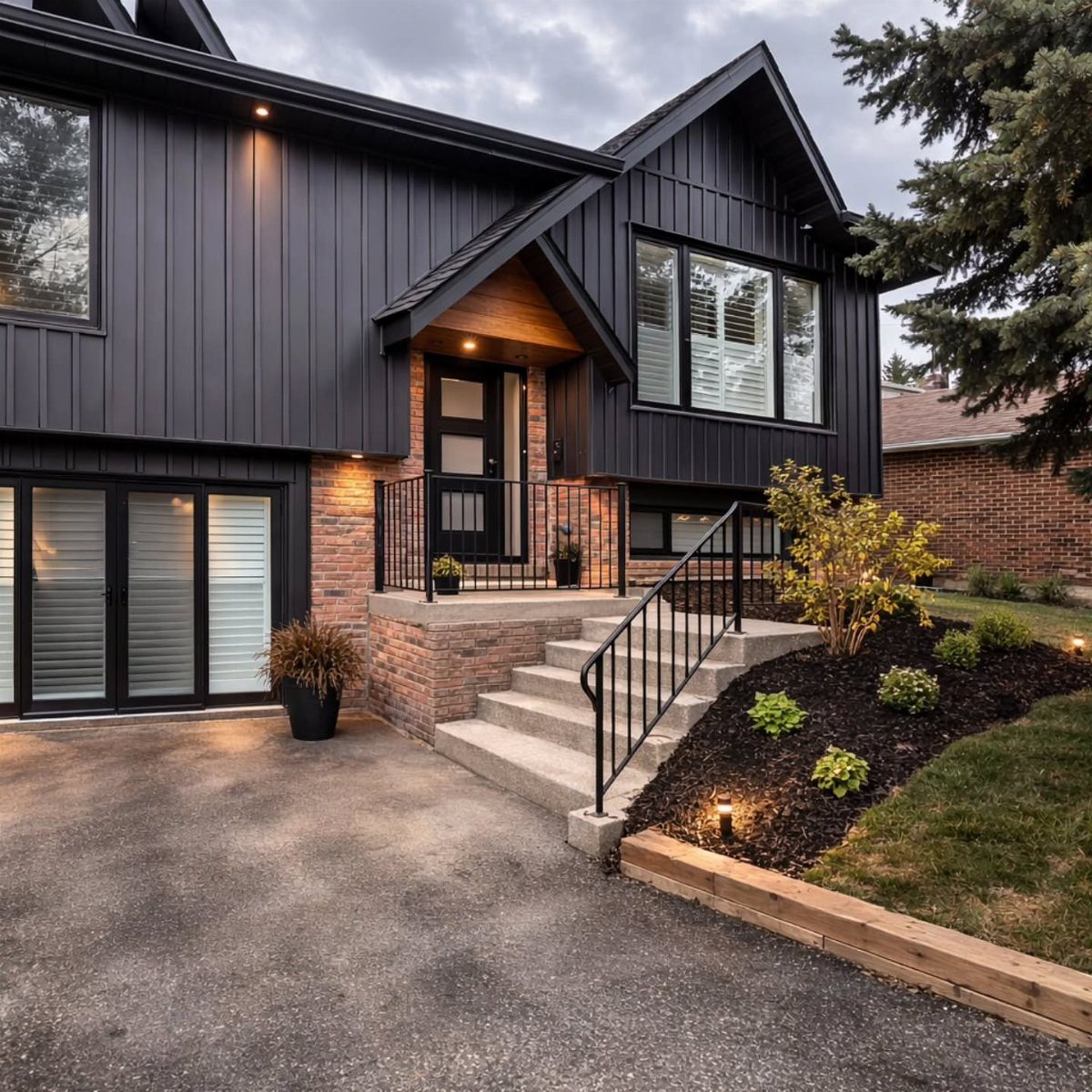
Dark charcoal vertical ribbed panels on the upper story, paired with red brick below, give this house the crisp line that horizontal siding never achieves.
Metal siding material starts around $2 per square foot; aluminum starts cheapest, steel costs more, and insulated panels add from there.
The vertical orientation draws the eye up and works well on two-story walls where you want height, not width.
Installation requires metal shears or a nibbler and some care with thermal expansion; the panels click and pop if fastened too tight.
I’d use this on a modern build or a bold remodel where the neighborhood can handle something that reads industrial. Paint it yourself when the finish finally fades, or let it weather to a dull patina.

FAUX STONE SIDING PANELS in Glacier Bay (Gray) – Low-height, random-length stacked stone look with strong linear patterns and minimal grout lines for a clean, contemporary exterior wall cladding.

TRUE-TO-NATURE 3D REALISM: Crafted from premium high-density polyurethane (PU), our faux stone wall panels perfectly replicate the rugged texture, deep crevices, and color variations of natural stone. Unlike cheap foam or flat wallpapers, these 1.18-inch thick 3D artificial rock veneers fool the eye and touch, instantly upgrading your space with a high-end, realistic masonry aesthetic.

【Real Texture】Our faux stone wall panel are made from high-quality polyurethane (PU) material that mimics the look and texture of natural stone. Available in a variety of styles and colors, including stacked stone, castle stone, and limestone, this helps give your home a beautiful, warm, inviting, realistic look.
6. Board and Batten Siding
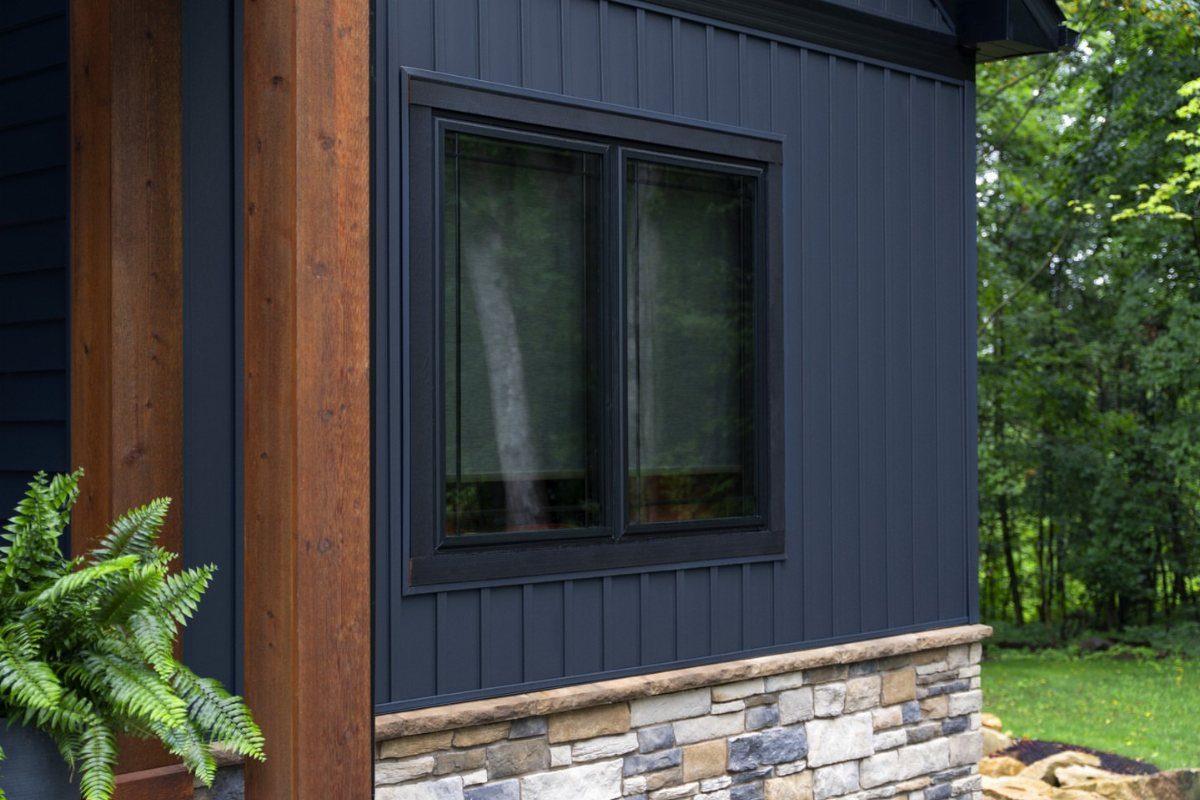
Deep navy blue vertical boards with thin battens covering the seams give a wall the rhythm of old barns without the sag and rot.
The style pairs naturally with stone bases and timber posts, the way this photo sets them together.
The vertical lines suit tall, narrow walls and gable ends especially well. Installation is straightforward: wide boards first, narrow battens over the gaps, everything painted before it goes up or you’ll chase drips for days.
For a farmhouse renovation or a new build that wants to read rooted rather than trendy, this is the siding I’d pick first.

Self-adhesive lower surface
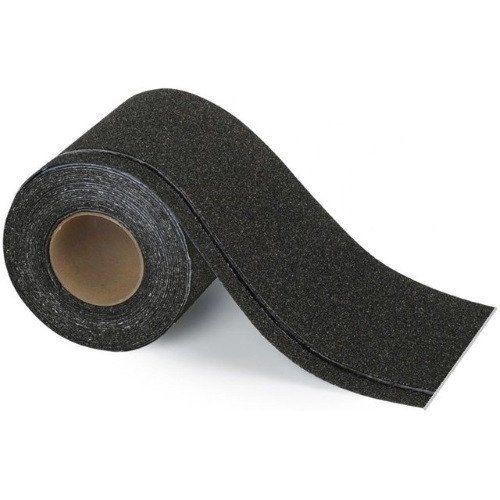
1 case of 8 Packs, 8 Count Total

Self-Adhesive lower surface, paint ready upper surface
7. Decorative Metal Facade Screens
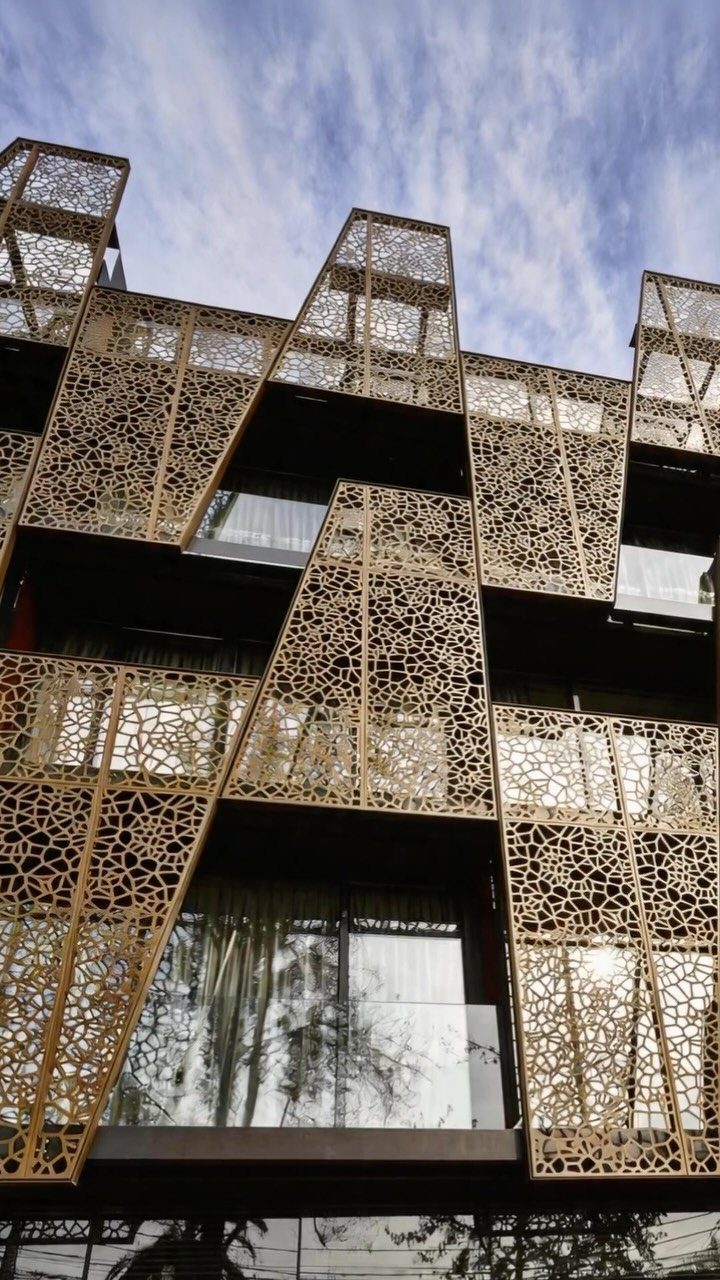
Laser-cut metal screens turn an ordinary wall into something that reads designed without demanding a designer’s budget.
Bronze-toned geometric patterns work on residential facades if you scale the motif down and stick to a single repeating shape rather than layering several.
The panels mount to standard substructure rails, so installation stays within a competent DIYer’s weekend if the wall is flat and the pattern is ordered pre-sized.
Custom options exist through architectural metal shops, but stock balcony-screen panels in 4×8 or 4×10 sheets cost less and often ship faster.
A maker of these systems notes that aluminum veneer finishes hold up against coastal salt and urban grime better than raw steel. I’d pick that route for any facade near salt water or winter road salt.
Metal shows dust and water spots more readily than wood or vinyl, so budget an annual wash with mild detergent.
Skip this idea if your wall faces north under heavy tree cover; the damp-dark combo stains even coated metals over time.

Waterproof Interior & Exterior Wall Panels: Upgrade any space with 100% waterproof WPC slat wall panels designed for both indoor and outdoor use. Ideal for exterior wall panels, facade cladding, accent walls, and commercial applications.

Waterproof Interior & Exterior Wall Panels: Upgrade any space with 100% waterproof WPC slat wall panels designed for both indoor and outdoor use. Ideal for exterior wall panels, facade cladding, accent walls, and commercial applications.

Waterproof Interior & Exterior Wall Panels: Upgrade any space with 100% waterproof WPC slat wall panels designed for both indoor and outdoor use. Ideal for exterior wall panels, facade cladding, accent walls, and commercial applications.
8. Stucco Wall Finish
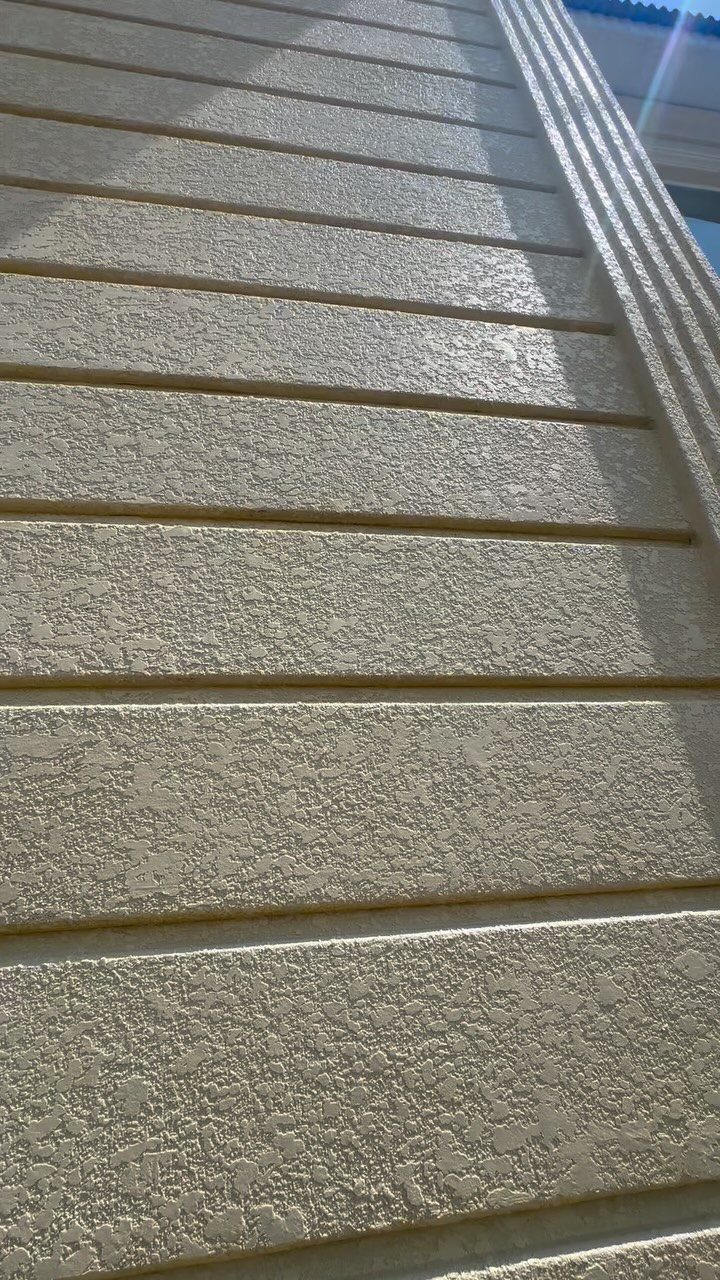
Stucco rewards patience more than skill, which makes it a fit for homeowners who have more Saturdays than cash. Knockdown texture hides trowel marks that would telegraph through smoother finishes, so first-timers get room to learn.
Base-coat mix runs cheap per bag and covers a modest patch at standard thickness. Finish coat stucco lands at a higher price per bag for more coverage than the base coat.
Manufacturer labels vary, so check the bag math against your wall square footage before loading the truck.
Multiple coats are standard: scratch coat, brown coat, then finish. Each needs partial cure time, so figure 3 weekends minimum for anything larger than a garden shed.
Deep horizontal reveals demand foam stripping set between coats and pulled before the finish sets; the shadow line is the detail that makes the result.
Stucco cracks. Hairline cracks early on are normal, especially across door and window corners.
Plan to patch and repaint at year 3 or 4. The surface suits dry climates best; in the Pacific Northwest or Gulf South, budget for more frequent maintenance or choose another cladding.
Reclaimed Wood Panels: Reclaimed wood paneling for walls is designed to create accent walls, feature walls, and interior spaces; these wall board panels feature a barnwood look with rustic color variations, reflecting the unique story of each piece

Reclaimed Wood Panels: Reclaimed wood paneling for walls is designed to create accent walls, feature walls, and interior spaces; these wall board panels feature a barnwood look with rustic color variations, reflecting the unique story of each piece

🌲 WESTERN RED CEDAR WOOD SHINGLES – Crafted from premium Western Red Cedar known for its natural beauty, dimensional stability, and long-lasting durability. These decorative cedar shingles add timeless architectural character and curb appeal to residential and commercial projects.
9. Geometric Facade Panels

Three-dimensional panels catch morning and afternoon light differently across the same wall, so the facade shifts appearance through the day without any moving parts.
The golden diamond pattern reads expensive because the fabrication is: CNC-routed or press-formed metal at this scale starts high per square foot installed, and complex anchoring to curtain-wall or grid systems adds labor.
For a residential garage or entry wall, flat-cut geometric panels in painted aluminum give most of the effect at a lower cost.
Keep the repeat tight and the color consistent; a single metallic tone reads intentional, while mixed finishes look like samples got loose.
A fabricator of these systems describes aluminum veneer facades as "absolutely stunning," and the material choice matters more than the pattern. Raw steel will rust interestingly in some contexts, but for most homeowners, powder-coated aluminum buys 15 to 20 years without touch-up.
This idea demands a flat, square substrate. Bowed framing or out-of-plumb sheathing telegraph through rigid panels and break the geometric rhythm.
Fix the wall first, or choose a forgiving material like wood cladding instead.

Texture Repair for Multiple Styles: texture sponges help blend small wall and ceiling patches with surrounding surfaces; Suitable for matching knockdown and orange peel textures, they support DIY drywall repair, touch-ups, and finishing work when the original pattern is damaged, patched, or removed

*Made from Durable silicone, this Texture-Peel patch can be used again and again. *The Key to Texture-Peel is leaving the patch in place until the patching compound has completely dried and before removing the silicone texture patch.

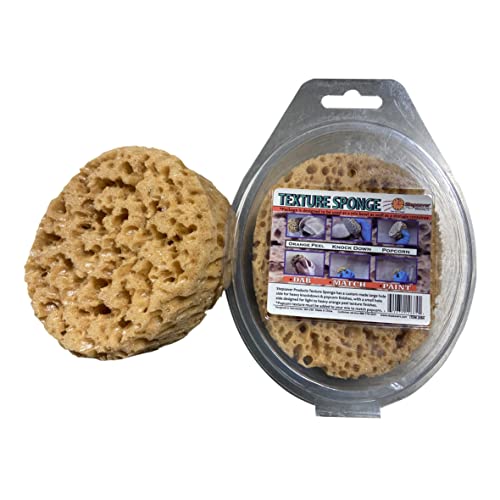
5" Wide x 2.5" Thick. Knockdown texture repair is made easy with these large sponges made specifically with drywall repair in mind. Great addition to your drywall repair kit or your wall patch repair kit
Importance of Cladding
Cladding is the outer skin that takes the hit so your wall doesn’t have to. Rain, wind, UV, and the grit that airborne pollution deposits all stop at this surface instead of wearing through paint and into sheathing.
The right material also adds insulation value and cuts noise transfer, which matters on busy streets or where HVAC units sit close to the house.
A good cladding choice pays back in lower maintenance over the years. Vinyl and composite need little beyond occasional washing; wood demands regular attention but gives warmth manufactured materials still struggle to match.
The upfront cost gap between cheap and proper often closes by year 10 when repaint and repair bills stack up on the less durable option.


FAUX STONE SIDING PANELS in Sedona Bluff (warm reddish-tan) – Low-height, random-length stacked stone look with strong linear patterns and minimal grout lines for a clean, contemporary exterior wall cladding.

FAST DIY INSTALLATION: Our lightweight polyurethane panels are designed for quick and easy installation, saving you time and professional labor costs. Unlike heavy real stone, these panels are easy to handle and can be installed by a single person using basic tools—perfect for a weekend DIY project.
Choosing Materials
Durability, maintenance demands, how easily it installs, and whether the material can deliver the look you want: those four factors sort most homeowners to the right choice.
I weigh installation timeline heavily on a rental or a first home where I’m doing the work myself.
Design flexibility runs wider than it used to. Compact laminates and high-pressure laminate (HPL) systems now come in solid colors, wood grains, and textures that weren’t available at residential prices a decade ago.
Wood still holds an edge for walls you touch or sit beside; up close, manufactured grain patterns don’t fool the hand or the eye.
Installation Considerations
Vinyl, pre-sized metal screens, and flat-cut geometric panels in standard sheet sizes stay within a competent DIYer’s range if the wall is flat and the substrate is square.
Fasten panels too tight and they click and pop as temperatures shift.
A few decorative panels now ship with hidden cleat brackets that let one person hang them straight with just a drill and a 4-foot level, no scaffolding or wet saw needed.
Lifespan of Cladding
Lifespan runs from 20 years on the low end to 50 years or more for well-maintained quality materials, though the spread within that range is wide.
Vinyl in a harsh sun climate may fade or grow brittle toward the shorter end; fiber-cement and properly installed metal can outlast the 50-year mark with periodic attention.
Maintenance practices and local environment matter as much as the material itself. Wood in those regions needs more frequent resealing and earlier replacement if water gets behind the finish.
Frequently Asked Questions
What is the best exterior cladding option?
The best option depends on what you need from the wall. Vinyl goes up fast and cheap, composite holds up where humidity eats wood alive, and real wood still feels right on walls your hand brushes against.
I’d pick board and batten first for a farmhouse renovation because the vertical lines read rooted rather than trendy, but vertical metal makes more sense on a modern two-story build where you want height.
What is cladding vs siding?
Cladding is the broader term for any material that covers an exterior wall for protection or looks; siding is one type of cladding, specifically the overlapping or interlocking panels most US houses wear.
Vinyl siding, board and batten, and composite lap siding all fall under both terms, while stone veneer or stucco finish are cladding but not usually called siding.
How to install wooden cladding for exterior walls?
Start with vertical boards on a flat, square substrate, then cover the seams with narrow battens; paint everything before it goes up or you’ll chase drips for days.
Soil against the bottom boards traps moisture; I check the base every spring where rain splashes back from the ground.
Horizontal planks need the same rhythm of sealing or staining, and damp places like coastal Oregon or Louisiana will shrink that interval down to every couple of years.