
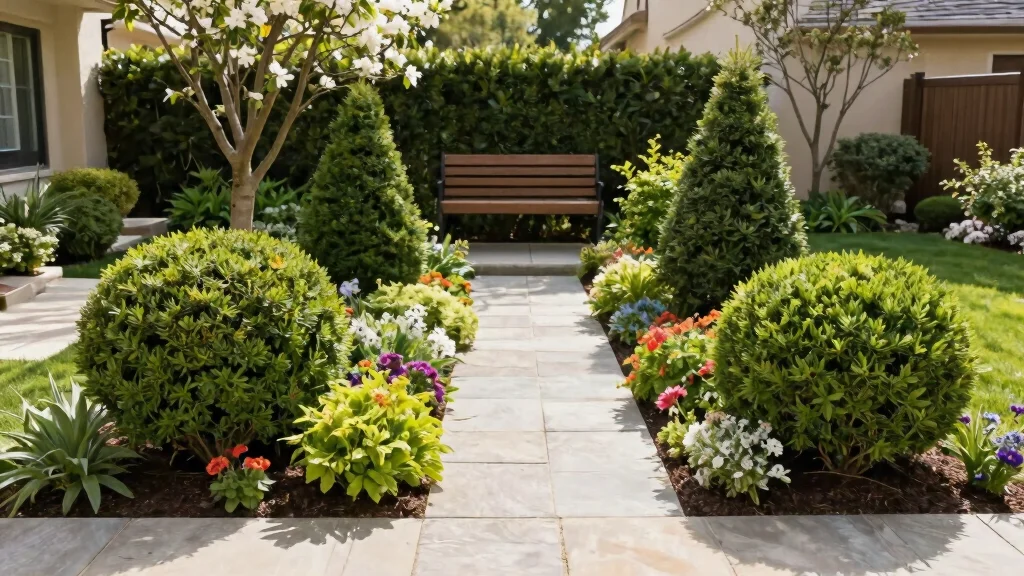
Creating the perfect front yard can make a huge difference in your home’s curb appeal. With so many options available, it can feel overwhelming to choose the right front yard bushes that not only look amazing but also require minimal upkeep. Whether you’re a busy professional, a parent juggling endless responsibilities, or someone who simply loves a tidy garden without the hassle, this post is here to help you.
If you’re looking for ways to elevate your outdoor aesthetics while keeping maintenance low, this guide is tailored just for you. You’ll discover 16 stunning front yard bushes that blend beauty with structure. Each selection is ideal for small spaces, offering variety in color, size, and fragrance. The best part? You won’t need a degree in gardening to make these choices. I’ve gathered practical tips and insights to help you choose the perfect bushes for your front yard.
Get ready to transform your home’s exterior! With these 16 structured beauties, your front yard will not only look gorgeous but also provide a welcoming atmosphere for friends, family, and guests. Let’s dive in and find the perfect fit for your landscaping ideas.
Key Takeaways
– Explore 16 Bush Options: Discover a variety of front yard bushes, including classics like Boxwood and fragrant choices like Lavender.
– Low-Maintenance Solutions: Each bush on the list is selected for its low-maintenance qualities, making them suitable for busy lifestyles.
– Curb Appeal Boost: Implementing these bushes can significantly enhance your home’s curb appeal, attracting compliments from neighbors and passersby.
– Small Space Friendly: The featured bushes are perfect for small yards, ensuring you can create a beautiful garden even in limited space.
– Easy Care Tips: Learn simple care tips for each bush, ensuring you can maintain their beauty without spending all your weekends in the garden.
1. Boxwood: The Classic Choice
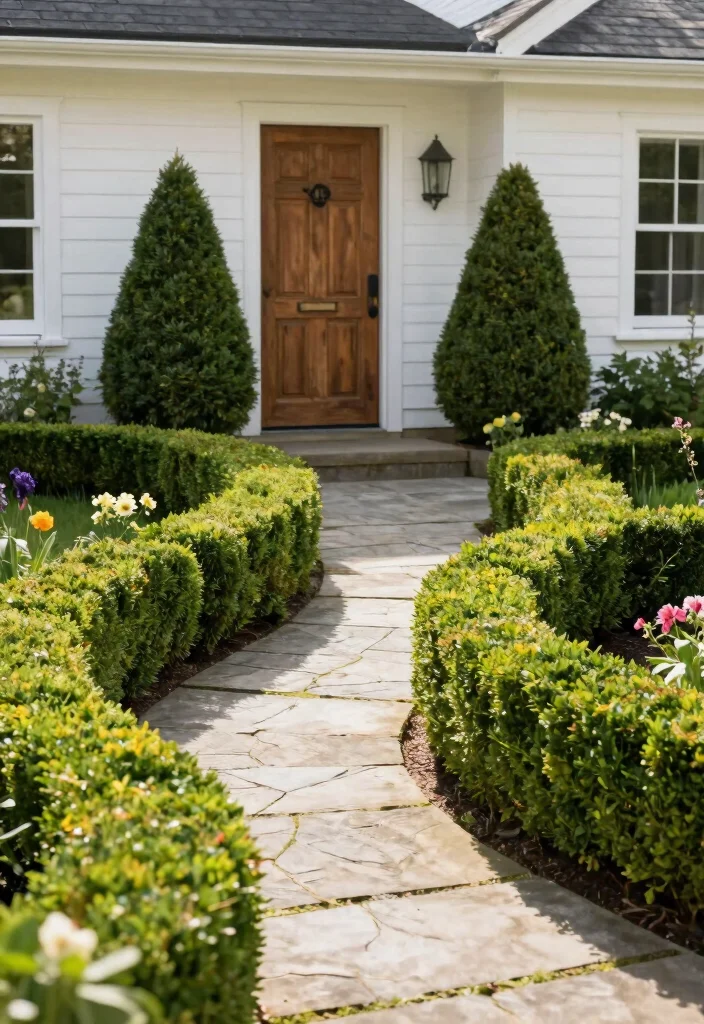
Boxwood bushes stand out as a quintessential option for front yard landscaping, renowned for their dense, evergreen foliage. The ability to shape them into neat hedges or rounded forms creates a sense of order and structure, making your outdoor space feel both elegant and welcoming. You can find boxwoods in various settings, from formal gardens to casual landscapes, paired beautifully with colorful flowers or natural stones for pathways.
Implementing boxwoods is straightforward and rewarding. For a budget-friendly option, consider purchasing smaller plants that will grow over time. Their low-maintenance nature means you can enjoy year-round greenery without constant upkeep, while their adaptability connects beautifully with current design trends emphasizing sustainability.
Consider these ideas to showcase boxwoods effectively:
– Pair boxwoods with vibrant flower beds for visual contrast.
– Install boxwood borders along pathways for clear navigation.
– Use them to frame your front door, enhancing curb appeal.
This classic choice not only adds structure but also complements the textures of your outdoor space, creating a sophisticated yet inviting atmosphere.

【Maintenance-Free Seasonal Décor】Skip the watering, pruning, and leaf cleanup. These artificial fall topiary bushes deliver warm seasonal charm to your outdoor space with zero daily maintenance. Perfectly elevate your decor for autumn, harvest parties and Thanksgiving celebrations with no messy upkeep required.

Simple Assembly with Included Ground Spike: These 24-inch artificial boxwood plants outdoor require minimal setup—just attach the ground spike and place them into your favorite planter or garden bed. A quick and secure way to add fall elegance to any outdoor area.

【Realistic Fall Color & Full Foliage】Create a warm autumn atmosphere with lifelike fall-toned foliage in multiple color variations. Each faux topiary features full, dense leaves with a natural shape and realistic texture, bringing a professionally landscaped look to your porch, entryway, or outdoor space.
Ongoing Maintenance & Care Guide
Maintenance Schedule:
Daily/Weekly Tasks:
– Check for dry leaves or debris around your front yard bushes. Remove any that you find. This keeps the area tidy and prevents pests. ⏱ (5-10 minutes)
– Water your bushes as needed, especially in dry spells. Aim for a deep watering about once a week if there’s no rain. Ensure the soil is moist but not soggy. ⏱ (15 minutes)
– Inspect the bushes for pests or signs of disease. Look closely at the leaves and stems. Remove any affected parts promptly to keep your plants healthy. ⏱ (10 minutes)
Monthly/Seasonal Tasks:
– Fertilize your bushes to encourage growth. Use a balanced fertilizer in early spring and again in late summer for best results. Follow package instructions for quantities. ⏱ (20 minutes)
– Prune any dead or overgrown branches during the growing season. This helps shape the bushes and promotes new growth. Use clean, sharp tools for clean cuts. ⏱ (30 minutes)
– Mulch around the base of your bushes to retain moisture and suppress weeds. Apply a layer of mulch about 2-3 inches thick. Refresh the mulch every season. ⏱ (30 minutes)
– Inspect for any signs of winter damage in late fall and early spring. Trim away any frostbitten or dead branches to encourage new growth. ⏱ (15 minutes)
Maintenance Summary Table:
| Task | Frequency | Difficulty | Time Needed |
|—————————-|——————-|————|————-|
| Check for debris | Daily/Weekly | Easy | 5-10 mins |
| Watering | Weekly | Easy | 15 mins |
| Pest inspection | Weekly | Easy | 10 mins |
| Fertilizing | Monthly | Medium | 20 mins |
| Pruning | Monthly | Medium | 30 mins |
| Mulching | Seasonal | Easy | 30 mins |
| Inspect for winter damage | Seasonal | Easy | 15 mins |
Common Issues to Watch For:
⚠️ Yellowing Leaves: This could mean overwatering or a nutrient deficiency. Check the soil moisture and consider adding fertilizer.
⚠️ Wilting: If leaves look limp, your bushes may be thirsty. Check the soil moisture and water as needed. If the soil is too wet, you may want to adjust your watering schedule.
⚠️ Pest Infestation: Look for webs or spots on leaves. These can indicate spider mites or aphids. Promptly treat with insecticidal soap or neem oil.
⚠️ Fungal Growth: White or black spots on leaves can signal fungal issues. Ensure good air circulation and avoid overhead watering. Remove affected leaves to prevent spreading.
⚠️ Stunted Growth: If your bushes aren’t growing well, they might need more light or nutrients. Check their location and consider relocating them if they’re too shaded.
Care Tips:
💡 Mulch Regularly: Use organic mulch to improve moisture retention and suppress weeds. This reduces the need for frequent watering and weeding.
💡 Water Deeply: Water less frequently but deeply. This encourages roots to grow deeper and makes your bushes more drought-resistant.
💡 Choose the Right Plants: When selecting front yard bushes, opt for low-maintenance varieties that thrive in your local climate. Research their specific needs for sunlight and soil.
💡 Clean Tools: Always use clean tools to prevent the spread of disease. Wipe down pruners and shovels with rubbing alcohol before use.
💡 Observe Seasonal Changes: Pay attention to how your bushes respond to the seasons. Adjust watering and care based on their growth cycles to keep them healthy year-round.

For sale is one Sky Pencil Holly tree that is approximately 6-12" tall and shipped in a 2.5" pot

This upright deciduous, occasionally semi-evergreen, shrub blooms creamy-white, fragrant flowers followed by round blue-black fruit. Its dark green and bright green glossy foliage has larger leaves compared to the Sinense. This fast grower will reach 8-10 feet high. Its dense and bushy characteristics make it ideal for a privacy screen, wind screen, hedging, and small tree, while adding great color to your garden.

Camellia Sinensis Tea Plant produces flavorful leaves, ideal for crafting your own green, black, or oolong teas at home
2. Dwarf Lilac: Sweet Scents in Small Packages
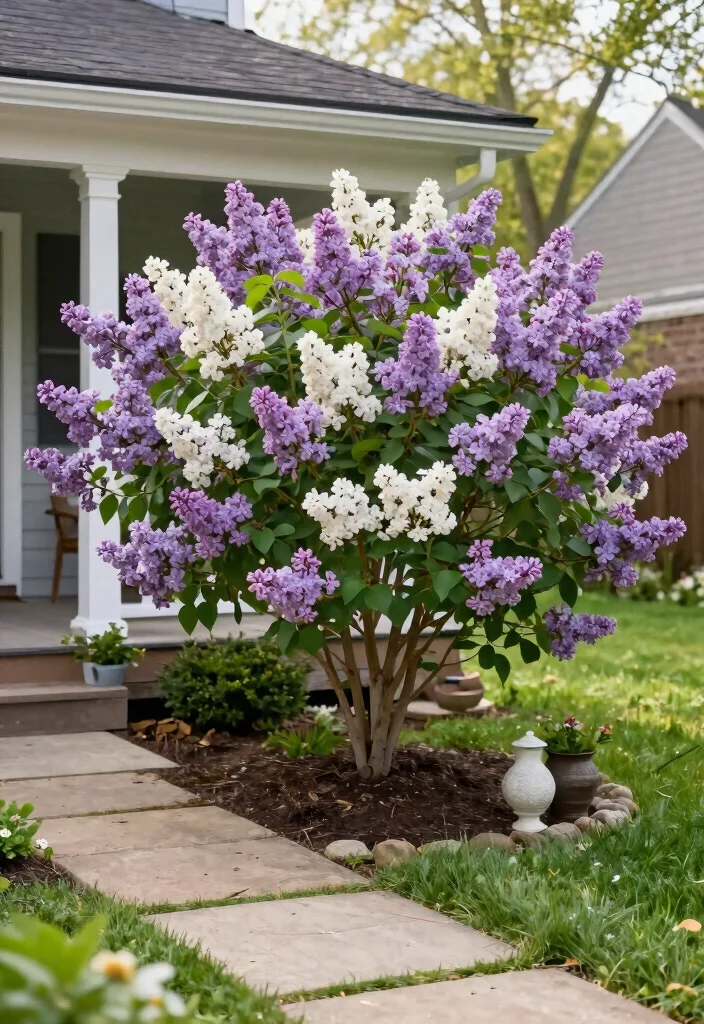
Dwarf lilac bushes are a delightful choice for anyone looking to infuse their front yard with color and fragrance. These compact plants, reaching about three to four feet tall, deliver stunning clusters of purple or white blooms that fill the air with their sweet scent come springtime. Placing them near walkways allows you to enjoy their beauty and aroma every time you step outside.
To incorporate dwarf lilacs effectively, aim for well-draining soil and ensure they receive plenty of sunlight. For budget-conscious gardeners, consider purchasing young plants that will grow and flourish over the years. Their enchanting blooms not only beautify your space but also connect to broader trends of incorporating sensory elements into outdoor designs.
Keep these tips in mind for planting dwarf lilacs:
– Trim after blooming to encourage bushier growth.
– Use mulch to retain moisture and suppress weeds.
Dwarf lilacs can create a lovely focal point or be grouped together for a charming privacy screen, adding both beauty and function to your garden.

💜 2 Large Lilac Plants (14–24”) – Bigger plants for faster landscape impact.

Abundant Non-GMO Seeds: Each pack includes 1500 lavender seeds for planting, perfect for starting a fragrant outdoor or window herb garden with heirloom seeds and fresh herbs.
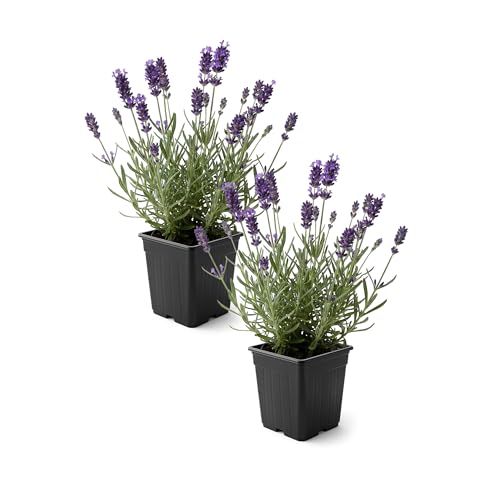
SUMMER FLOWERS: Produces classic purple blooms with a strong, soothing lavender scent.
3. Japanese Holly: A Versatile Accent
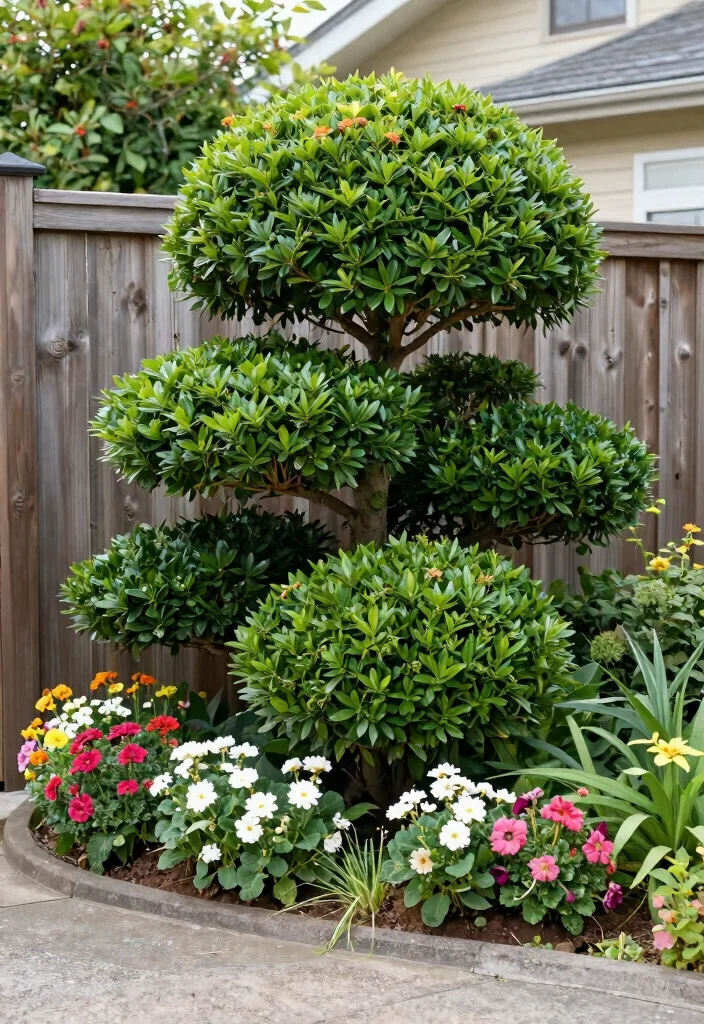
Japanese holly is a fantastic option for introducing texture and visual intrigue to your front yard. Its glossy green leaves and compact growth pattern make it suitable as a hedge or an accent plant, enriching your landscape throughout the seasons. This bush is particularly attractive when adorned with winter berries, providing seasonal interest in colder months.
To ensure healthy growth, provide partial shade in hotter climates and maintain adequate watering during dry spells. For homeowners on a budget, consider purchasing smaller plants that will flourish into beautiful accents. Japanese holly connects well with current design trends focusing on low-maintenance, versatile plants that adapt to various conditions.
Here are some practical tips for integrating Japanese holly:
– Incorporate it into hedges for natural privacy barriers.
– Use it as a backdrop for flowering plants to enhance visual impact.
This plant not only enriches your garden’s aesthetics but also offers a lush, green backdrop that enhances other design elements.

Upgraded All-Weather Material: Crafted with premium upgraded PE material, our 2 set artificial cedar topiary and artificial bushes for outdoors are built to last. They offer exceptional UV protection and frost resistance, acting as perfect faux outdoor shrubs to prevent fading and cracking in various climates, all while ensuring a pleasant, odor-free experience with these outdoor bushes that look real.

Plant: Dwarf Burning Bush (Euonymus alatus)
4. Spirea: A Symphony of Colors
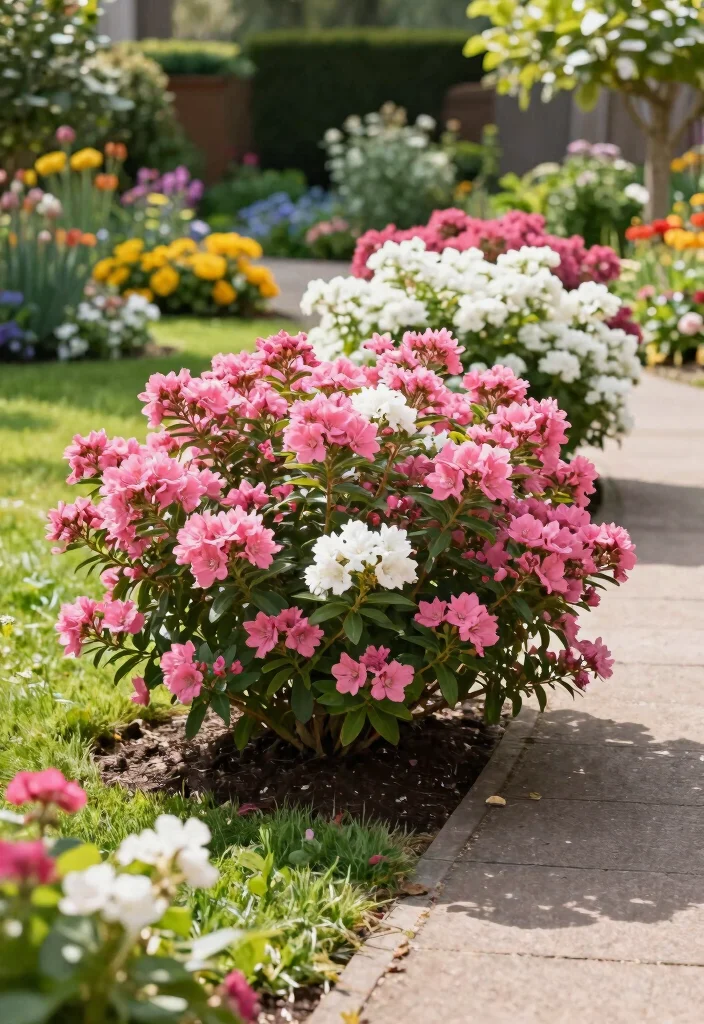
Spirea bushes are celebrated for their vibrant blooms and low-maintenance nature, making them perfect additions to any front yard. With varieties blooming in pink, white, and red, these hardy plants create a lively display throughout the growing season. Their adaptability to full sun and various soil conditions means they can thrive even in less-than-ideal gardening situations.
To keep spirea looking its best, prune them after flowering to encourage new growth and blooms. For budget-friendly gardening, consider planting multiple smaller spirea bushes to create a fuller look over time. This aligns with the trend toward layering in garden design, where plants of varying heights and colors create depth.
Here are some ways to maximize spirea in your garden:
– Plant in clusters for a striking color display.
– Use them as borders to define garden spaces.
Spirea not only adds color but also complements your garden’s overall structure, enhancing the visual appeal with their lush foliage and charming flowers.

An attractive pyramidal garden or patio tree with dense, upright branching and narrow, leathery foliage that takes to shearing well. A versatile, slow growing, and low maintenance evergreen. An effective accent, screen or clipped hedge. Well-suited to large containers or tubs, and for formal topiary.

🌲 FAST GROWING TREES: Austree Hybrid plants grow fast at rate of 12 feet per year with maximum height of 50-75 feet. But they can be trimmed to remain low and dense. Branches of hybrid willow trees are slim, and leaves that have slender green peaks. They have dense branches like a willow bush. They are very eye catching and unique. If your tired of the typical tree, these beautiful trees are the perfect fit

REALISTIC & MAINTENANCE-FREE: Enjoy lush, perfectly trimmed green leaves without the need for pruning or watering. This artificial boxwood hedge offers effortless beauty year-round.
5. Hydrangeas: A Touch of Elegance
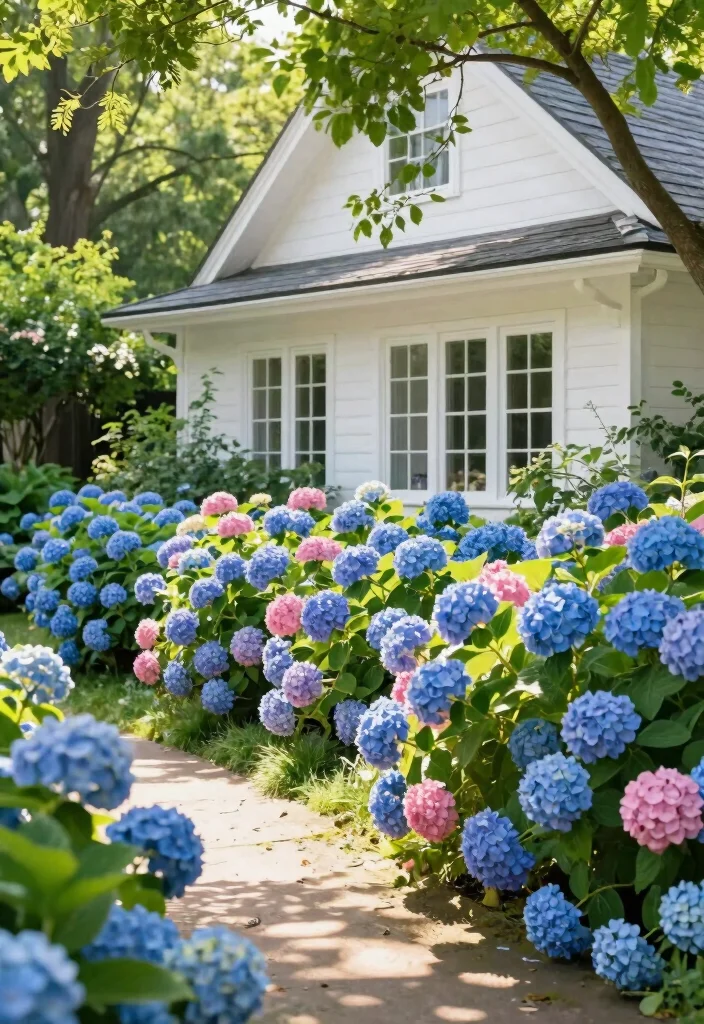
Hydrangeas are iconic for their stunning blooms and versatility in various conditions. These bushes produce vibrant clusters of flowers in shades of blue, pink, or white, depending on your soil’s pH. Their ability to thrive in compact spaces, coupled with their elegant presence, makes them a favorite for enhancing front yard aesthetics.
For the best blooms, place hydrangeas in a sunny spot with some afternoon shade and ensure they receive adequate water. To keep costs down, consider smaller plants that will grow into beautiful specimens. Their seasonal blooms connect with the trend of using flowers to introduce natural beauty into outdoor spaces.
Consider these tips for incorporating hydrangeas:
– Use mulch around their base to retain moisture.
– Prune after blooming to promote healthy growth.
Hydrangeas not only serve as gorgeous focal points but can also be cut for fresh bouquets, extending their elegance beyond the garden.

Hi, dear: We suggest that you carefully check the product information before purchasing, which can reduce your return time. The flower of this item is small flower(1.5 inches), and the flowers and leaves can be removed (a small number of flowers falling into the box may affect your experience, but you can easily reinstall it). The eucalyptus leaves of the flower bunch are made of plastic (There will be a plastic smell when received. Can be used normally after ventilation)

Hi, dear: We suggest that you carefully check the product information before purchasing, which can reduce your return time. The flower of this item is small flower(1.5 inches), and the flowers and leaves can be removed (a small number of flowers falling into the box may affect your experience, but you can easily reinstall it). The eucalyptus leaves of the flower bunch are made of plastic (There will be a plastic smell when received. Can be used normally after ventilation)

Hi, dear: We suggest that you carefully check the product information before purchasing, which can reduce your return time. The flower of this item is small flower(1.5 inches), and the flowers and leaves can be removed (a small number of flowers falling into the box may affect your experience, but you can easily reinstall it). The eucalyptus leaves of the flower bunch are made of plastic (There will be a plastic smell when received. Can be used normally after ventilation)
6. Barberry: Color and Structure
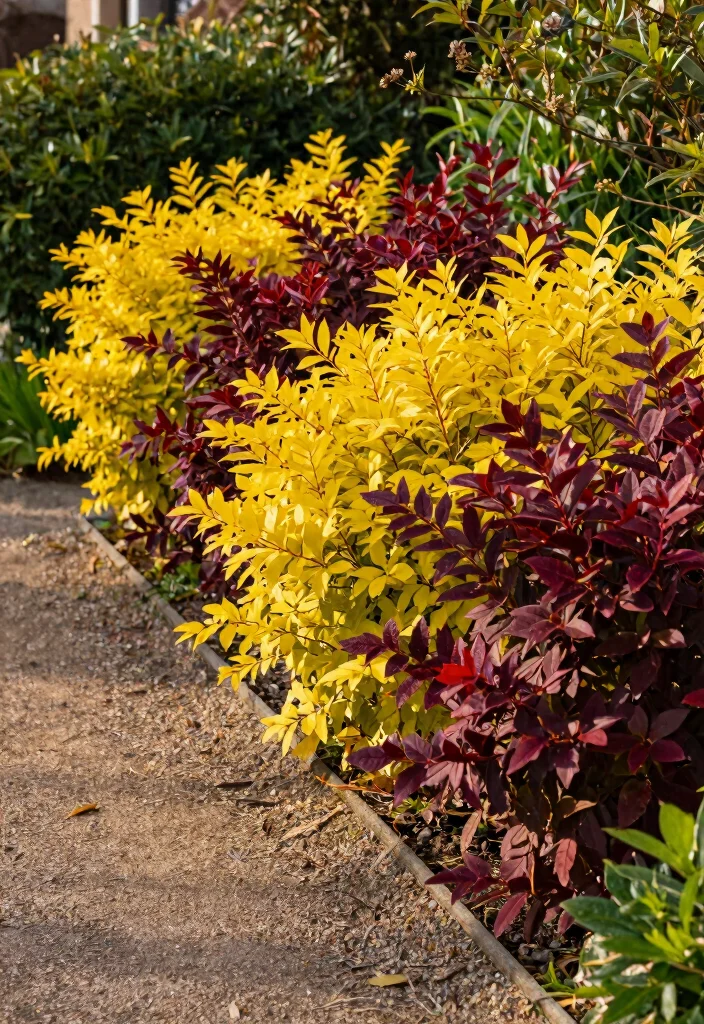
Barberry bushes are known for their colorful foliage, ranging from deep burgundy to bright yellow, making them a standout feature in any front yard. These hardy, low-maintenance plants are ideal for those looking to incorporate vibrant elements without extensive care. Their thorny branches also lend themselves well to creating natural fencing, providing both beauty and privacy.
To maintain their vibrant colors, regular pruning is essential, especially during extreme heat. For budget-friendly options, consider purchasing smaller plants, which can grow into robust features over time. Barberry aligns with the trend of using plants that offer both aesthetic appeal and functional purposes in landscaping.
Here are ways to incorporate barberry effectively:
– Use them as colorful borders to define spaces.
– Plant in clusters for a dramatic impact.
The changing colors of barberry throughout the seasons create a dynamic landscape, adding visual interest year-round.

Camellia Sinensis Tea Plant produces flavorful leaves, ideal for crafting your own green, black, or oolong teas at home
Camellia Sinensis Tea Plant produces flavorful leaves, ideal for crafting your own green, black, or oolong teas at home

WHAT YOU WILL RECEIVE: You will receive a Dwarf Holly live plant, ready for planting in garden beds, borders, containers, or outdoor landscape spaces
7. Lavender: Fragrant and Functional
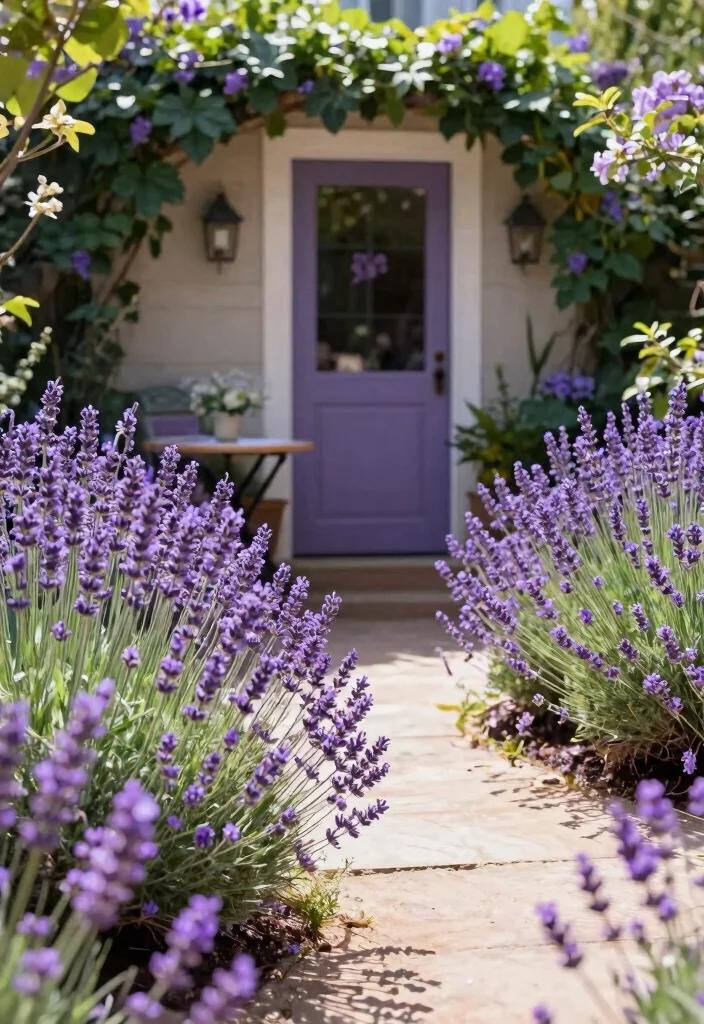
Lavender bushes are a wonderful addition to any front yard, known for their lovely purple flowers and soothing fragrance. These low-maintenance plants flourish in sunny areas with well-draining soil, attracting beneficial pollinators like bees and butterflies. Their compact size makes them perfect for borders or container gardens, bringing elegance with minimal effort.
To keep lavender healthy, trim it back after blooming to encourage fuller growth next season. Water sparingly to avoid root rot, especially during the winter months. For budget-conscious gardeners, lavender can often be propagated from cuttings. Its aromatic qualities connect nicely with the trend of creating sensory-rich outdoor spaces.
Consider these practices for growing lavender:
– Use low-nitrogen fertilizer for optimal growth.
– Protect from harsh winter conditions by mulching.
Dried lavender can be harvested for crafts or potpourri, making it a functional and beautiful choice for your landscape.
Fun fact: A lavender plant can attract up to 20 bees per hour during peak bloom, turning a small front yard border into a pollinator hotspot. After blooming, trim it back to encourage fuller growth next season. Enjoy its compact size in tight spaces with minimal watering.


1. Unique Color & Beauty Rare Red Blooms – Unlike traditional lilacs, the Red Pixie Lilac features stunning deep pinkish-red flowers. Compact & Dense Growth – Perfect for small gardens, patios, and urban spaces.

LIVE LAVENDER PLUG PLANTS: Healthy rooted lavender starter plugs ready for transplanting into gardens, raised beds, containers, and landscape borders.
8. Chokeberry: Berry Beautiful
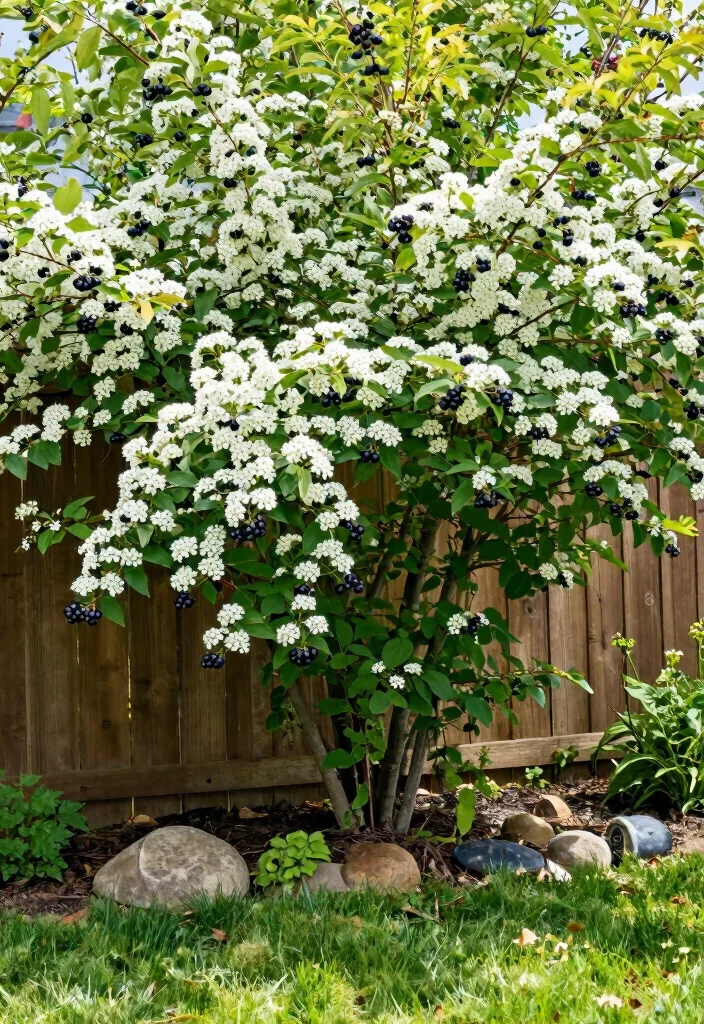
Chokeberry bushes are not only visually appealing but also produce delicious berries that attract birds and wildlife. These adaptable plants thrive across various soil conditions, making them suitable for small spaces. In spring, they showcase lovely white blossoms that transform into berries by late summer, creating texture and interest throughout the seasons.
To encourage healthy growth, provide full sun and regular watering, particularly during dry spells. For budget-friendly options, look for younger plants that will flourish over time. Chokeberries tie into the trend of incorporating edible plants into landscapes, promoting sustainability and biodiversity.
Here are some tips for incorporating chokeberries:
– Plant in groups for a stunning visual display.
– Prune in early spring to enhance air circulation.
The berries are not just a beautiful feature; they can also be used to make jams and jellies, adding functionality to your garden.
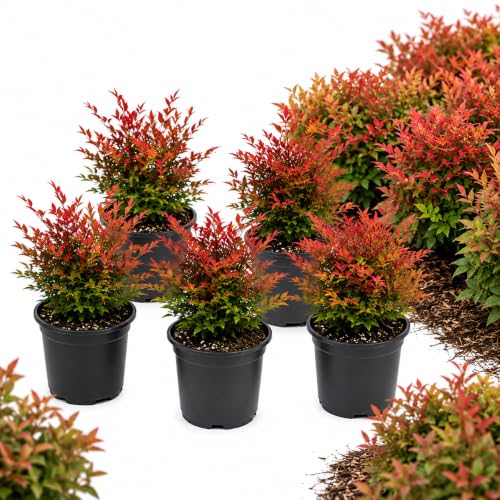
SET OF 4 DWARF NANDINA LIVE PLANTS: Includes ten dwarf nandina shrubs, each grown in a 2.5-inch pot, suitable for coordinated planting in borders, containers, walkways, and landscape beds.

The Dwarf Burning Bush is a hardy ornamental shrub prized for its vibrant red fall foliage and compact growth habit
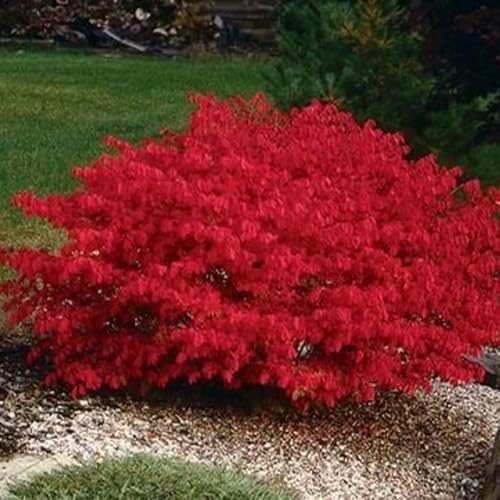
Vibrant Fall Color: This plant changes red foliage in autumn, creating seasonal interest, good choice for adding long-lasting color to gardens and landscapes
9. Nandina: Heavenly Bamboo
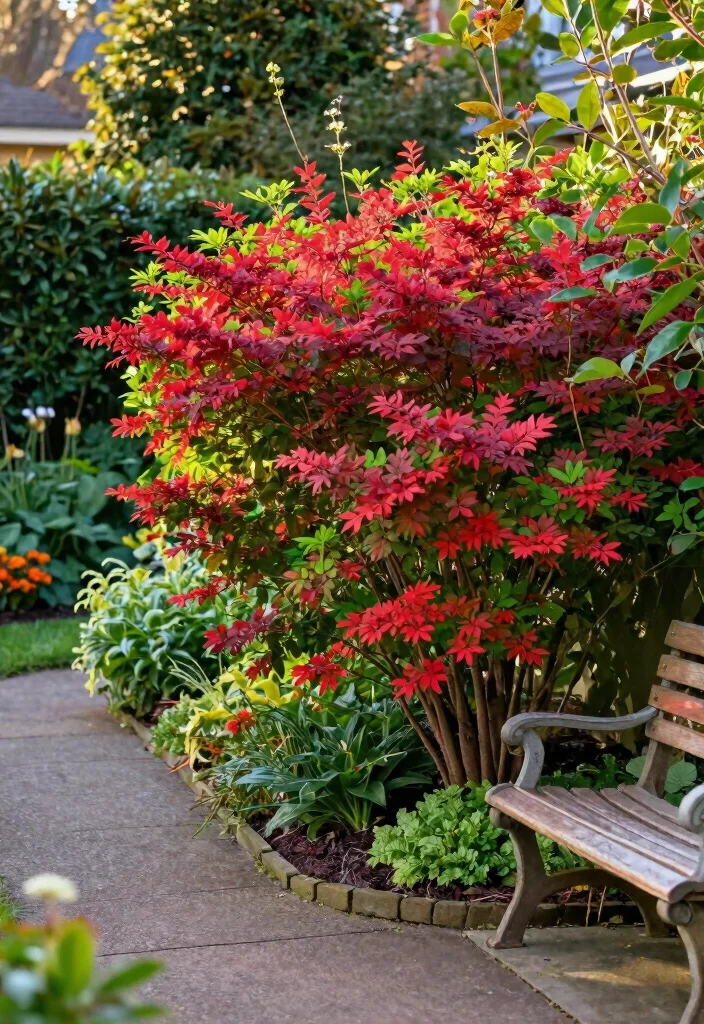
Nandina, often referred to as heavenly bamboo, offers stunning foliage that changes color with the seasons. The vibrant shades of red, green, and orange provide year-round beauty, making it a valuable addition to your front yard. These low-maintenance plants thrive in various conditions, tolerating both sun and shade while adding visual interest.
To achieve optimal growth, provide afternoon shade during the hottest months and water sparingly once established. For budget-friendly gardening, young nandina plants can be purchased and nurtured into beautiful specimens. This plant aligns well with current trends focused on integrating colorful foliage into landscapes for continuous visual appeal.
Consider these practical tips for nandina:
– Use as border plants for structure and color.
– Plant in groups for an eye-catching effect.
Nandina berries provide a food source for birds, enhancing the wildlife appeal of your garden.
An attractive pyramidal garden or patio tree with dense, upright branching and narrow, leathery foliage that takes to shearing well. A versatile, slow growing, and low maintenance evergreen. An effective accent, screen or clipped hedge. Well-suited to large containers or tubs, and for formal topiary.

PACKAGE INCLUDE: The artificial boxwood plants outdoor size 20'' x 20", quantity 12 pcs, pack of 50 zip ties to install, can be according to fit your requirement
An attractive pyramidal garden or patio tree with dense, upright branching and narrow, leathery foliage that takes to shearing well. A versatile, slow growing, and low maintenance evergreen. An effective accent, screen or clipped hedge. Well-suited to large containers or tubs, and for formal topiary.
10. Euonymus: Versatile and Variegated
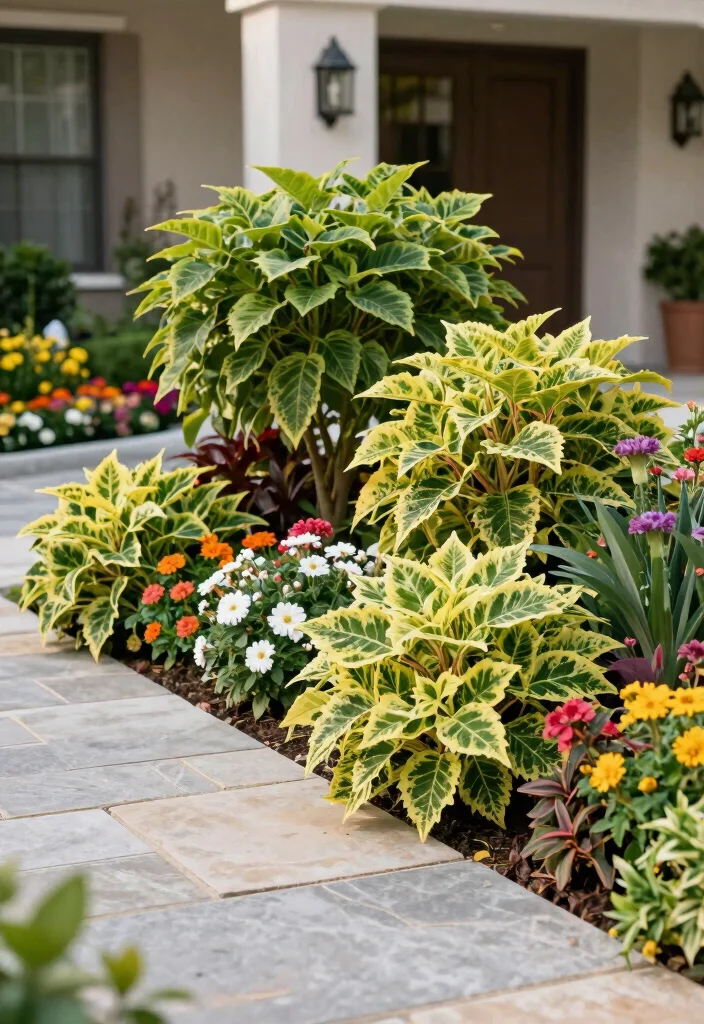
Euonymus bushes are cherished for their diverse varieties and unique foliage, which can include variegated greens, yellows, and reds. These adaptable plants can serve as low hedges, foundation plants, or colorful accents in your front yard. Their ability to thrive in various conditions makes them easy to care for and maintain, perfect for busy homeowners.
To keep euonymus looking vibrant, ensure they receive ample sunlight and water regularly until established. For budget-conscious gardeners, consider smaller plants that will develop into gorgeous features. Euonymus connects with trends that emphasize layering and textual diversity in garden design.
Here are some ideas for incorporating euonymus:
– Use as backdrops for flowering plants for added depth.
– Plant in clusters for a striking visual impact.
Their versatility enhances your landscape, creating a more dynamic and visually appealing garden.
Euonymus offers versatile, variegated color to front yard bushes—greens, yellows, and reds that thrive in small spaces. For busy homeowners, plant in sun, water until established, and prune lightly to maintain a tidy, low-maintenance hedge.
11. Weigela: Romantic Blooms in Small Spaces
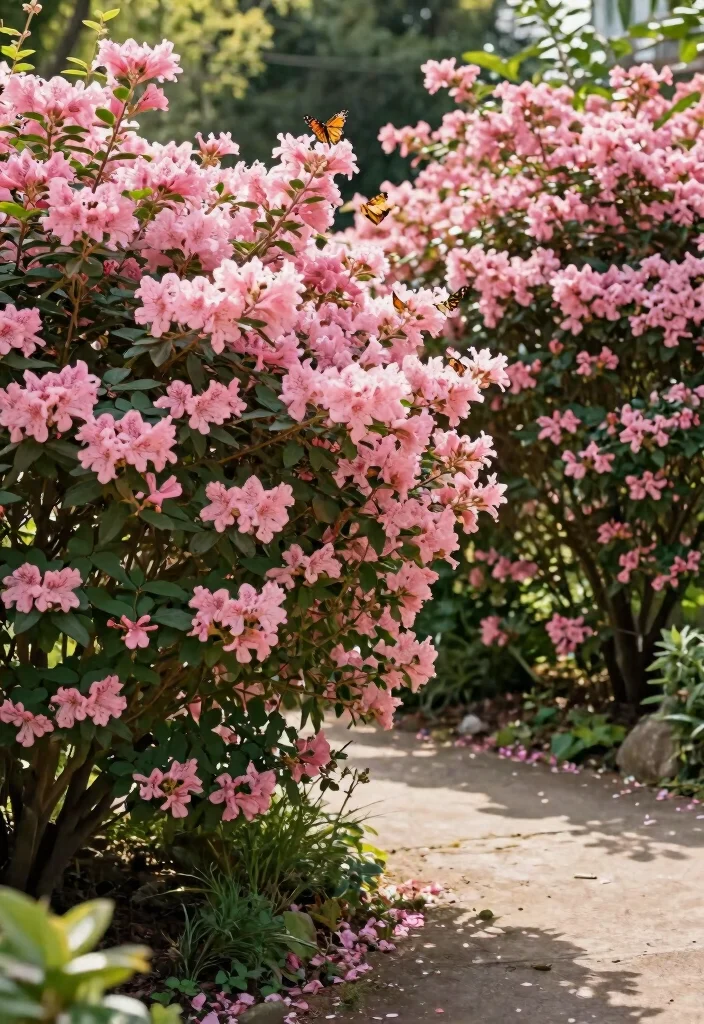
Weigela bushes are celebrated for their enchanting trumpet-shaped flowers that attract hummingbirds and butterflies. Available in a range of colors, including vibrant pinks and soft whites, these plants add a romantic flair to your front yard. Thriving in full sun and well-drained soil, weigela is relatively easy to care for, making it perfect for smaller gardens.
To maintain their shape and encourage bushier growth, prune after flowering. Water regularly during dry periods to ensure healthy blooms. For budget-friendly gardeners, consider planting multiple smaller bushes to create a fuller effect over time. Weigela aligns with the trend of incorporating colorful blooms to create lively outdoor spaces.
Here are some ways to enjoy weigela:
– Plant in clusters for a stunning display.
– Use as borders to define garden areas.
The romantic blooms create a captivating visual rhythm, enhancing the overall beauty of your garden.
Weigela brings romantic blooms to even the smallest front yard bushes. Plant in full sun, prune after flowering, and watch hummingbirds and butterflies visit—it’s low-maintenance beauty in a compact space. Convert your curb appeal with color that thrives in well-drained soil.
12. Forsythia: The First Sign of Spring
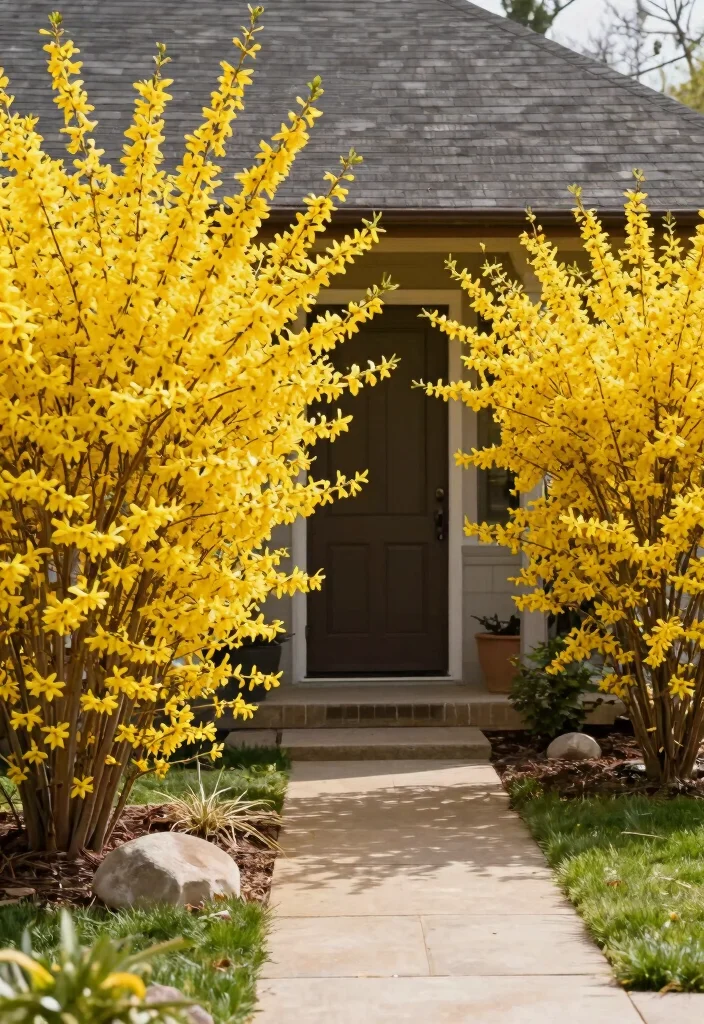
Forsythia bushes are renowned for their vibrant yellow flowers that signal the arrival of spring. This fast-growing plant fills spaces quickly, making it an excellent choice for homeowners looking to enhance curb appeal in no time. Forsythia thrives in full sun and is easy to maintain, making it ideal for those who prefer low-effort gardening.
To encourage better growth next season, prune after flowering and water regularly to establish strong roots. For budget-friendly options, consider starting with smaller plants that will grow into beautiful specimens. Forsythia connects well with trends emphasizing bold, cheerful colors in landscaping.
Consider these tips for planting forsythia:
– Use as a cheerful hedge for a welcoming feel.
– Plant as a single specimen for a bright focal point.
Forsythia can also be harvested for indoor arrangements, offering vibrant color and fragrance inside your home.
13. Camellia: Timeless Grace
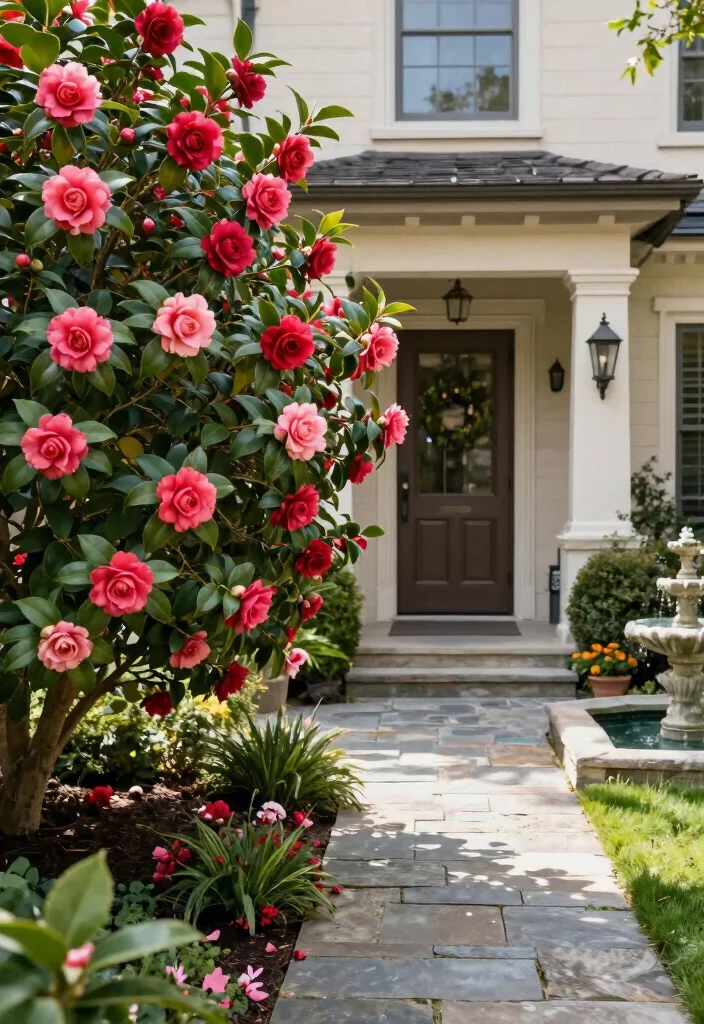
Camellia bushes bring an air of elegance to any front yard, showcasing glossy leaves and large, colorful blooms that brighten even the dreariest days. Depending on the variety, camellias bloom in late winter or early spring, providing color when most plants are dormant. They thrive in partial shade and prefer well-drained, acidic soil, making them a classic choice for sophisticated landscapes.
To keep camellias healthy, water regularly to maintain moisture without oversaturation. Plant them in spots that offer afternoon shade for the best blooms. For budget-conscious gardeners, consider starting with smaller plants that will flourish over time. Camellias align beautifully with trends emphasizing timeless elegance in garden design.
Here are some suggestions for incorporating camellias:
– Use them as focal points in smaller gardens.
– Plant in groups for a lush, layered effect.
Camellias add not only beauty but also a sense of grace, enhancing the overall aesthetic of your outdoor space.
14. Yew: An Evergreen Staple
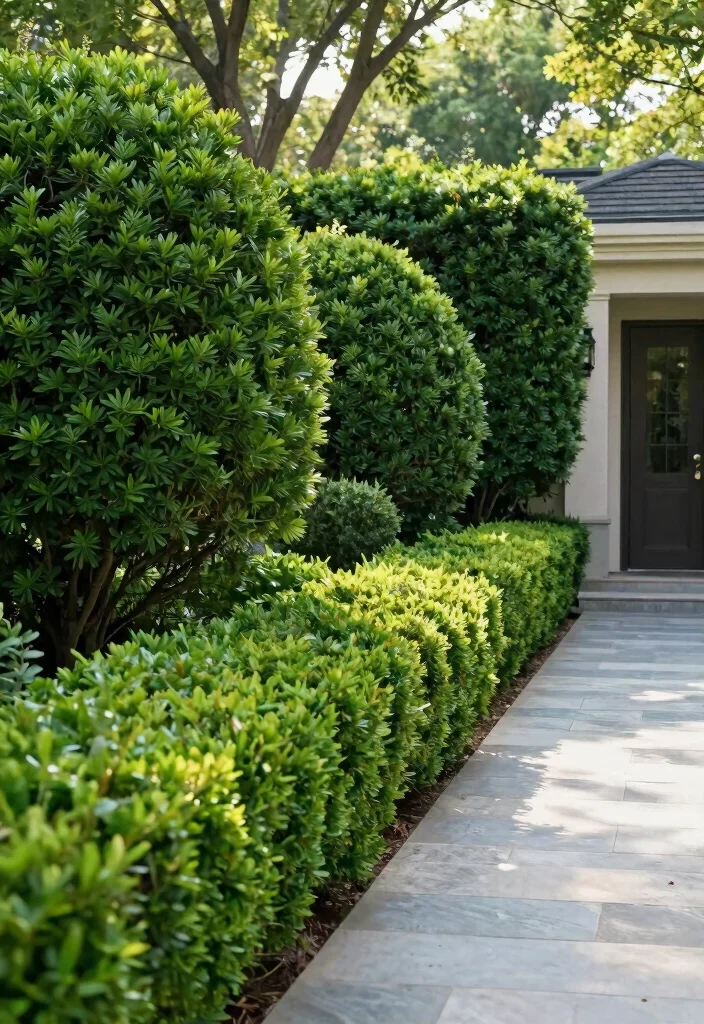
Yew bushes are classic evergreen plants that provide a lush, green backdrop for any front yard. Valued for their adaptability, yews thrive in various soil types and can tolerate shade, making them versatile options for many homeowners. These hardy plants can be shaped into a variety of forms, from hedges to topiary, adding structured beauty throughout the seasons.
To maintain desired shapes, regular pruning is essential, and consistent watering during dry periods will ensure their health. For budget-friendly gardening, consider planting smaller yews that will grow into stunning specimens. Yews align with the trend of using evergreen plants to create year-round interest and structure in landscapes.
Here are some ways to enhance your garden with yews:
– Use as privacy screens for a lush backdrop.
– Incorporate into layered garden designs for depth.
Yews not only enhance privacy but also contribute to the overall aesthetic of your landscape, creating a serene and inviting environment.
15. Autumn Blaze Maple: A Tree and Bush Hybrid
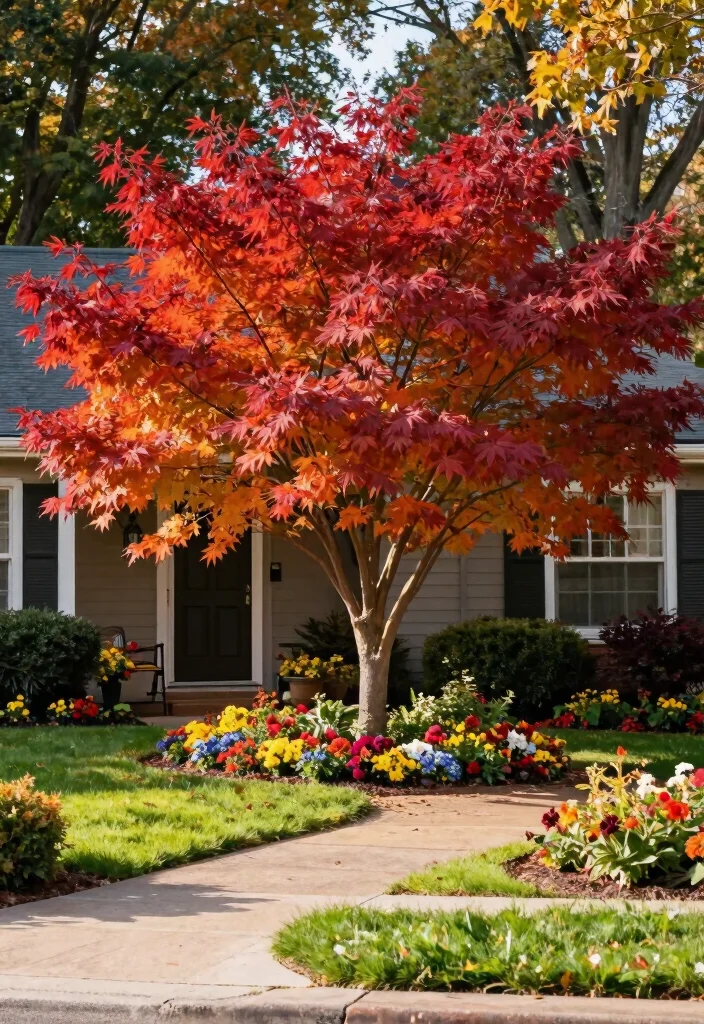
Autumn Blaze Maple is an exceptional choice for front yard landscaping, combining tree and bush characteristics in a compact form. This plant showcases striking red and orange foliage in the fall, becoming a stunning focal point in any garden design. Despite its height, its dense branching structure allows it to fit comfortably into small spaces, making it a versatile landscaping option.
To promote healthy growth, ensure adequate watering during dry periods and prune in late winter for optimal shape. For budget-friendly gardening, consider younger plants that will develop into beautiful specimens over time. Autumn Blaze Maple connects well with trends emphasizing colorful foliage and year-round interest in landscaping.
Here are some tips for incorporating Autumn Blaze Maple:
– Use as a centerpiece for visual impact in your garden.
– Plant near pathways to enhance the seasonal display.
The shifting colors of this hybrid provide continuous visual interest, making it a fantastic addition to your front yard.
16. Knock Out Roses: Effortless Blooms
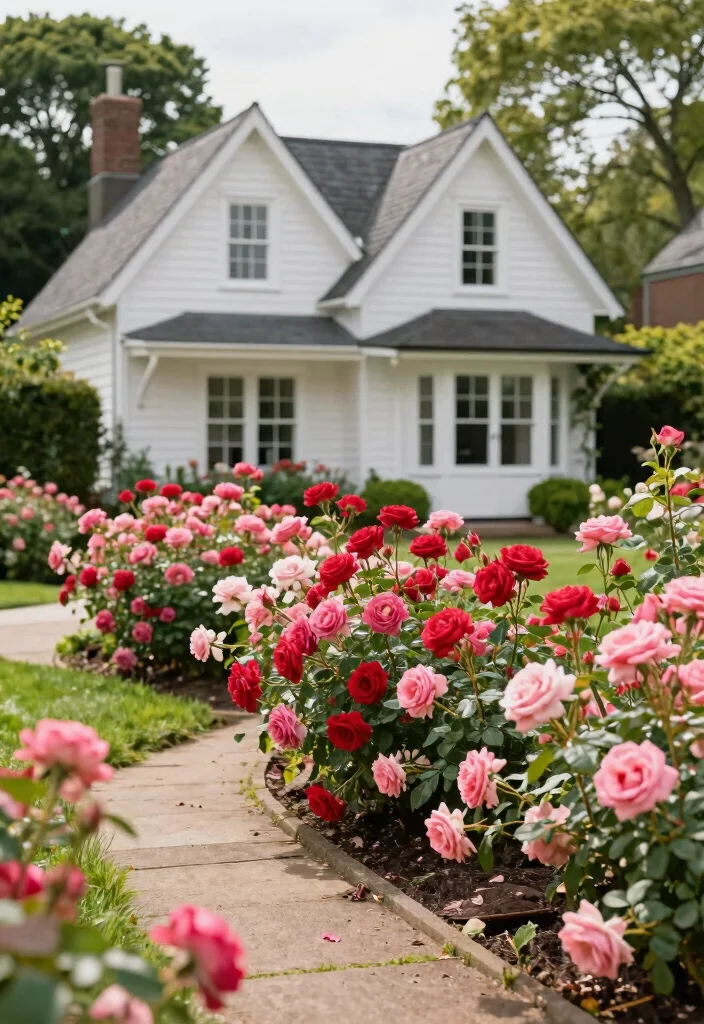
Knock Out Roses are a game-changer for low-maintenance gardening, bringing vibrant color to your front yard with minimal effort. These hardy flowers bloom from spring until frost, offering a continuous display of pink, red, and yellow hues. Their compact growth makes them ideal for small gardens, while their thornless nature simplifies maintenance.
To encourage new growth, prune back in late winter and water regularly during dry spells. For budget-conscious gardeners, Knock Out Roses can often be found at reasonable prices and thrive in various conditions. This aligns with the trend of using resilient plants that require less upkeep yet provide stunning aesthetics.
Consider these ideas for integrating Knock Out Roses:
– Use as colorful borders to define garden spaces.
– Plant in clusters for a vibrant display.
These roses not only add color but also create impactful statements in your garden, enhancing its overall beauty.
Conclusion
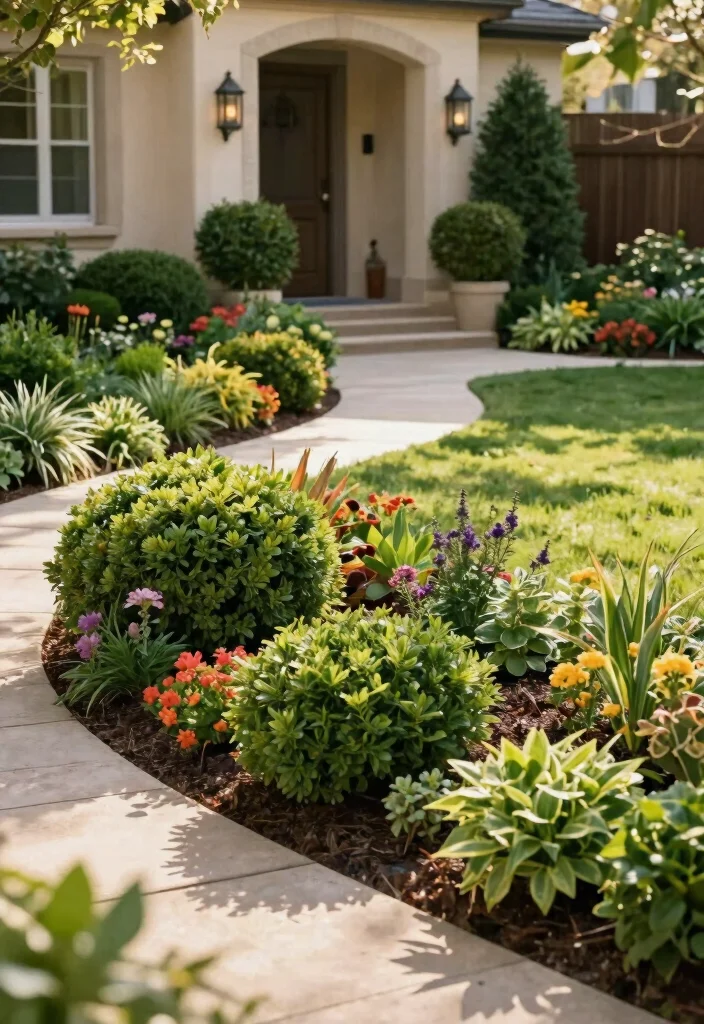
Choosing the right front yard bushes can elevate your home’s aesthetics while keeping maintenance to a minimum. From the classic boxwood to the vibrant Knock Out Roses, there’s a variety to suit any taste and space.
Incorporating these low-maintenance plants into your landscaping ideas will not only enhance your curb appeal but also provide a beautiful, structured look that you’ll love coming home to. Embrace the beauty of nature and the joy of effortless gardening!
Note: We aim to provide accurate product links, but some may occasionally expire or become unavailable. If this happens, please search directly on Amazon for the product or a suitable alternative.
This post contains Amazon affiliate links, meaning we may earn a small commission if you purchase through our links, at no extra cost to you.
Frequently Asked Questions
What are some low-maintenance front yard bushes that fit small spaces?
For compact spots, choose evergreen or neatly rounded varieties that stay tidy with minimal pruning.
Great options include boxwood (dwarf cultivars like Green Mountain or Wintergreen) for clean, architectural borders; Dwarf Alberta Spruce for a slender vertical accent; Spiraea (such as Little Princess) for season-long blooms with light pruning; Nandina domestica ‘Nana’ for evergreen foliage and red berries; and Japanese Holly (Ilex crenata Convexa) for dense, hedge-worthy coverage. Plant 2–3 feet apart (adjust by mature width) and mulch well. These are classic front yard bushes that boost outdoor aesthetics and fit into small plots while delivering solid curb appeal.
How can front yard bushes boost curb appeal and fit into garden design for a small yard?
Think of your front yard bushes as the backbone of curb appeal and garden design. Start with a simple plan: pick one focal shrub and add a couple of supporting varieties for texture. Use evergreen specimens for year‑round structure and sprinkle in flowering types for seasonal color, all while keeping the line clean and cohesive. Repeat shapes and subtle color accents along borders or pathways to maintain strong landscaping ideas and maintain outdoor aesthetics without clutter.
Practical steps: choose a unifying color palette, place taller specimens toward the back or center, and keep spacing at roughly 1/2 to 2/3 of the mature width for a balanced, inviting look.
What maintenance do these front yard bushes need to stay neat in a small space?
Keeping front yard bushes neat in a small space is all about a light, consistent routine.
Establish a basic schedule: water deeply during the first growing season until established, mulch 2–3 inches to conserve moisture, and feed lightly in early spring with a balanced fertilizer. Prune boxwood and Japanese Holly lightly in late winter or early spring to maintain shape; prune Spiraea after flowering to keep tidy; and trim Dwarf Alberta Spruce only as needed to sustain the desired form. Regularly check for pests and drainage issues to keep your landscaping ideas thriving and low-maintenance.
Which front yard bushes perform best in sun versus shade for a small front yard?
Different sites call for different buddies. In full sun, you’ll get the most solid performance from boxwood, Spiraea, and Dwarf Alberta Spruce, which provide structure and color with minimal fuss. In shaded spots, opt for Nandina (in partial sun), or a compact Japanese Holly that tolerates less light. The key is matching the plant’s sun needs to your yard’s exposure while maintaining the intended outdoor aesthetics and landscaping ideas for a cohesive mix of textures and forms.
How can I arrange 16 front yard bush ideas into a cohesive look for a tiny space?
Start by picking 2–3 core silhouettes (tall upright, rounded mid-height, and a low border) to create rhythm and structure. Choose a restrained color palette—greens with a few seasonal blooms—to guide the overall garden design. Place a focal shrub at the driveway or entry, then repeat the selected shapes along the border to reinforce symmetry without crowding. Leave breathing room between plants to preserve curb appeal and outdoor aesthetics, and use mulch or edging to define clean lines. With a little planning, those 16 ideas can read as one cohesive, low-maintenance display.
Related Topics
home decor
front yard bushes
low-maintenance plants
landscaping ideas
small space gardening
curb appeal
outdoor aesthetics
structured beauty
easy care
garden design
beginner friendly
seasonal landscaping