
I recondition my old potting soil every spring to save money and cut waste. First, I check for compaction, poor drainage, or salt crusts to see if intervention’s needed. Then I scoop out about a quarter of the old soil and loosen what’s left with my hands. I mix in compost, fresh potting mix, and slow-release fertilizer to rebuild fertility and structure. Finally, I add mulch to protect moisture and microbial life. These five steps keep my containers thriving season after season.
[link-whisper-related-posts]Why Recondition Potting Soil Instead of Buying New
Every spring, I used to haul heavy bags of new potting soil to my containers without thinking twice. I didn’t realize I was throwing away perfectly good organic matter and paying premium prices for what amounted to a fresh start I didn’t need.
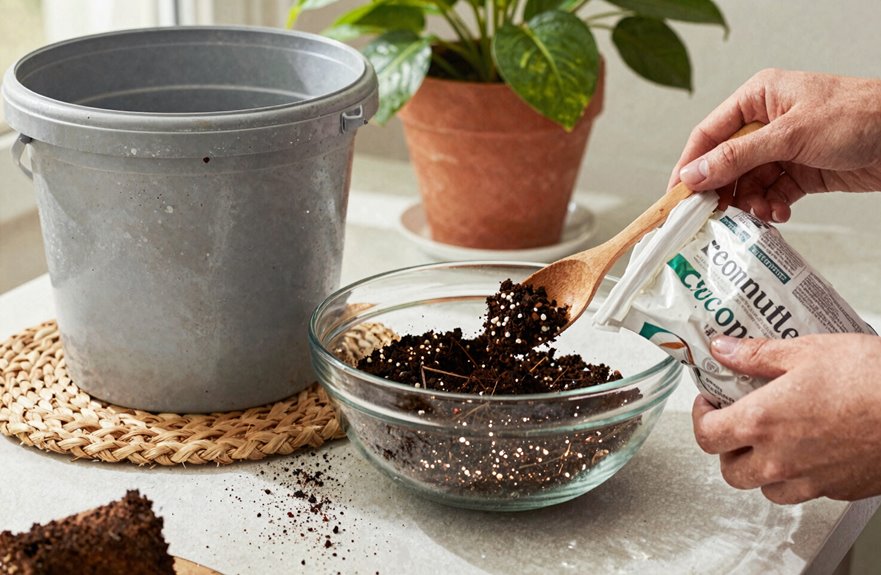
Now I’m part of a community that reconditions instead. This practice preserves the organic matter and nutrients already in my containers, cutting waste while delivering real cost-saving benefits season after season. I simply blend in compost, some fresh mix, and slow-release fertilizer to rebuild fertility and improve soil structure. Removing a portion of compacted old material lightens the mix and boosts drainage for healthier roots. Together, we’re proving that sustainable gardening delivers tangible results. It keeps our plants thriving and reduces our gardening expenses.

SUPERCHARGE YOUR GARDEN: Elevate your plants' growth with premium organic Brut Worm Castings. Our certified organic formula guarantees optimal nutrition for your indoor and outdoor plants.

Includes 10lb block of Back to the Roots compressed Coconut Coir that expands to 51qt of potting soil. A balanced pH, which means it’s truly all-purpose. Use alone or as an amendment for anything in a pot or in the ground — vegetables, flowers, herbs, and even starting seeds.
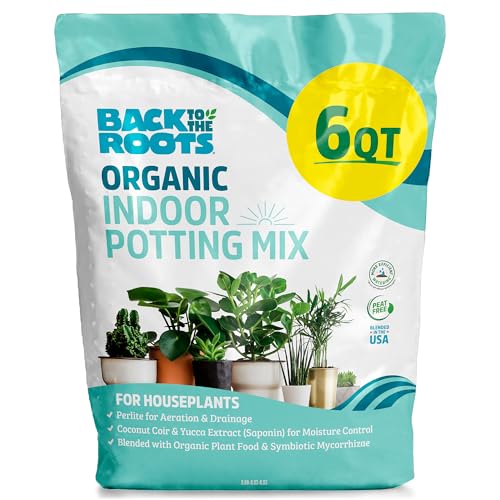
Includes 6qt of Back to the Roots Indoor Potting Mix. Our Potting Mix contains organic yucca extract that aids in retaining moisture in the soil which keeps your indoor plants happy and healthy
Test for Compaction, Drainage, and Salt Crusts
How do I know when my old potting soil’s ready for a refresh? I start by checking three critical trouble spots that tell me exactly what my mix needs.
Old potting soil speaks through three trouble spots—learn to read the warning signs before you refresh your mix.
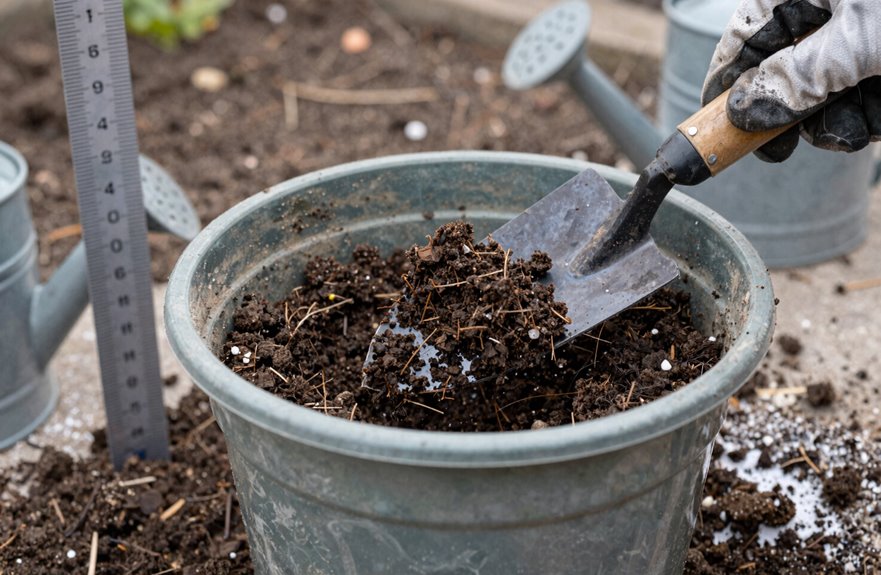
- I test for compaction by pushing a hand trowel into the soil; strong resistance means it’s time for intervention.
- I assess drainage by watering and watching. Quick percolation is good, but surface pooling signals poor drainage needing attention.
- I scan for white or gray salt crusts that reveal mineral buildup from fertilizers or hard water.
When I spot these warning signs, I know my reconditioning plan. Poor drainage calls for a compost-to-potting-soil mix to restore pore space. Salt crusts demand I rinse and flush the container thoroughly. These simple checks ensure my potting soil gets precisely what it needs before I proceed.

CONTINUOUS RELEASE NUTRITION: Osmocote Smart-Release Plant Food Plus Outdoor & Indoor1 granular fertilizer contains 11 essential nutrients and feeds live plants up to 6 full months

3 MONTHS OF FEEDING: Miracle-Gro Shake 'N Feed All Purpose Plant Food feeds plants for up to 3 months, and nourishes above and below the soil

🌿 Balanced 10-10-10 Granular Fertilizer for Outdoor & Indoor Plants: All-purpose plant food with 10% Nitrogen, 10% Phosphorus, and 10% Potassium. Perfect for outdoor vegetable gardens, fruit trees, evergreens, shrubs, lawns, and flowers. Also great for potted plants and indoor gardening. One solution for all your plant needs!
Remove 10–30% of Old Soil and Loosen the Rest
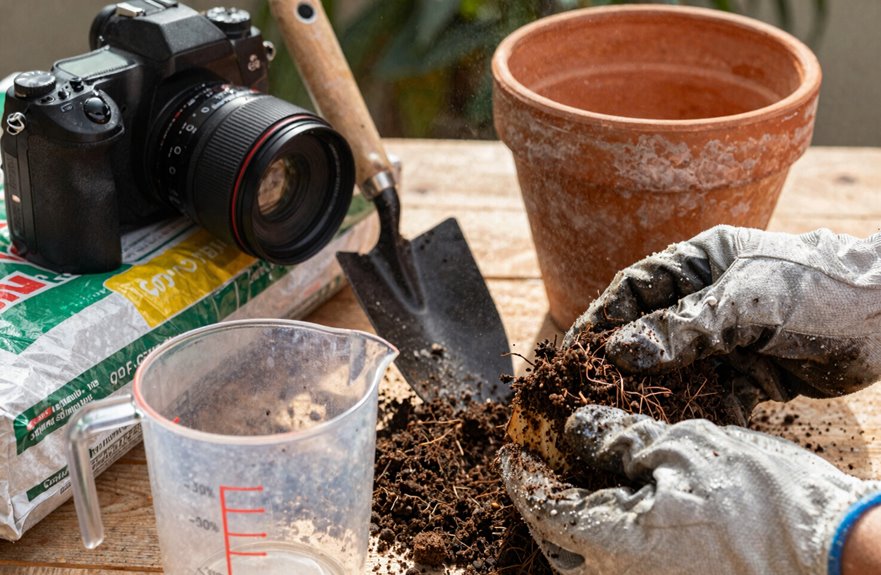
I start by scooping out roughly one-quarter of the old potting soil, about 10 to 30 percent depending on how compacted things look. This creates space to replenish what we’ve lost through watering and root growth. I set that old soil aside for later use.
Next, I loosen the remaining potting soil with my hands or a small fork, breaking up dense clumps. Aeration is essential. Roots need oxygen, and compacted mix suffocates them. I work gently around any established roots I want to keep.
Once I’ve fluffed everything, I’m ready to mix in fresh amendments. The combination of loosened existing soil and new material creates a strong foundation for healthy growth. Loosened soil and fresh amendments work together to revitalize the growing medium.

【Durable & Reusable】Plant root ventilation stakes are made of high quality PP material, which is thick and durable and will not deform easily. Plant root aeration tube can be reused season after season, brings value to both beginners and professional gardeners

Prevent Root Rot & Promote Healthy Growth: Our ventilation stakes create air channels deep in the soil, effectively improving drainage and air circulation to eliminate waterlogging, the primary cause of root rot, and support robust root development

Carbon steel blade and head for heavy duty use
Rebuild Fertility With Compost, Fresh Mix, and Slow-Release Fertilizer
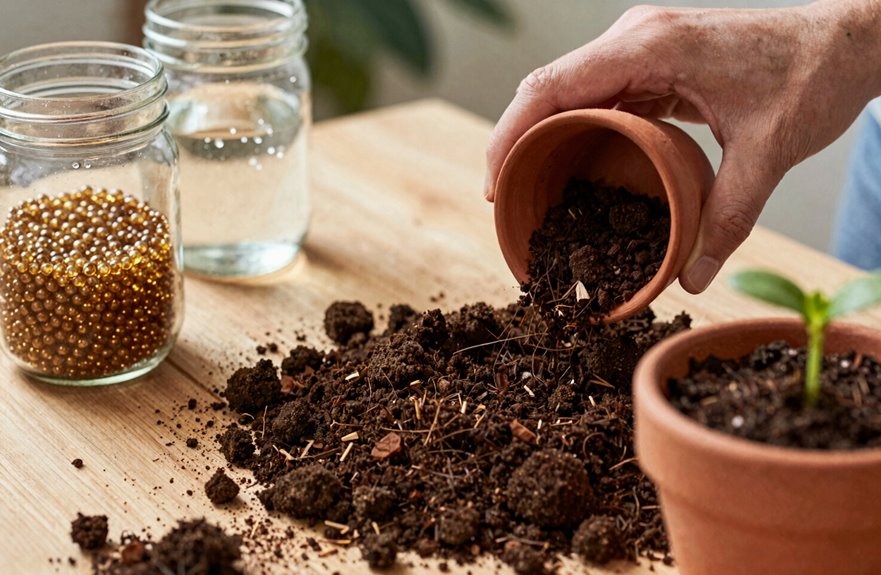
Why let depleted soil starve your plants when you can rebuild it from the inside out? Transforming tired containers requires blending the right ingredients into old potting soil.
What to add:
- Compost – Well-decomposed compost floods the mix with microorganisms and nutrients that jumpstart soil fertility
- Fresh potting mix – This restores volume, improves soil structure, and boosts moisture retention while diluting depleted material
- Slow-release fertilizer – Organic pellets feed plants for months, compensating for what’s been lost
Maintain gentle soil structure by combining everything without overpacking. Each season, replenish with small amounts of compost and fresh potting mix to sustain long-term fertility gradually. Plants will thrive in this revitalized growing medium.

Elegant & Functional Design: Timtopno Salt Cellar combines style and practicality. Its sleek bamboo design adds a refined touch to any kitchen or dining table, making it a...
Mulch to Protect Soil and Support Microbial Life
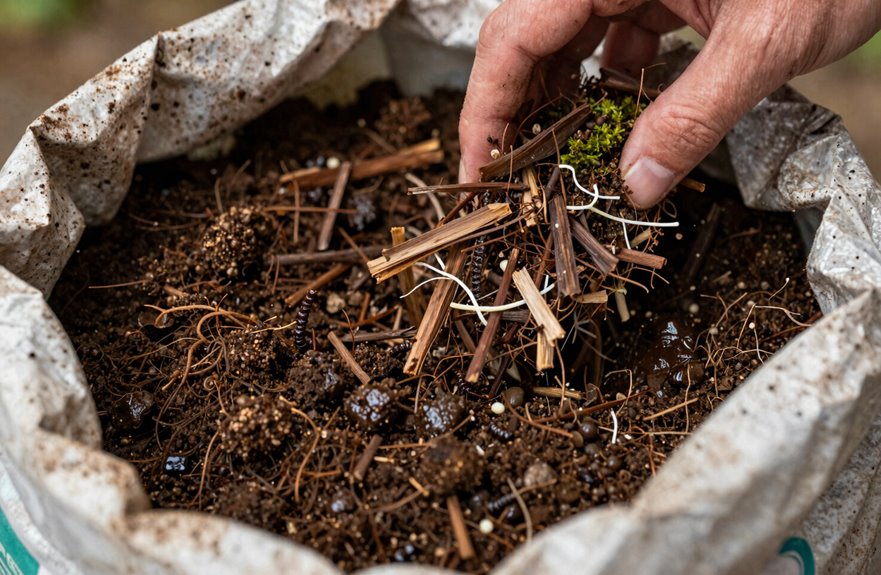
Where’s the benefit in all your soil revitalization work if moisture evaporates within hours and microorganisms bake in the sun? I spread mulch after adding compost and slow-release fertilizer to shield my amendments. This simple layer transforms everything.
| What We Risk Losing | What Mulch Gives Back | What We Gain Together |
|---|---|---|
| Thirsty roots crying for water | Moisture retention that sustains life | Plants that thrive because we cared |
| Silent, dying microbial life | Protected soil health beneath the surface | A living community we’re part of |
| Crusted, lonely soil surface | Organic matter feeding future growth | Connection to something bigger |
| Washed-away nutrients | Soil surface protection that holds on | Purpose in every handful |
Shredded leaves, straw, or wood chips decompose gradually, returning organic matter while supporting microbial life. I replenish yearly to maintain moisture retention. We’re not just gardening; we’re building soil health together, one protective layer at a time.

INDOOR GROWING: Growing indoors is easy under the right conditions; Miracle-Gro Houseplant Potting Mix is an indoor plant potting soil that combines key elements container plants need to thrive
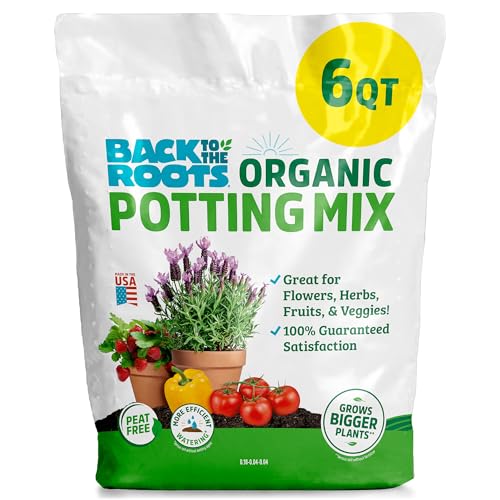
Includes 6qt of Back to the Roots Premium Blend Potting Mix. 100% Organic and Peat-Free, made from upcycled plant matter and wood fines from across the U.S. No imported peat, just better soil with a lighter carbon footprint.
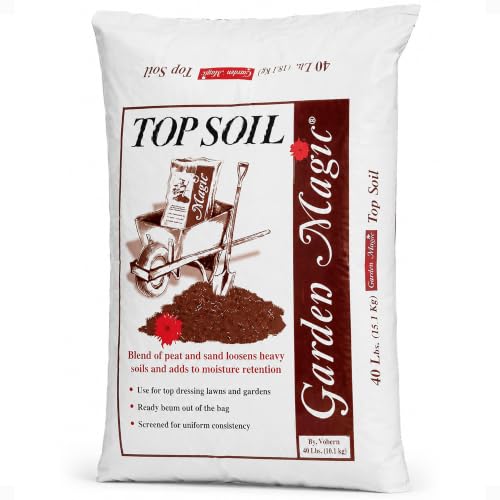
Ready-to-Use for All Planting Needs: This general-purpose potting soil is ready to use out of the bag, perfect for both indoor and outdoor planting without any extra prep