Modern farmhouse flooring runs from under a dollar per square foot for laminate to real stone that costs several times that, and the right choice depends less on budget than on which room you’re standing in.
A mudroom with kids and dogs might get waterproof LVP with a hand-scraped surface; a sitting room meant to feel decades old could use terracotta that stains if spills sit, and both show up in the options below.
The 7-inch plank width that defines wide plank hardwood, and the 6- to 7-inch width that hits the same scale in vinyl, show up again and again across these fourteen ideas because farmhouse proportions matter as much as material.
[link-whisper-related-posts]1. Wide Plank Hardwoods
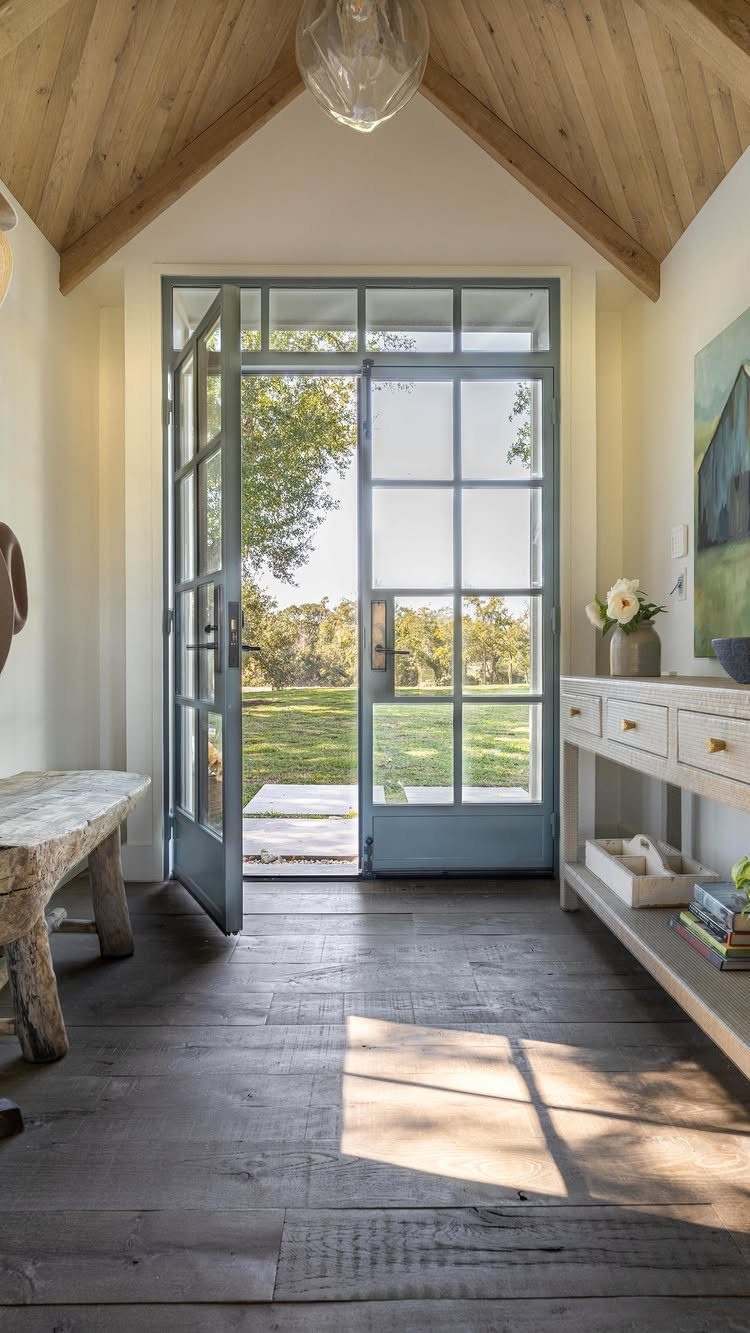
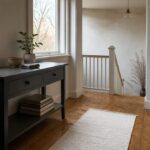
Wide plank hardwood starts at 7 inches across, and some boards run to 8.
Solid hardwood takes dents and refinishes them out decades later. Cost and moisture sensitivity are the drawbacks: kitchens and mudrooms need careful sealing, and basements are usually out.
For high-traffic areas with kids or dogs, I’d look at engineered wide plank instead; same look, more stable core.
Mohawk’s RevWood Plus line mimics this convincingly at lower cost if the budget’s tight.

Planks click together easily, no glue or nails needed.

Genuine French Oak Construction: Crafted from authentic French Oak, offering natural elegance and character.

Realistic Visual Effects: SULSUMIC flooring faithfully replicates authentic wood grain and natural hues, offering a look and feel that rivals solid wood. It instantly elevates your home’s aesthetics, creating a warm and comfortable living space
2. Stained Wood Flooring
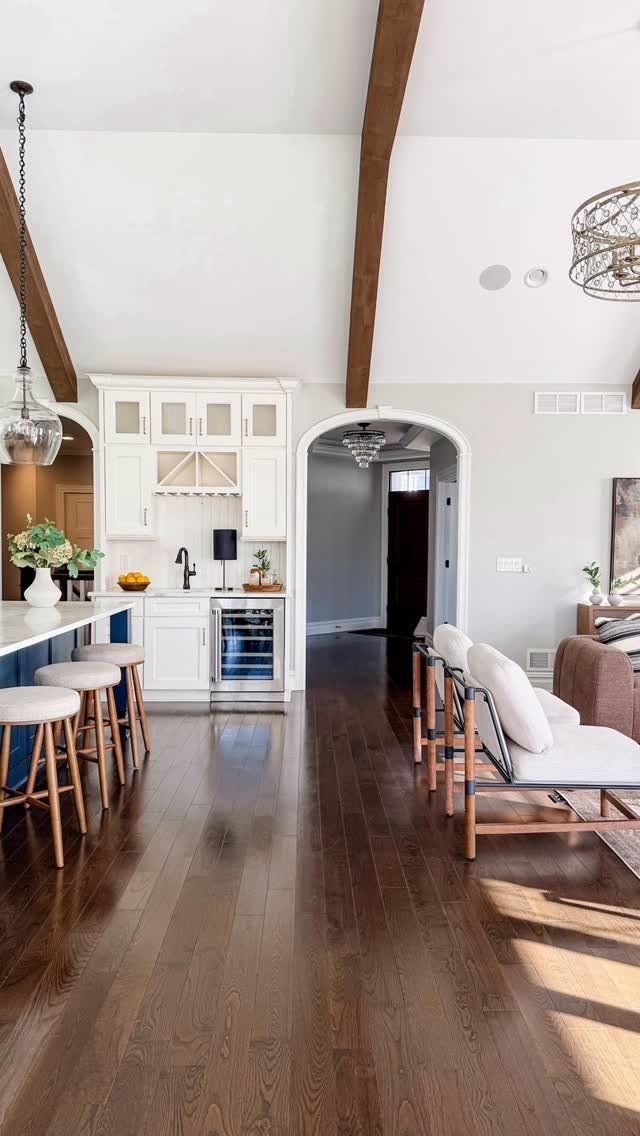
Reactive staining, fuming, and dual staining build color in layers rather than slapping on a single uniform coat. The result reads as time-worn, not factory-fresh, which is exactly what farmhouse flooring needs.
Prefinished hardwood with these techniques costs more than site-finished, but you skip the sanding dust and cure-time wait. I’d put this in living areas and bedrooms where the floor shows, not utility spaces where no one looks down.
Pair it with white or soft blue cabinetry if you want the room to feel current rather than themed. The dark stain against light cabinets is what makes the combination work.

🏠DETAILS: 15.8x78.8 Inch, total 8.65 sq.ft (40cmX2m) Made of durable thin vinyl, thickness: 0.015 In (0.4MM). Peel and stick wood planks vinyl flooring roll, brown shiplap planks color. Waterproof. Removable.

Chic Design & Wood Texture - Classic herringbone pattern with realistic wood grain texture, combining classic charm with the rustic beauty of natural wood, add a touch of earthy warmth to your interiors.

【Large Size&Double Width】: The gray peel and stick floor tile is designed in a large, each vinyl flooring measures 11.8” x 590” with a thickness of 0.025”, covering approximately 48.4 Sq.Ft. Compared with traditional flooring planks, vinyl flooring roll minimizing the need for frequent seams, creating a smooth, continuous finish without any visual breaks, making it easy for you to renovate bedroom, living room, saving significant time and labor costs.
3. Farmhouse Laminate Flooring
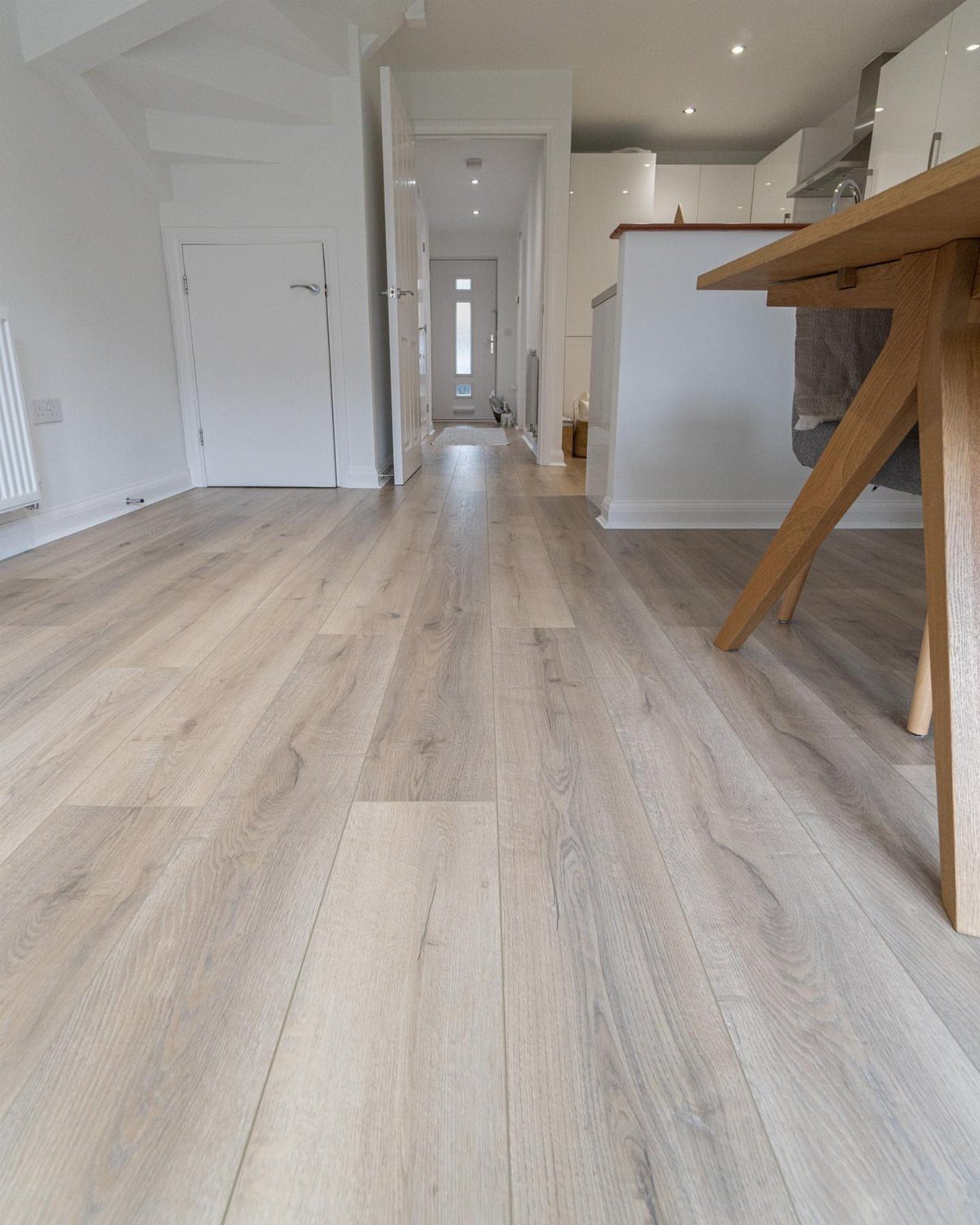
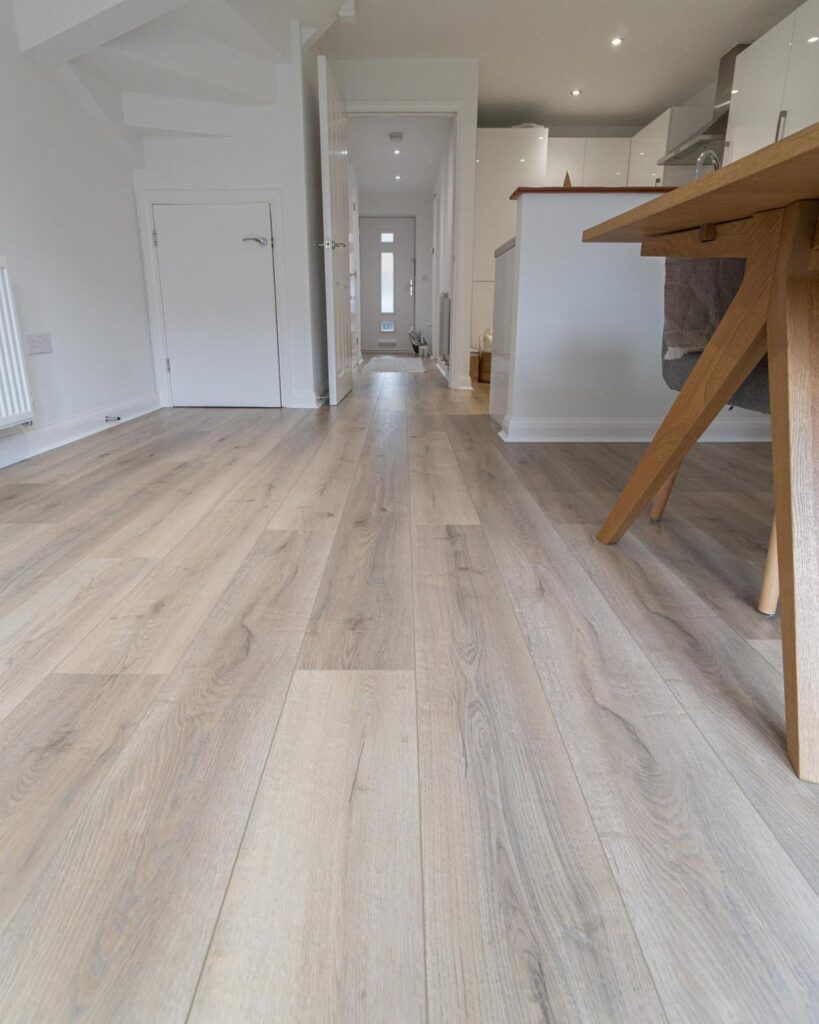
Laminate that looks like wood has improved dramatically; emboss depth and grain variation now separate the convincing from the plastic. Beauflor’s Oterra runs nearly 8 inches wide with an attached pad, which quiets footsteps and softens hours at the stove.
Water resistance is non-negotiable in kitchens. Standard laminate swells at the seams; at minimum, choose a water-resistant core, and wipe up spills same-day.
This suits renters and first-home owners hardest. The cost gap against real hardwood is substantial, installation is weekend-friendly, and the wear layer handles moving furniture and pet nails better than you’d expect.

Tile Dimensions and Construction: 4x4 Tumbled Travertine tile with rounded edges and 3/8 inches thickness

3" x 6" Tumbled natural stone travertine, Creamy light tones, each piece is different from each other

Safe for All Natural Stone Floors: Specially formulated for limestone, travertine, marble, granite, slate, sandstone, quartzite, flagstone, and all other sealed and unsealed natural stone flooring
4. Natural Stone Flooring
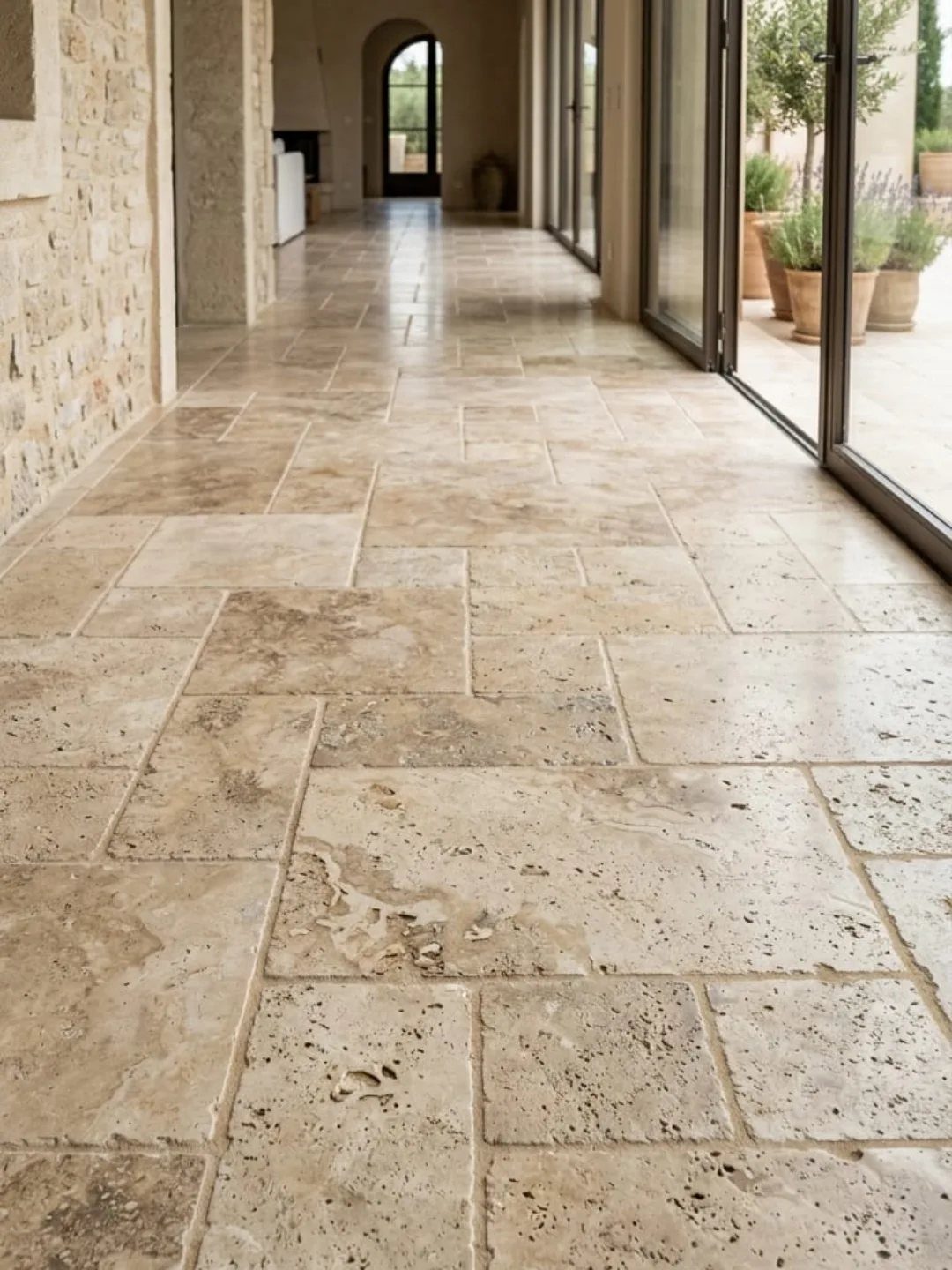
Stone floors read as older and more grounded than wood, which works in kitchens and bathrooms where you want that weight. Travertine, slate, or limestone each carry different maintenance: slate needs sealing, travertine etches with acid, limestone is softer underfoot.
In smaller rooms, I’d run larger format tiles with tighter grout lines to keep it from feeling busy.
Real stone is cold, hard, and pricey. Vinyl plank and laminate now imitate it closely enough for most budgets, and they’re warmer underfoot.
Choose real stone if the house already has stone walls or a patio you want to visually connect.

Includes 10 Pieces Per Case | 23.77 Square Ft. Per Case | Case Weight Approximately 42.06 lbs

Heavy duty wear protection: 0.55mm (22mil) thick wearlayer and UV coating, ensuring your floor will maintain the best color along with premium wear and scratch resistance. 100% Waterproof.

Heavy duty wear protection: 0.7mm (28mil) thick wearlayer and UV coating, ensuring your floor will maintain the best color along with premium wear and scratch resistance. 100% Waterproof.
5. Herringbone Pattern Flooring
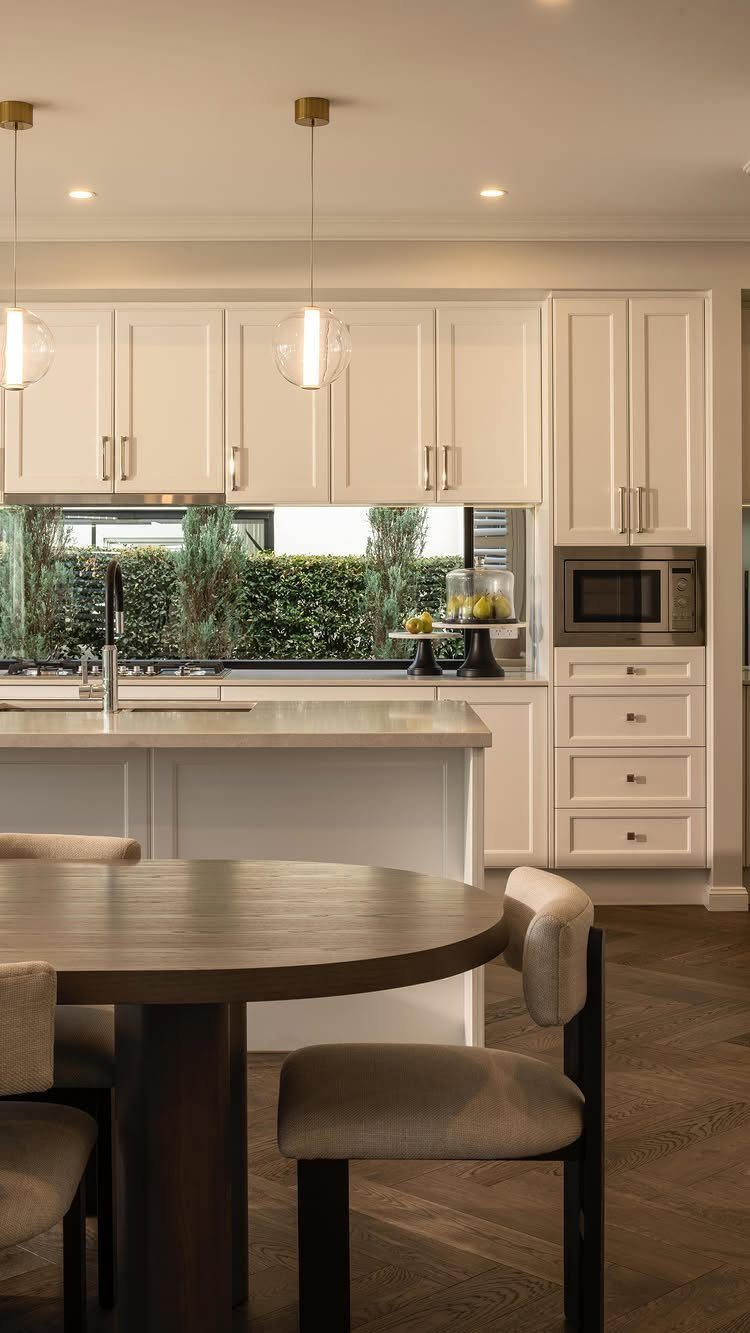
Herringbone reads as intentional craftsmanship without demanding bold color or high contrast. The 45-degree angle catches light differently across the day, which adds life to otherwise neutral rooms.
Wood-look tile and LVP handle this pattern well; laminate’s locking system fights angled cuts, so I’d skip it here. The installation takes longer than straight-lay, and waste runs higher, so order extra material.
This suits a kitchen or mudroom where the floor is a focal point. In open-plan spaces, I’d keep the pattern to a defined zone; running it wall-to-wall in a large area can feel restless.
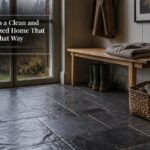
A gray slate herringbone at an entry sets the tone without overwhelming what comes after.

A global leader in flooring including carpet, wood, and vinyl

A global leader in flooring including carpet, wood, and vinyl
Used Book in Good Condition
6. Luxury Vinyl Plank (LVP)
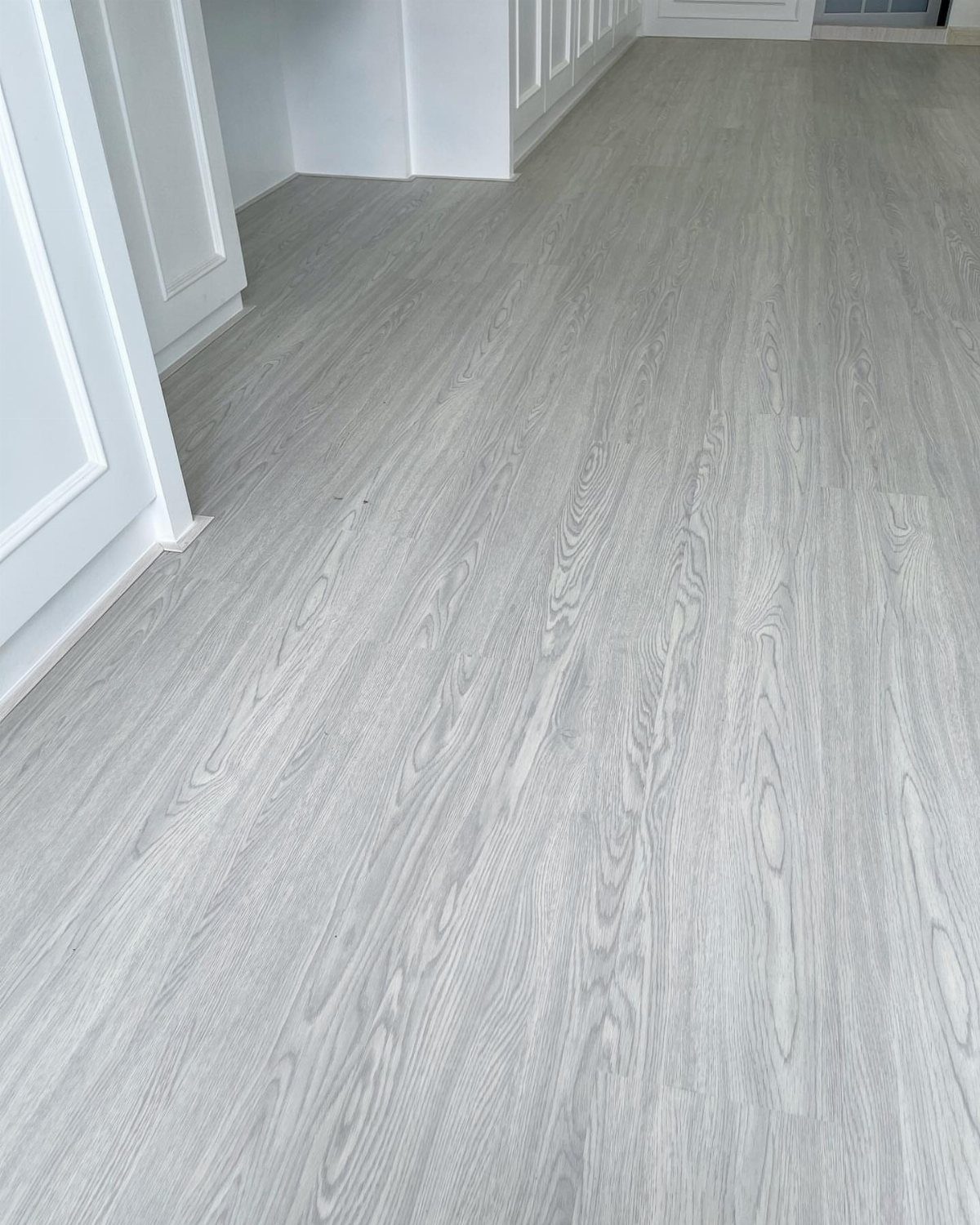
LVP is where most farmhouse floors land now, and the reasons are practical: waterproof core, forgiving installation, and convincing texture at half the hardwood cost.
The 6- to 7-inch plank width hits the farmhouse scale; narrower reads formal, wider reads contemporary.
Surface matters more than color. Hand-scraped or wire-brushed emboss gives the slight irregularity that farmhouse needs; smooth flat finishes belong elsewhere.
Shaw’s Floorte and Mohawk’s SolidTech both run American-made with strong cores.
Warm oak, amber, or aged hickory tones work. I’d avoid cool gray; it pulls contemporary and undercuts the warmth that defines this style.
For households with kids, dogs, or both, this is the floor I’d pick first.

【Large Size&Double Width】: The brown peel and stick floor tile measures 11.8” x 118” with 0.025” thickness, covering 9.6 Sq.Ft. Vinyl flooring effectively reduces splicing seams compared with traditional planks, forming a smooth and continuous surface. It greatly simplifies room renovation and saves your time and labor costs.

𝐄𝐟𝐟𝐨𝐫𝐭𝐥𝐞𝐬𝐬 𝐃𝐈𝐘 𝐈𝐧𝐬𝐭𝐚𝐥𝐥𝐚𝐭𝐢𝐨𝐧:Achieve a seamless upgrade with our peel and stick floor tiles. No grout, glue, or special tools needed. Simply peel the self-adhesive backing and stick the vinyl flooring directly onto clean, smooth subfloors. Easily trimmed with scissors for a perfect fit around corners and edges. The flexible planks allow for custom splicing patterns, making it the ultimate renter-friendly and easy flooring to install solution for any DIY enthusiast

[Realistic Wood Grain with DIY Options]: With a super realistic wood grain appearance and various color options, these tiles meet personalized decorative needs. They are versatile enough for use in homes or commercial spaces, suitable for shop decoration, rental renovations, and RV flooring projects.
7. Wood-Look Tile
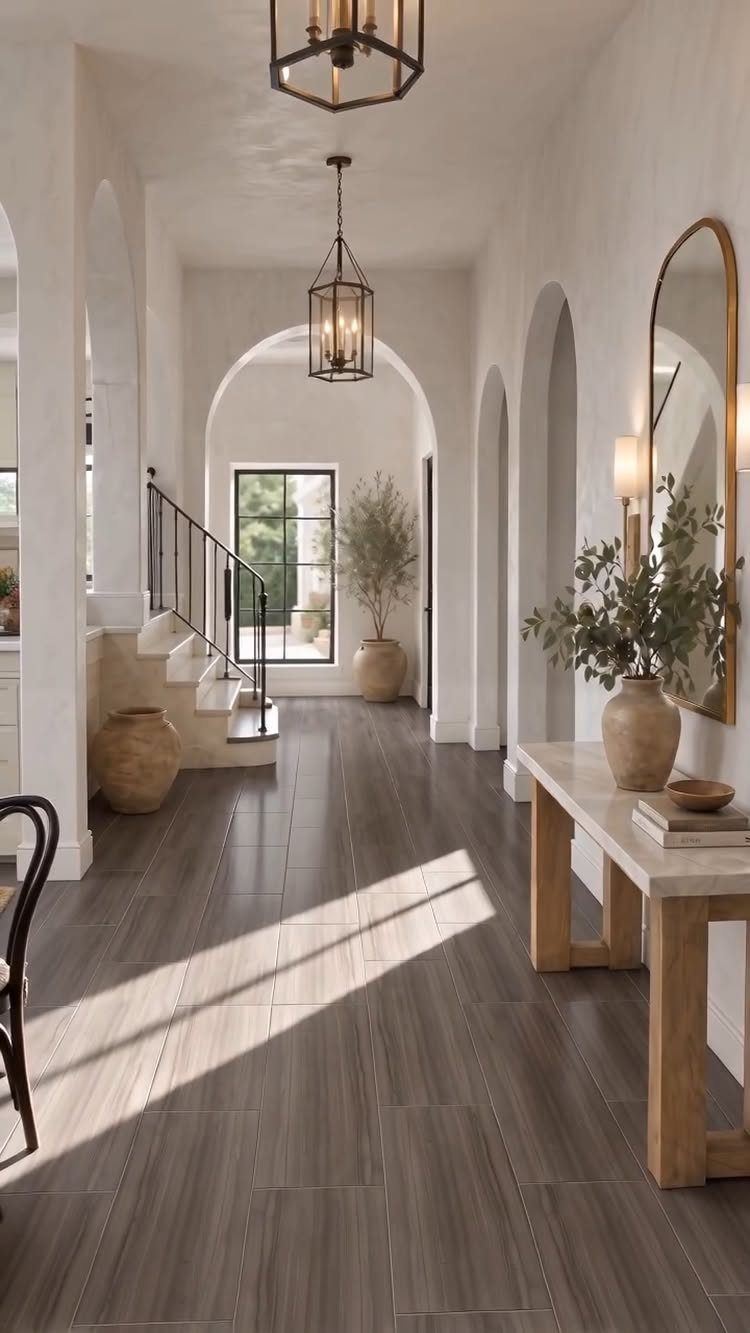
Wood-look tile handles the spots where real hardwood gives up: mudrooms, kitchens with old plumbing, bathrooms that steam. Plank format and grey-brown tone read as aged oak or weathered pine, but the material is porcelain through and through.
Grout color makes or breaks the illusion. Warm sand or light beige lets the planks read as continuous boards; dark or high-contrast grout turns the floor into a visible grid that shifts contemporary fast.
Cost runs higher than LVP and the install takes longer, since tile needs a level subfloor and setting time. For a back porch conversion or a galley kitchen with moisture issues, I’d pick this over waterproof vinyl every time.
The floor shrugs off water, traffic, and dropped pots without a care.

LONG LASTING REPAIRS: Convenient kit quickly repairs holes, voids, cracks and missing travertine fill


Mosaic Tile Specifications: 2X2 Tumbled Walnut Travertine Mosaic with antiqued, rounded edges for a classic old world appearance
8. Checkerboard Tile
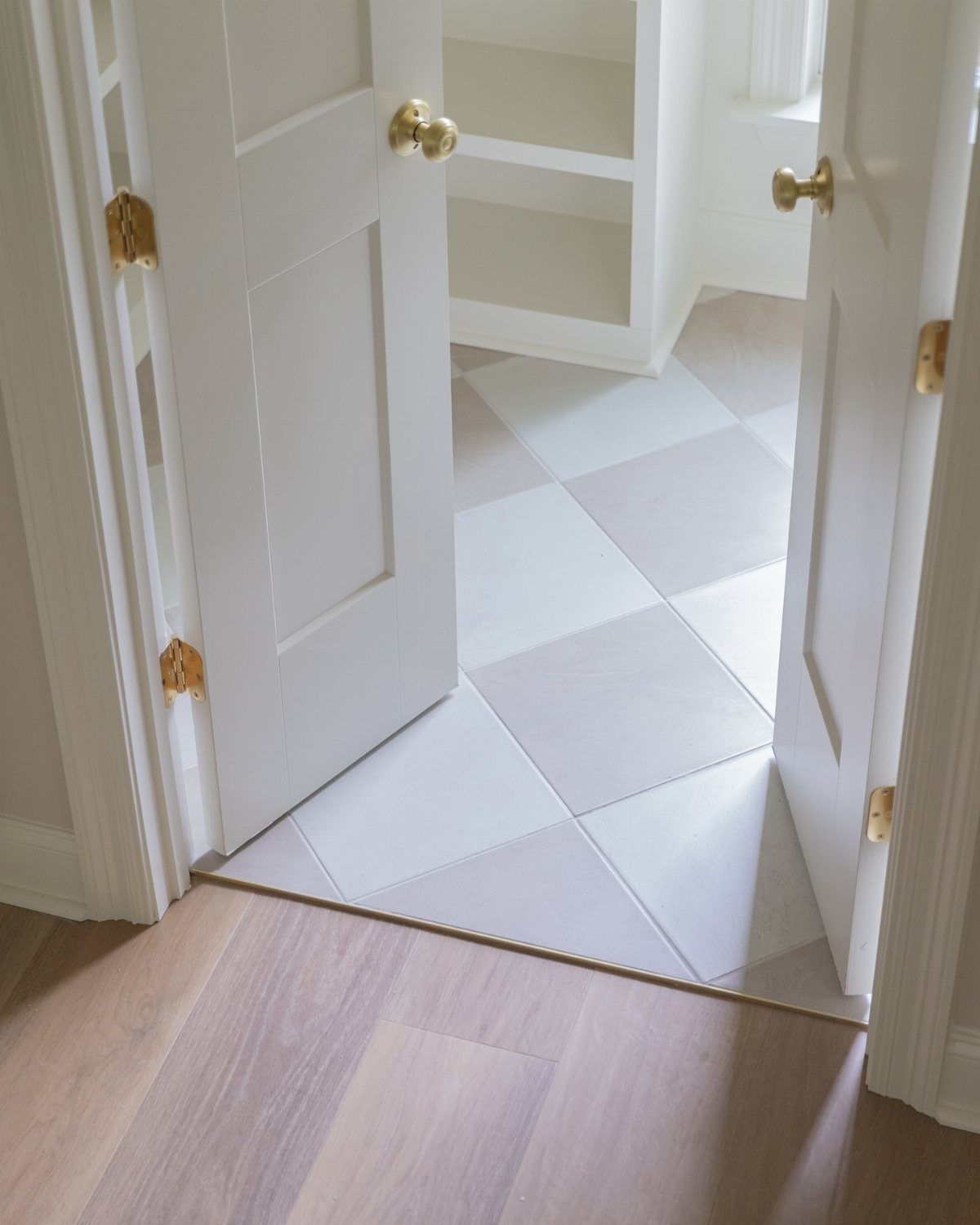
Checkerboard reads as farmhouse heritage without demanding actual age.
Muted grey and white tiles set on the diagonal keep the pattern from feeling like a diner floor; the neutral tones let it sit quietly against light wood in the next room.
Large format squares suit open spaces and keep the busywork down; smaller tiles work in entries or powder rooms where the floor is a focal point.
Vinyl or ceramic both run cheaper than stone, and either cleans with a mild solution wiped up promptly.
I’d use this where the house needs a moment of structure: a long hallway, a transition between living and kitchen zones. It is not subtle, so give it room to breathe.

FOR USE INDOORS: Ideal for home, office and in temperature-controlled environments only. Can be used in any room in your home such as kitchens, dining rooms, bedrooms, bathrooms, foyers and basements

Scratch & Wear Resistance: This vinyl plank comes with a 0.3mm wear layer that passes 15,000 abrasion cycle tests. It effectively guards against scratches and dents brought by rolling chairs. It keeps intact for years in high-traffic living rooms and fits families with pets and kids.
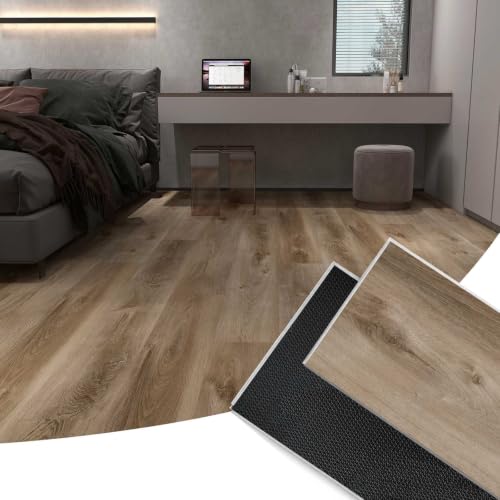
Scratch & Wear Resistance: This vinyl plank comes with a 0.3mm wear layer that passes 15,000 abrasion cycle tests. It effectively guards against scratches and dents brought by rolling chairs. It keeps intact for years in high-traffic living rooms and fits families with pets and kids.
9. Terracotta Tiles
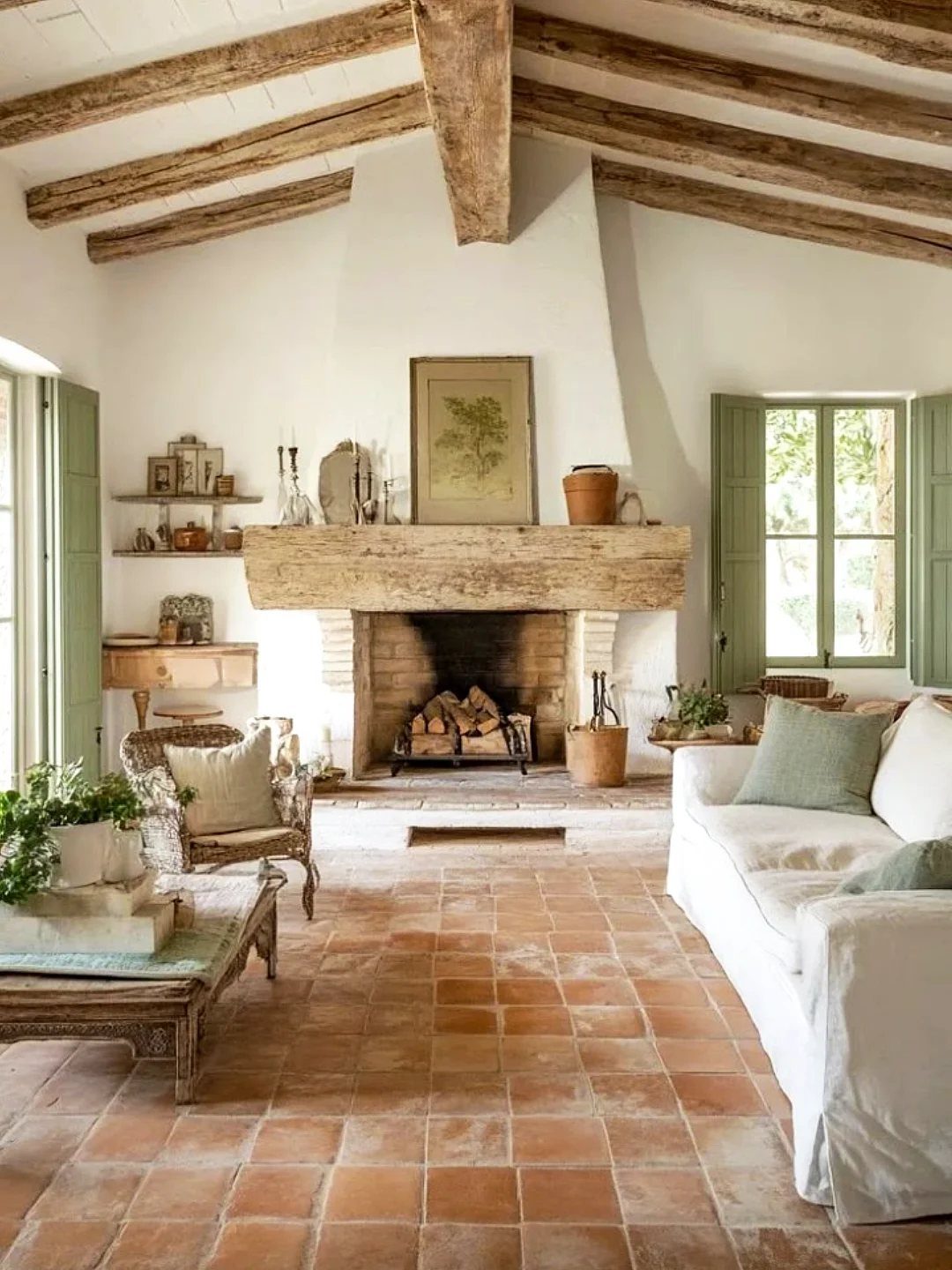
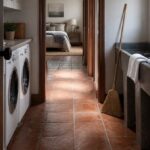
Terracotta carries the warmth that farmhouse style keeps reaching for, but from clay fired hard rather than wood cut soft. Staggered layout adds movement; a herringbone would push the same tiles toward something more intentional and less rustic.
These tiles need sealing, and they stain if spills sit. A mild cleaner, nothing acidic, keeps the surface intact.
The texture underfoot is part of the appeal, though it means dust settles in the pores and needs regular sweeping.
I would not put terracotta in a busy kitchen or a house with heavy dog traffic.
It suits a sitting room, a bedroom, or anywhere the floor is meant to feel like it has been there for decades and will outlast the furniture. The color shifts with age, which is the point.
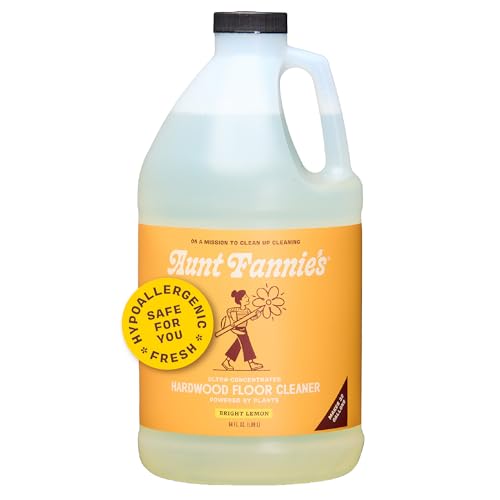
Safely clean hardwood floors with this concentrated, vinegar-free, all natural floor cleaner that breaks down dirt, food, grease and grime.

Planks click together easily, no glue or nails needed.

Aunt Fannie's Hardwood Floor Cleaner: Contains 32 ounces of lemon-scented natural plant-based floor cleaner that leaves floors sparkling without the use of harsh chemicals
10. Black and White Penny Tile
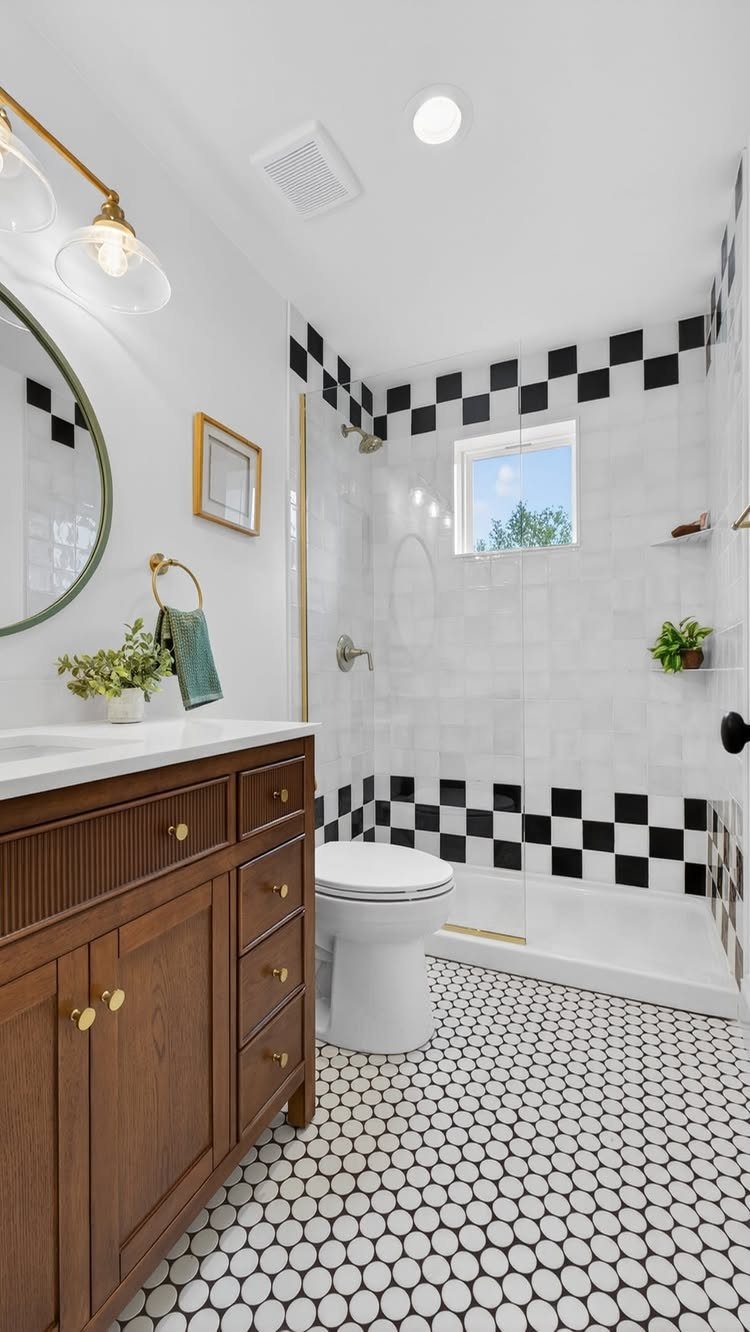
Penny tile is small, round, and slow to install, which keeps it from showing up everywhere. White field with dark grout gives the bathroom floor texture without pattern; black accents in the shower echo it without repeating it exactly.
Grout color is the design decision here. Dark grout defines each coin and adds graphic weight; white grout softens to a textured field that reads almost as carpet.
Either way, the slope to the drain needs care, since dozens of grout lines can pool water if the pitch is off.
This is a bathroom floor, primarily. The scale is wrong for large rooms, and the install cost reflects the labor.
For a powder room or a primary bath where the vanity is natural wood and the hardware is brass, the combination lands exactly where modern farmhouse lives right now.
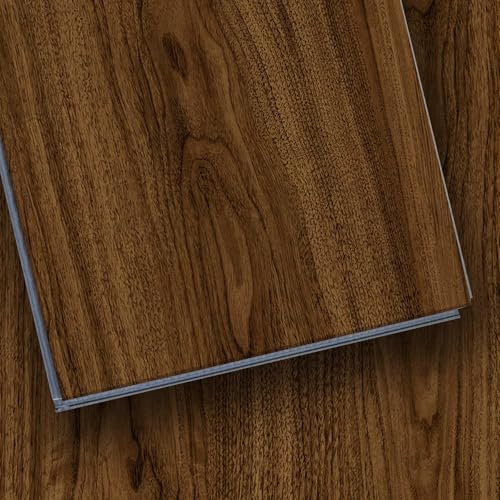
【Ultra-Durable & Pet-Friendly】With a 0.3mm wear layer tested over 15,000 abrasion cycles, this luxury vinyl plank flooring resists scratches, dents, and spills. Ideal for busy homes with pets and kids, it stays beautiful for years even in high-traffic areas.

【Sizes & Package】 You will receive 40 sheet Vinyl Flooring, which measuring 11.8x11.8 inch each, with a thickness of 0.05inch / 1.3mm. Cover around 40 square feet with this value package.

【Size and Coverage】 Each peel and stick floor tiles measures 36 x 6 inches with a 0.05-inch thickness. One pack of 20 vinyl flooring covers up to 30 sq.ft., making stick on floor tiles a budget-friendly flooring solution. Packaged flat to prevent warping or damage, our flooring tiles arrive intact and ready for immediate installation.
Maintenance Tips for Flooring
Sweep or vacuum at least weekly, more often at entryways where grit collects. Dirt underfoot is what scratches finish over time, not the walking itself.
Felt pads under every furniture leg cost a few dollars and save the cost of refinishing. Check them twice a year; they flatten and pick up grit that then grinds into the surface.
Hardwood and laminate both suffer from standing water. A damp mop, well wrung, cleans without wicking moisture into seams.
Spills need immediate attention, especially near dishwashers and sinks where slow leaks go unnoticed.
Durability and Practicality
Kitchens and bathrooms need material that handles both traffic and water.
The water-resistant version belongs in kitchens where spills are inevitable.
Installation Considerations
Wide planks and reclaimed wood reward professional installation. Both materials expand and contract unevenly, and the tolerances for gapping are tight.
A crew with experience in these specific materials has the tools to acclimate boards properly and handle irregular edges.
Straight-lay laminate or LVP in a rectangular room is weekend work for a careful homeowner. Herringbone, angled cuts, or any pattern that generates waste needs more planning and more material ordered up front.
Level matters for every material. Tile needs a flat subfloor; plank floors telegraph humps and dips over time.
Check with a long level before opening boxes, not after.
Color Coordination
Under those, medium warm oak pairs without fighting the cabinet color. Cool gray flooring against sage green flattens both; I would skip that pairing.
Natural wood cabinetry, open-grain oak, walnut, or maple, pairs best with a floor in the same tonal family but clearly lighter or darker. Matching wood tone to wood tone collapses into a single unreadable block.
Choosing neutral tones is a safe and stylish option for your farmhouse home. Light oak hardwood floors offer a soft, subtle backdrop that highlights other room elements, like a vintage dining table and a modern woven pendant light.
— Yahoo!
Frequently Asked Questions
What is the best flooring for a farmhouse kitchen?
Luxury vinyl plank, laminate, or wood-look tile handle the reality of farmhouse kitchens best.
Where I live, the back door opens straight into the kitchen, so porcelain wood-look tile went in that zone instead; it takes wet boots, muddy dog paws, and a dropped cast-iron skillet without a chip or a swell.
Can I use tile in a farmhouse kitchen?
Yes, and wood-look porcelain is the smartest choice where moisture or old plumbing makes wood risky.
Plank format in grey-brown tones reads as aged oak, but you need warm sand or light beige grout to keep the planks reading as continuous boards rather than a visible grid.
What trend is replacing modern farmhouses?
The style is not being replaced so much as refined.
The reclaimed-barn phase has settled into something more livable: planks got wider, tones went warmer and more natural, and the cores underneath turned into something that handles a spilled sippy cup or a rainy weekend without drama.
For flooring specifically, the shift is away from narrow reclaimed strips toward 7- to 8-inch planks with hand-scraped or wire-brushed texture.
What is the newest trend in flooring?
Hand-scraped and wire-brushed embossing on LVP has gotten good enough that I pause to look twice, and wood-look tile keeps improving for the spots where I know real wood would cup or stain within a year.
Six to seven inches is the plank width that feels right in most farmhouse rooms I’ve been in; go narrower and the room turns formal, go wider and it starts leaning contemporary.
Surface texture matters more than color now, since smooth flat finishes belong to other styles entirely.