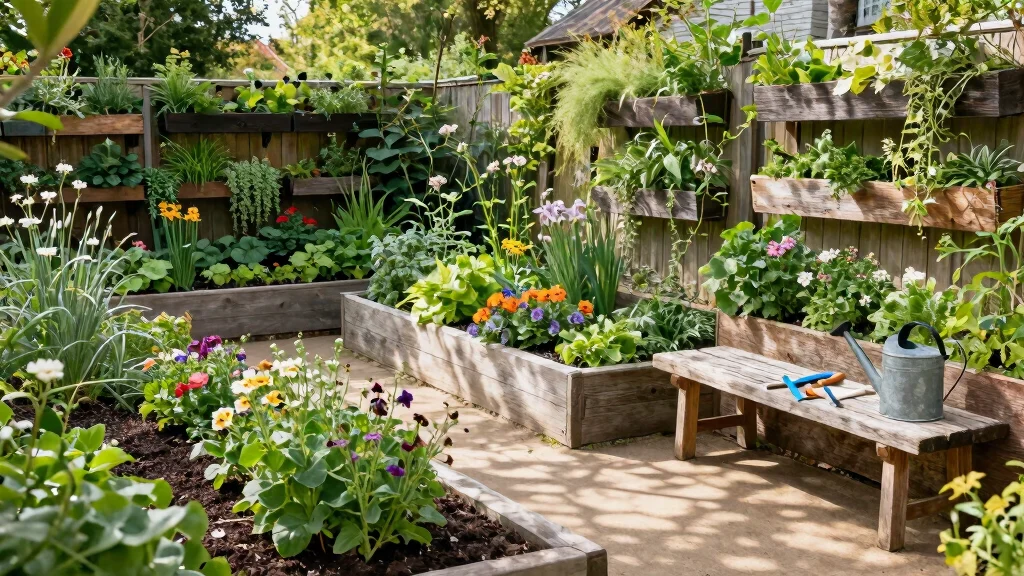
Creating a beautiful garden has a way of making us feel grounded and connected to nature. If you’ve been daydreaming about your outdoor spaces and how to elevate them, you’re in the right place. As gardening enthusiasts, we often crave ideas that combine beauty with functionality. That’s why I’ve compiled this post dedicated to garden design raised beds. They not only enhance the visual appeal of your garden but also make gardening more accessible and organized.
If you’re a homeowner, a gardening newbie, or even someone looking to spruce up your outdoor decor, these ideas will inspire you. You will find something here that resonates with your personal style and gardening goals. Whether you want to grow vegetables, flowers, or herbs, raised beds offer countless advantages. They create defined spaces, promote better soil drainage, and can even reduce the strain on your back.
In this post, I pulled together 18 creative raised bed ideas that are stunning and practical. From tiered designs to portable options, there’s something for every taste and space. You’ll not only discover various styles of raised beds but also learn tips on how to implement sustainable gardening practices. Let’s dig in!
Key Takeaways
– Diverse Styles: Explore different raised bed styles, including tiered, rustic wood, and metal options, to match your garden aesthetic.
– Space Management: Discover how raised beds can help you maximize space in smaller gardens while providing organized beauty.
– Sustainable Practices: Learn tips on how to incorporate sustainable gardening practices into your raised bed designs for eco-friendly growth.
– Child-Friendly Options: Find out about raised bed designs specifically tailored for children’s gardening, promoting hands-on learning and fun.
– Practical Layouts: Gain insights into effective garden layout ideas that include pathways and modular systems for ease of access and maintenance.
1. Tiered Raised Beds for Vertical Gardening
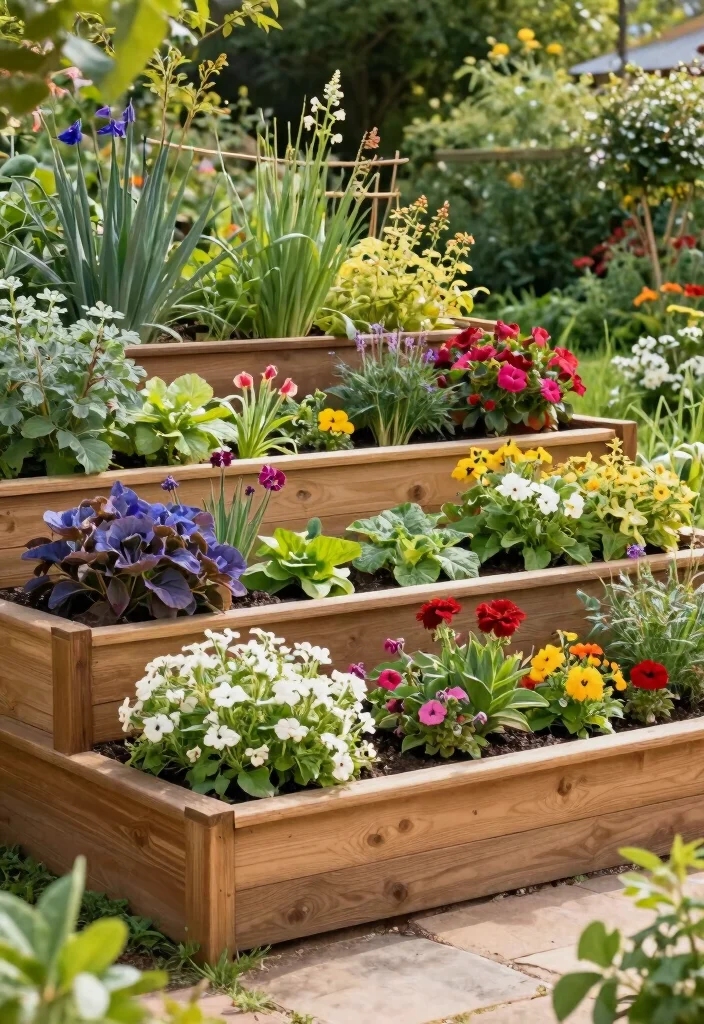
Tiered raised beds beautifully combine functionality and aesthetics, allowing you to maximize vertical space in your garden. This design is perfect for smaller yards, as it offers multiple layers of planting without consuming valuable ground area. The varying levels create a stunning visual appeal, especially when filled with a mix of colorful flowers, aromatic herbs, and fresh vegetables. Each tier ensures that plants receive adequate sunlight and drainage, promoting healthy growth.
To make the most of tiered raised beds, consider using reclaimed wood or stone for a natural look. You can also explore budget-friendly options like using cinder blocks or pallets. This design not only fosters creativity but also aligns with current eco-friendly gardening trends.
Consider these tips to create your tiered raised bed masterpiece:
– Pair different plant heights for an eye-catching display.
– Install trellises on the upper tiers for climbing plants.
– Use quality soil to support healthy plant growth.
– Incorporate drip irrigation for efficient watering.
By adopting this design, you’ll create an enchanting garden space that encourages sustainable practices while showcasing your favorite plants.
Tiered raised beds make vertical gardening feel doable. Smart garden design raised beds let you maximize space, bloom more, and harvest herbs and veggies with less ground impact. Start with three levels: sun on top, herbs in the middle, greens below; rotate annually.
Key Trade-offs & Our Top Pick
Option 1: Tiered Raised Beds for Vertical Gardening
– Pros:
– Maximizes space by allowing planting at different heights.
– Aesthetic appeal enhances outdoor decor.
– Cons:
– Can be more expensive due to additional materials.
– Requires more planning for effective layout.
– Best for: Gardeners with limited space who want to cultivate a variety of plants vertically.
Option 2: Rustic Wooden Raised Beds
– Pros:
– Natural look blends well with gardens and landscapes.
– Cost-effective if using reclaimed wood.
– Cons:
– Wood may rot over time and require replacement.
– Can attract pests if not treated properly.
– Best for: Homeowners who prefer a classic, earthy aesthetic in their garden design.
Option 3: Metal Raised Beds for Modern Appeal
– Pros:
– Durable and long-lasting, resistant to rot.
– Heats up quickly, promoting plant growth in cooler climates.
– Cons:
– Can get hot in the sun, potentially stressing plant roots.
– Limited color choices compared to wood.
– Best for: Gardeners looking for durability and a sleek, contemporary design.
Option 4: Vertical Garden Wall Systems
– Pros:
– Perfect for urban settings with minimal space.
Provides a unique and modern look to outdoor decor.
– Cons:
– Initial setup can be complex and labor-intensive.
May require more maintenance to keep plants healthy.
– Best for: City dwellers wanting to maximize gardening in tiny spaces.
Option 5: Self-Watering Raised Beds
– Pros:
– Reduces the frequency of watering, saving you time.
Encourages healthy root development through consistent moisture.
– Cons:
– Higher upfront cost due to the complexity of the design.
Requires proper installation to function effectively.
– Best for: Busy gardeners who want to simplify plant care while ensuring healthy growth.
Expert Recommendation:
Best Overall: Tiered Raised Beds for Vertical Gardening
This option is our top pick for most people because it combines aesthetics with functionality. You can grow a variety of plants without taking up a lot of horizontal space, making it perfect for small yards or patios. It also has a wide appeal, fitting into various garden layouts. The initial investment is worth it for the beauty and creativity it brings to your outdoor space.
Why We Picked This:
While tiered raised beds are a great fit for many, some may prefer rustic wooden beds for their charm and lower costs. If you lean toward a modern look, metal beds could be your choice for their durability. If you have limited time for maintenance, self-watering beds can save you effort. Each option has unique qualities, so consider your gardening style and preferences before deciding.
2. Rustic Wooden Raised Beds
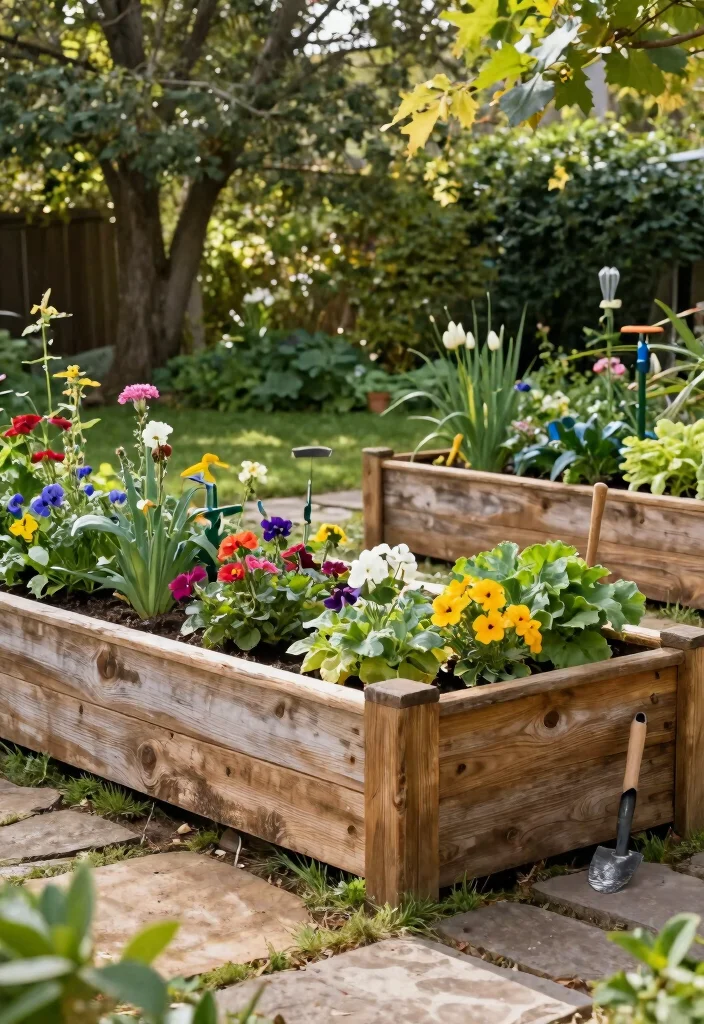
Rustic wooden raised beds evoke a sense of warmth and natural beauty, making them a beloved choice for garden enthusiasts. Crafted from reclaimed wood or untreated timber, these beds effortlessly blend into any outdoor landscape. Their charming design not only highlights the organic textures of wood but also invites a cozy, welcoming atmosphere. When filled with vibrant flowers or fresh vegetables, they transform into stunning focal points in your garden.
To create your rustic wooden raised beds, consider using local timber suppliers or even repurposing old pallets. This approach not only supports sustainability but also adds character to your outdoor space. With easy customization options, you can adapt the design to fit your unique style and preferences.
Here are some practical steps for building rustic wooden raised beds:
– Choose untreated wood for a natural look.
– Assemble the wood into rectangular frames for stability.
– Fill with nutrient-rich soil for optimal plant growth.
– Consider adding decorative stones around the beds for added charm.
These rustic beds not only serve a practical purpose but also enhance the beauty of your garden with their timeless appeal.
3. Metal Raised Beds for Modern Appeal
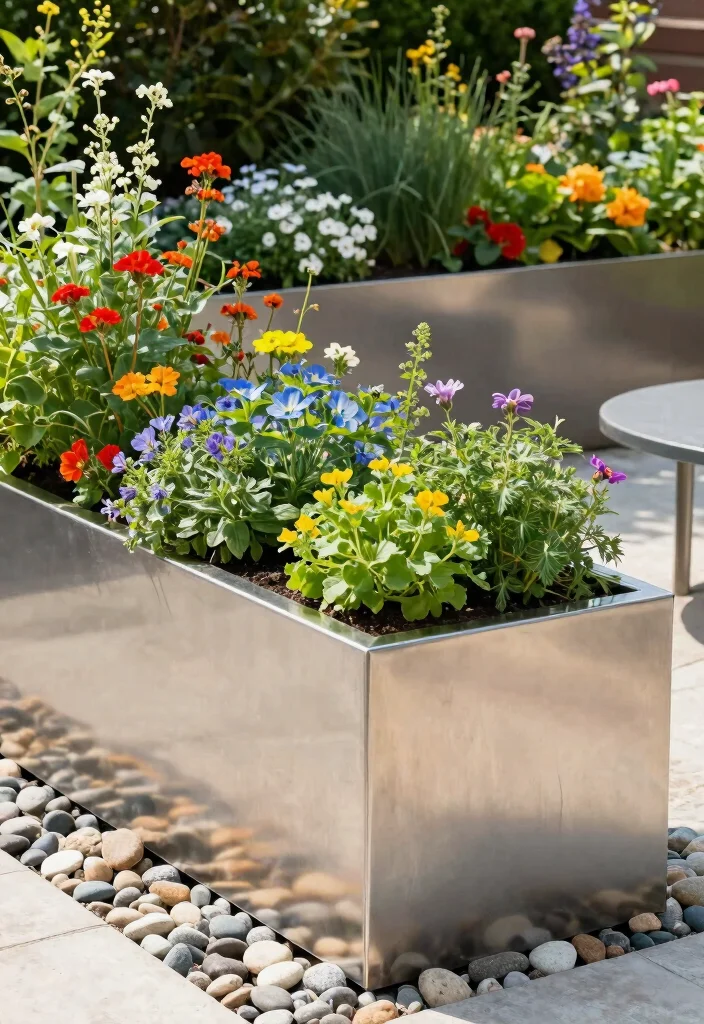
Metal raised beds offer a striking modern aesthetic that can transform your garden into a contemporary oasis. Typically constructed from galvanized steel or corrugated metal, these beds provide durability and a sleek look. The reflective surfaces create a stunning contrast against colorful plants, adding a touch of sophistication to your outdoor space. Additionally, metal retains warmth, which can extend your growing season, making it a practical choice for urban gardens.
To incorporate metal raised beds, look for local hardware stores or online suppliers that offer various designs. These beds are lightweight and easy to move, making them a versatile option for changing garden layouts. The combination of style and functionality aligns with current trends in modern gardening.
Here’s how to set up your metal raised beds:
– Select a size that fits your garden space comfortably.
– Place the bed on a flat surface to ensure proper drainage.
– Fill with premium soil, layering with organic matter for best results.
– Plant an array of flowers, herbs, or vegetables for a vibrant display.
Metal raised beds elevate your gardening experience, combining form and function in a stunning way.
4. Vertical Garden Wall Systems
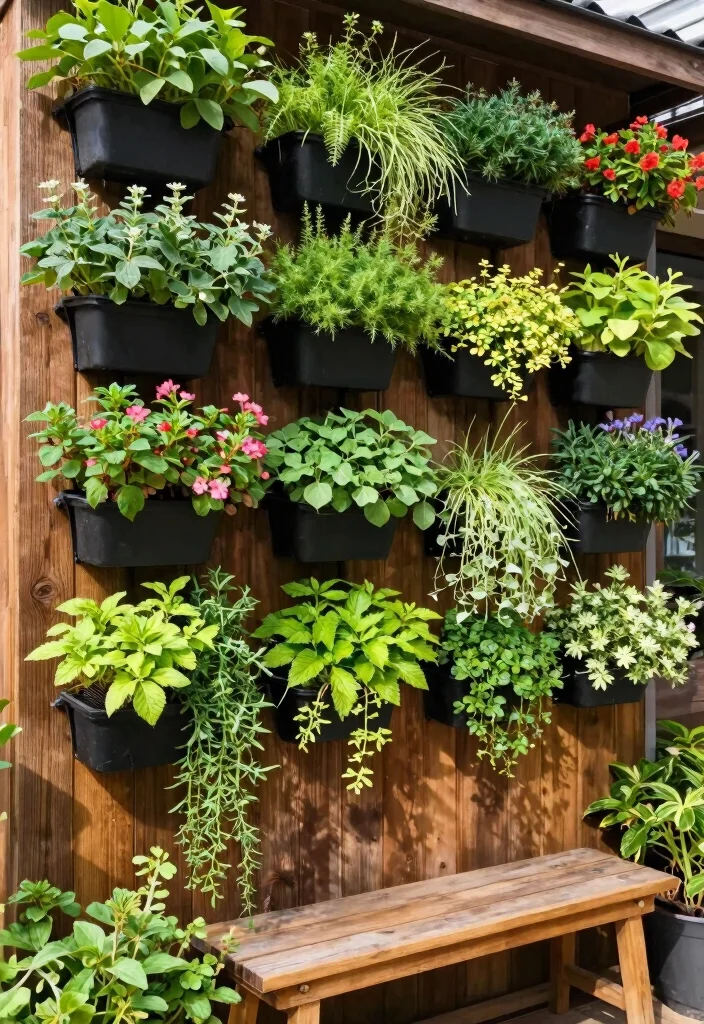
Vertical garden wall systems are an innovative solution for maximizing your gardening potential while adding a spectacular visual element. These systems allow you to grow plants vertically, utilizing walls or fences to create lush green displays without consuming precious ground space. By incorporating wall-mounted planters, you can keep your garden organized while showcasing a variety of herbs, flowers, and succulents.
This design not only saves space but also enhances air circulation and drainage, promoting healthy plant growth. To get started, explore affordable DIY options or check local garden centers for pre-made solutions. This trend aligns beautifully with the increasing interest in urban gardening and sustainability.
Follow these steps to create your vertical garden wall:
– Choose a sunny wall or fence for optimal growth.
– Install wall-mounted planters or vertical pockets designed for plants.
– Select plants that thrive in vertical settings based on their sunlight needs.
– Regularly maintain and water your plants for flourishing growth.
This unique approach to gardening not only saves space but also transforms your outdoor area into a dynamic green sanctuary.
5. Raised Beds with Pathways
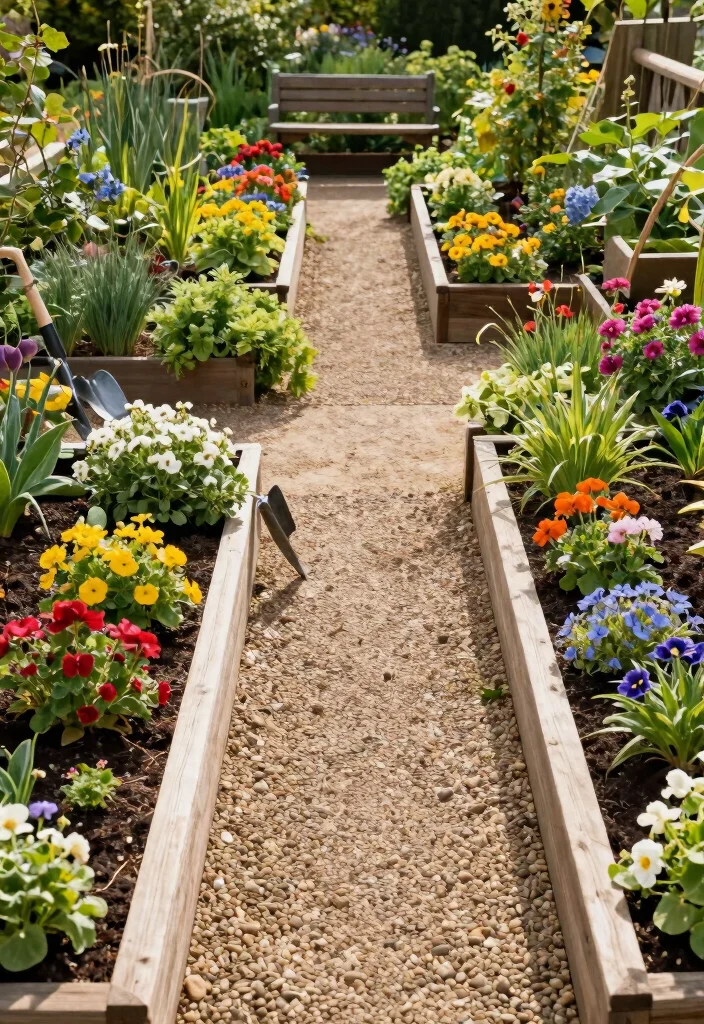
Incorporating pathways into your raised bed design elevates both organization and accessibility, making gardening more enjoyable. This layout allows you to navigate easily between plants without compacting the soil, which helps maintain its health and aeration. Moreover, creating distinct paths enhances the overall beauty of your garden, giving it a clean and inviting look. You can utilize materials like gravel, stone, or wood chips to match your garden’s character.
Pathways not only protect soil structure but also facilitate easy maintenance and harvesting. This functional design aligns with the trend towards organized gardening spaces.
Here are some ideas for creating raised beds with pathways:
– Plan your layout to ensure clear walking paths.
– Choose pathway materials that complement your garden style.
– Ensure pathways are wide enough for comfortable access.
– Fill raised beds with quality soil for vibrant plant growth.
This thoughtful design not only enhances the aesthetic appeal of your garden but also promotes efficiency in your gardening tasks.
6. Colorful Raised Bed Designs
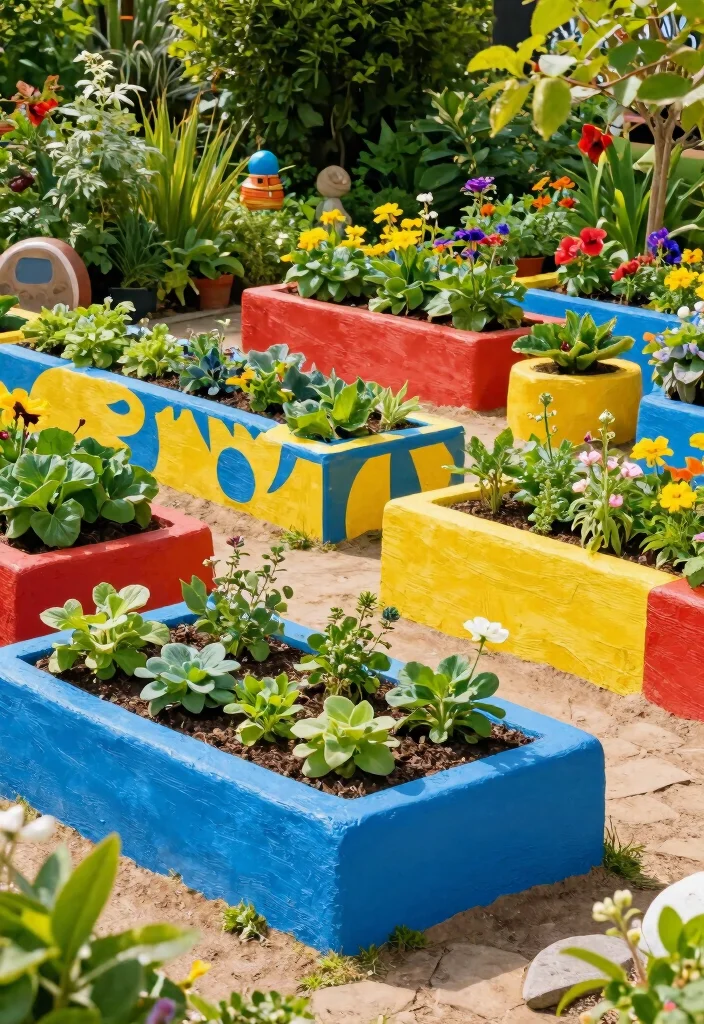
Infuse your garden with vibrancy through colorful raised bed designs that spark joy and creativity! Painting your raised beds in bold, bright colors can transform any outdoor area into a lively oasis. Choose shades that complement your plant selections, or mix and match for a fun, eclectic look. This approach not only adds personality to your space but also creates an inviting atmosphere for gatherings.
For budget-friendly options, consider using chalk paint or leftover exterior paint. This playful design trend encourages a whimsical touch to your gardening experience.
Here are some ideas for colorful raised beds:
– Use weather-resistant paints for durability.
– Create unique patterns or designs to enhance visual interest.
– Combine contrasting colors to highlight specific plants.
Colorful raised beds can serve as both functional gardening spaces and artistic expressions, bringing a burst of energy to your garden.
7. Herb Spiral Raised Beds
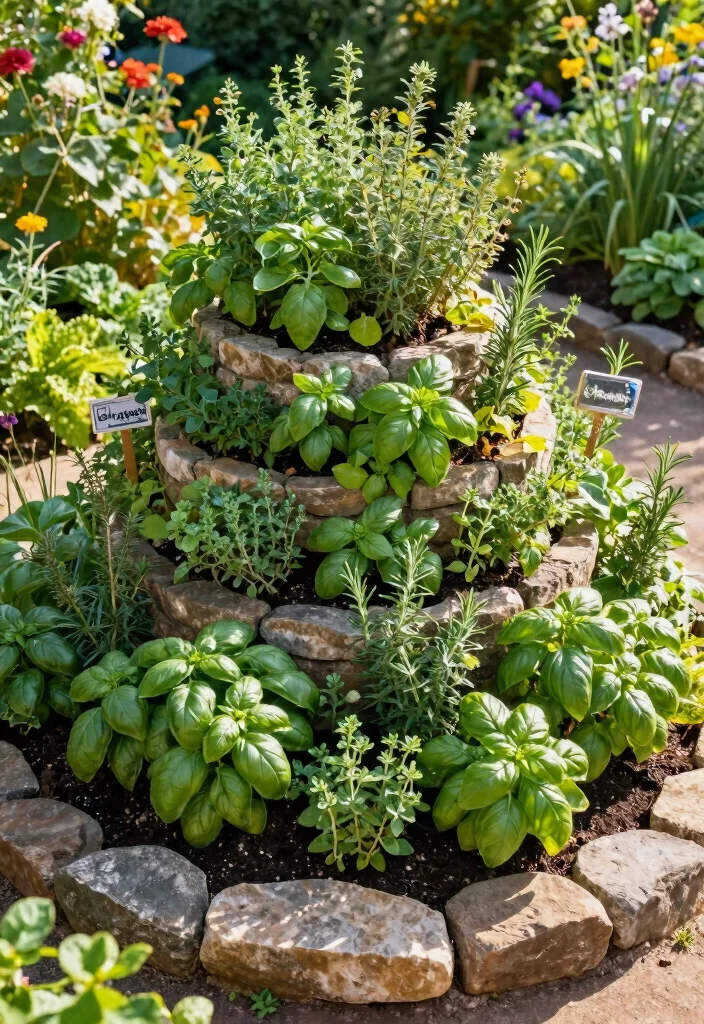
Herb spiral raised beds present an exciting way to cultivate a variety of herbs while maximizing space efficiency. This spiral design promotes optimal drainage and sun exposure, allowing you to grow diverse herbs in a compact area. Each elevation creates unique microclimates, catering to different moisture needs and enhancing the overall aesthetic of your garden.
This design not only saves space but also serves as a stunning centerpiece in your outdoor layout. Building an herb spiral can be budget-friendly using stones or bricks, making it a popular choice among gardeners.
Follow these steps to create your herb spiral:
– Choose a sunny location to build the spiral structure.
– Stack stones or bricks in a spiral formation for stability.
– Fill the inner and outer sections with quality soil, adjusting moisture levels as needed.
– Plant herbs at varying heights based on their specific requirements.
Herb spirals are not only practical but also add a delightful visual element to your garden, enhancing your culinary adventures.
Fun fact: A 4×4 ft herb spiral can host 8–12 different herbs across microclimates, a smart boost for garden design raised beds. Plus, every elevation creates a unique moisture pocket, so you can grow basil on the sunny rim and thyme in the cooler inner bend.
8. Composite Lumber Raised Beds
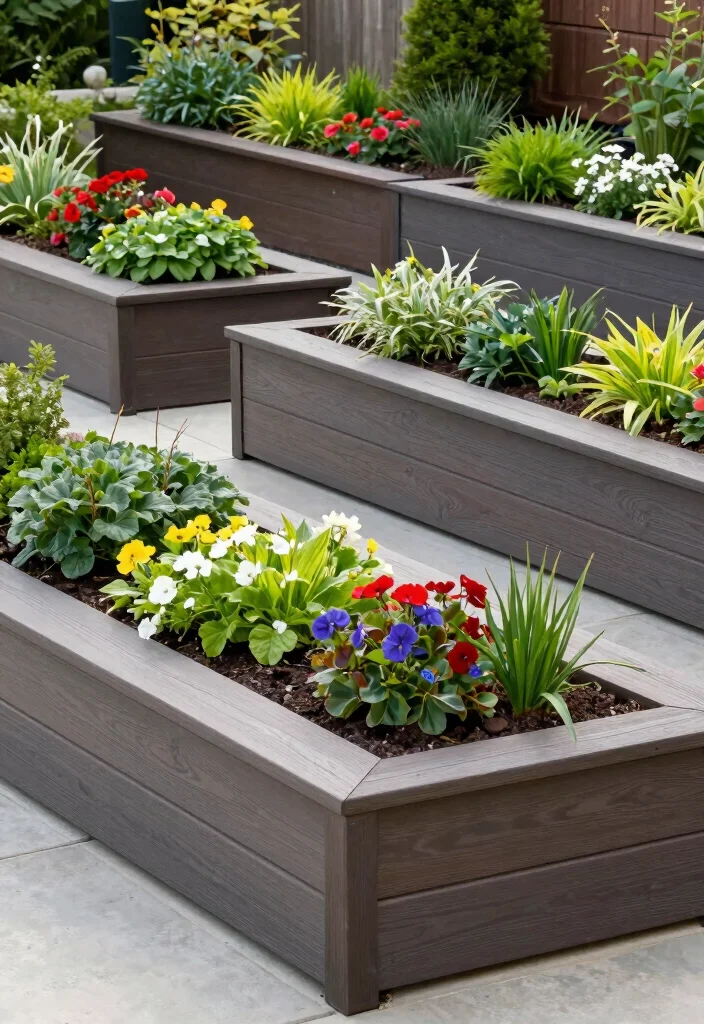
For those seeking the beauty of wood without the upkeep, composite lumber raised beds are an excellent choice. Made from a mixture of wood fibers and recycled plastic, these beds resist rot and fading, ensuring longevity in your garden. Their polished appearance comes in various hues, allowing you to tailor their look to match your outdoor décor.
This eco-friendly option supports sustainability while providing a stylish and practical gardening solution.
To create composite lumber raised beds:
– Select composite lumber in your desired color and size.
– Assemble the pieces into your preferred shape, securing the corners.
– Fill with quality soil and plant your favorite greenery.
Composite lumber raised beds not only enhance your garden’s aesthetics but also offer a low-maintenance alternative that gardeners will appreciate.
Did you know composite lumber raised beds can last 20–30 years, resisting rot and fading far longer than untreated wood? For garden design raised beds, that longevity saves time and effort, keeping your beds polished and organized with minimal upkeep.
9. Children’s Garden Raised Beds
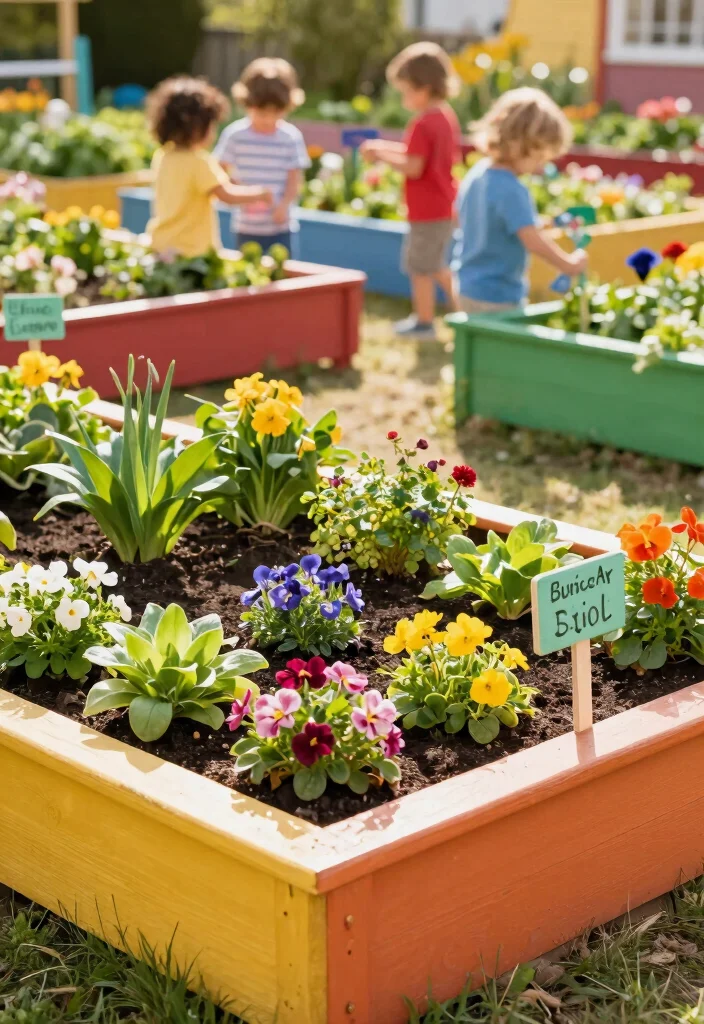
Designing raised beds specifically for children can ignite a lifelong passion for gardening! These beds should be lower to the ground, making it easy for little hands to reach and care for plants. Incorporating bright colors and fun shapes adds excitement, turning gardening into an enjoyable adventure for kids.
These beds not only encourage hands-on learning but also promote a sense of responsibility and appreciation for nature.
To build children’s raised beds:
– Choose vibrant colors or themes that engage kids.
– Keep the beds low for easy accessibility.
– Fill with nutrient-rich soil and let kids decide what to plant.
Children’s raised beds can create lasting memories while nurturing a love for gardening that can span generations.
10. Eclectic Mix of Raised Beds
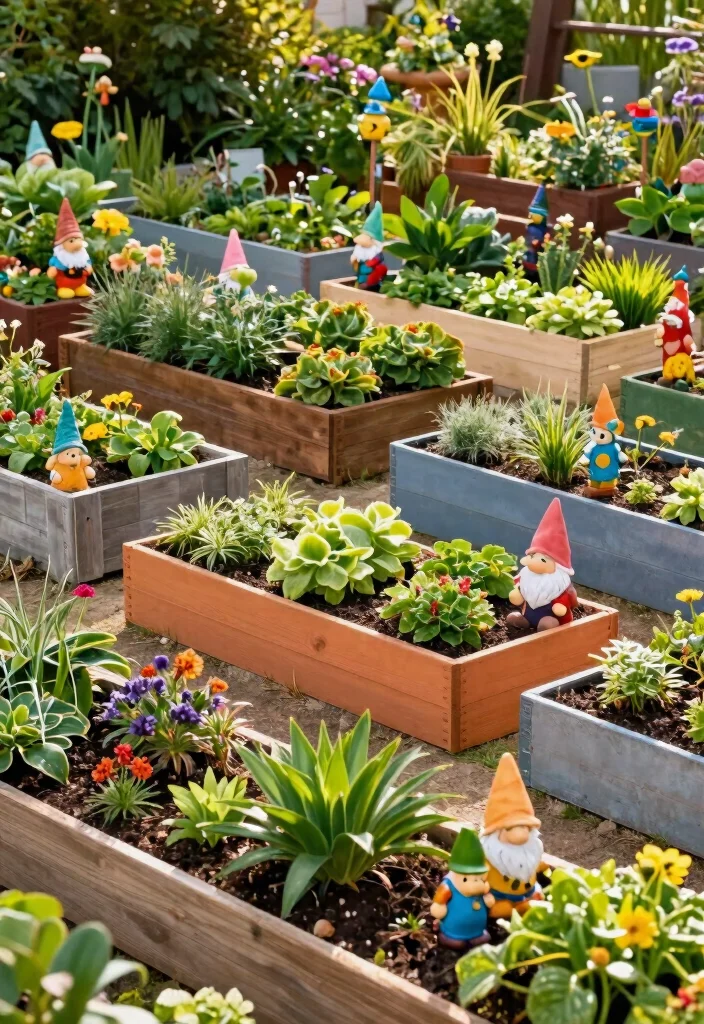
For those who thrive on creativity, an eclectic mix of raised beds can express your personality in the garden. By incorporating beds of varying shapes, sizes, and materials, you can create a unique layout that embodies charm and individuality. Mixing wood, metal, and even fabric elements invites visual interest and variety into your garden space.
This playful approach allows you to showcase a diverse array of plants, giving each bed a distinct character.
To set up an eclectic mix of raised beds:
– Gather different materials and shapes that inspire you.
– Arrange the beds in a layout that catches the eye.
– Fill each bed with contrasting plants, playing with colors and textures.
An eclectic mix of raised beds can bring a refreshing burst of personality to your garden, truly reflecting your unique style.
11. Glasshouse Raised Beds
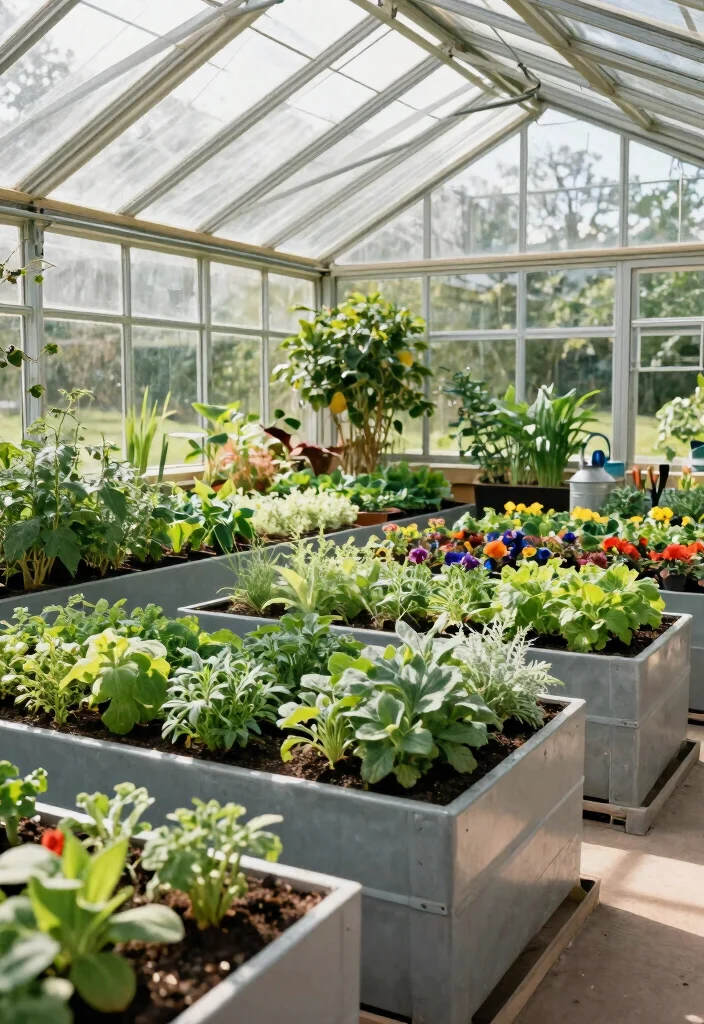
Integrating raised beds within a glasshouse offers a sophisticated indoor gardening experience. This setup enables year-round gardening while providing a controlled environment for your plants. Glasshouse raised beds shield plants from harsh weather and pests, ensuring they receive optimal sunlight.
This design is perfect for extending the growing season and cultivating a diverse range of plants, from herbs to exotic flowers.
To create raised beds inside a glasshouse:
– Choose a glasshouse that complements your space.
– Install raised beds made from weather-resistant materials for durability.
– Fill with quality soil and plant a variety of greenery.
Raised beds within a glasshouse elevate your gardening experience, transforming it into a stunning indoor retreat.
12. Community Garden Raised Beds
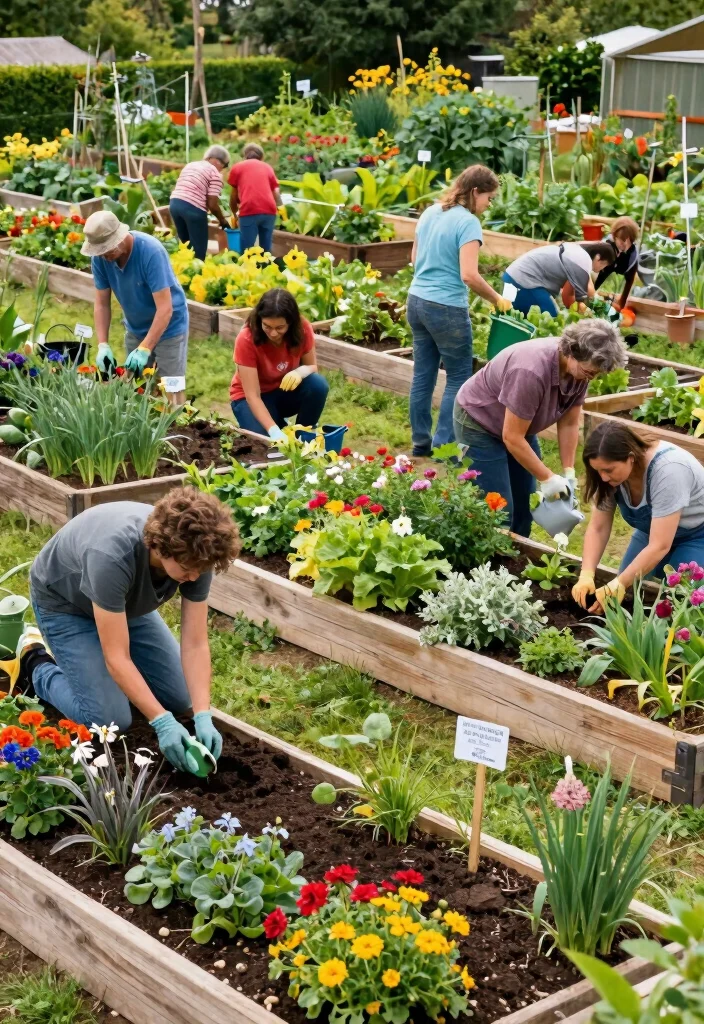
Community garden raised beds foster a sense of unity and shared purpose among neighbors. These beds, often built by volunteers, provide access to gardening for those without personal yard space, promoting sustainability and environmental awareness.
Creating these beds not only encourages collaboration but also enhances community spirit as individuals share knowledge and produce.
To set up community garden raised beds:
– Gather interested individuals from your community for collaboration.
– Choose a sunny location for optimal growth.
– Design and build the raised beds using sustainable materials.
Community raised beds not only create a lush, productive garden but also cultivate friendships and a shared sense of belonging.
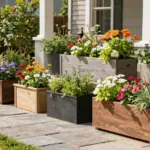
13. Planter Box Raised Beds
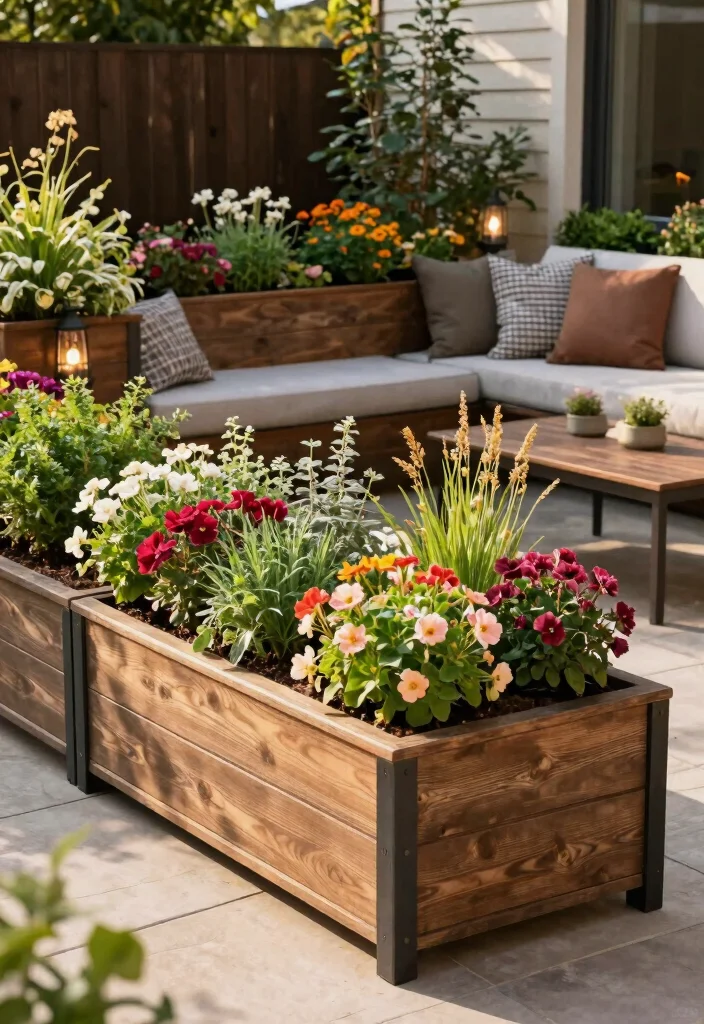
If you need a compact and stylish gardening solution, planter box raised beds are ideal. These boxes are perfect for small spaces, patios, or balconies, adding elegance to any outdoor area. Available in a variety of sizes and styles, you can customize them to meet your specific gardening needs.
Planter boxes excel at growing herbs, flowers, or even small vegetables, making gardening accessible, regardless of space constraints.
To create your own planter box raised bed:
– Choose a size that fits your space perfectly.
– Use durable, weather-resistant materials for longevity.
– Fill with nutrient-rich soil suitable for your chosen plants.
Planter box raised beds not only provide practical gardening solutions but also elevate your outdoor area’s overall style.
14. Portable Raised Beds
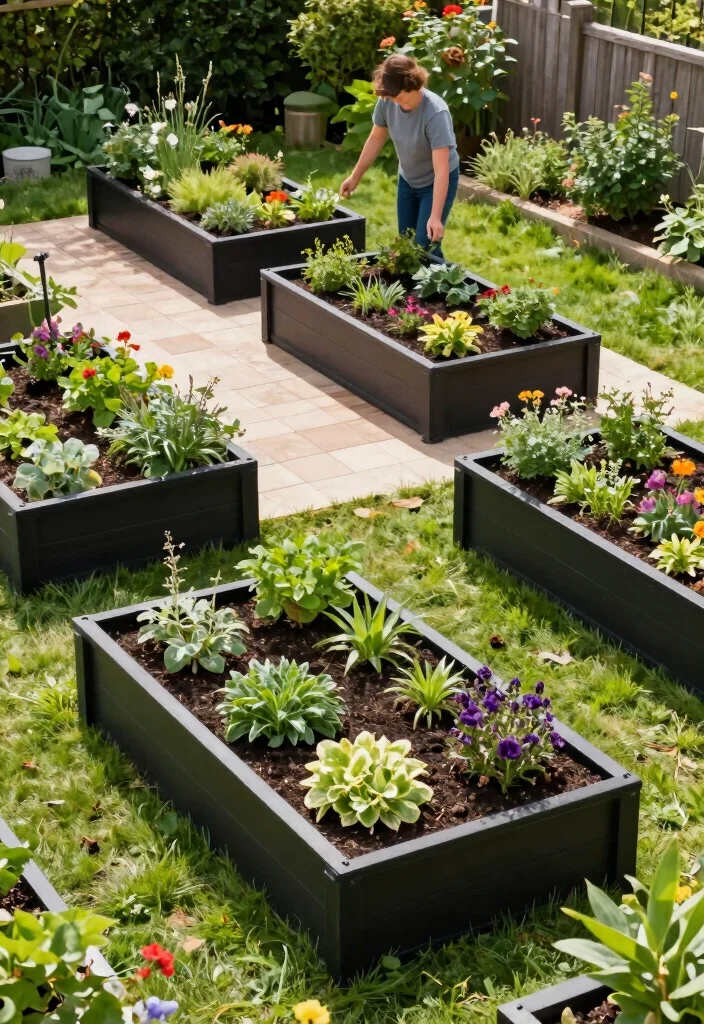
For those who value flexibility, portable raised beds are an excellent option. These mobile structures can be repositioned around your garden or even brought indoors as needed. They allow you to adapt your garden layout according to changing light and shade conditions.
Constructing portable raised beds using lightweight materials ensures easy movement, making them a favorite for adventurous gardeners.
To create portable raised beds:
– Select lightweight materials such as plastic or wood for easy handling.
– Fill them with soil and plant your chosen greenery.
– Regularly adjust their placement for optimal sunlight exposure.
Portable raised beds offer the freedom to garden creatively and adaptively, perfect for those who love experimenting with their outdoor spaces.
15. Artistic Raised Bed Designs
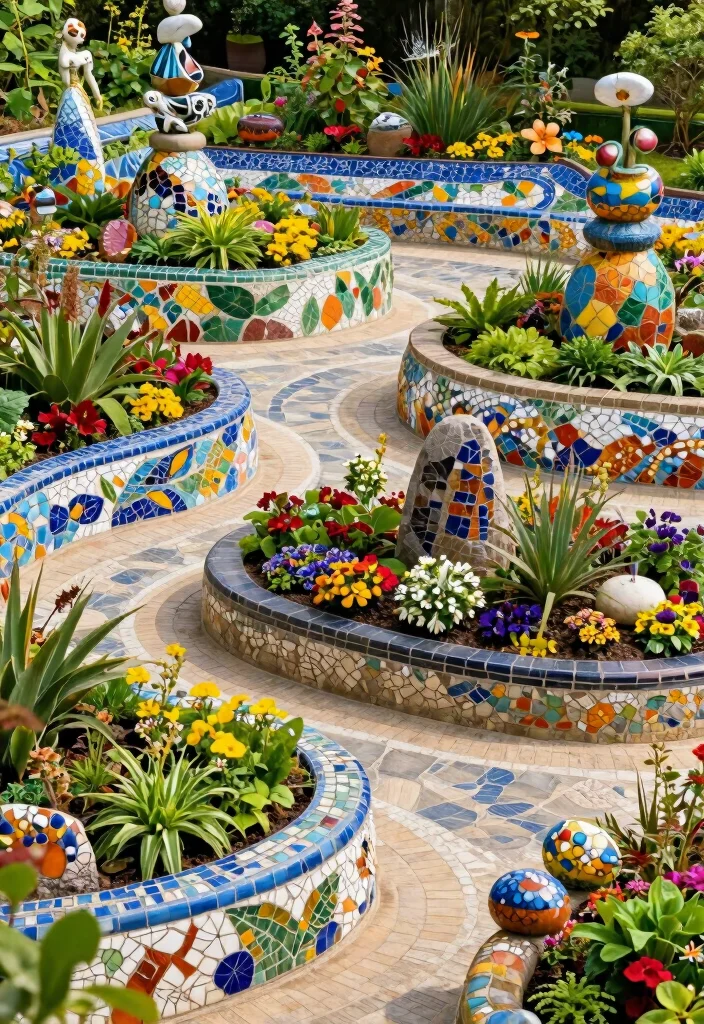
Many gardeners are embracing creativity by designing artistic raised beds that blend functionality with visual appeal. These beds can feature unique shapes, innovative materials, or decorative elements that turn gardening into a true art form.
Using materials like mosaic tiles, stones, or metal sculptures can create stunning focal points within your garden, sparking conversations and appreciation for both nature and creativity.
To create artistic raised bed designs:
– Choose a theme or style that resonates with your personality.
– Combine various materials and decorative elements for visual impact.
– Fill the bed with plants that complement your artistic vision.
Artistic raised beds transform ordinary gardens into extraordinary visual experiences, showcasing your passion for gardening and creativity.
16. Self-Watering Raised Beds
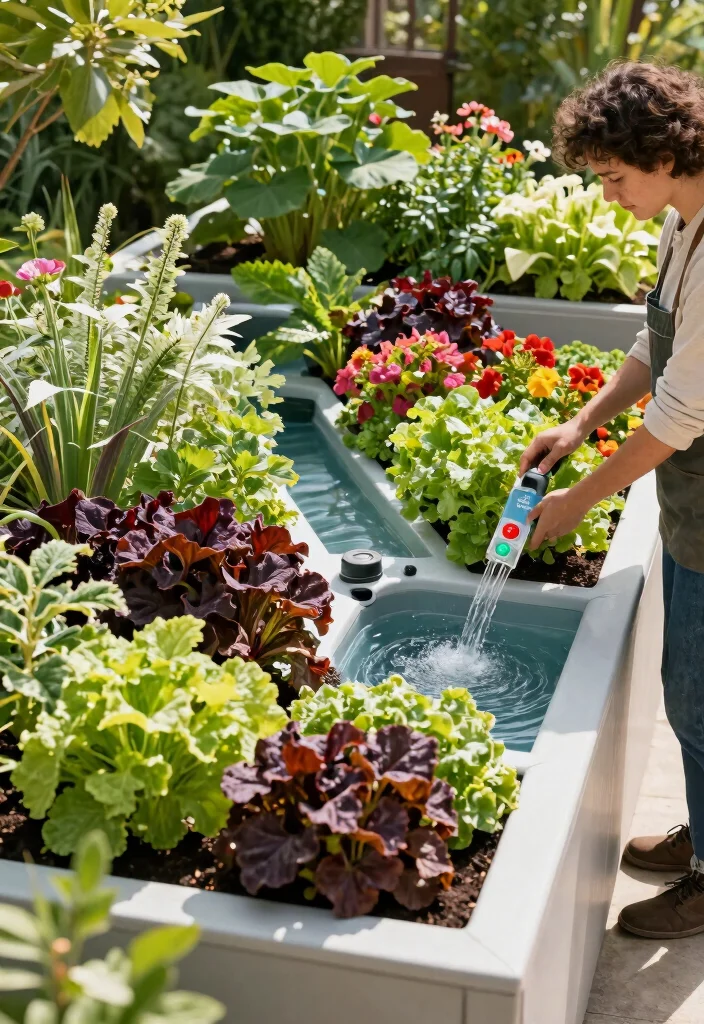
Self-watering raised beds are a fantastic solution for busy gardeners or those living in warmer climates. These innovative beds are designed with integrated irrigation systems that deliver water directly to your plants’ roots, conserving moisture and reducing the frequency of watering.
This convenient design ensures that your plants remain hydrated, leading to healthier growth and minimizing maintenance. They also help prevent over-watering, making them ideal for beginners.
To create your own self-watering raised bed:
– Build the frame as usual, ensuring to include drainage holes.
– Add a water reservoir at the bottom to hold moisture.
– Incorporate a wicking system to transport water to the plants.
Self-watering raised beds enhance the gardening experience, making it easier to cultivate a lush and beautiful garden.
17. Modular Raised Bed Systems
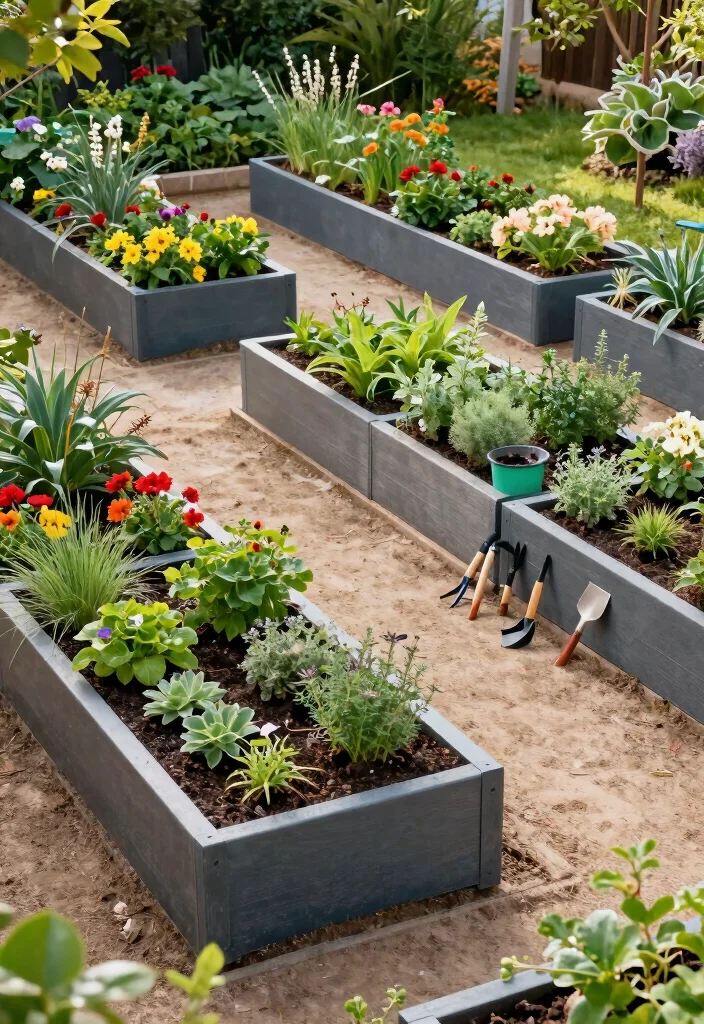
Modular raised bed systems offer flexibility and customization for your gardening endeavors. These systems consist of interlocking pieces, allowing you to design your garden layout based on personal preferences and available space.
With modular systems, it’s easy to expand or rearrange your garden as needed, making them perfect for those who enjoy experimenting with different plant arrangements. Their adaptability ensures your garden can evolve over time.
To set up modular raised bed systems:
– Choose a modular kit that suits your style and needs.
– Assemble the pieces according to your desired layout.
– Fill with soil and plant your selections.
With modular raised bed systems, the possibilities are limitless, allowing your garden to grow alongside your gardening journey.
18. Vertical Trellis Raised Beds
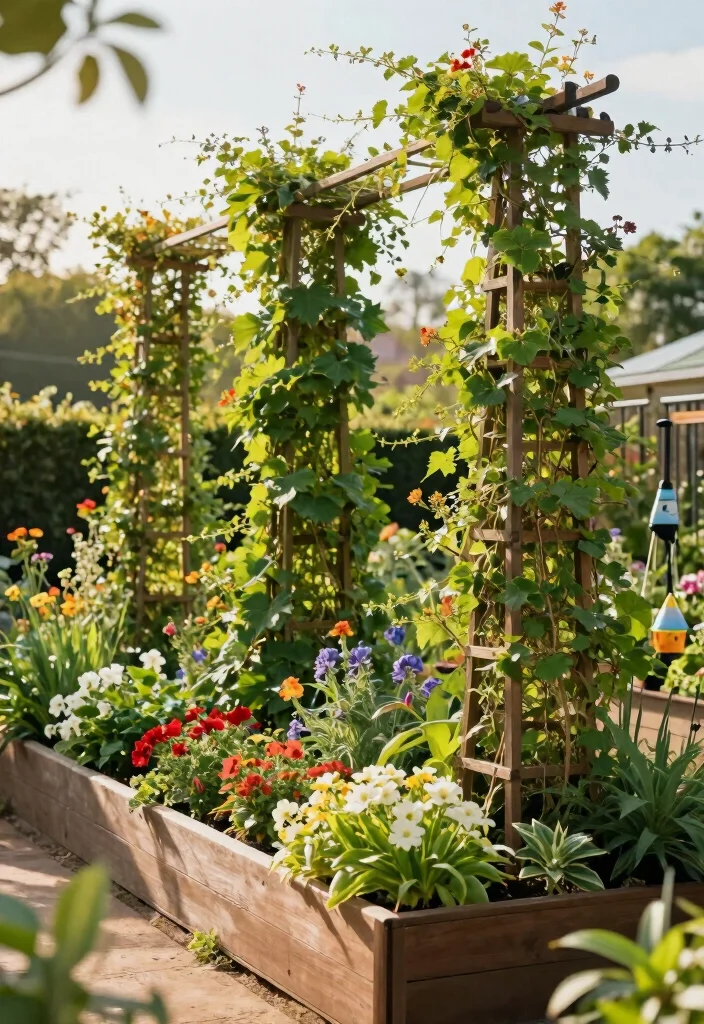
Vertical trellis raised beds combine innovative gardening techniques to optimize your outdoor space while enhancing beauty. By incorporating trellises into raised beds, you can grow climbing plants that reach impressive heights, freeing up valuable ground space.
This design not only adds a stunning visual element but also creates natural shade and privacy. Vegetables like cucumbers or flowering vines can beautifully adorn these trellises, making them both functional and attractive.
To create vertical trellis raised beds:
– Build or purchase raised beds with attached trellises.
– Fill with suitable soil and choose climbing plants.
– Train plants to grow along the trellis as they develop.
Vertical trellis raised beds create a visually striking garden while maximizing space, transforming your outdoor area into a vibrant paradise.
Conclusion
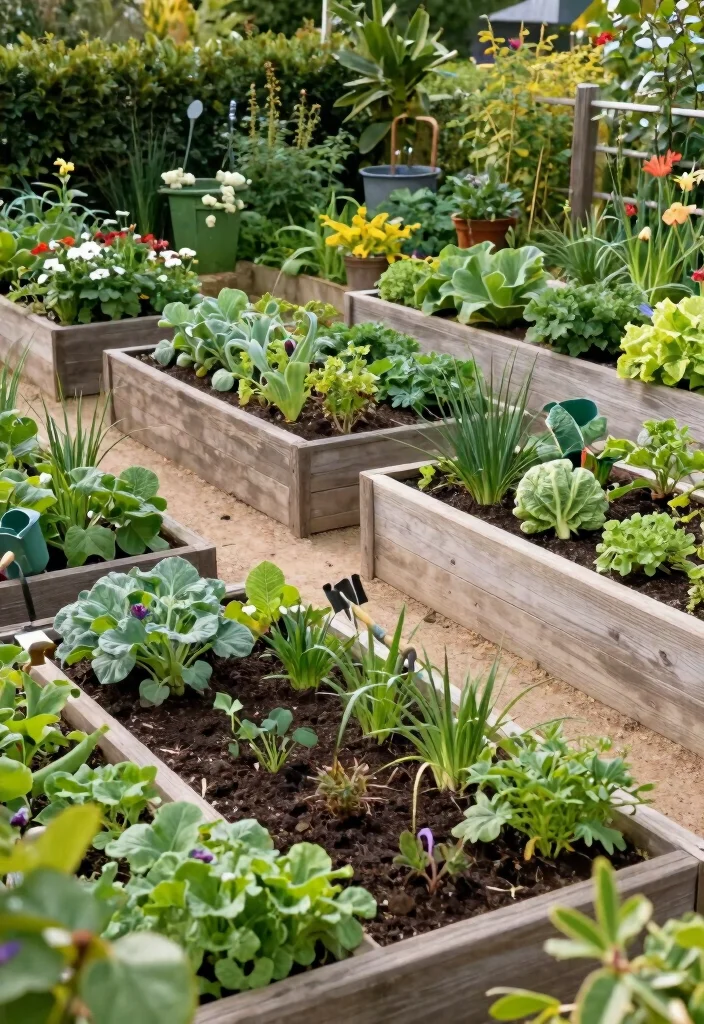
Creating a garden with raised beds opens up a world of possibilities for organization, beauty, and sustainability. Whether you prefer the rustic charm of wooden beds, the modern appeal of metal, or the creativity of eclectic designs, there’s a raised bed idea that suits your style.
These 18 ideas not only offer practical gardening solutions but also allow you to showcase your personality and creativity in your outdoor space. So why not get started and transform your garden into a breathtaking sanctuary that reflects your love for nature? Embrace the joy of gardening and let your raised beds flourish!
Note: We aim to provide accurate product links, but some may occasionally expire or become unavailable. If this happens, please search directly on Amazon for the product or a suitable alternative.
This post contains Amazon affiliate links, meaning we may earn a small commission if you purchase through our links, at no extra cost to you.
Frequently Asked Questions
What makes a garden design raised beds plan feel organized and beautiful?
A great garden design raised beds setup blends clean lines, a cohesive color story, and practical spacing for easy maintenance.
Start with a central focal point, repeat bed shapes for rhythm, and use accessible paths to keep work zones tidy. Tie it all together with garden layout ideas that fit your space, while keeping raised bed gardening at the core of the design.
How can I implement vertical garden designs using raised beds in a small space?
To create vertical garden designs with raised beds in a small space, start with a compact wall-mounted rack or tiered planters, then stack beds at varying heights to maximize growing area without taking up ground space.
Position them for sun, install simple irrigation, and finish with outdoor decor tips like color-coordinated containers and decorative trellises to blend with your garden design raised beds.
What are practical garden layout ideas for raised bed gardening to maximize space and curb appeal?
Practical garden layout ideas for raised bed gardening include symmetry with repeating bed widths, a central path for easy access, and a curved bed to guide the eye. Group herbs near the kitchen, mix edible crops with ornamental perennials, and leave 1-2 ft aisles for maintenance. Use garden layout ideas that maximize sun exposure and airflow.
Which sustainable gardening practices should I follow when building and maintaining raised beds?
For sustainable gardening practices with raised beds, start with rich compost and mulch to boost soil health, and collect rainwater for irrigation. Practice crop rotation and include native or drought-tolerant varieties to cut water use. Recycle containers and avoid synthetic inputs where possible to keep your raised bed gardening eco-friendly.
What outdoor decor tips can boost the look of garden design raised beds while keeping them functional?
Outdoor decor tips to elevate garden design raised beds include choosing a cohesive color palette across mulch, edging, and containers, and adding decorative paths or stepping stones. Integrate lighting for ambiance and select durable materials like powder-coated metal or treated wood to keep things long-lasting. Finally, label beds clearly and design easy access routes so the beauty stays functional in your raised bed gardening plan.
Related Topics
garden design
raised beds
vertical gardening
outdoor decor
sustainable gardening
beginner friendly
easy gardening
creative layouts
urban gardening
DIY raised beds
garden organization
seasonal planting