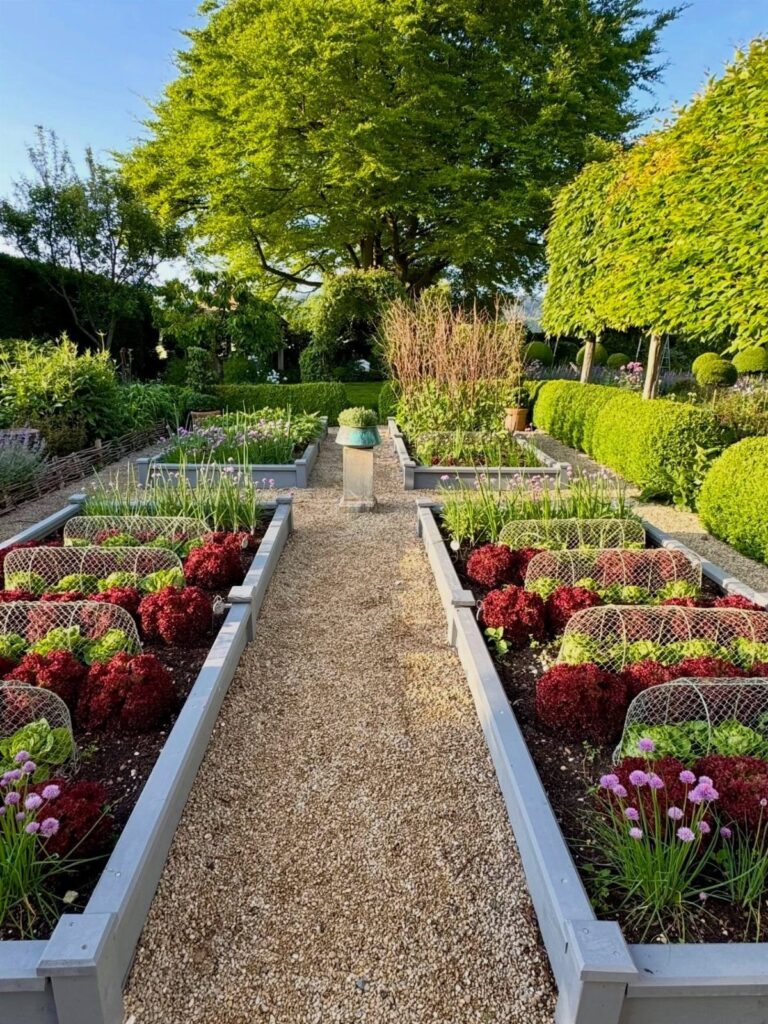
Raised garden beds come painted in white, black, or terracotta, left as untreated lumber, or built from stone, brick, or bamboo.
The right color turns on what you want: a frame that disappears behind the plants, one that grounds the space, or a finish safe enough for edibles.
Exterior latex paint works for most wooden beds once it cures fully, but untreated cedar or stacked stone keep chemicals away from vegetables without any coating at all.
[link-whisper-related-posts]1. Painted Wood Raised Beds
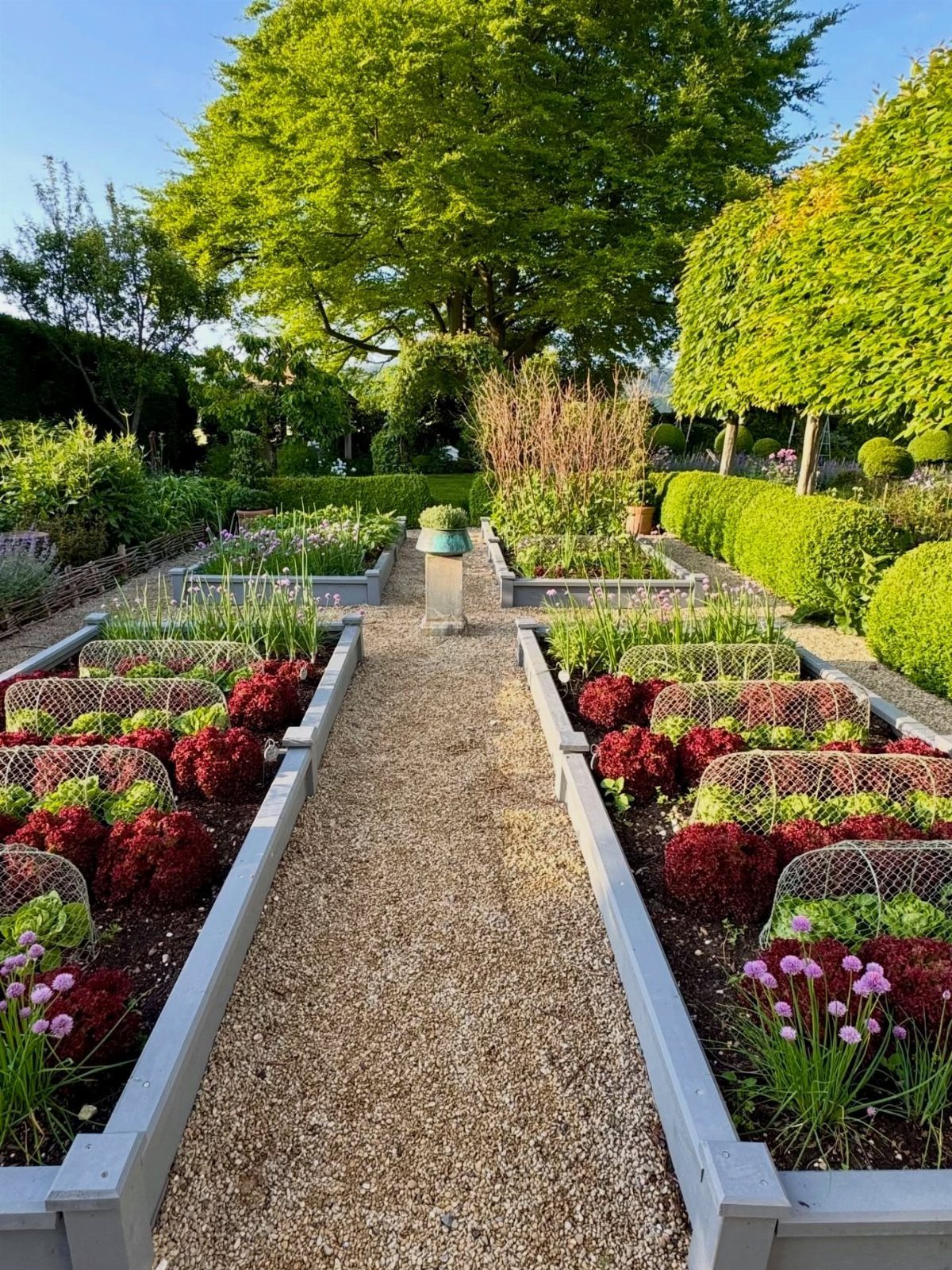
A coat of paint protects wooden boards from moisture and lets the bed fit the garden’s color scheme. Grey works well in a modern yard or when you want the plants to stand out more than the frame.
For edible crops, exterior latex or acrylic paint is safe once fully cured.
Sand the wood lightly first so the paint grips, then apply 2 coats. Darker colors absorb more heat, which means soil dries out faster in summer.
But before you reach for your paintbrush, there are a few vital factors to consider if you want to avoid making a raised bed gardening mistake. Using any chemicals near your plants (including paint or wood stain) requires careful consideration.
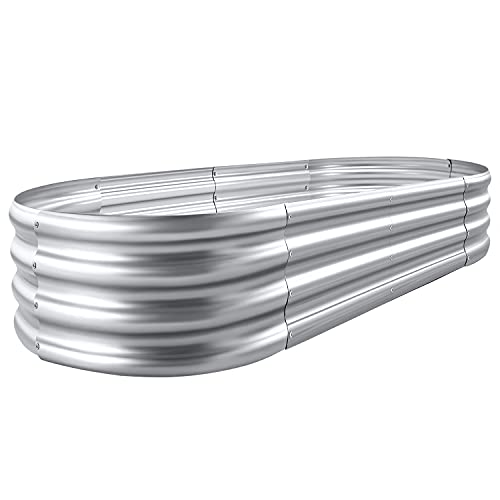
Each raised metal garden bed size: 4×2×1ft ,7.14Cu
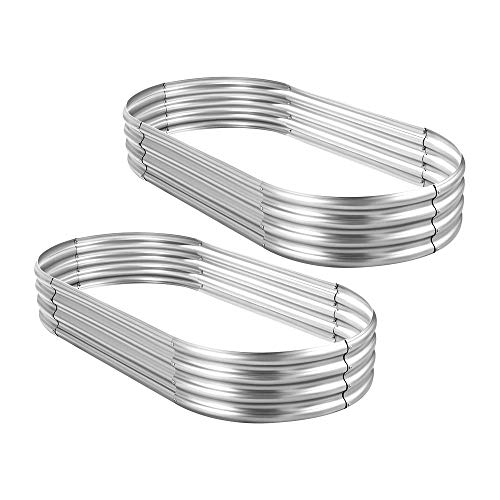
Each raised metal garden bed size: 4×2×1ft , 7Cu

2. Exterior Painted Raised Beds
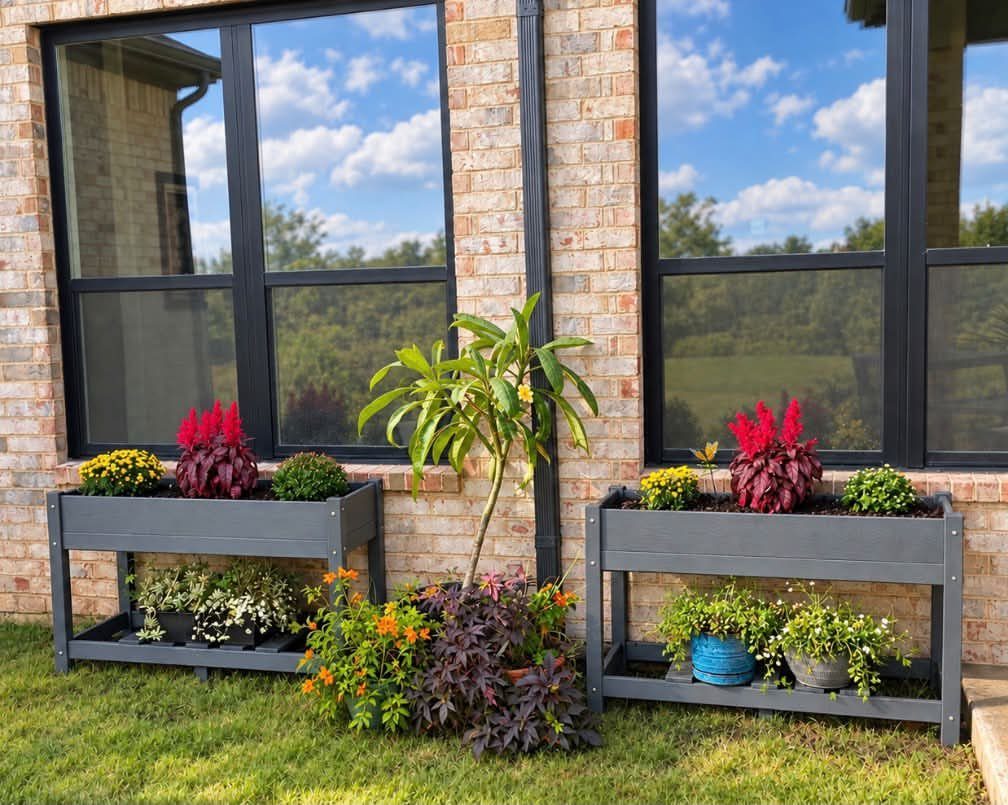
Placing raised beds against the house brings edible or ornamental plants closer to the door and uses wall space that might otherwise sit empty.
The beds in view are painted grey to match the trim, which ties them into the home’s exterior without adding a bold new color.
Exterior-grade paint is the right choice here since the beds sit on a patio or foundation and take rain and sun from the same angle as the siding.
Match the finish to nearby woodwork or go one shade darker so soil stains are less visible.

Ready to use, pre-mixed door and trim paint offers a fresh new look on interior or exterior metal, wood and fiberglass

CONVENIENT SIZE - This Apple Barrel Acrylic Paint comes in a versatile 2 oz size that is great for basecoating, stenciling, and so much more

CONVENIENT SIZE - FolkArt Outdoor Acrylic Paint comes in convenient 2 oz bottles of outdoor craft paint - perfect for painting flower pots, birdhouses, mailboxes, patio décor, and so much more
3. Black Raised Beds
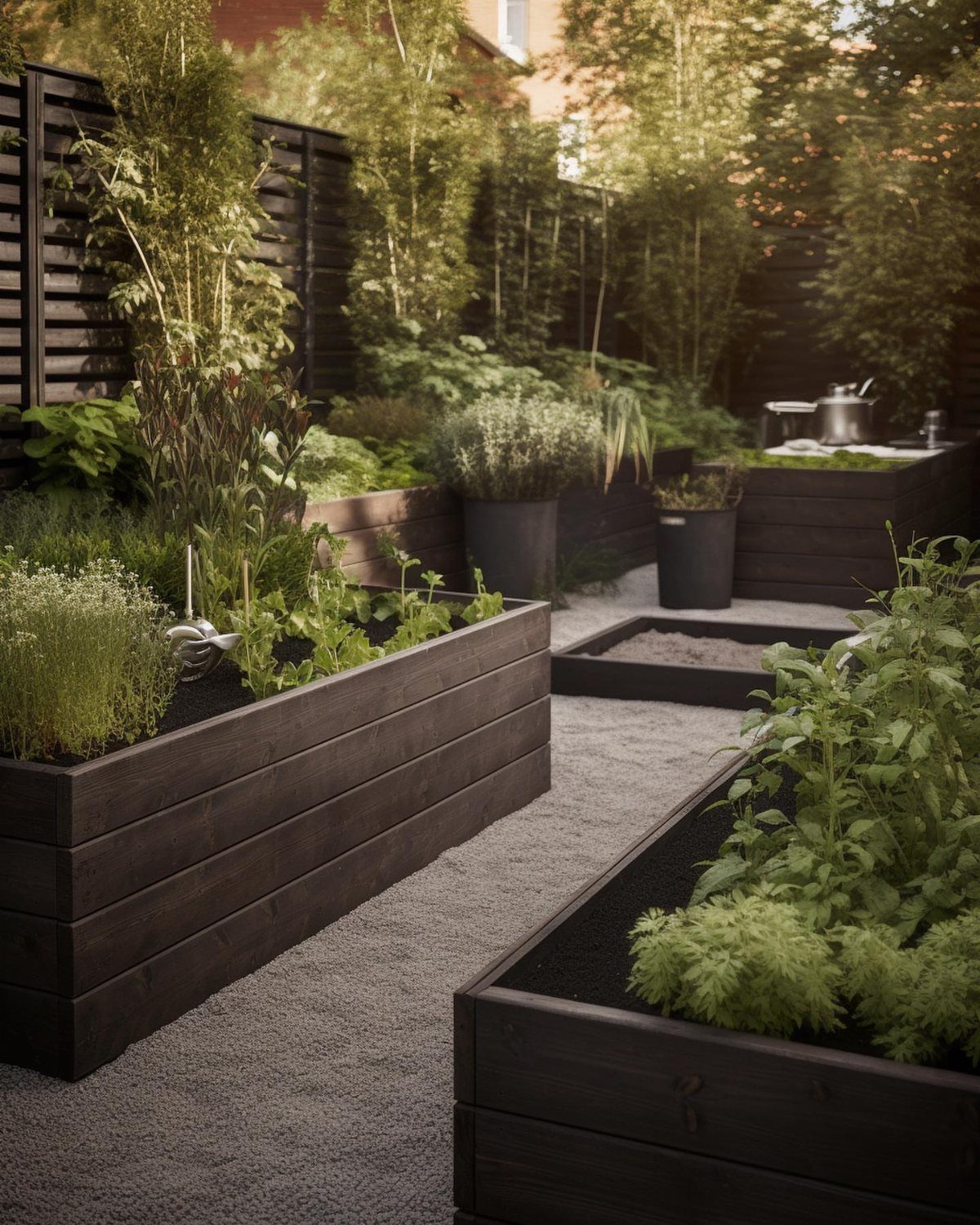
Black or dark-stained beds anchor a garden bed and make green foliage read brighter by contrast. The finish also hides dirt and weathering better than lighter colors.
Use exterior stain or paint rated for ground contact. Stain soaks into the grain and needs recoating more often; solid-color paint lasts longer but shows chips more readily.
Black absorbs heat, so in hot climates it may warm the soil enough to stress shallow roots. A dark brown or charcoal grey splits the difference.

Add a bright and stylish touch to your garden with this yellow raised garden bed. The eye-catching yellow finish creates a beautiful outdoor display while working as functional yellow planters for outdoor plants for vegetables, herbs, flowers, and decorative plants in patios, yards, and walkways.

Each circle raised garden bed is made of 0.6 mm thick galvanized steel for enhanced rigidity and long-term outdoor use. The corrugated metal panels help resist bending and maintain a stable round shape after the planter is filled with soil.

Raised Garden Bed - Add a new level of convenience to your gardening experience with the Galvanized Raised Garden Bed. Enjoy expanded yield and a more assembled garden layout with this garden accessory, each sized at 120 cm X 60 cm x 30 cm.
4. White Raised Beds
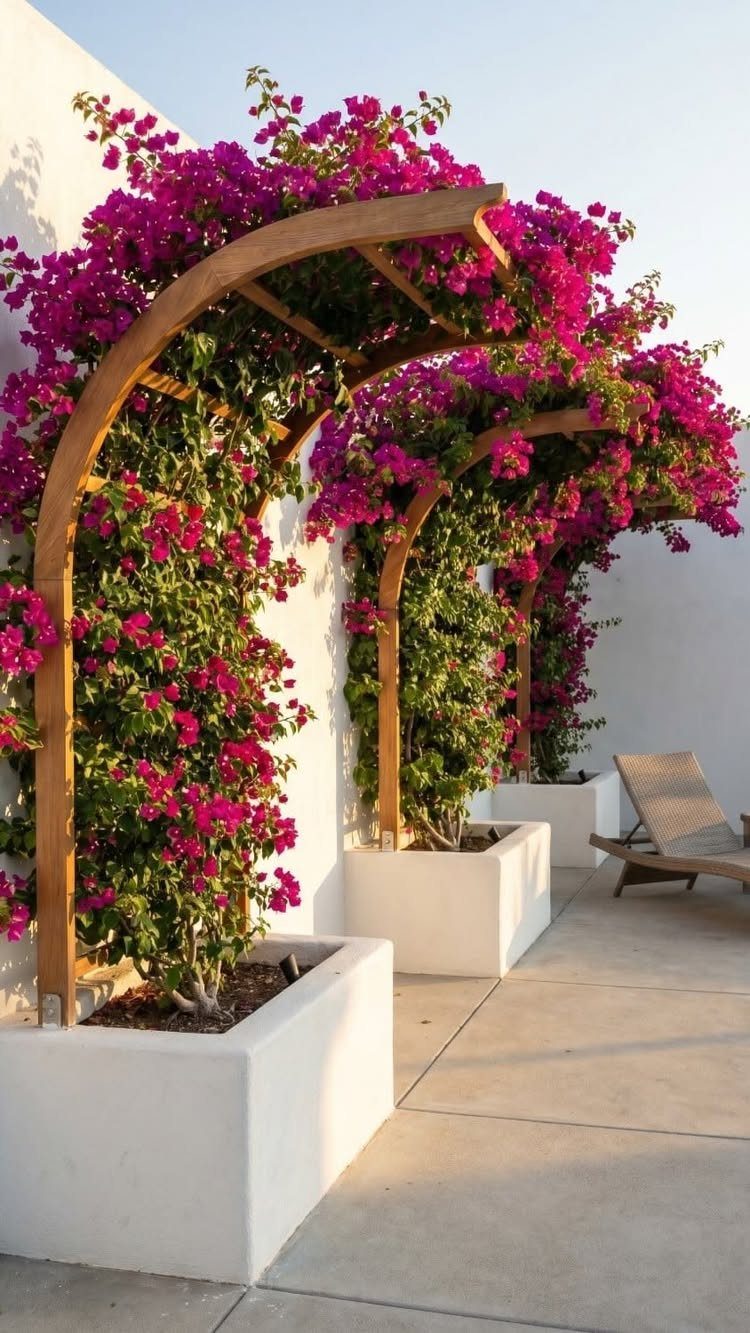
White beds brighten a patio or courtyard and serve as a neutral backdrop when the planting is colorful.
Exterior latex paint holds up well on raised beds.
White shows soil splatter and algae more than darker colors, so plan to hose the sides down or touch up the paint each spring. The look suits ornamental gardens best.

【 Durable and Long-lasting 】The BIRDSINYARD raised garden bed, available in a convenient two-pack, is constructed from thick galvanized steel. It features a rust-resistant and corrosion-resistant coating, ensuring it can withstand humid weather and tough conditions without warping or rusting, even with long-term use.


𝑷𝒓𝒆𝒎𝒊𝒖𝒎 𝑮𝒂𝒍𝒗𝒂𝒏𝒊𝒛𝒆𝒅 𝑺𝒕𝒆𝒆𝒍:Made of extra-thick corrugated galvanized steel for superior rust resistance and durability in all weather conditions.
5. Untreated Lumber Beds
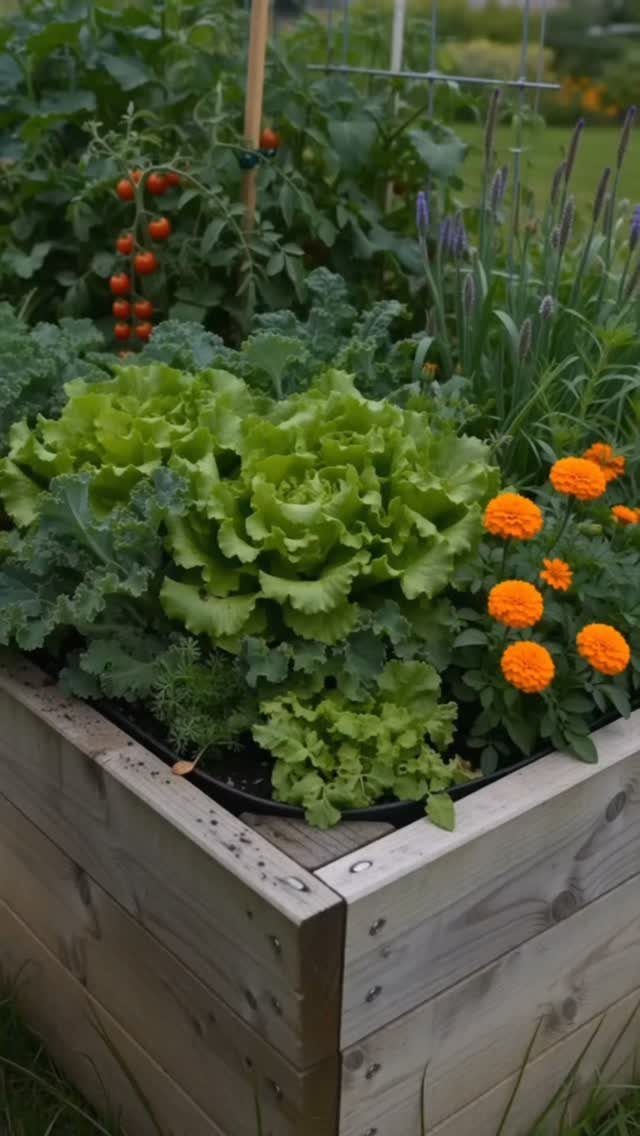
Skipping paint or stain keeps chemicals away from edible crops and lets the wood weather naturally. Untreated cedar or redwood lasts longer outdoors; untreated pine or fir breaks down faster.
The boards will turn silver-grey as they age.
If rot is a concern, line the inside with landscape fabric to slow moisture contact, or build with thicker lumber. Some gardeners prefer this approach for any bed growing vegetables or herbs, even when paint would be safe once cured.

16 Stencils + 3 Paint Pens Set: Includes 16 mixed stencils for painting, each measuring 11 x 7.1 inches, plus 3 paint pens for ready-to-use stencil paint projects at home or in the studio.

1. 🎭2×3 Modular Mural Kits: Create 14.5x33" Custom Wall Art These reusable wild flower stencils, Snap 3 interchangeable 14.5x11" stencils into a massive mural for living rooms, kitchens, or bathrooms – or use individually for focused accents (e.g., cabinet doors, garden signs). Designed for DIY Wall Art enthusiasts, each stencil maintains crisp edges even when used separately.

🌸 LARGE 15x12 WILDFLOWER STENCIL — CRISP RESULTS EVERY TIME: Our precision-cut wild flower stencil delivers sharp, paint-bleed-free results on wood, walls, canvas, fabric, fences, and furniture. Made from premium 10mil PET — noticeably thicker and sturdier than standard 7mil stencils — so it lays flat and gives you professional results whether you're a beginner or experienced crafter.
6. Stone Raised Beds
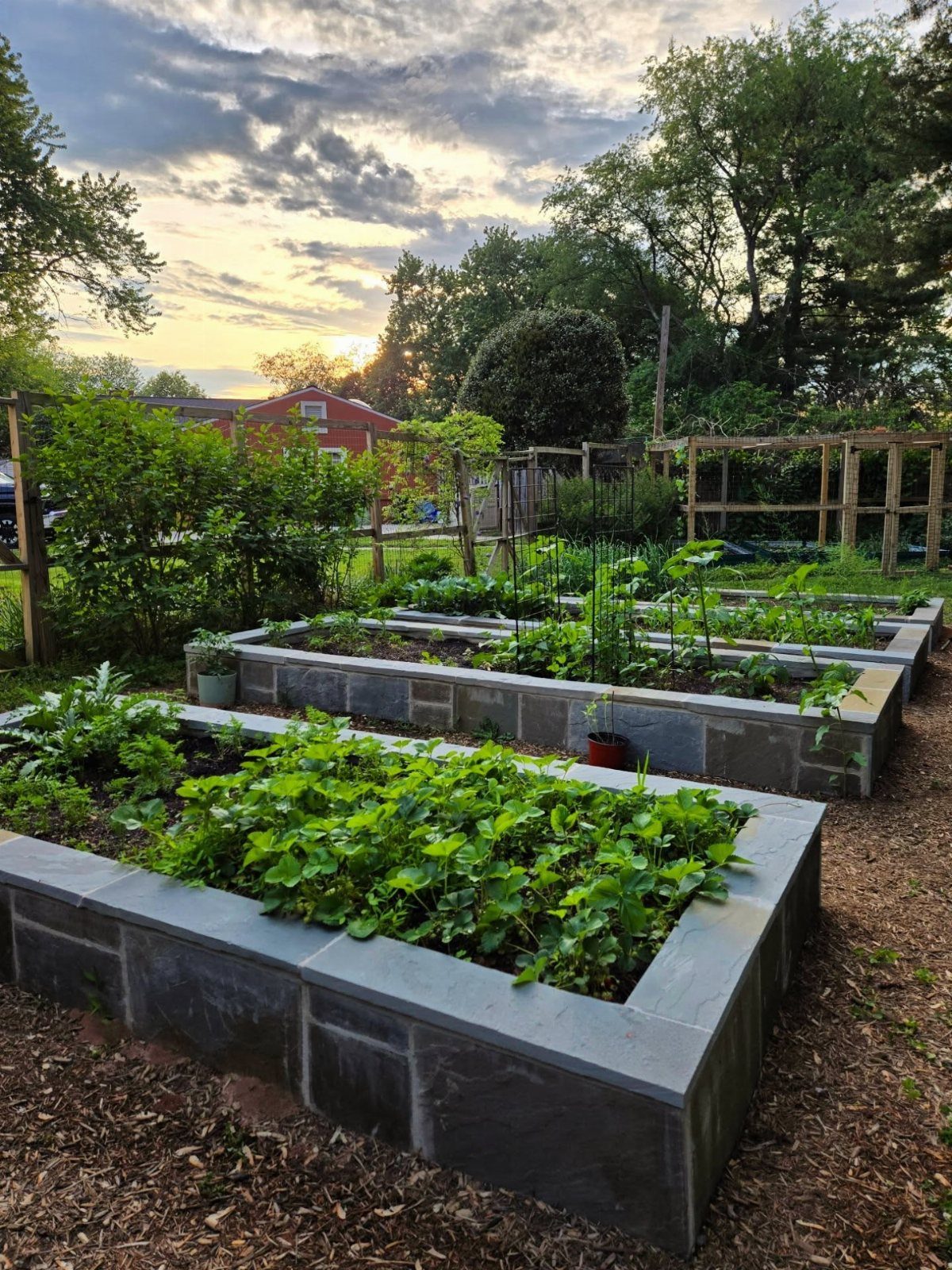
Stone blocks stack into raised beds without mortar, which makes the project reversible and keeps synthetic finishes out of an edible garden. The material weathers slowly and holds its look for decades.
Concrete blocks, natural stone, or brick all work. Stack 2 or 3 courses high, stagger the joints, and set the bottom course slightly below grade so the bed stays level.
Stone warms up in sun, which can benefit heat-loving crops but may dry out soil faster than wood. The cost runs higher than lumber, but stone beds rarely need maintenance.

Durable Construction: The 4FT diameter round galvanized garden raised bed is made with strong galvanized steel material with crimped edge and corner,no sharpe, ensuring safely using it and long-lasting durability and resistance to rust

Raised Garden Bed: Cultivate plants like vegetables, flowers, herbs in your patio, yard, garden, and greenhouse

More suitable raised garden bed size and Volume:67"L x 20"W x10"H, 7 Cu. Ft. You can cultivate plants, like vegetables, flowers, herbs in your patio, yard, garden, and greenhouse.
7. Red Brick Beds
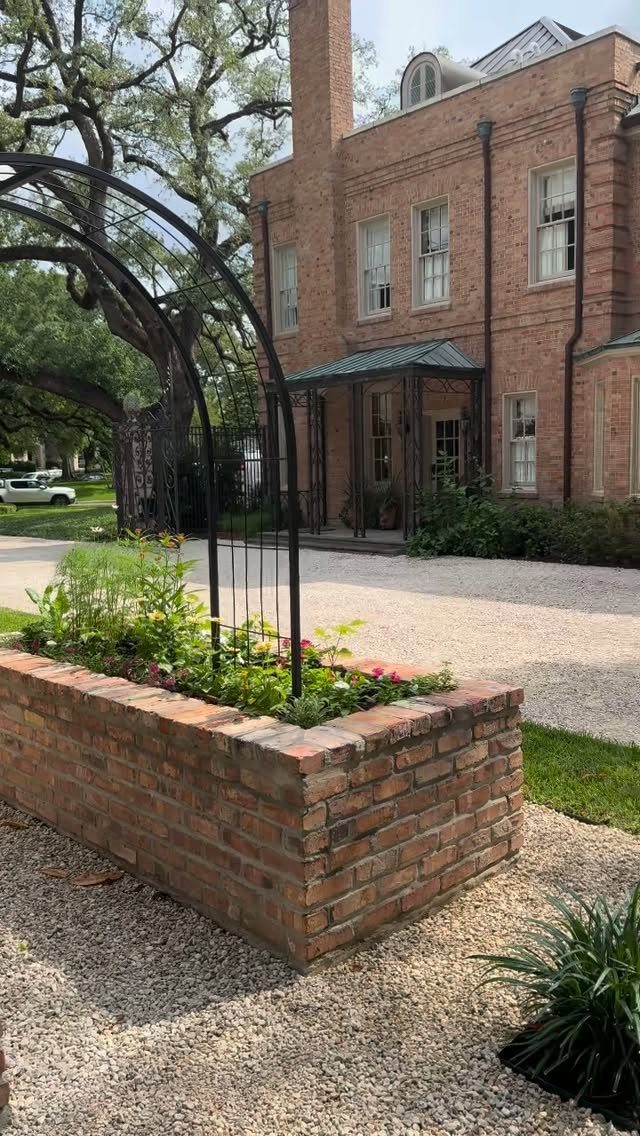
Brick stacks into raised beds without the need for paint or chemical treatment, which keeps soil safe for edible crops. You lay it once and forget about it.
Lay courses in a running bond, staggering the joints so the bed stays stable. A bed 2 or 3 bricks high sits well on most sites.
Mortar is optional; dry-stacked brick allows the bed to be moved or rebuilt later. The clay absorbs and releases heat more slowly than wood, so soil temperature stays steadier from morning to evening.
Brick costs more upfront than lumber but requires no repainting or replacement.

Weather and corrosion resistant coating protects exterior and interior surfaces like wood, metal, concrete, masonry and more

CONVENIENT SIZE - This Apple Barrel Acrylic Paint comes in a versatile 16 oz size that is great for basecoating, stenciling and so much more

Zipper Tote Backpack: This full-grain leather design blends character and utility for a functional everyday carry that softens and develops a unique patina over time; the approximately 1-pound bag features adjustable straps of 26" to 34" and measures 9” wide, 9” tall, and 4” deep with a maximum top opening width of 11.5”
8. Bamboo Raised Beds
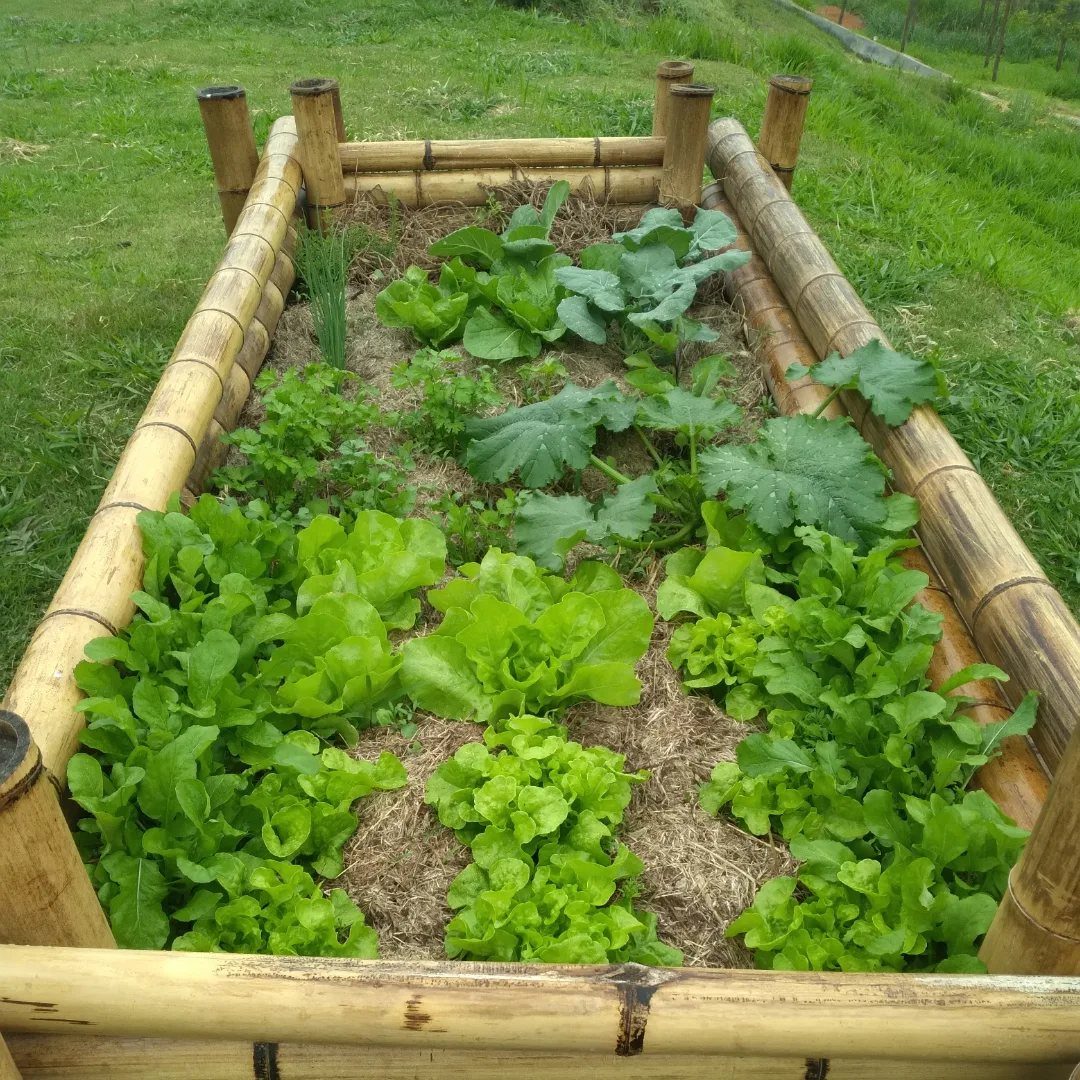
Lashing bamboo poles together with wire or twine builds a lightweight raised bed with a natural look. The material is fast-growing and biodegradable.
Bamboo breaks down outdoors over several seasons, faster than cedar or redwood.
For a bed that lasts longer, choose thicker poles and replace them as needed. The open weave lets soil dry out quickly, so beds in hot climates may need more frequent watering.
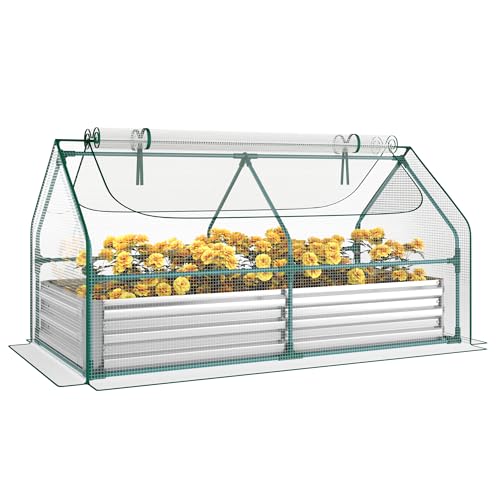
3-IN-1 GARDEN BED WITH GREENHOUSE COVER: One kit, three uses: use it as a raised garden bed, a mini greenhouse, or combine both for full protection. Flexible design lets you adapt to different seasons and plant vegetables, herbs, or flowers in any outdoor garden space.

Used Book in Good Condition

FITS SEAMLESSLY INTO YOUR LIFE- This 4x2x1 ft open-base raised garden bed has all the space you need in order to grow your dream garden! Whether you're planting your own fruits, vegetables, or flowers, it provides a safe environment for your plants to thrive. With a wide range of sizes and styles to choose from, our garden beds can be customized to fit your space and style preferences. The Plant & Plot garden bed is the perfect addition to your outdoor space!
9. Terracotta Painted Raised Bed
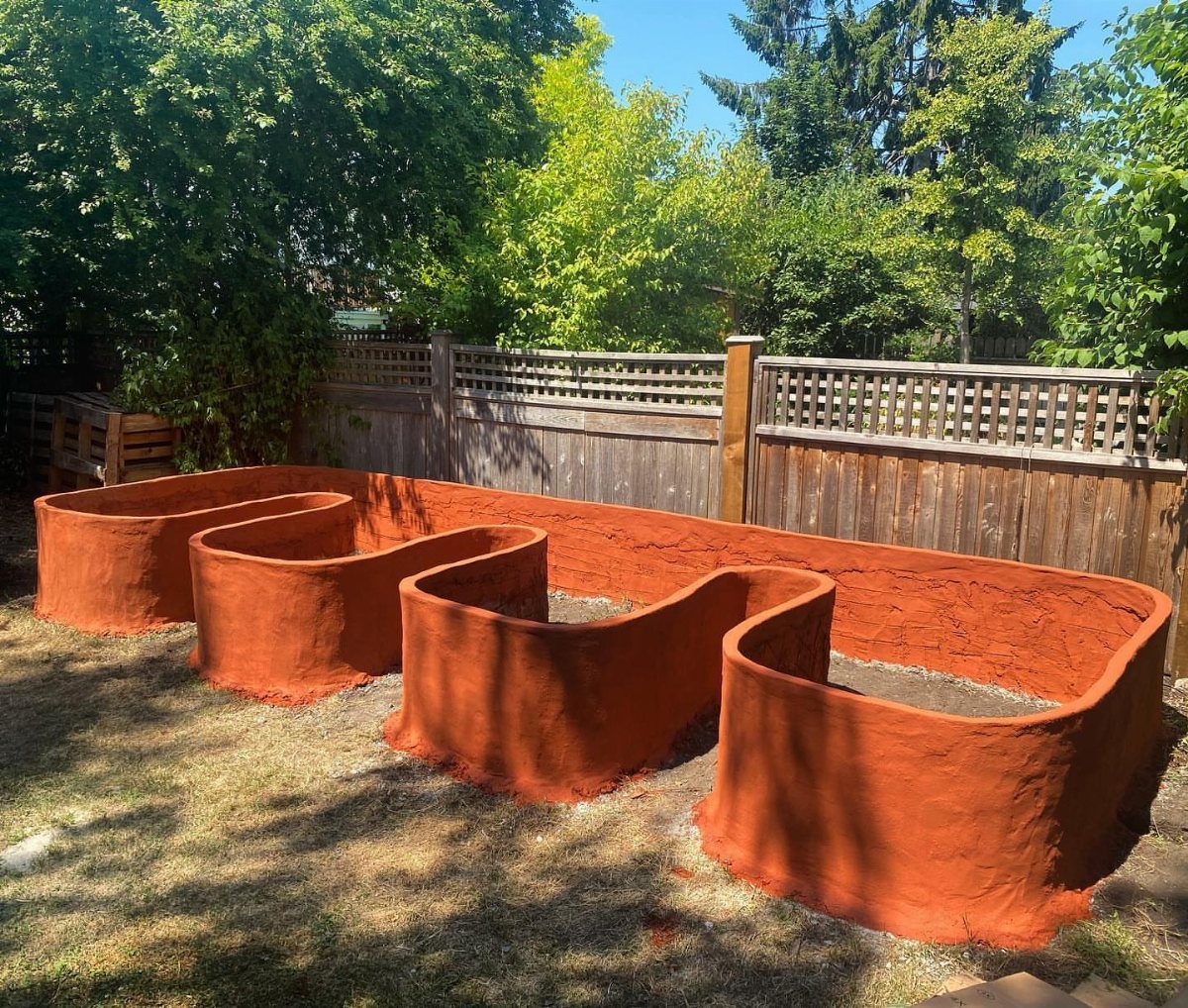
A curved stucco bed painted in terracotta brings warmth to a yard and follows contours that rectangular frames cannot. The winding shape softens edges and guides the eye through the space.
Build the base from concrete block or poured concrete, then apply stucco for a smooth finish.
Exterior masonry paint in terracotta or clay tones matches the hue of unglazed pottery. The color hides dirt well and holds up through rain and sun with occasional touch-ups.

Patented Leak-Proof Design – IGOHEALS raised garden beds outdoor feature uniquely curved, interlocking pillars that create a relatively tight seal to prevent soil leakage—no mess, no waste while still allowing full drainage. Ideal for veggies, herbs, and flowers in your planter box

Safe Folding Edge & Reinforced Design: The raised garden bed features a foldable edge with upgraded built-in iron clip to prevent injuries and ensure secure assembly. The robust structure resists deformation under sunlight, offering enhanced safety for children and pets while maintaining long-term stability

【Safe Edge & Rubber Trim】 The planter raised beds features a rolled top edge with a rubber strip to prevent injuries during setup and gardening. This thoughtful design enhances safety, especially for families with children and pets.
10. Painted Recycled Bottle Bed
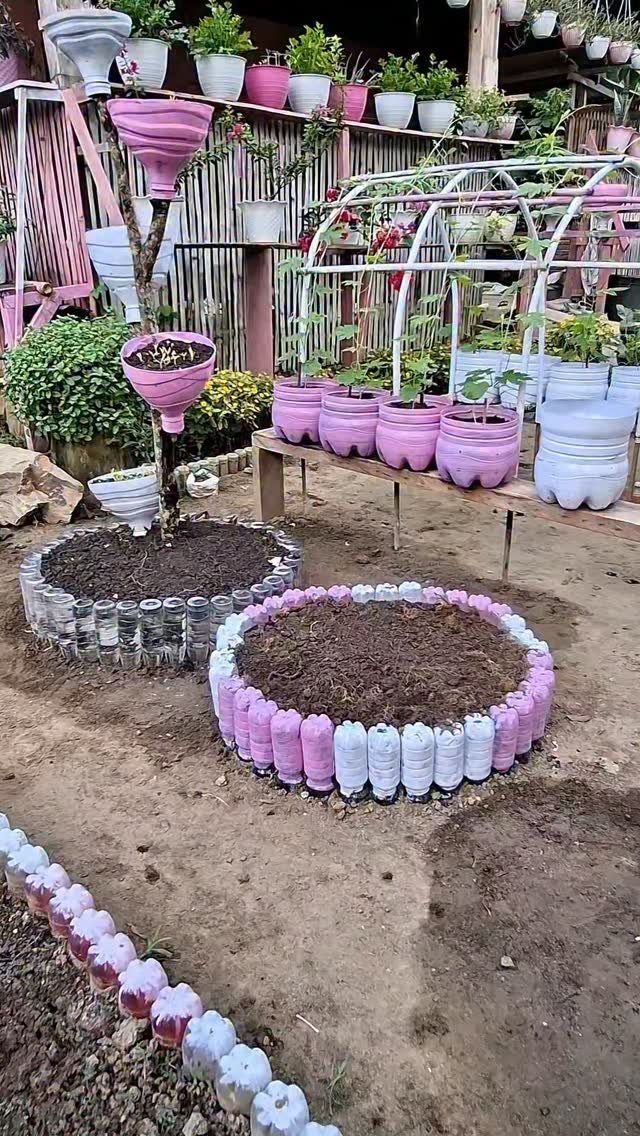
Plastic bottles stacked or nested into a circular frame create a raised bed from materials that would otherwise go to landfill. Painting the bottles pink and white gives the structure a finished look.
Cut the bottles to the same height, fill them with sand or soil for weight, and arrange them tightly in a ring.
The plastic holds up outdoors but may fade over time. This approach suits ornamental beds best, since the plastic sits close to the soil.

【6PCS Large Floral Stencil】: Package included sunflower stencils, wildflower stencils, and butterfly/dragonfly/bird/bee stencils.

🎨 【12 Large Floral Stencils Set】: Transform spaces effortlessly! This premium kit features 12 oversized botanical templates (including 3 different size, 12*12inch, 13.7*9.84inch, 13.7*5.9inch). Massive coverage for bold wall murals, furniture makeovers, garden decor art, accent walls, and floor stenciling. Create stunning floral repeat patterns and nature-inspired paintings easily!

Hummingbird Floral Pattern: 2 beautiful flying hummingbirds, 2 dancing butterflies, a blooming flower. The birds and butterflies are designed with unique floral patterns, novel, ingenious and full of artistic atmosphere. Perfect for farm, zoo, study, yard decoration.
11. Raised Beds with Painted Lettering
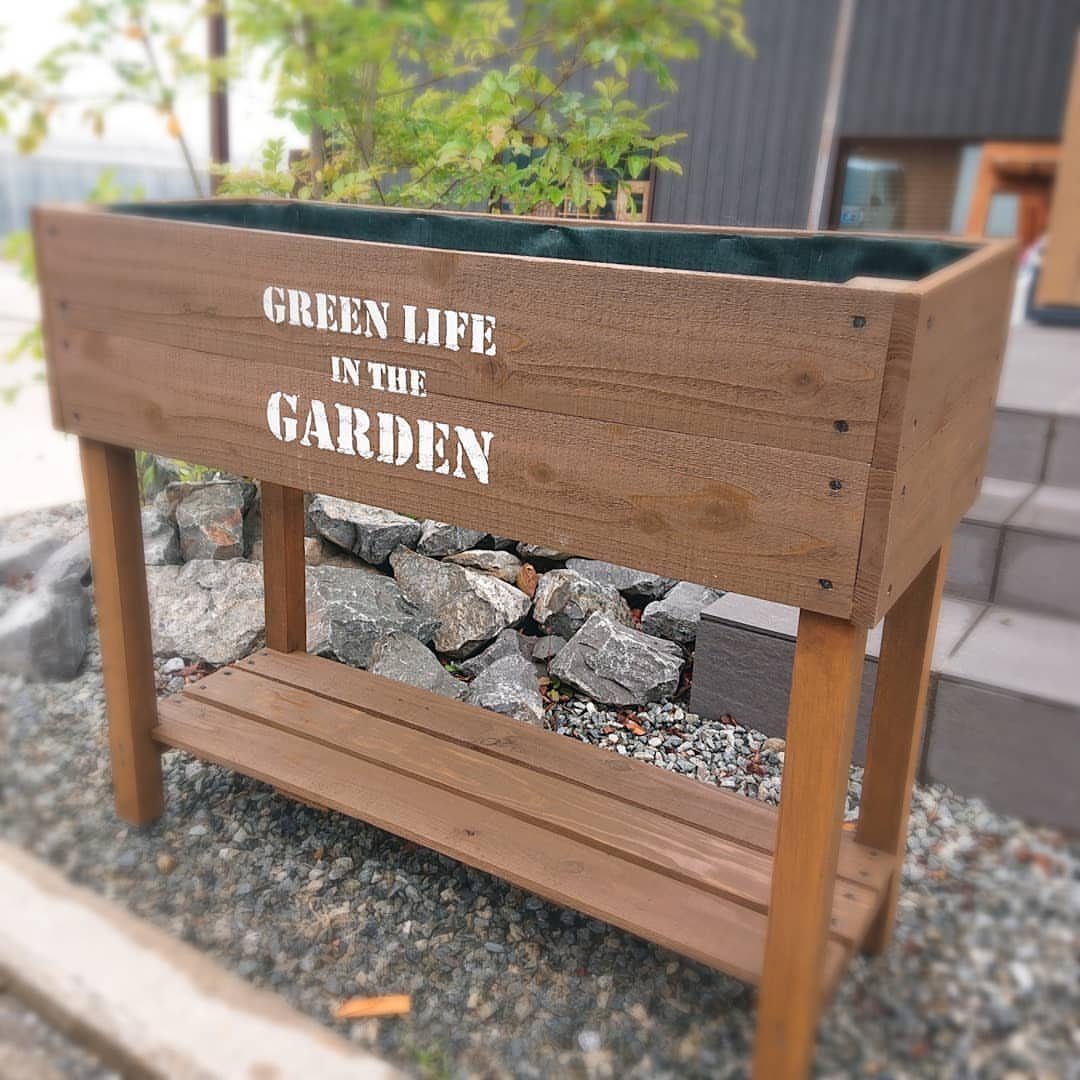
Painting a word or phrase across the front of a raised bed turns a plain frame into a labeled garden feature. White lettering on natural or stained wood reads clearly from a distance.
Sketch the layout lightly in pencil, then fill in the letters with exterior paint and a small brush.
A serif font looks traditional; sans serif reads more modern. The text can name what is growing inside or add a line that fits the garden’s personality.
Preparing the Bed Surface
Clean the outside of the bed with a brush or cloth to remove dirt and dust, then let the wood dry completely before you apply any finish. Wet wood won’t hold paint.
Sand rough or uneven areas smooth.
This step cuts down on the amount of paint you need and helps the coating grip the surface. If the bed has been painted before, sand off any loose or flaking paint so the new coat bonds properly.
A cloth or brush picks up sanding dust after you finish. Primer is optional but can improve adhesion on bare wood or over old finishes that have been sanded back.
Choosing Bed Colors
Gray, white, tan, and brown let the bed sit quietly in the garden so the plants take center stage.
Blue and green make the frame itself more visible. Match the color to nearby fencing, sheds, or furniture if you want the bed to feel like part of a larger plan.
Light colors reflect heat and stay cooler. In hot climates, a lighter shade reduces how often you need to water.
Frequently Asked Questions
Can I paint a raised garden bed?
Yes, if the bed is made from new, untreated wood and you use non-toxic exterior paint.
Do I also have to paint the inside of my raised bed?
No, if the inside is lined with landscape fabric or foil. I paint the outside only so roots never touch a treated surface.