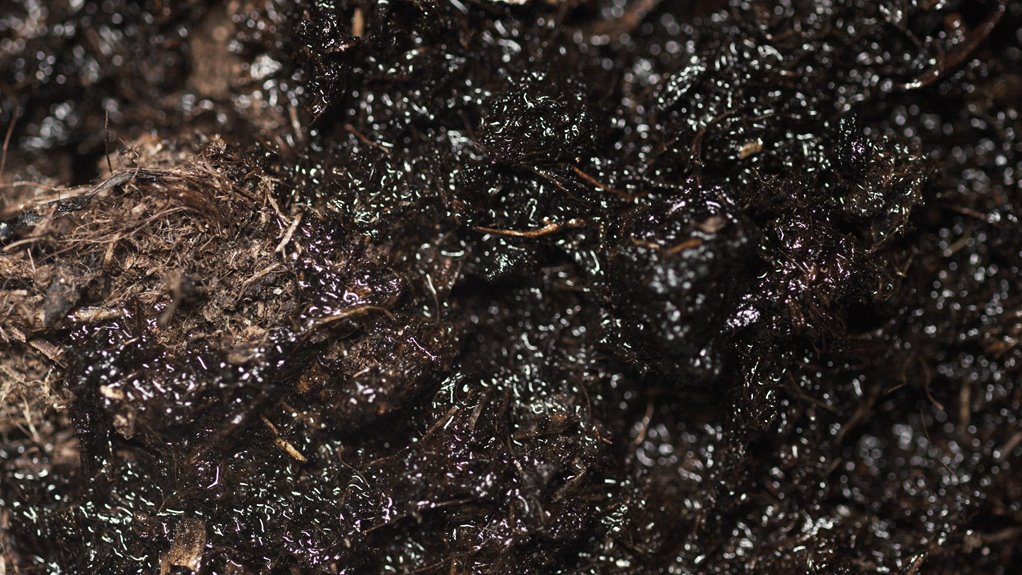
I use a 50/30/20 blend: 50% quality topsoil, 30% compost, and 20% aged organic matter. This mix drains well, resists compaction, and feeds plants all season.
I source bulk topsoil for big projects by checking color, smell, and texture first, and turn to bagged soil only for topping off.
Each spring, I test the squeeze and amend with fresh compost.
Each fall, I sow cover crops to protect living soil.
A complete breakdown of mixes and seasonal care steps follows below.
[link-whisper-related-posts]The 50/30/20 Mix for Perfect Raised Bed Soil
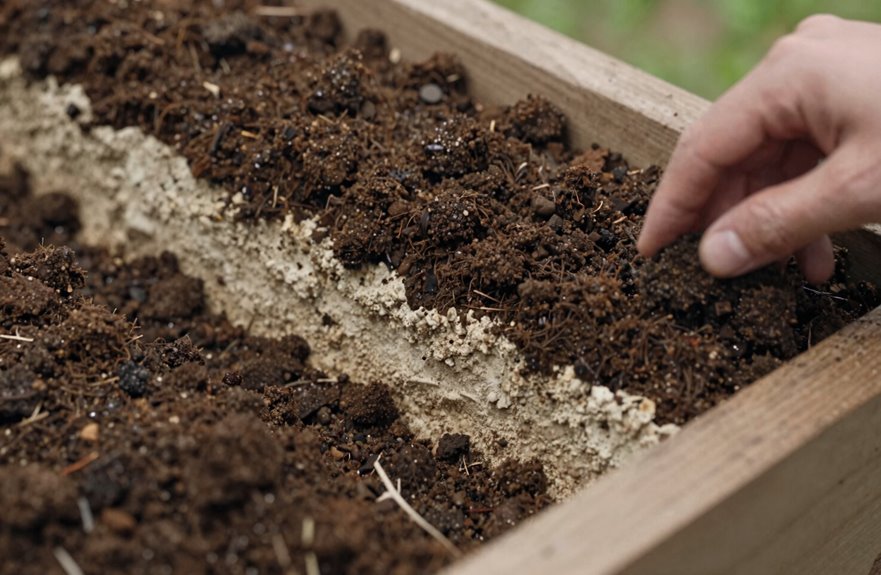
I’ve found that a simple 50/30/20 mix delivers excellent results for raised beds without overcomplicating things. I combine 50% topsoil, 30% compost, and 20% other organic matter to create balanced raised bed soil that drains well and feeds plants all season.
I source my compost from homemade piles, chicken manure, or worm castings, whatever’s available in my gardening community. Early on, Raised Bed #2 struggled compared to Mel’s Mix, but heavy spring rains and drainage issues caused that, not the recipe itself.
I always verify my topsoil quality to avoid contaminants and check that my compost isn’t overly salty. Using well-rotted organic matter keeps the texture light and workable. This straightforward approach produces thriving gardens without excessive labor or expense.

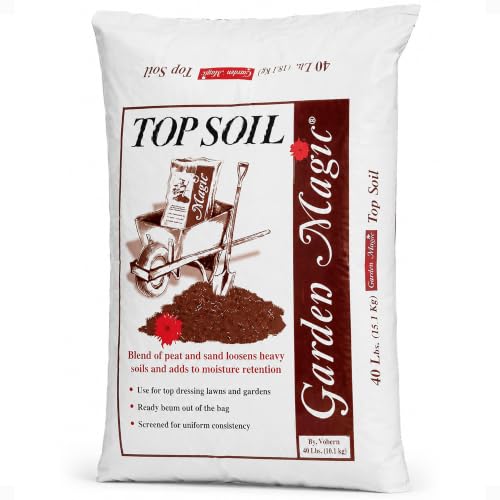
Certified Organic Composition: Crafted from a blend of peat and composted farm manures, this topsoil is OMRI Listed, ensuring it's suitable for organic gardening practices.
Ready-to-Use for All Planting Needs: This general-purpose potting soil is ready to use out of the bag, perfect for both indoor and outdoor planting without any extra prep

ALL-NATURAL MIX: Burpee Organic Premium Potting Mix is formulated with plant food & coconut coir to promote seed & root growth and healthy flower, vegetable & herb plants. OMRI Listed for organic use.
How Garden Bed Soil Differs From Ground Soil
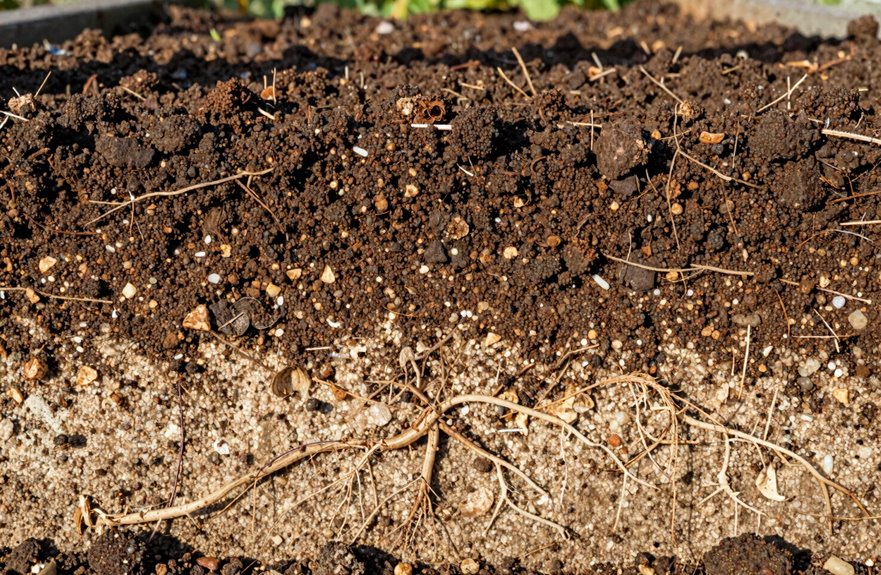
That 50/30/20 mix works because it solves problems native ground soil often creates. Heavy ground soil compacts and waterlogseasily, suffocating roots that need breathing room. When I build beds, I’m engineering for life.
My mix, roughly 50% topsoil, 30% compost, and 20% amendments, stays light and drains beautifully. I blend everything from day one, working it into existing soil so water moves freely without layered barriers. Ground soil doesn’t get this treatment; it grows what it grows.
I also grade my beds slightly, directing drainage away from centers where roots cluster. And I’m careful. Ground soil might hide lead or pesticides, but I’m growing food my family eats. That means testing and trusting only clean components. We’re building something intentional together.

Organic compost starter speeds up the composting process and is ideal for outdoor compost piles

OMRI Listed

Vegan-Friendly: Charlie's Vegan Compost is made without the use of animal products or by-products, making it a vegan-friendly option for those who are looking to reduce their environmental impact and support cruelty-free gardening practices. You can trust that you're providing your plants with a compost that is not only beneficial for them but also for the planet and its inhabitants.
Tested: Mel’s Mix vs. a 50/30/20 Blend in Real Beds
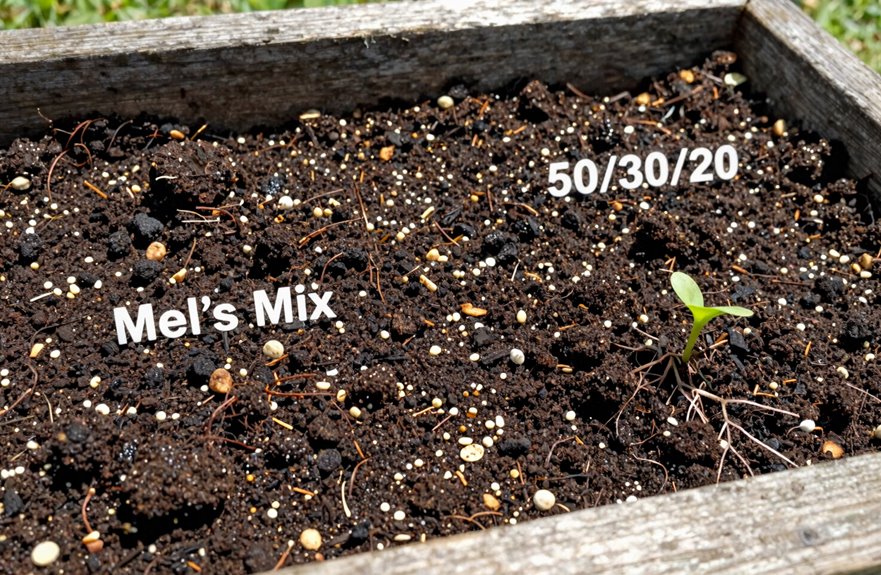
How do two popular soil formulas actually perform side by side? I tested Mel’s Mix against a 50/30/20 blend in two raised beds to find out what works for our growing community.
In Raised Bed #1, Mel’s Mix delivered light, fluffy soil with excellent drainage and barely any weeds that first month. My plants showed vigorous, healthy growth right away. The 50/30/20 blend in Raised Bed #2 struggled initially. Heavy spring rains and clay-heavy topsoil weighed it down, though well-rotted compost and worm castings eventually improved its structure.
Mel’s Mix costs more upfront, but you’re paying for reliable drainage and fast results. The 50/30/20 blend demands more patience and tweaking in clay soils or poor drainage conditions. Both need salt-free compost. Mel’s Mix outperforms on early growth and consistent results across varying conditions.

100% Organic & Peat-Free: Our compost mix is 100% organic & peat-free. Peat is one of Mother Nature’s most important stores of carbon. Instead of imported peat, the base of our soils is made from upcycled plant matter or wood fines from the United States!


100% Natural Compost for Plants - Compost is a nutrient-rich, soil-like substance made from blending yard trimmings and plant residue, such as leaves and grass clippings. Together, they’re composted to make a growing medium that’s part fertilizer, part soil amendment. When mixed with garden soil, compost helps loosen soil, holds onto moisture, and provides essential nutrients for plants.
Where to Buy Quality Topsoil for Raised Beds in Bulk
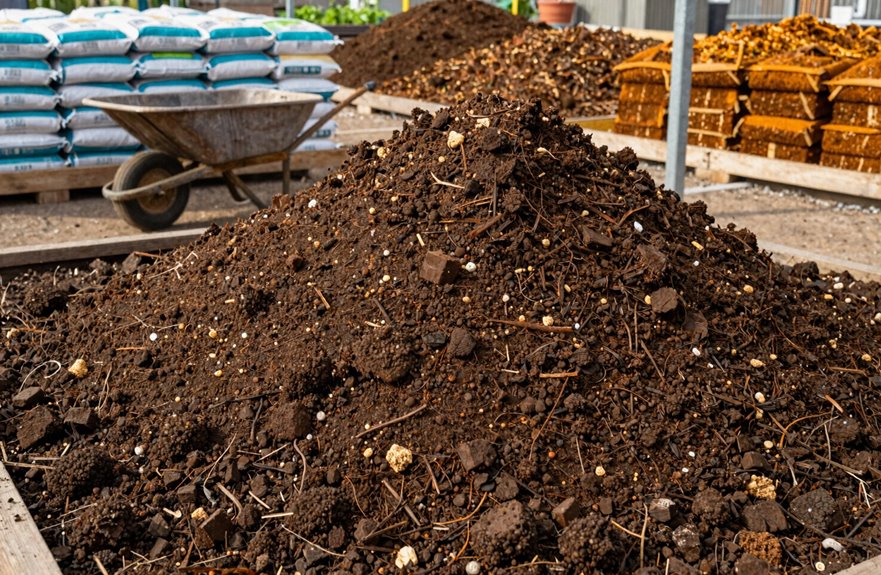
When you’re filling multiple raised beds, bagged soil stops making financial sense. I turn to reputable landscape suppliers and bulk soil yards for bulk topsoil that fits my budget.
I always inspect before I buy. I look for that rich, dark brown color and earthy smell that indicates quality soil. I run the Squeeze Test: it should hold together then crumble easily. No heavy clay, no sand, no mystery contaminants like lead or pesticides.
I request soil testing results or supplier references, and I sample small loads before committing to full delivery. I confirm cubic yard estimates and verify compost compatibility. Quality bulk topsoil creates the foundation for thriving raised beds with dependable growing conditions.

SUPERCHARGE YOUR GARDEN: Elevate your plants' growth with premium organic Brut Worm Castings. Our certified organic formula guarantees optimal nutrition for your indoor and outdoor plants.

Earth Worm castings from Mother Earth provide the best soil amendment for anything indoors or outdoors, including vegetables, herbs, flowers and houseplants. Pure USA Vermicompost, so there's no burn or odor.
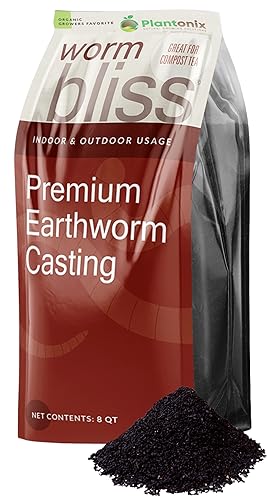
Organic Worm Fertilizer for Plants - Worm castings are a 100% natural soil amendment and garden fertilizer for indoor plants and outdoor plants. Organic earthworm castings are rich in essential nutrients like nitrogen, phosphorus, and potassium, as well as trace minerals that improve soil conditions for better overall plant mass.
When Bagged Soil Works (and What to Avoid)
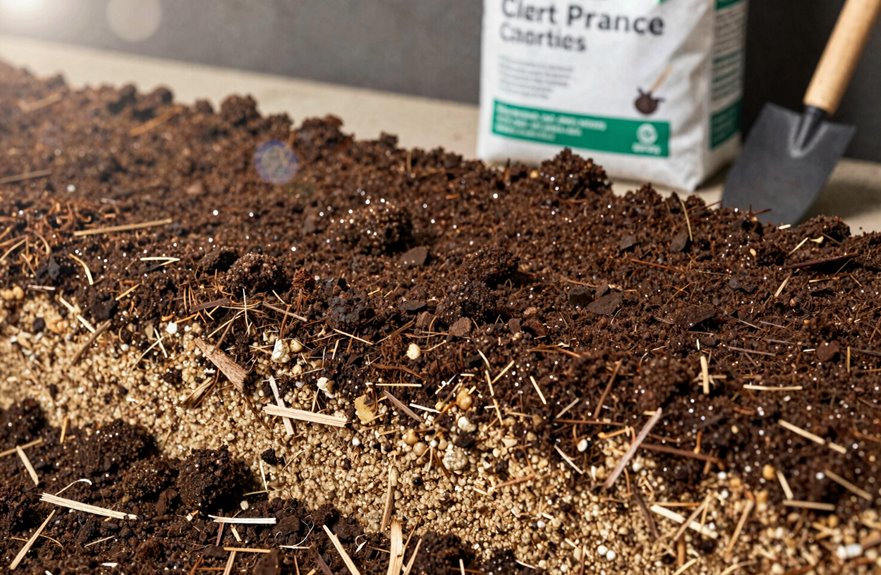
Bulk deliveries make sense for large projects, but bagged soil has its place too. When you’re filling a single raised bed or patching gaps, I grab four 8 cu ft bags of organic garden soil plus smaller bags and amendments like worm castings. It’s convenient, and my Bed #3 showed no drainage issues at all.
Bagged soil does have limitations. My tomatoes grew sluggish compared to other mixes, even with added organic matter. The workability feels great, but I watch moisture carefully since drainage varies by brand.
I always verify sources to avoid contaminants that hurt plant health. Quality topsoil components matter. Poor drainage or unbalanced nutrients can stall your garden. For small jobs, bagged soil works, but I stay selective and supplement wisely.

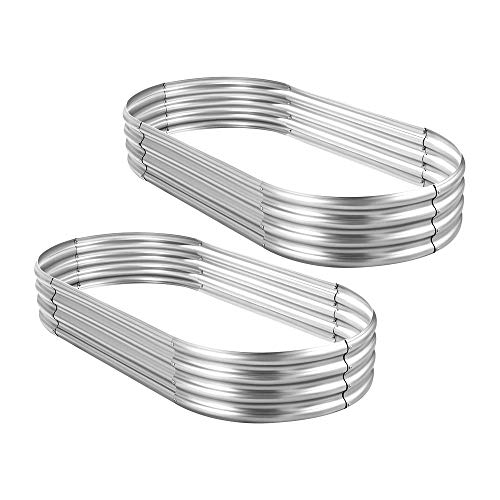
Each raised metal garden bed size: 4×2×1ft , 7Cu

Ready-to-Use Formula: No mixing or extra steps required. Simply pour and plant - perfect for gardeners of all experience levels.
The Squeeze Test: How to Check Soil Quality by Hand
I always start my soil evaluation with the squeeze test because it tells me everything I need to know about texture and moisture in seconds. I’ll walk you through the exact steps I use, then show you how to read what your handful reveals about clay, sand, or loam content. Once you know what problematic results look like, you’ll spot poor-quality bulk soil before it ever reaches your garden beds.

Nutrient-Rich Composition: 100% organic potting soil is packed with essential nutrients and minerals, providing a fertile environment that promotes robust and healthy plant growth
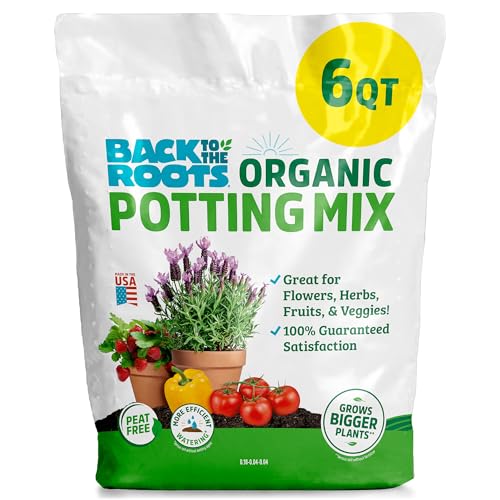
Includes 6qt of Back to the Roots Premium Blend Potting Mix. 100% Organic and Peat-Free, made from upcycled plant matter and wood fines from across the U.S. No imported peat, just better soil with a lighter carbon footprint.

Concentrated Potting Mix Replaces Heavy Peat Moss Bags: One 11 lb. (5 kg) compressed coconut coir block expands to approximately 79 quarts or 2.65 cubic feet of high-yield growing medium—delivering a compact, lightweight alternative to bulky soil and peat moss bales
Test Procedure Steps
How do you know if soil’s truly garden-ready without sending samples to a lab? Grab a handful of moist earth and perform the Squeeze Test right there in your garden.
Dig about six inches down where roots will actually live, not just the surface. Squeeze firmly and open your hand slowly. You’re checking if the soil forms a cohesive ball that flattens when you press your thumb. This tells you that you have adequate organic matter and structure working together.
Also use your senses. Look for that rich, dark brown color and breathe in that earthy smell of healthy ground. Feel if it’s sticky or gritty. These simple steps connect you to your soil’s composition before you plant a seed.
Interpreting Texture Results
Once you’ve squeezed that handful of soil, you’re assessing your dirt’s composition. Check the texture to determine if your soil mix will work in raised beds. Good topsoil holds together when squeezed, then crumbles easily with a poke. This indicates a balanced mixture of clay, silt, and sand working together.
If your handful stays sticky and forms a stubborn ball, you have heavy clay that will trap water where roots drown. When it falls apart completely, you’re looking at sand that won’t hold moisture or feed your plants. Smell the soil as well; earthy and rich indicates healthy soil, while gray and lifeless indicates poor structure. For raised beds, aim for roughly thirty percent organic material by volume to build structure that supports root growth.
Identifying Problem Soils
The squeeze test reveals what your soil’s hiding before you commit it to your garden beds. I grab a handful of moist soil and squeeze firmly. Good topsoil holds together, then crumbles with gentle pressure. This indicates balanced soil structure.
When I open my hand and find a stubborn, sticky lump that won’t break apart, drainage trouble is present. Excess clay traps water and suffocates roots. If the soil falls apart immediately without cohesion, it’s too sandy and won’t retain moisture for plants.
I also check color and smell. Rich, dark brown with an earthy scent signals healthy soil texture. Gray tones or rancid odors indicate problems. The squeeze test results combined with these observations determine whether garden beds will support plant growth.
Season-by-Season Soil Maintenance for Raised Beds
I start each spring by amending my raised beds with fresh compost and organic matter to replenish nutrients before planting begins. When autumn arrives, I sow cover crops like clover or winter rye to protect the soil structure and fix nitrogen through the dormant months. These seasonal practices maintain raised bed productivity while preserving the established soil layers.

Improves soil structure & aeration

Provides a broad spectrum of organic nutrients including nitrogen, phosphorus, potassium, calcium, magnesium, and silica.

You Will Love Our Product: Not all compost is created equal. Our compost is not in the same category as the bag you buy in your big box store. It is concentrated plant fertilizer that will jumpstart the bioactivity and nutrient content of your soil.
Spring Amendment Strategies
When spring arrives and you’re ready to wake your raised beds from their winter rest, start by blending a fresh soil mix of topsoil, compost, and organic matter to rebuild structure and improve drainage after winter’s compacting effects.
If you’ve been using Mel’s Mix, maintain that light, fluffy texture and ensure water moves through freely after those spring rains. Work in slow-release amendments like well-rotted manure or worm castings, avoiding anything too fresh that might burn roots with excess salts.
Till everything into the top layer, creating blended strata rather than distinct pockets where water pools. Through spring, monitor texture with the Squeeze Test, adjusting toward roughly 30% organic material by volume. This maintains consistent soil quality season after season.
Fall Cover Cropping
As autumn settles in, I’ll plant cover crops to shield my raised beds through winter. Rye, oats, clover, or vetch work best for cool-season growth. Fall cover cropping protects against erosion while building living soil structure through root networks and biomass. I’ll choose mixes that suppress weeds and scavenge nutrients, then terminate before hard frost to prevent reseeding. After cutting, I’ll incorporate that organic material or leave it as mulch. Either way, the decomposing plant matter feeds the microbial community beneath the surface.
| Cover Crop | Primary Benefit | Termination Timing |
|---|---|---|
| Rye | Deep roots improve soil structure | 2-3 weeks before spring planting |
| Oats | Quick biomass, winter-kills | Natural die-off in hard frost |
| Clover | Nitrogen fixation, erosion control | Before flowering in spring |
| Vetch | Dense organic material production | Early spring tillage |
| Mixed planting | Multiple ecosystem services | Varies by dominant species |
Align your selection with drainage and frost dates. This timing ensures cover crops establish properly and break down before spring planting begins.