
French wall paneling covers a wide range of approaches, from a simple chair rail or smooth wall treatment to full-wall teal wainscoting with layered color work.
The chair rail alone sits at roughly one-third of a 9-foot wall, marked with actual furniture in place before any cuts.
[link-whisper-related-posts]1. Chair Rail
A chair rail splits the wall at roughly 1/3 of its height, and that number shifts to clear your headboard, a side table, or any radiator in the way.
I mark the wall with the actual furniture in place before cutting anything.
On a standard 9-foot wall, the chair rail usually sits about a third of the way up. Build the ledge as a simple rail or stack a decorative moulding piece on top for a shelf effect.
The rail can stop at a door frame, run the full perimeter, or end on an inside corner with a small trim piece. Check the floor with each stile before gluing; an unlevel base bows the board.

【Extra Long Size】Measuring 23ft x 1.1" in length, our peel and stick wall molding offers perfect coverage for various applications. The ultra-soft material cuts easily with scissors, allowing you to customize the perfect fit for any project - whether you need short sections for cabinet edges or long runs for wall applications.

EVA Material: Made from high-quality, lightweight EVA foam - up to 90% lighter than wood or PVC moldings, flexible for curved walls and arches, and built for lasting reliability

Dimensions: 2.38 in. Width x 1 in. Depth x 96 in. Length
2. French Wall Moulding
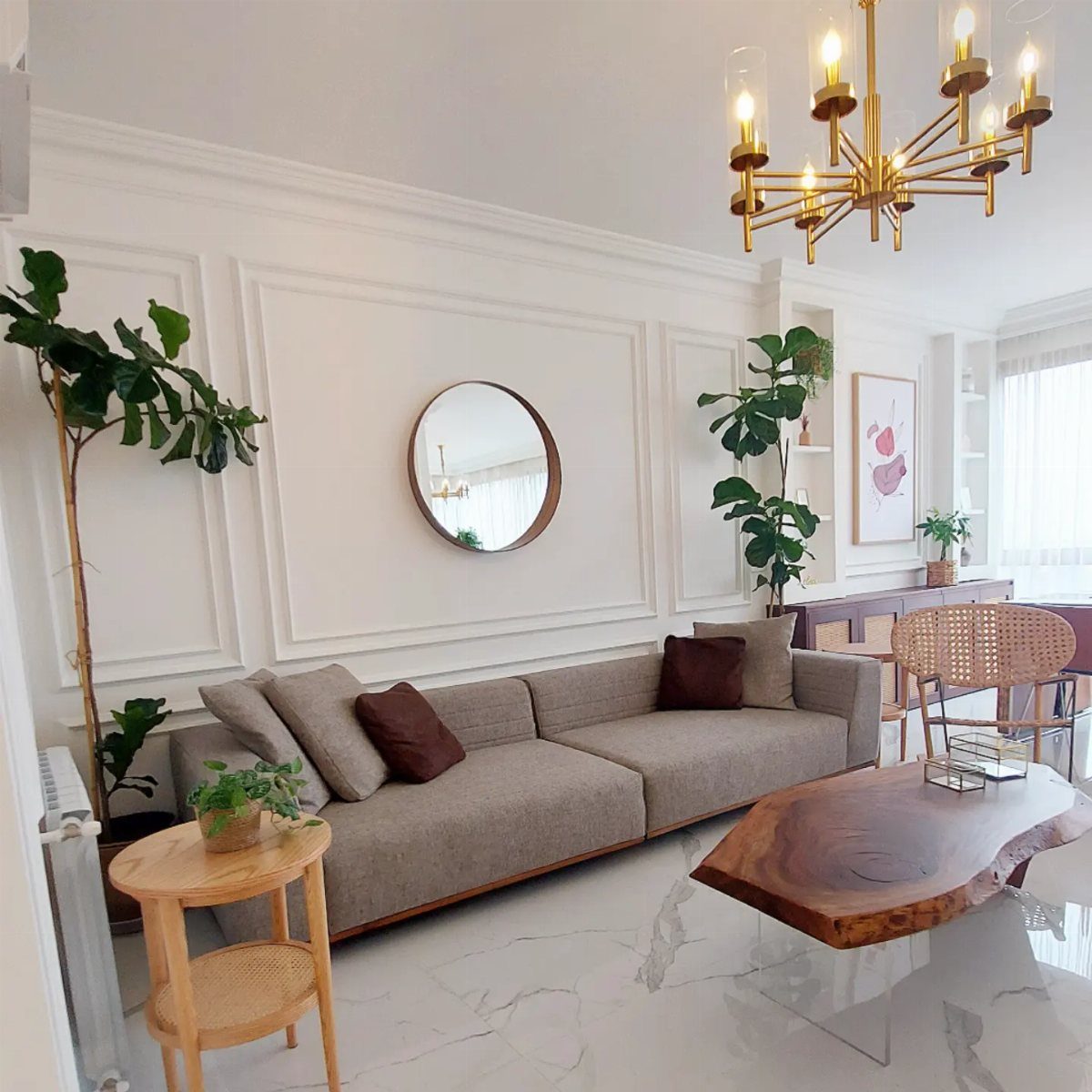
Boiserie moulding builds a shallow grid of rectangles that catches light across the wall. The three-dimensional effect comes from the shadow between rail and flat panel, not from deep carving.
A miter saw cuts the outer frame pieces at 45 degrees, working from the outside edge toward the inside edge. A carpenter’s square pressed into the corner keeps the joints from drifting out of square while the adhesive sets.
A grey sofa and brass fixtures read modern against white boiserie; the same moulding in a period room with gilt edges goes fully traditional. The moulding itself does not choose the era.

Sturdy and durable. Black grid panels are made of heavy duty steel. The strong structure makes the panels durable enough to hold heavy items such as clothing, sports equipment, house wares

【CHERISH YOUR MEMORIES】Some of the best moments are worth remembering forever. Create your personal memo board with our wire wall grid panels. A great way to decorate any room!

Quantity: 2 pack Grid Wall Panels, 1 set String Light, 10 pieces Colorful Clips, 20 pieces Natural Wooden Clothespins, 4 pieces Adhesive Hooks, 4 pieces No-Trace Hooks, 4 pieces Nails, 1 set Jute Twine. Many accessories, ideal for DIY Décor
3. Classic, Louis XV, and Louis XVI Boiserie
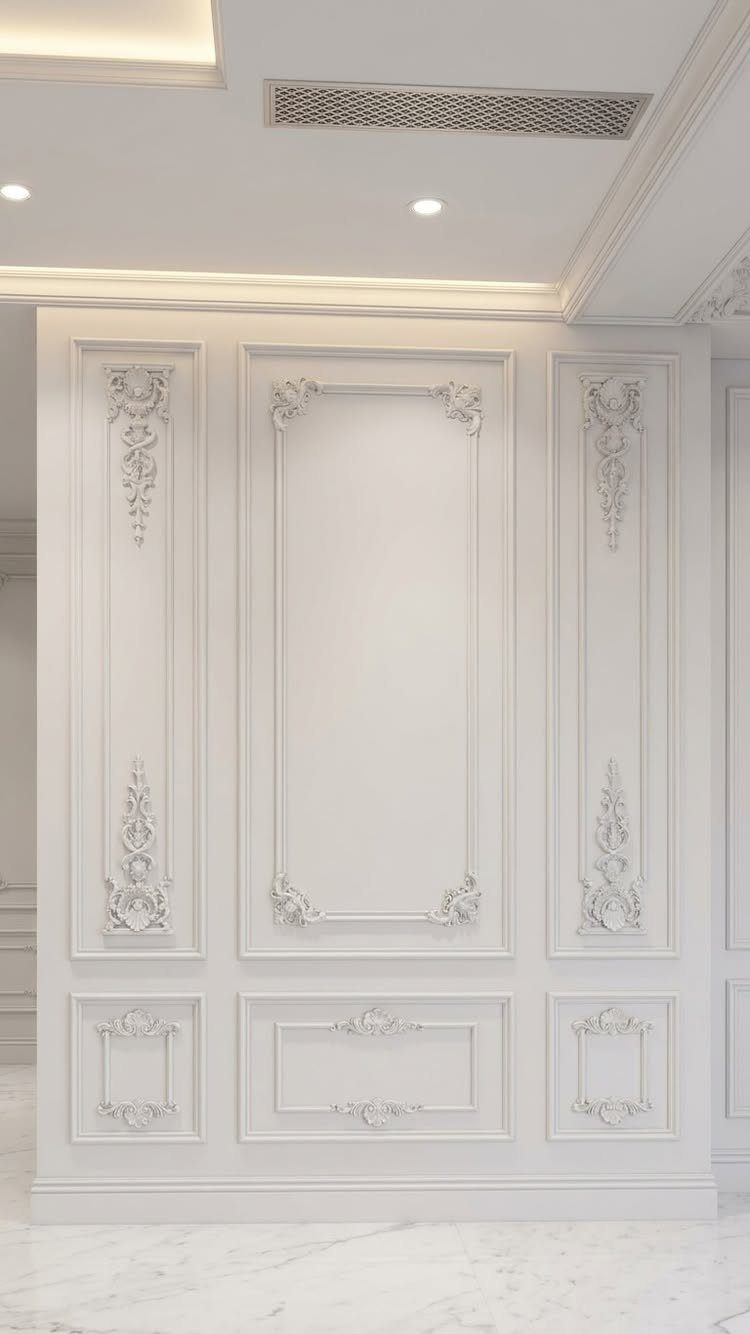
The three styles read as different personalities of the same grid. Classic runs straight rectangles in a regular pattern.
Louis XV softens the lines with curves and scrollwork. Louis XVI pulls back to cleaner geometry, closer to a modern eye.
Picture frame mouldings form the base in any version. Layer a second, more delicate moulding inside or at the corners for the ornate 17th- and 18th-century look without commissioning carving.
A bedroom or formal dining room suits the extra detail; a hallway or kitchen stays calmer in classic grid alone. The double layering adds time and cost but not structural difficulty.

Elegant Semi-pearl Wall Molding Trim: this DIY peel and stick molding trim features a delicate 3D semi-pearl design made of flexible PVC, adding a touch of sophistication to any space; The white finish blends seamlessly with modern, classic interiors

Seamless Application - Peel and stick design ensures hassle-free installation, no tools required

Wadile Moulding Trims:With a size of 180 inches by 3.1 inches and a thickness of 0.3 inches. It can be easily cut to fit your desired length, making installation a breeze. Note: 180 inches consist of 2 rolls 90 inches.
4. French Wall Panel Aesthetics
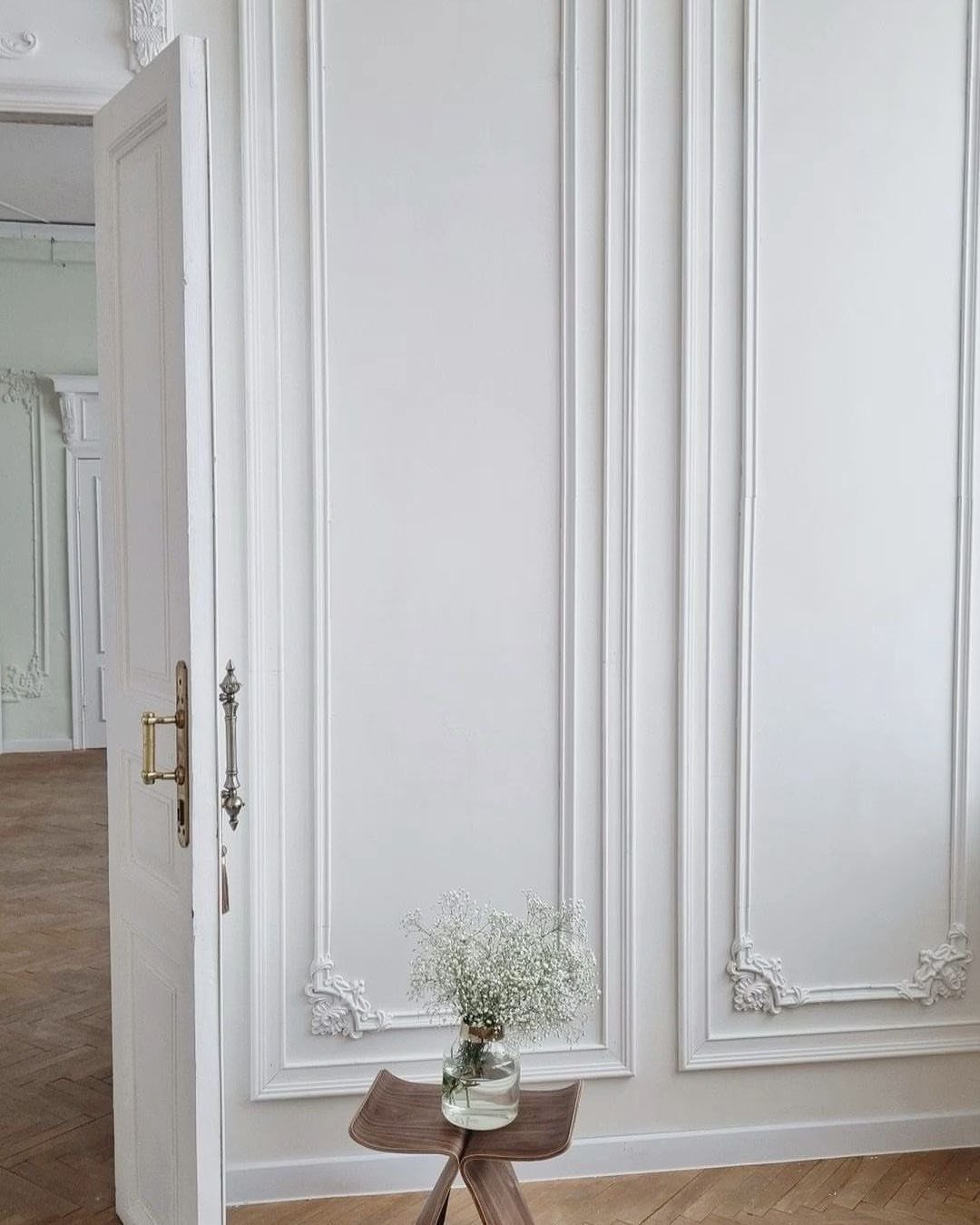
Ornate corners and gilded accents push the same grid toward luxury, but the line between elegant and overdone sits at the amount of gold, not the moulding itself.
Carved appliques and onlays at the corners or center of each panel add the hand-worked look without hand-carved prices.
I would skip gilding entirely in a room with modern furniture and let the white-on-white geometry do the work. Add gilt only where the room already holds brass, gold frames, or warm wood tones that can carry it.
Check your light source: natural light from one side throws asymmetrical shadows that exaggerate every curve. Rooms with overhead light alone flatten the effect.

Premium Print: This PosterEnvy 12x18 inch poster is printed on Durable, Heavy Duty Paper, Designed to last many years Proudly Made in the USA: PosterEnvy is a Family owned...
5. Smooth Walls Paneling
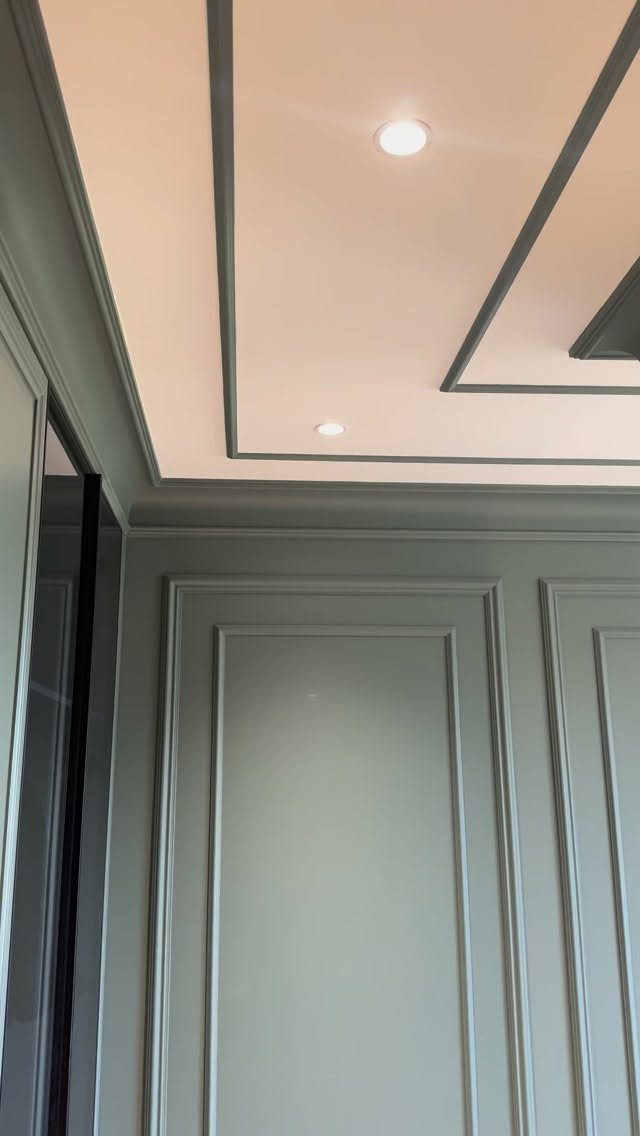
Textured walls fight the clean edges that make paneling read as intentional. A skim coat before installation fixes this, and the hour or two of drying time pays back in the final flat finish.
Construction adhesive run in a zigzag behind the chair rail, plus a few finishing nails, keeps the lower frame from shifting.
The rail can stop at a door frame or keep going; an outside corner needs a cap piece, while an inside corner can end flush.
Pre-cut Wall Molding Kit : Our wall moldings include 6 pieces of 24 inch decorative strips and 6 pieces of 32 inch decorative strips.Can be freely matched according to your needs,bringing an elegant finished appearance to doors or walls

MDF Material for Lasting Use: this board and batten wall panel kit is made from MDF, offering sturdiness and water resistance; The surface is smooth, providing a comfortable touch for interior wall applications

Elevate Your Walls Instantly – These fluted PS wainscoting panels add a clean, modern architectural look to any space, perfect for accent walls, half walls, and decorative wall upgrades in living rooms, dining rooms, and hallways
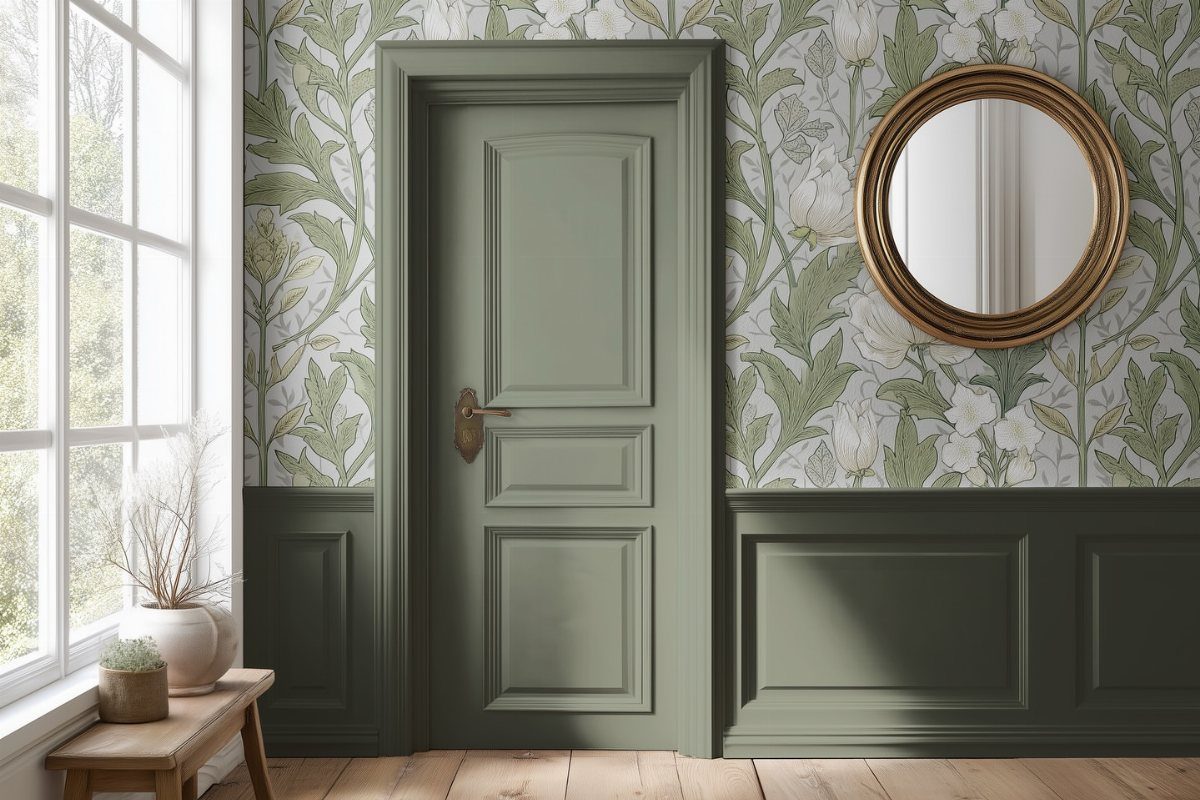
6. Wainscoting with Floral Wallpaper
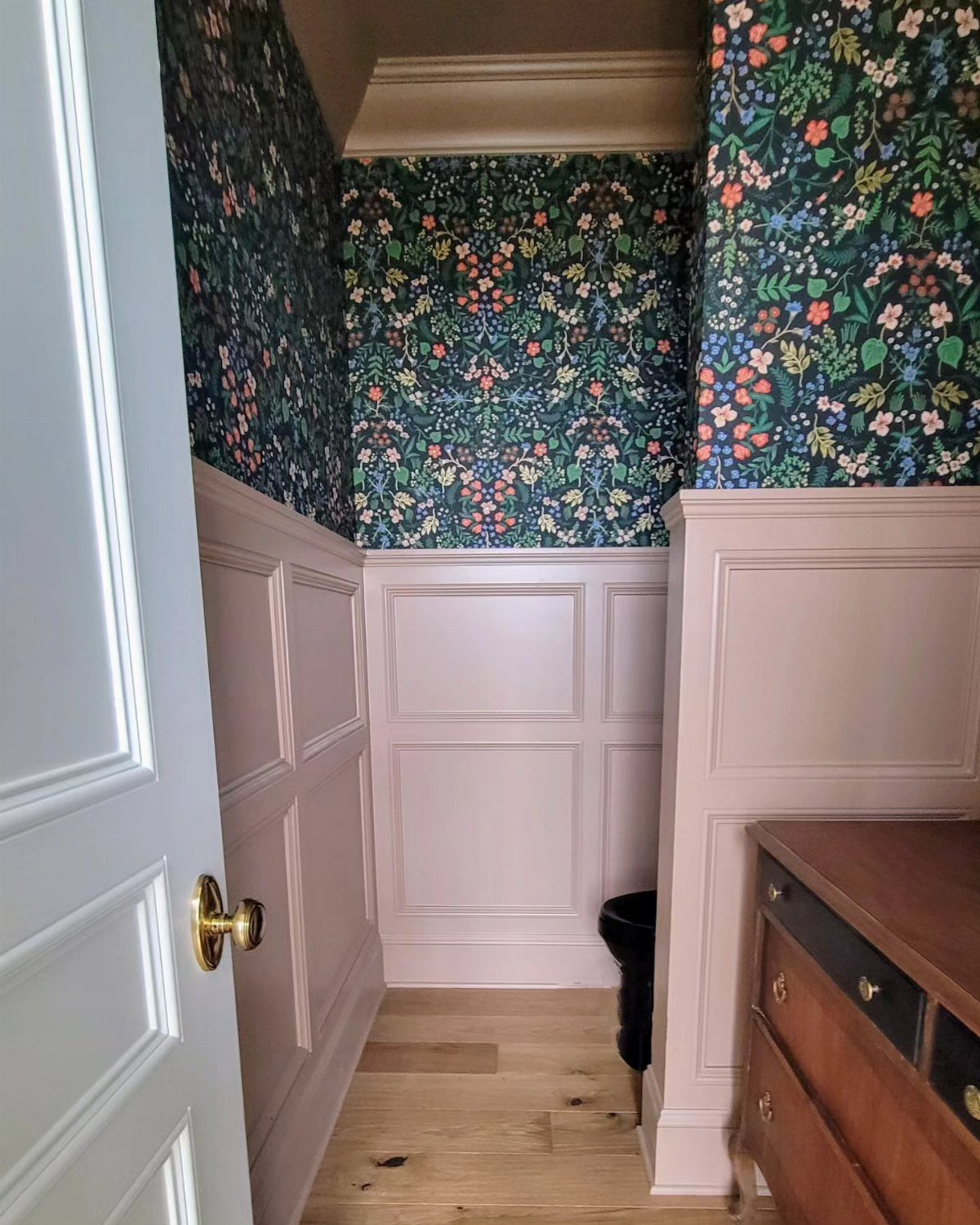
Raised-panel wainscoting below and wallpaper above splits the wall at chair rail height, but the harder call is which surface gets the busy pattern.
With the floral paper up high and the paneling down low, the room feels anchored rather than top-heavy.
I would test a large wallpaper sample against the painted panel color in the actual light before ordering.
The wainscoting stiles run vertical, the rails horizontal, and the raised panel sits inside. Order matters: frame first, then fit the panels, then paper above after any paste drips dry.

EVA Material: Made from high-quality, lightweight EVA foam - up to 90% lighter than wood or PVC moldings, flexible for curved walls and arches, and built for lasting reliability

Unfinished not stained solid hardwood. Natural color may vary from piece to piece.

【Material and Appearance】Wall peel and stick molding trim is made of flexible TPE material, which are reliable. It can be used and not easy to fade after installation. Note: not paintable
7. Beige French Wall Panels
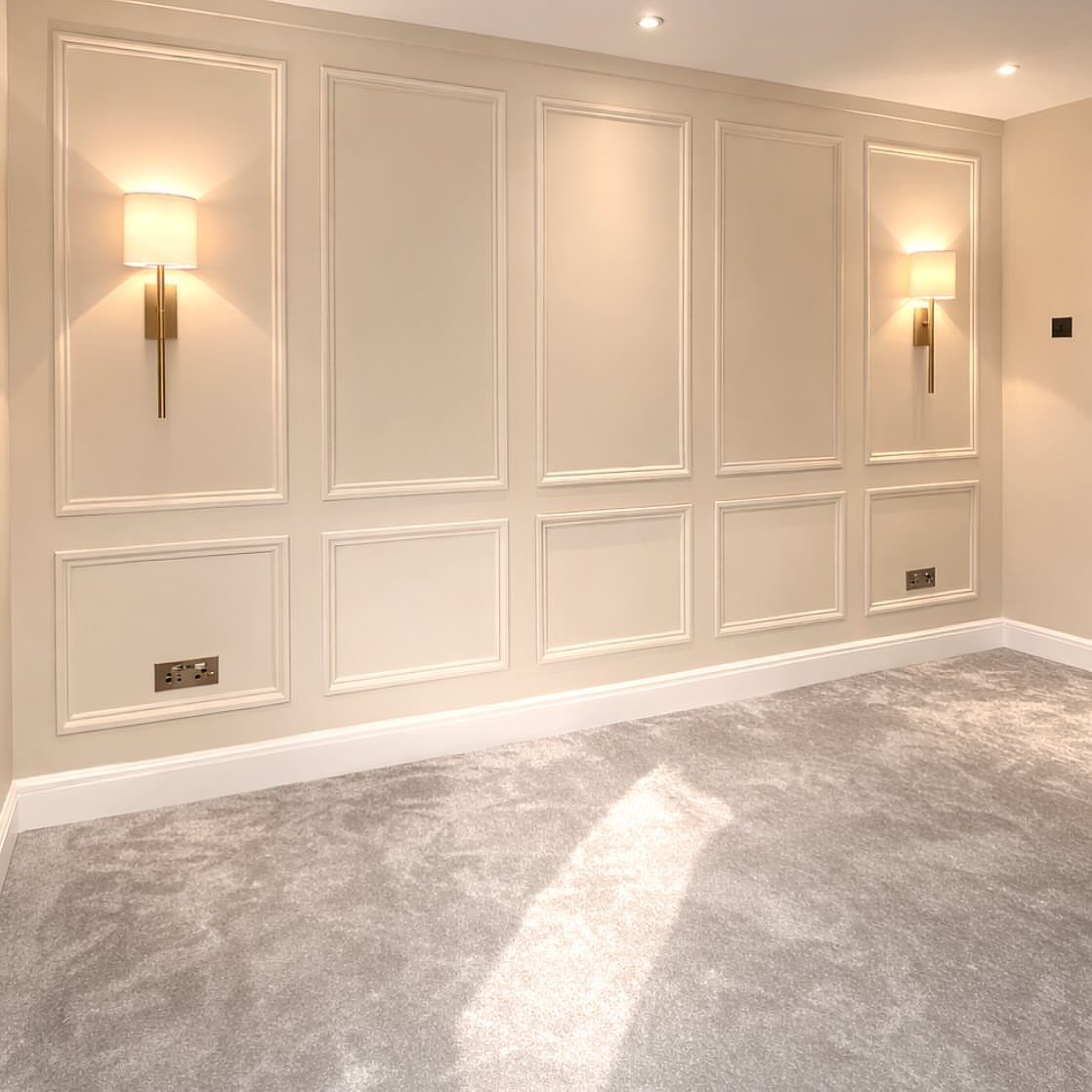
Beige panels read warmer than white in north-facing rooms, and the gold sconces here pick up that warmth rather than fight it.
The molding is simple rectangular frames, nothing carved, which keeps lumber and paint costs low if you do the cuts yourself.
I would check your carpet tone before committing. Grey with cool undertones turns beige muddy; warm greige keeps the whole wall from looking like a rental default.
Sconce placement matters more than fixture price: set them on center at eye level when standing, so the light grazes the panel edges.
Best for someone who wants the French look without committing to gloss white or a bold color. Beige paneling needs real shadows to show its shape; flat overhead lighting kills it.

【Heavy-Duty Gridwall Panels】 Made from reinforced steel with a sleek black finish, these 2' x 6' grid wall panels are strong and durable, able to hold clothing, tools, home accessories, or retail merchandise.

Material: The wire grid boards are made of metal with white coating

HIGH QUALITY CONSTRUCTION: Made of iron wire with electroplating technology surface treatment, featuring anti-oxidation and anti-corrosion properties that effectively extend the service life
8. Teal Full Wall Wainscoting
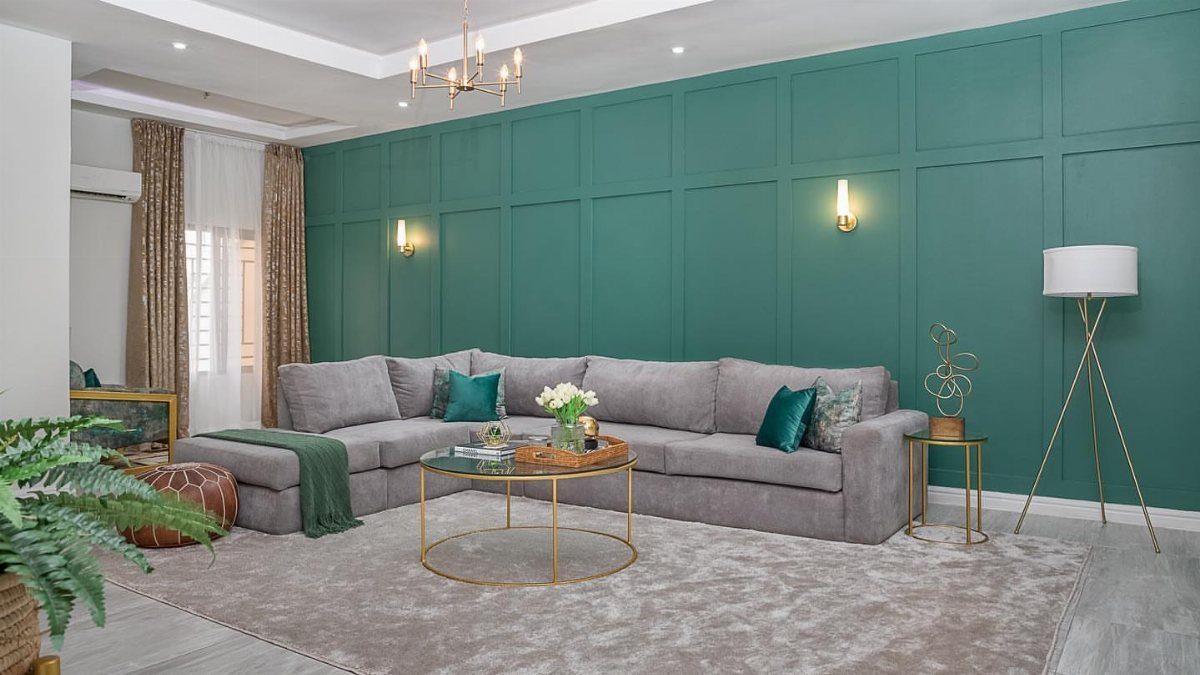
A full teal wall with grid paneling works best when the rest of the room stays quiet.
The grey sofa and gold table here let the wall be the one loud thing; add a second strong color and the room turns busy fast.
For the paneling itself, I would measure wall width first and divide by thirds for the box width, not guess. Traditional French frames run floor to ceiling, but full-wall wainscoting style with the grid covering everything has its own place.
PL construction adhesive behind each piece prevents the nails from working loose as seasons change. Standard chair rail height can look cramped in low-ceiling rooms, so I scale it to what the room can handle.
The paint is the expensive part. Deep teal needs tinted primer and multiple coats minimum; budget for paint with enough pigment to read saturated, not pool-colored.

Twisted Rope Moulding: This self-adhesive decorative strip features an exquisite twisted rope moulding design, adding delicate layers and a refined decorative touch to your home

Easy Installation: Installation is a snap with our simple 3-step process: cut, peel, and stick. It's quick, effortless, and requires no special tools

【Long lifespan】Decorative strips are made of excellent TPE material,which are soft, elastic, reliable,durable and not easily detached or fade and deform over time after installation, resulting in a long service life.
9. White and Gold French Panels
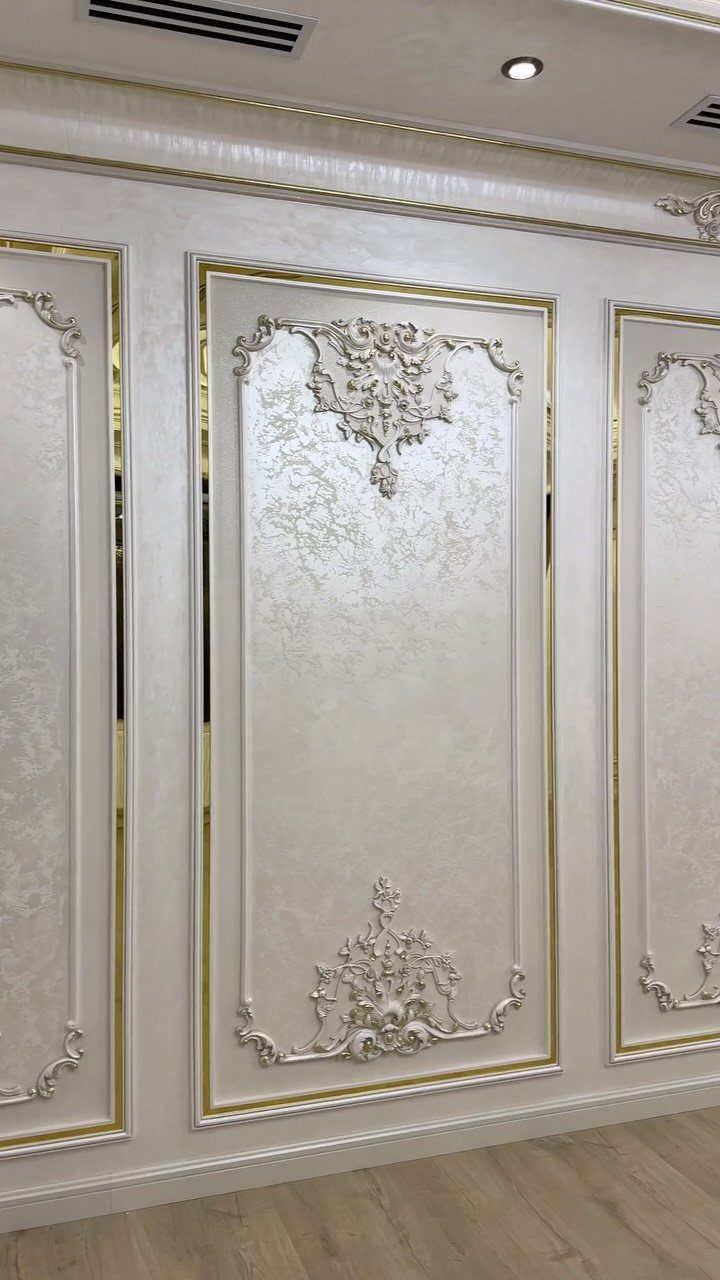
Carved flourishes and gold trim move this from DIY molding into installed millwork territory. Polyurethane appliques ordered to size and adhered flat cost a fraction of hand-carved wood for a similar look.
If you are set on the look, I would skip the carving and keep the gold trim as your accent.
Thin brass nailhead strip or gold leaf tape along existing flat panel edges gives most of the effect for paint-store money. The ceiling here is cream, not white, which keeps the gold from looking like jewelry on a work uniform.
This version suits a single feature wall in a bedroom or dining room where you want one photographable corner. The maintenance is real: dust settles in relief carving, and gold trim shows fingerprints.
10. Arched French Wall Paneling
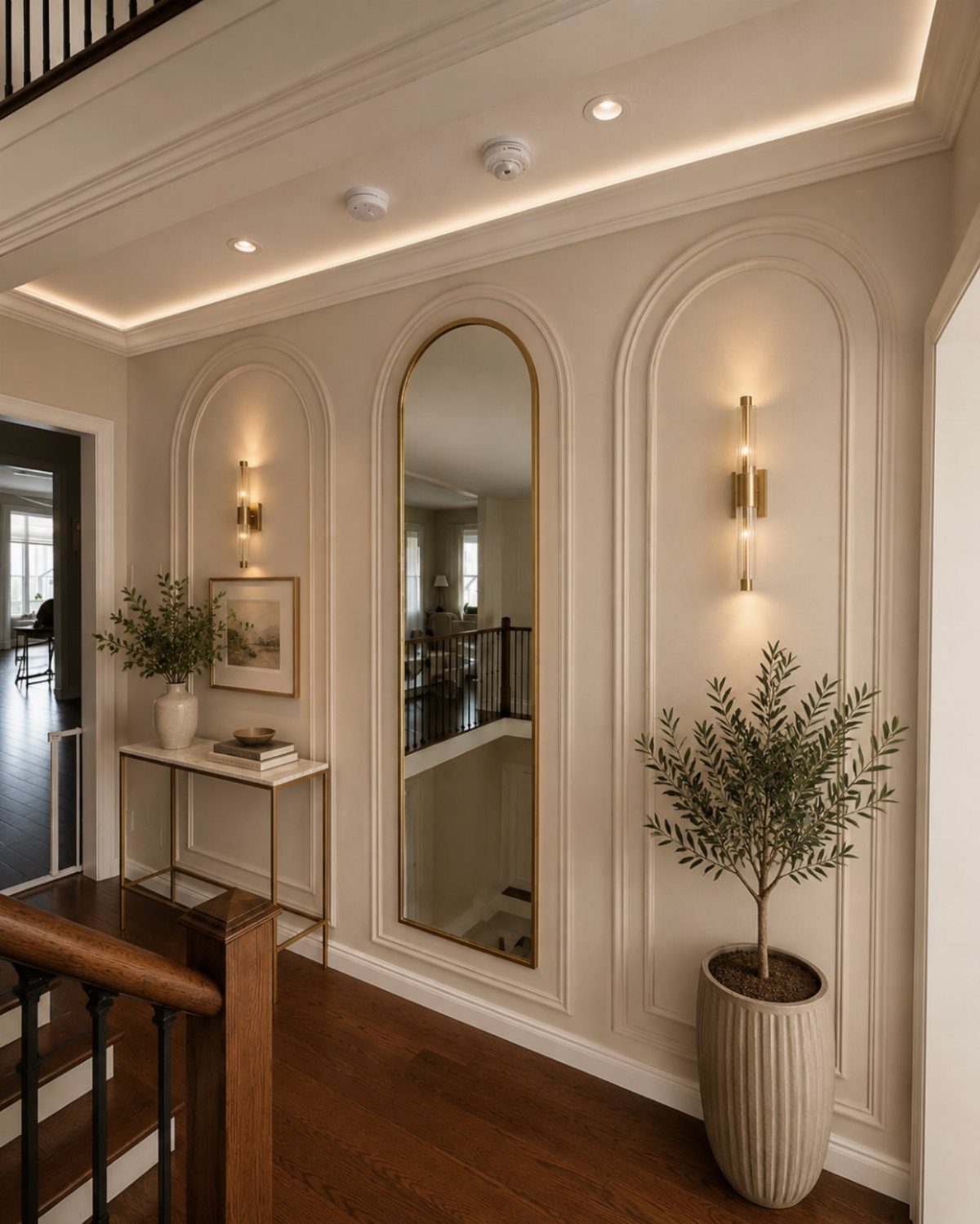
Arched tops on paneling break the grid rhythm that can make a hallway feel like a corridor. Multiple arched sections need room to breathe; in a standard-height room I would drop to 2 arches or they crowd each other.
Building the curve is the hard part. Flexible molding exists but cracks at sharp bends; I would cut a thin plywood arch and face it with standard molding strips, coping the joints where they meet the vertical stiles.
The mirror and sconces sit inside the arch frames, not between them, which means your electrical rough-in has to land right the first time.
This is more weekend than one-day work. The payoff is a wall that reads as architecture, not applied decoration.
Best for long, narrow spaces where standard rectangles would repeat too many times.

Wainscot Kit: This kit includes 8 pieces of 35.8 x 9.8 inch wainscoting panels and 2 pieces of 1.8 x 38.7 inch slats, it covers 21.5 sq, ft and matches most interior color schemes
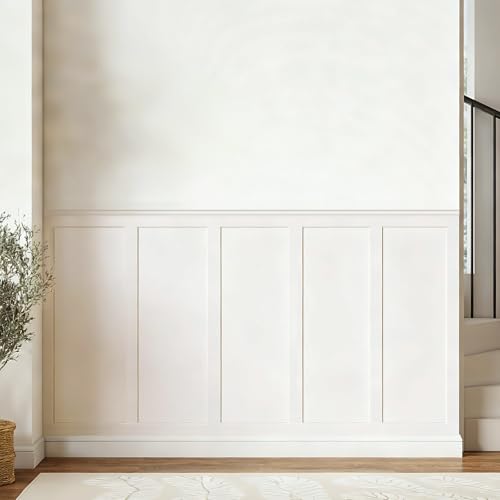
【Coverage】Includes 10 pre-cut wall molding slats and 2 shelf edge strips to create a clean board & batten look. (No peel-and-stick adhesive or nails included)

Complete Quality Mid Century Wainscoting Kit: the package includes 6 mid century wainscoting panel kit, each measuring about 30.71 x 23.62 inches, offering a complete decorating solution; Upgrade your space effortlessly with our mid century wainscot 3D wall panels; These panels allow for diverse creative combinations, adding variety and character to your interiors
11. Grey Walls with White Framing
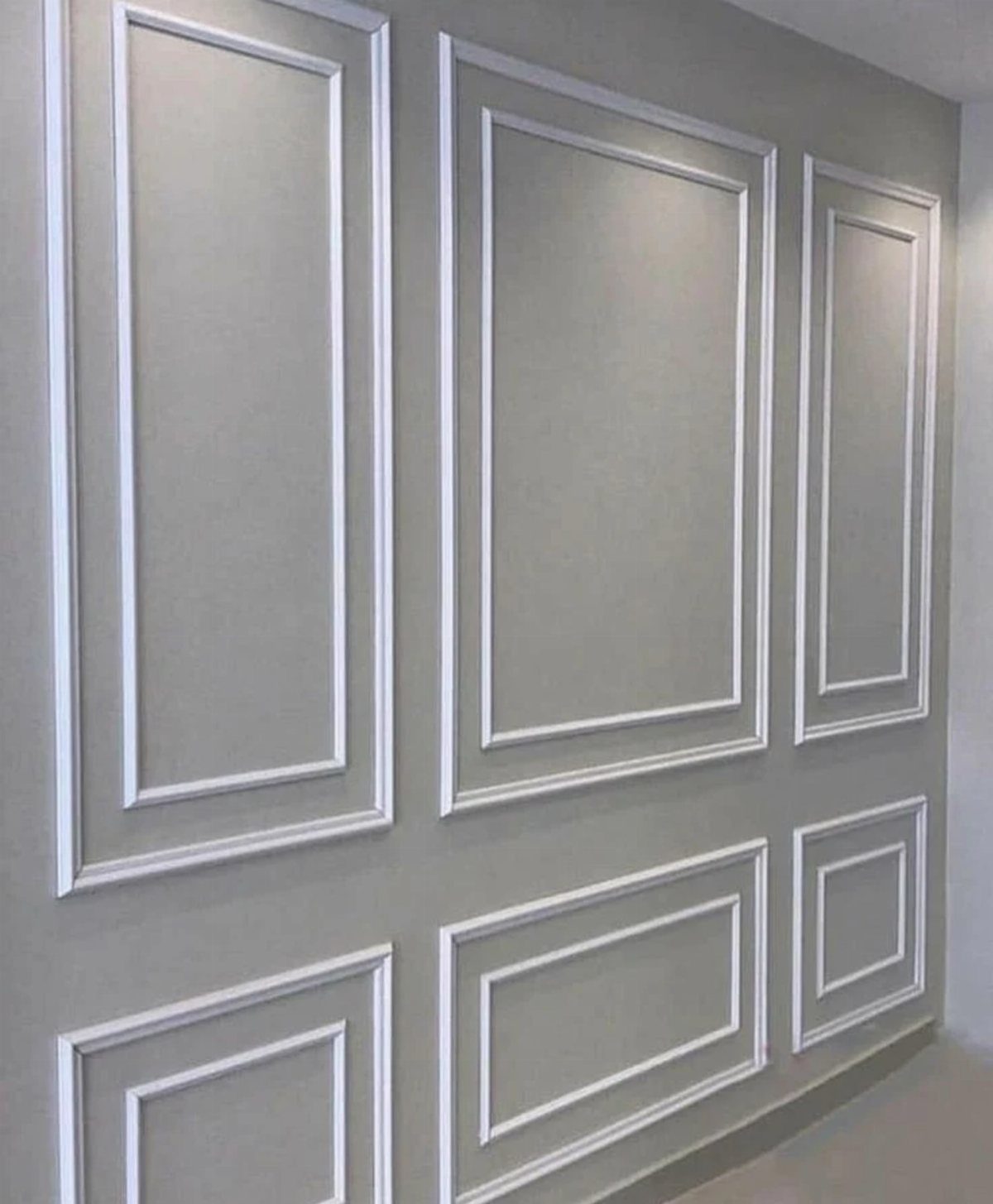
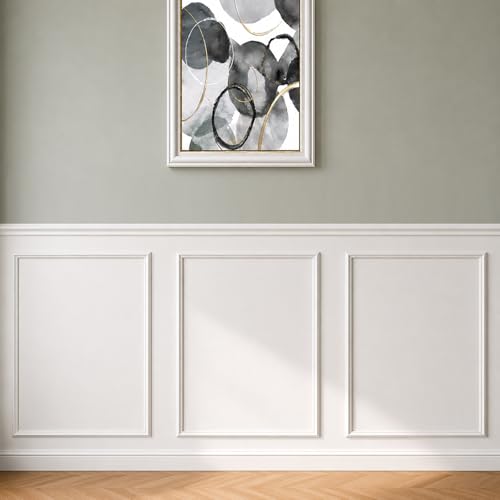
Two tiers of white molding on grey gives you the French paneling structure without committing to a full wall of color.
The grey here is light enough that the white reads as contrast, not outline; go darker grey and the effect turns institutional.
The double-layer panels are the detail to copy. Nested frames with an inner layer inset from the outer create the depth you see; single-layer molding looks flat by comparison.
I would paint the grey wall first, install the white frames, then touch up where caulk meets paint. The order matters because white caulk on grey paint is easier to clean than grey paint on white molding.
This is the most forgiving entry on the list for renters or anyone who might move. The molding comes down with a putty knife and a hairdryer; the grey wall needs only a patch and paint to disappear.
Versatility of French Paneling
French paneling scales to the wall you have, not the wall in a photo. Measure first, then decide between full-height boiserie or the 2/3 upper treatment with wainscoting below.
The rule of thirds governs both: divide the wall height or width by 3 and let that module set your frame size.
The frames stay rectangular in either case, running floor to ceiling or stopping at chair rail height. What changes is the proportion, not the technique.
Skill Level for Installation
Complex curves and layered appliques push the work toward a finish carpenter’s skill set. A straight-grid boiserie only asks for patience with a miter saw and a level.
The real gate is time, not talent. A single feature wall of flat molding takes a weekend of measuring, cutting, and waiting for adhesive to set.
Add carved corners or arched tops and the timeline stretches; the cutting gets fussier and the fix for a bad joint is replacement, not caulk.
I would start with a hallway or a single dining wall before committing a whole room. The mistakes teach you what the next wall needs.
Historical Significance
Boiserie took its form in 17th- and 18th-century France as permanent architecture: raised panels, carved corners, and symmetrical grids built into the wall itself. The craft was joinery, not decoration, meant to last centuries and move with the house.
What we install now is surface molding that quotes the look. Polyurethane appliques and mitered rail stock give the shadow and line without the hand-planed panel or the dovetail joint.
The lineage is visible but the construction is different; the symmetry and proportion matter more than the material.
Color Schemes
The French panel palette runs muted by habit, not by rule. Grey-green with a thin crackle layer over it shows up in some reproduction papers; the tone reads sober against white trim and keeps a small room from closing in.
White-on-white stays the default for a reason. It catches the shadow that the molding builds, and it shifts with the light across the day.
Beige warms north-facing rooms where grey turns cold; teal or other deep colors need enough pigment to read saturated, not diluted, and that costs more per gallon.
Frequently Asked Questions
What are French walls called?
French wall paneling is called boiserie. Boiserie is what the French call this shallow grid of rectangular moulding that catches light and casts shadow across the wall, giving a three-dimensional effect without deep carving.
Is it cheaper to panel or drywall?
Paneling can run cheaper, especially if you handle the cuts yourself and keep to simple rectangular frames without carving.
What are those wall panels called?
They are called French wall panels or boiserie.
The style builds a grid of picture-frame mouldings on the wall surface, sometimes with a second delicate layer inside or at the corners for the more ornate Louis XV and Louis XVI variations.
What are some typical French decor styles?
The three main styles are Classic, Louis XV, and Louis XVI.
Classic uses straight rectangles in a regular pattern; Louis XV softens the lines with curves and scrollwork; Louis XVI pulls back to cleaner geometry that reads closer to modern taste.