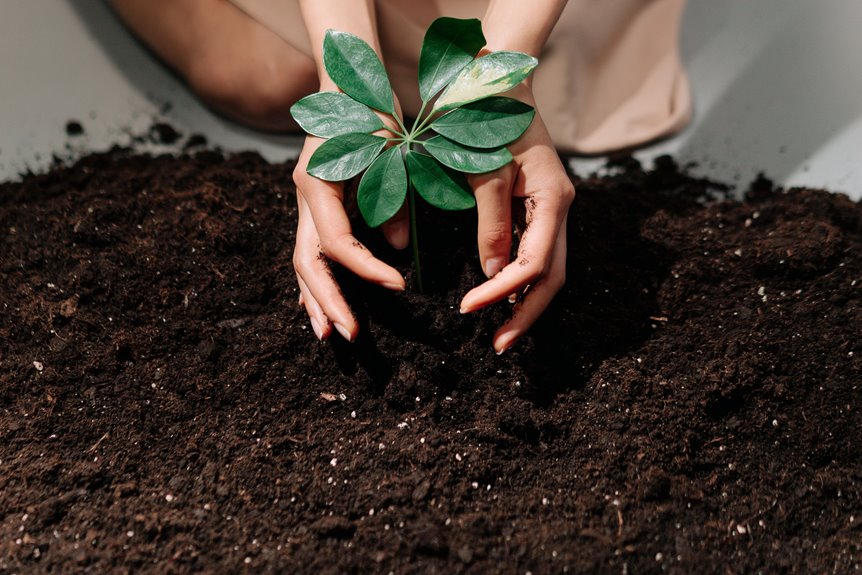
I’ve learned that garden soil is topsoil enhanced with compost and organic matter for immediate planting, while raw topsoil works best for filling and leveling.
Garden soil drains better in containers, weighs less, and carries built-in nutrients.
Topsoil’s unpredictable texture demands more effort and often compacts poorly in pots.
I pay more for garden soil but save time on amendments.
For budget projects, I’ll blend topsoil as a base with garden soil on top.
Each soil wins in specific scenarios, and the distinctions matter for project success.
[link-whisper-related-posts]Garden Soil vs. Topsoil: What’s the Real Difference?
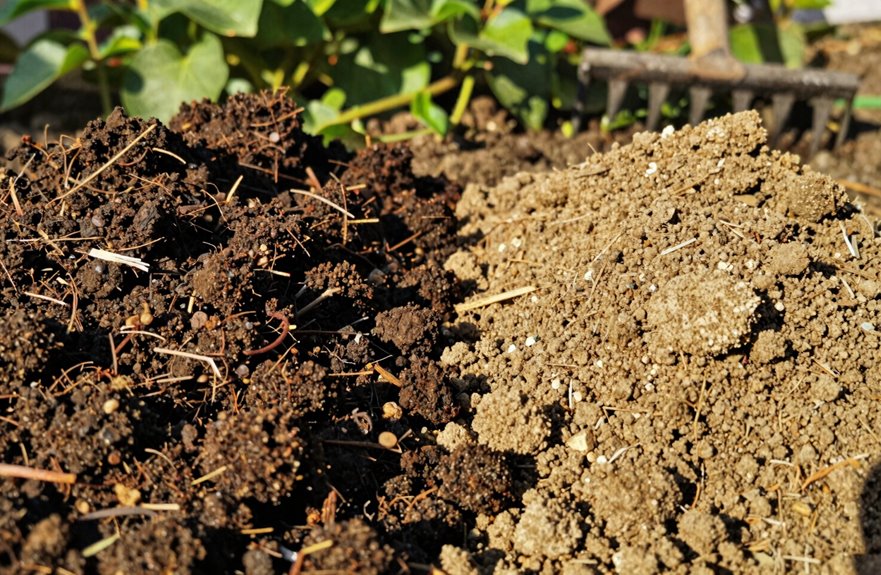
How do I know which soil to grab at the garden center? I’ve stood there too, staring at bags and wondering what separates topsoil from garden soil.
Topsoil is simply the uppermost earth layer consisting of sand, silt, clay, and minimal organic matter. It’s not inherently nutrient-rich, and it’s best for filling and leveling rather than growing.
Garden soil, however, is topsoil that’s been transformed. Manufacturers blend in compost, peat moss, or manure, creating a nutrient-rich planting medium that’s ready to support life. The added organic matter improves drainage and structure, making it lighter and easier to work with than raw topsoil.
When starting containers or beds, garden soil is the better choice. It’s the finished product designed to support plant growth.

FEEDS UP TO 6 MONTHS: Miracle-Gro Potting Mix is a gardening soil for outdoor containers that feeds all types of potted plants, including flowers, vegetables, shrubs, annuals, and perennials for up to 6 months

ALL-NATURAL MIX: Burpee Organic Premium Potting Mix is formulated with plant food & coconut coir to promote seed & root growth and healthy flower, vegetable & herb plants. OMRI Listed for organic use.

HELPS REGULATE SOIL MOISTURE: Miracle-Gro Organic Indoor Potting Soil Mix is an organic potting soil that protects indoor plants against over and under watering
Which Soil Do You Actually Need for Your Project?
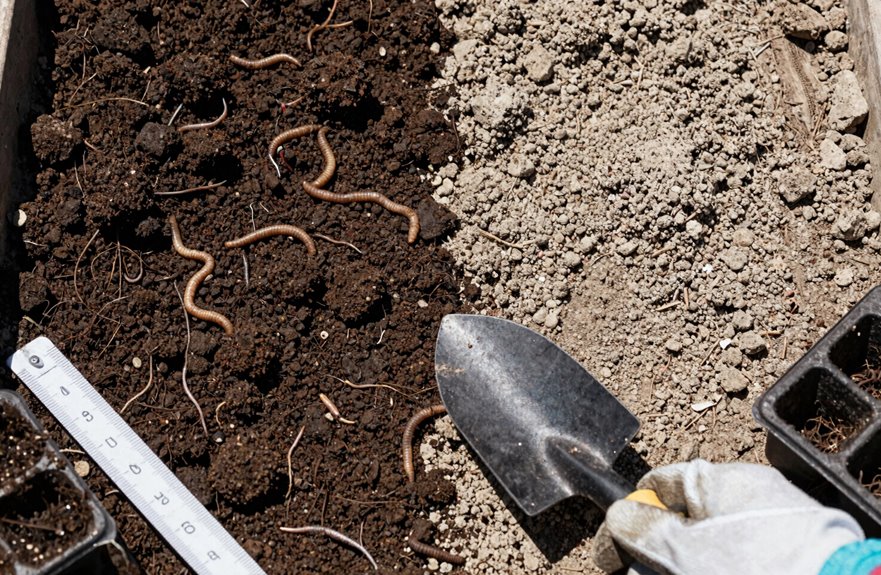
Now that you understand what sets these soils apart, let’s figure out which one belongs in your cart. I always ask myself what I’m building before I choose.
For raised beds and containers, garden soil is the right choice. It’s lighter, offers immediate nutrient availability, and eliminates guessing about amendments. The improved soil texture means roots develop more effectively.
But when tackling landscaping projects, such as leveling a lawn, filling low spots, or building berms, topsoil is the better option. It’s affordable, structural, and provides the raw base needed for these applications.
The rule is straightforward. If you’re growing something right away, garden soil wins. If you’re shaping the land first, topsoil gets the job done. Match your soil to your stage, and your project will succeed.
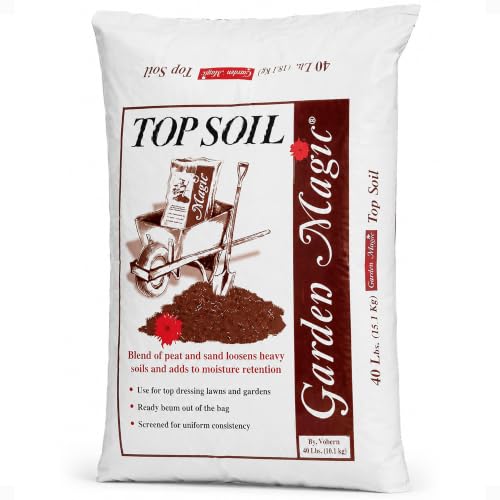
Ready-to-Use for All Planting Needs: This general-purpose potting soil is ready to use out of the bag, perfect for both indoor and outdoor planting without any extra prep

Feed the soil not the plants - stimulate microbial activity in your soil and boost probability of success with all types of plants… like composting but faster

100% Natural Compost for Plants - Compost is a nutrient-rich, soil-like substance made from blending yard trimmings and plant residue, such as leaves and grass clippings. Together, they’re composted to make a growing medium that’s part fertilizer, part soil amendment. When mixed with garden soil, compost helps loosen soil, holds onto moisture, and provides essential nutrients for plants.
How Garden Soil and Topsoil Drainage Compare
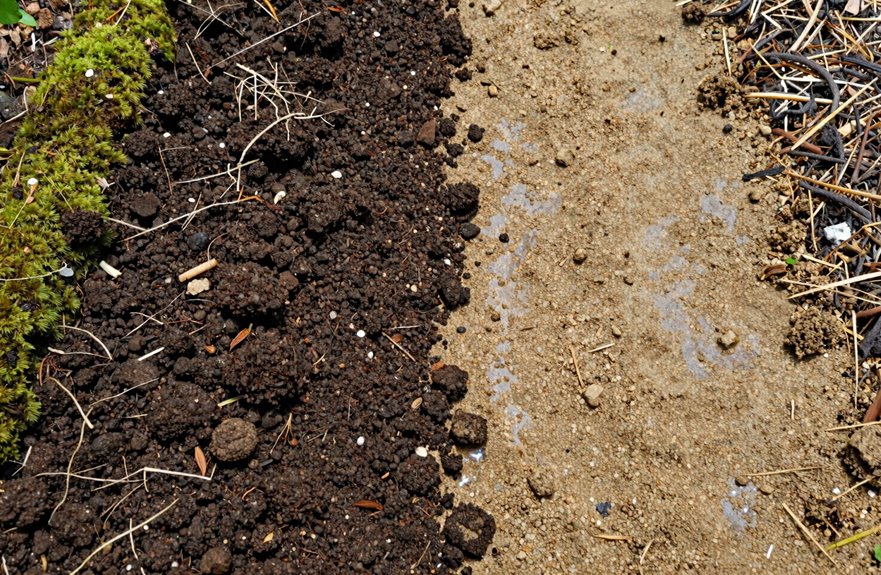
Water retention capacity, drainage speed variation, and container suitability factors distinguish these two soil types. Garden soil holds moisture more reliably while draining at a steady pace, whereas topsoil’s drainage behavior shifts unpredictably based on its local sand, silt, and clay composition. This difference makes garden soil preferable for containers, since topsoil’s weight and inconsistent drainage can suffocate roots or leave them thirsty.

Fix Uneven Lawns – Fill low spots and smooth bumps for a cleaner lawn surface.

1️⃣ Saving Time and High Efficiency:Smooth edge leveling rake with 27" extra wide rake head can easily spread uneven lawn, which can level the land and lawn better and faster and keep the lawn flat and beautiful. Easy to move, powerful and maneuverable.

Upgrade Heavy-Duty Construction: Made of high-quality metal steel, Tigerden lawn leveler tool eatures excellent rust resistance and exceptional durability for long-term use. Thickened welding structure and reinforced handle joints effectively prevent loosening or breakage even under heavy use. The weighted metal plate ensure the garden rakes for lawns will not flip over when tackling tough landscaping.
Water Retention Capacity
When choosing between garden soil and topsoil, water retention capacity significantly impacts your plants’ health. Garden soil typically holds moisture better thanks to its organic matter content, which creates an environment for roots to thrive. Topsoil’s water retention varies dramatically based on texture, making moisture management more unpredictable for gardeners.
Key factors for keeping your plants properly hydrated:
- Garden soil’s enriched organic matter improves water retention for consistent plant hydration
- Topsoil drainage depends heavily on whether it’s sandy or clay-heavy
- Garden soil offers more reliable moisture management in containers and raised beds
- Topsoil can drain poorly when compacted or high in clay, stressing your plants
Garden soil performs better for projects where steady water retention is critical. Its consistent moisture retention reduces the need for frequent watering adjustments, whereas topsoil requires careful monitoring based on its specific composition.
Drainage Speed Variation
Water retention and drainage work hand in hand, so I’m turning my attention to how quickly each soil type lets excess moisture escape. Garden soil drains predictably thanks to its organic matter content, which creates pore space that lets water move through without pooling. Topsoil’s drainage depends heavily on soil texture. Sandy types drain fast, while clay-heavy ones hold water too long. When I’m building raised beds, I reach for garden soil because its screened, crumbly structure prevents the compaction issues that plague denser topsoil. The organic matter in garden soil outperforms unamended topsoil for reliable drainage.
| Feature | Garden Soil | Topsoil |
|---|---|---|
| Drainage consistency | Predictable | Variable |
| Key factor | Organic matter | Soil texture |
| Raised bed performance | Excellent | Requires amendment |
| Compaction resistance | High | Lower |
| Best for | Containers, beds | In-ground use |
Container Suitability Factors
Container gardening demands careful soil selection, as weight and drainage significantly impact plant survival. Garden soil offers nutrient enrichment that supports thriving roots in confined spaces, while topsoil often becomes compacted and waterlogged in pots.
- Garden soil provides lighter weight and balanced moisture retention for containers
- Topsoil’s dense clay-silt composition risks root rot in container gardening
- Raised beds bridge both worlds, accepting either with proper amendment
- Potting mix outperforms both for pure drainage needs, though it lacks built-in nutrient enrichment
Garden soil outperforms raw topsoil for potted plants. The pre-mixed organic matter creates a suitable growing environment. Avoid heavy, unamended topsoil unless you’re filling raised beds where drainage demands are less critical.
Why Garden Soil Costs More (and When It’s Worth It)
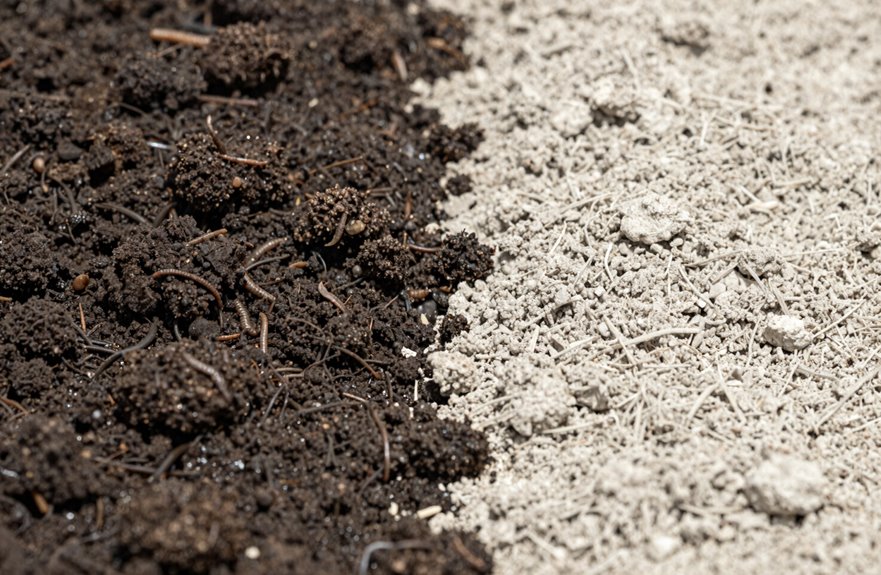
Why does garden soil hit my wallet harder than basic topsoil? It’s all about enrichment. Garden soil starts as topsoil, then manufacturers add compost, peat moss, and fertilizers, creating a ready-to-plant medium with superior nutrient supply. That processing costs money.
The investment pays off in specific situations. When doing container gardening, garden soil’s lighter weight and balanced drainage prevent root rot in pots. For raised beds, its engineered composition gives vegetables exactly what they need from day one. Topsoil might save money upfront, but you’d spend more later amending it.
Garden soil works best when you want strong starts without guesswork. It provides the foundation for successful growing without the trial and error of basic amendments.

Ready-to-Use Formula: No mixing or extra steps required. Simply pour and plant - perfect for gardeners of all experience levels.
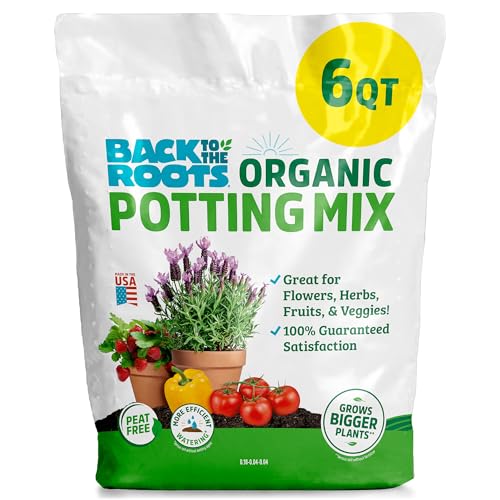
Includes 6qt of Back to the Roots Premium Blend Potting Mix. 100% Organic and Peat-Free, made from upcycled plant matter and wood fines from across the U.S. No imported peat, just better soil with a lighter carbon footprint.

Ready to Use, Right from the Bag: No prep required. This raised bed garden soil is packed with organic compost and nutrients, ready to use for quick and easy planting
Can You Mix Garden Soil and Topsoil to Save Money?
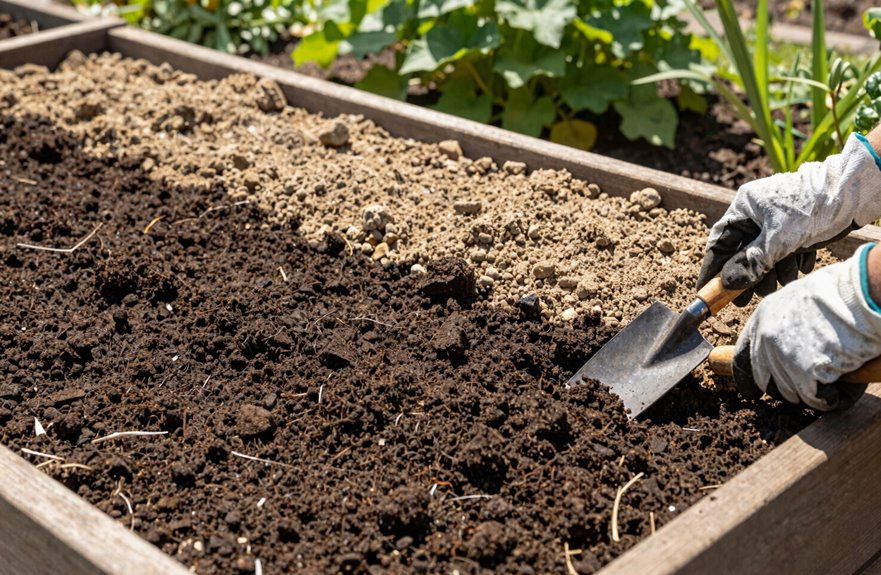
I’ve found that blending topsoil and garden soil lets me stretch my budget while still giving plants what they need. I’ll use cheaper bulk topsoil to build up the base and structure, then layer nutrient-rich garden soil where roots actually feed. It’s a practical compromise that cuts costs without sacrificing results.

TOP SOIL FOR LAWNS AND LOW SPOTS - Front Porch Farms Fertigrow Top Soil Plus is a ready to spread topsoil for lawn repair and leveling. Fill holes, ruts and rough patches, then seed for a smoother looking lawn

Butterfly Garden: Massive flowerheads offer generous nectar loads at an accessible height, drawing eager butterflies to patio plots and borders.
Mixing Soils Benefits
When planning a garden project and considering material costs, mixing topsoil and garden soil offers a practical solution without compromising results. Soil mixing creates a better foundation than either component alone.
- Drainage meets retention: Topsoil’s structure prevents waterlogging while garden soil holds moisture where roots need it
- Balanced nutrients: Garden soil provides immediate fertility plus topsoil’s mineral base for sustained feeding
- Smarter raised beds: Blend for weight distribution with topsoil below and garden soil on top where roots feed
- Stretching resources: This approach engineers the right foundation for growing spaces rather than cutting corners
This method aligns soil performance with budget constraints.
Cost Saving Strategy
Blending garden soil and topsoil is a practical way to stretch your budget without cutting corners. Topsoil’s bulk prices run $20–$50 per cubic yard, while garden soil commands premium rates. A blended fill strategy reduces costs significantly: topsoil forms the base layer, and nutrient-rich soil caps it. This approach delivers structure and fertility without the premium price tag. Topsoil provides drainage, garden soil contributes nutrients, and together they create an affordable foundation for plants.
Which Soil Is Easier to Move and Work With?
Why struggle with backbreaking loads when garden soil offers a noticeably lighter alternative? Your spine will notice the difference.
Topsoil’s weight, roughly 1,000–2,700 pounds per cubic yard, makes it difficult to haul. Garden soil feels practically featherlight by comparison, and that matters when you’re filling raised beds or juggling container gardening projects on your patio.
What matters about workability:
- Garden soil blends drain beautifully and hold moisture without turning to concrete
- Topsoil’s unpredictable texture demands extra elbow grease for consistency
- Raised beds fill faster with lighter garden soil
- Container gardening thrives with garden soil’s manageable weight and ready nutrients
You’ll finish planting sooner, experience less physical strain, and complete the process more efficiently.


FEEDS UP TO 6 MONTHS: Miracle-Gro Moisture Control Potting Soil Mix feeds plants for up to 6 months and Grows Plants Twice As Big (vs unfed plants)

NOURISH PLANTS IN EVERY POT: FoxFarm potting soil is ready to use for all your container plants, whether indoors or outdoors. Perfect for growing ficus, geraniums, or lemon trees, it’s designed to support plant growth in any setting
Where Topsoil Outperforms Garden Soil (and Where It Doesn’t)
Where exactly does basic topsoil pull ahead of its enriched counterpart? I reach for topsoil when leveling my lawn or filling low spots, jobs where drainage matters more than nutrient content. Its sand, silt, and clay composition lets water move through without pooling, unlike garden soil, which holds moisture tight thanks to added organic matter. That works well for containers and raised beds, but creates problems for grading projects where soggy ground kills grass roots.
Topsoil’s lower organic matter means it won’t compact or shrink dramatically, providing stable base layers. Garden soil, however, wins for growing tomatoes. Its consistent texture and built-in fertility eliminate guesswork about nutrient availability. Selecting the right soil type for each application produces measurably better results.


Soil, Organic, Farming

Earth Worm castings from Mother Earth provide the best soil amendment for anything indoors or outdoors, including vegetables, herbs, flowers and houseplants. Pure USA Vermicompost, so there's no burn or odor.