
I’ve found garden soil and raised bed soil serve completely different purposes. Garden soil blends with native earth to improve existing beds, while raised bed mix stands alone with amendments like worm castings and perlite for containers. Garden soil feels dense and heavy, which causes drainage problems in raised structures, whereas raised bed soil stays light and aerated. You can’t swap them; garden soil suffocates roots in containers, and raised bed mix gets wasted in-ground. Price and weight differ too: garden soil costs less per yard but challenges transport, while bagged raised bed mix costs more upfront yet feeds plants longer. Whether you DIY or buy, choosing the right soil prevents plant failure that becomes apparent only after growth problems develop.
[link-whisper-related-posts]What’s Actually in Garden Soil vs. Raised Bed Mix
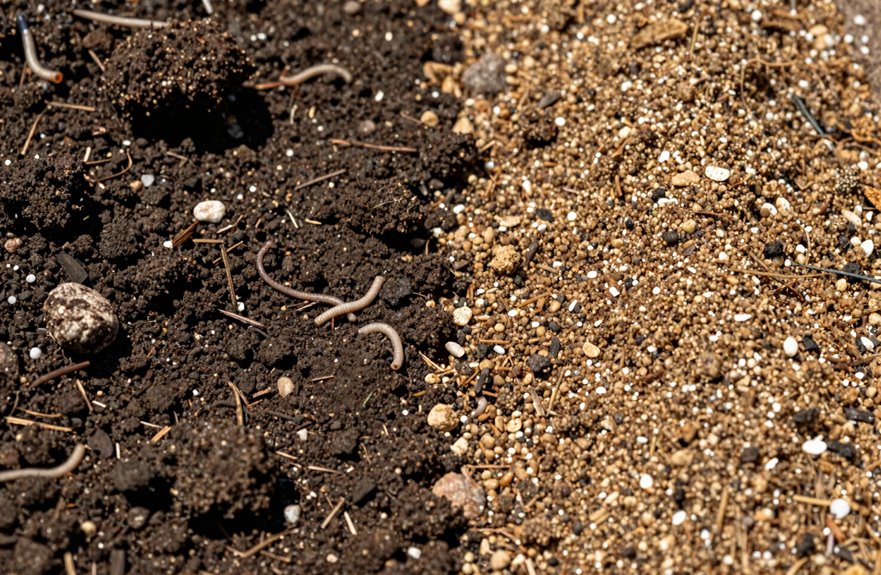
What exactly separates garden soil from raised bed mix? The distinction comes down to purpose and composition.
Garden soil blends organic matter like compost with inorganic components to improve native soil structure and drainage. It’s designed to enrich what you’ve already got in the ground.
Raised bed mix, however, stands alone. It’s crafted specifically for container gardening and elevated beds, packed with nutrients from amendments like poultry meal, kelp, and worm castings. It often includes perlite for lightness and aeration.
While both contain organic matter and nutrients, garden soil emphasizes moisture retention through dense compost-rich content. Raised bed mix prioritizes being self-contained and friable. The choice between them depends on your specific needs: improving existing earth or creating an independent growing environment from scratch.
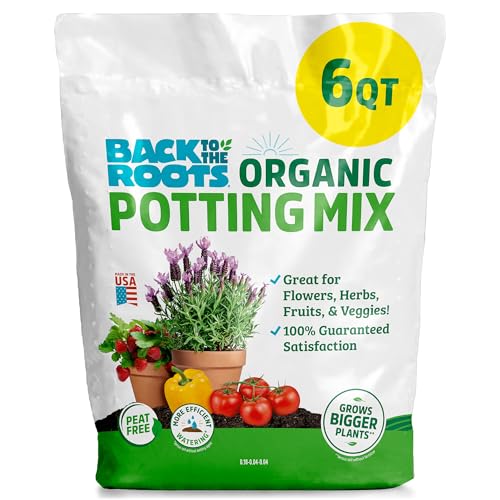
Includes 6qt of Back to the Roots Premium Blend Potting Mix. 100% Organic and Peat-Free, made from upcycled plant matter and wood fines from across the U.S. No imported peat, just better soil with a lighter carbon footprint.

Ready-to-Use Formula: No mixing or extra steps required. Simply pour and plant - perfect for gardeners of all experience levels.

8qt bag of Premium Horticultural Grade Perlite to promote root growth, soil aeration & drainage
Density and Drainage: Why Texture Matters for Plant Roots
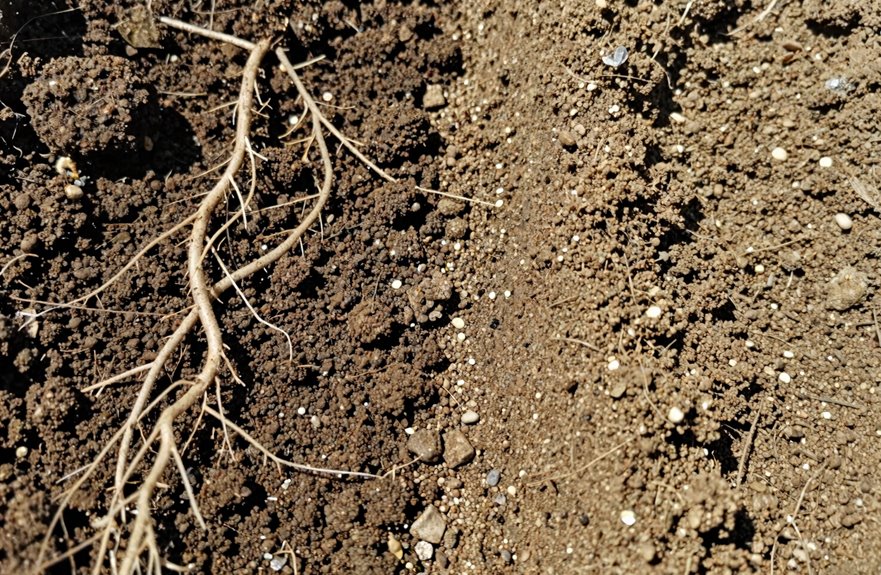
Garden soil feels dense and heavy in my hands, while raised bed soil stays lighter and more workable. This texture difference directly impacts drainage and aeration, two essential factors for plant health.
Root growth struggles in compacted soil where water pools and roots suffocate. Raised bed soil incorporates organic matter and soil amendments from the start, creating pore space for oxygen to reach roots. Garden soil often requires extra work; adding materials to improve drainage becomes necessary where soil compaction limits water movement.
The goal is creating conditions where roots explore freely. Raised bed soil typically delivers this balance immediately, allowing growers to focus on cultivation rather than soil remediation.


Can You Use Them Interchangeably? Beds, Containers, and Ground
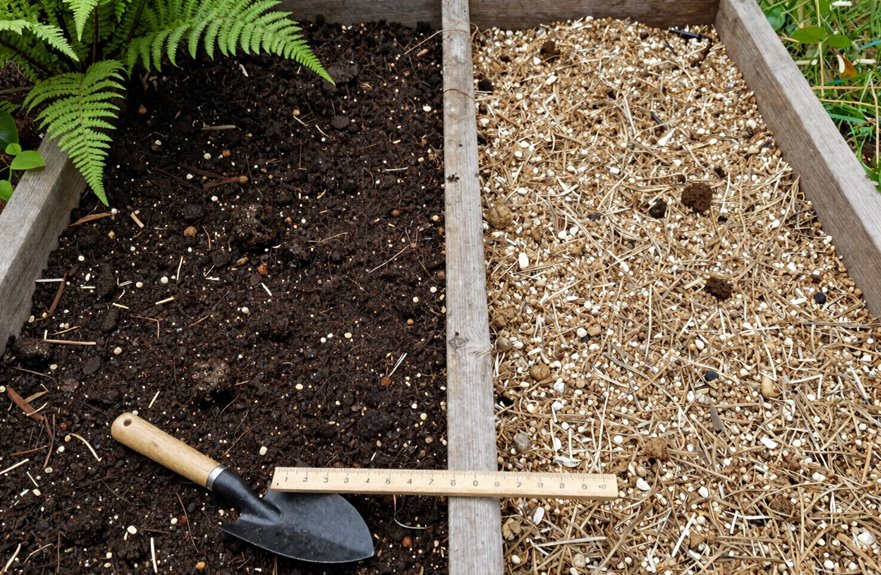
Why complicate things when choosing soil? Garden soil and raised bed soil aren’t interchangeable, and mixing them up hurts your plants. Garden soil works for in-ground use where native earth provides backup drainage, but it’s too dense for containers. Raised bed soil shines in raised structures with engineered drainage and amendments like worm castings that feed plant roots directly.
How to match soil to your setup:
| Use Case | Garden Soil | Raised Bed Soil |
|---|---|---|
| In-ground beds | ✓ Ideal | ✓ Works but costly |
| Raised beds | ✗ Compacts, drains poorly | ✓ Perfect drainage |
| Containers | ✗ Suffocates plant roots | ✓ Nutrient-rich, light |
Both contain organic matter, but raised bed soil blends specific amendments for stand-alone performance. When substituting, ensure 6–12 inches of depth for deeper plant roots. Your garden thrives when you respect these boundaries.
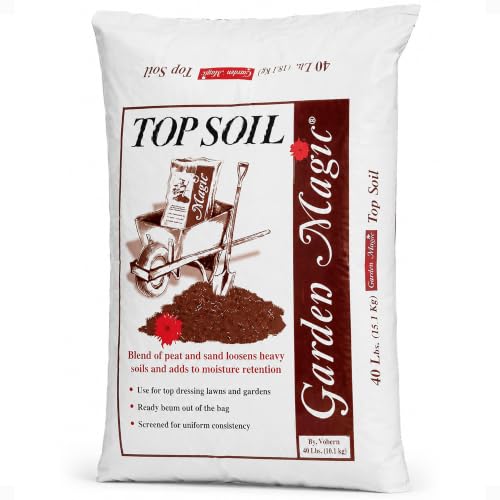
Ready-to-Use for All Planting Needs: This general-purpose potting soil is ready to use out of the bag, perfect for both indoor and outdoor planting without any extra prep

100% Organic & Peat-Free: Our compost mix is 100% organic & peat-free. Peat is one of Mother Nature’s most important stores of carbon. Instead of imported peat, the base of our soils is made from upcycled plant matter or wood fines from the United States!

Certified Organic Composition: Crafted from a blend of peat and composted farm manures, this topsoil is OMRI Listed, ensuring it's suitable for organic gardening practices.
Price and Weight: Real Costs of Each Soil Type
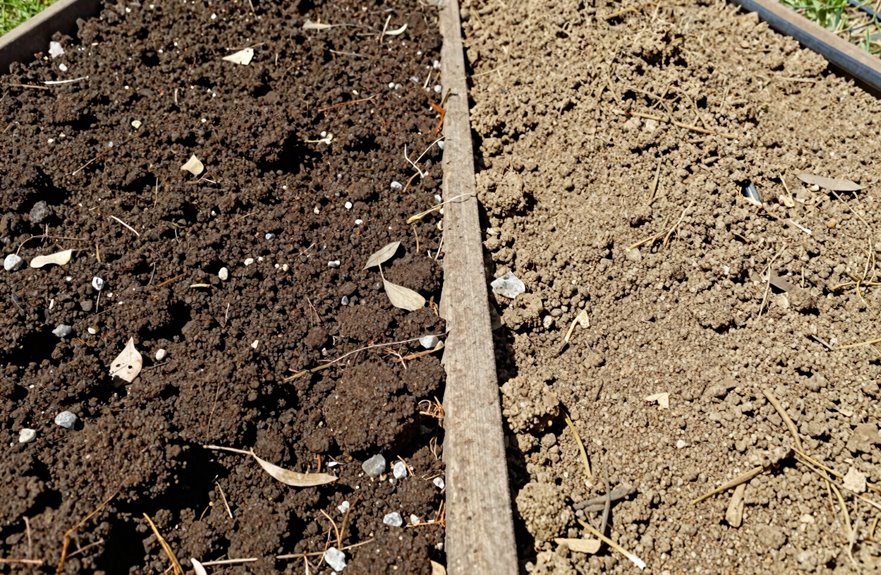
How much are you really paying when you choose between these soils? Garden soil typically costs less per yard coverage, but it’s dense and heavy, making transportation difficult for both your back and your vehicle. Raised bed soil comes as a ready-to-use mix, often sold as bagged soil with a higher price tag upfront. However, you should factor in the hidden fertilizer cost: garden soil needs ongoing amendments, while quality raised bed soil includes poultry meal and worm castings that feed plants longer. Weight matters too. Garden soil’s density makes it harder to move, while raised bed soil balances structure with manageable handling. When you calculate true cost, compare convenience against long-term investment.

Earth Worm castings from Mother Earth provide the best soil amendment for anything indoors or outdoors, including vegetables, herbs, flowers and houseplants. Pure USA Vermicompost, so there's no burn or odor.

SUPERCHARGE YOUR GARDEN: Elevate your plants' growth with premium organic Brut Worm Castings. Our certified organic formula guarantees optimal nutrition for your indoor and outdoor plants.
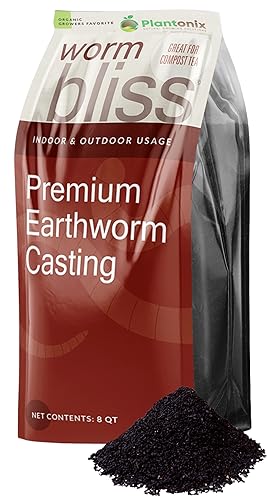
Organic Worm Fertilizer for Plants - Worm castings are a 100% natural soil amendment and garden fertilizer for indoor plants and outdoor plants. Organic earthworm castings are rich in essential nutrients like nitrogen, phosphorus, and potassium, as well as trace minerals that improve soil conditions for better overall plant mass.
DIY or Buy? Making vs. Buying Raised Bed Mix
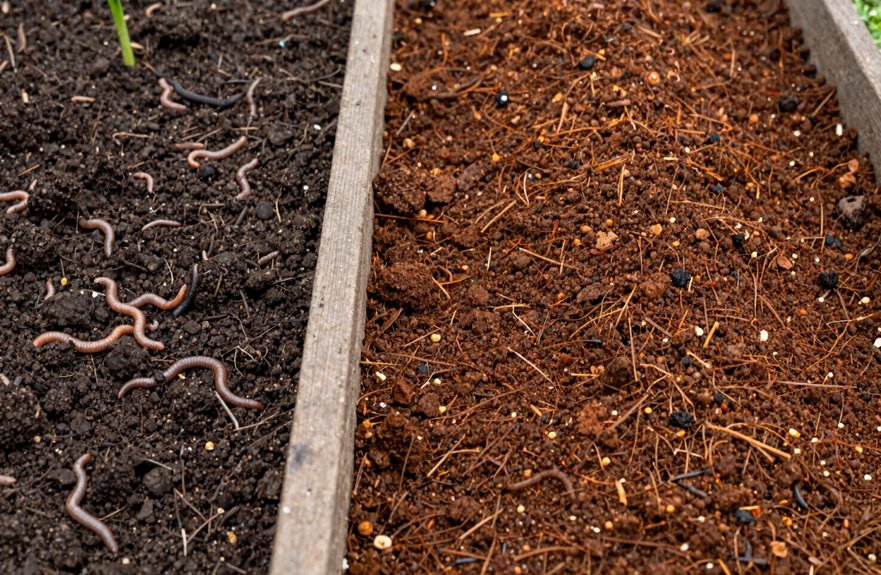
I’m standing in the garden center, bags of raised bed mix stacked around me, and I’m wondering if I should just grab them or head home to mix my own. When I buy raised bed mix, I get convenience and consistency. Perlite, vermiculite, and worm castings come already blended for optimal drainage and structure. When I DIY raised bed mix, I control every ingredient: compost, topsoil, and amendments like lime or kelp meal adjusted to my garden bed’s specific pH and nutrient needs.
I always consider bed depth, typically 6–12 inches, since deeper beds demand more organic matter and better drainage. Store-bought raised bed soil suits quick starts, while crafting my own saves money and builds connection to fellow growers swapping recipes. Either path works. I choose based on time, budget, and whether I want the hands-on satisfaction of mixing my own soil.

EASY SET UP: Quick assembly in minutes; No need for hammering and wood-cutting skills; Assemble as a bed box for flowers, tomato planter, indoor or outdoor vegetable garden, as or main garden bed
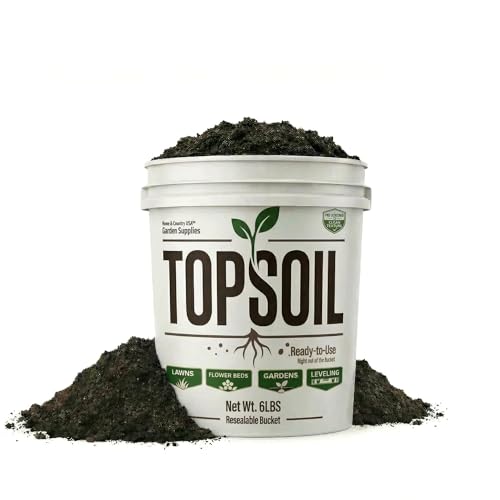
Versatile garden soil and all purpose potting mix works as a raised bed soil, container potting soil, outdoor planting mix, indoor plant soil, flower bed soil, vegetable garden soil, shrub planting mix, and landscaping soil amendment, making this premium topsoil the only garden soil blend you need for every planting application around your home.

100% Organic and Peat-Free: Crafted with upcycled plant matter and wood fines from across the USA, this soil is 100% organic and free from peat — helping preserve vital carbon stores in nature.