I’ve built patios from pallets, gravel, and resurfaced concrete. A breathtaking backyard retreat doesn’t require pouring a single slab of new cement. Free pallets create instant foundations when layered and topped with outdoor rugs. Gravel or decomposed granite keeps projects under $500 with simple installation. Resurfacing existing concrete costs half of replacement while adding color and texture. Pavers and natural stone deliver decades of modular durability. Resin stone solves drainage issues over old surfaces. Local, recycled materials complete the picture sustainably. Each option transforms your space without breaking the bank, and the following guide shows exactly how to choose and build what’s right for you.
[link-whisper-related-posts]Repurposed Materials: Free Patio Alternatives Using What You Have
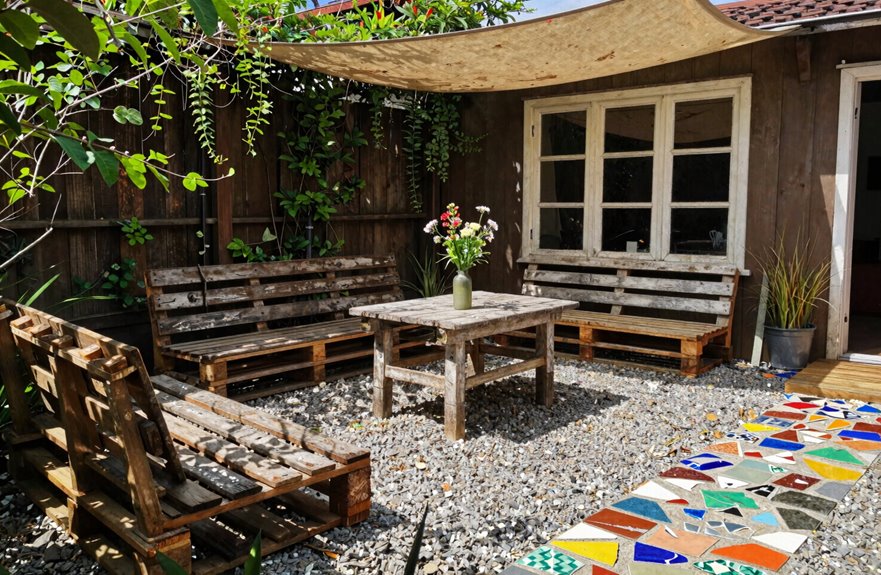
Since I’m working with a tight budget, free pallets are one of the smartest ways to build a patio base without spending a dime. I dismantle them and fill gaps with spare wood planks, creating a solid foundation for my outdoor space. I top it with a large outdoor rug, and suddenly I’ve got something that looks like a finished deck.
We’re all figuring out how to stretch our dollars while building spaces where friends want to gather. Repurposed materials let me minimize expenses without sacrificing style. I layer pallets, add pavers where needed, and plan for upgrades later. This approach gives me a functional patio I can enjoy today while keeping costs down.

Wet-Area Ready, No Sealing Required: Pre-finished with cured linseed oil — a natural plant-based wood finish — these tiles install straight from the box — no sealant, no prep, no waiting. Raised base channels water underneath for patios, balconies, pool surrounds, and shower floors

Wet-Area Ready, No Sealing Required: Pre-finished with cured linseed oil — a natural plant-based wood finish — these tiles install straight from the box — no sealant, no prep, no waiting. Raised base channels water underneath for patios, balconies, pool surrounds, and shower floors
Gravel and DG: Budget Patio Alternatives Under $500
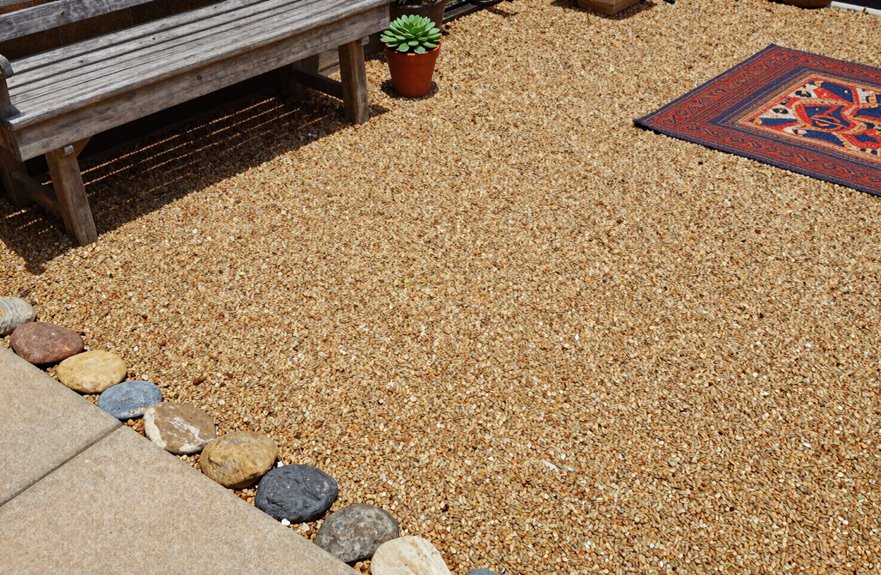
I’ll break down how gravel and decomposed granite keep your patio under $500 using simple materials and basic binding agents. You’ll tackle the installation yourself with straightforward prep, compacting, and choosing between loose gravel or firmer DG. This guide shows you exactly how these choices shape your budget and building steps.
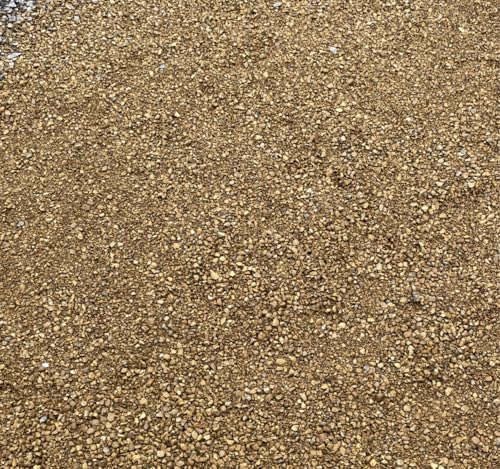
NATURAL DECOMPOSED GRANITE – Finely crushed natural granite with a warm, earthy appearance for pathways, patios, garden areas and landscaping projects.
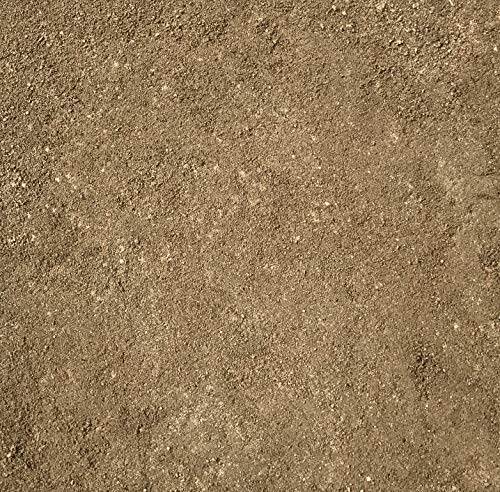
40 Lbs of Decomposed Granite (Gold Fines). Decomposed granite or gold fines, makes a great medium for natural pathways and patios due to it's ability to compact. Once installed, it becomes a firm surface that is suitable to walk and even drive on. Great addition to any garden or landscape.
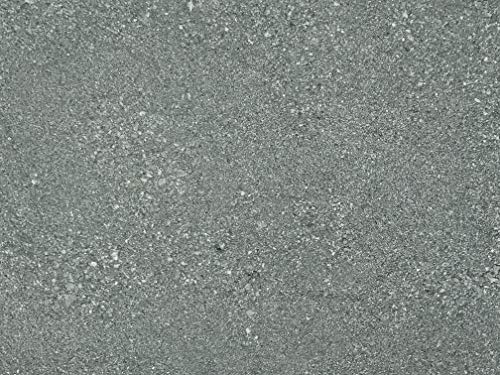
MIGHTY109 Grey Fines Decomposed Granite is an ideal option for outdoor walkways, patios, and landscaping. It compacts tightly, providing a secure foundation while displaying a blueish grey hue.
Cost Breakdown
How much patio can you actually build for under $500? Granite and decomposed granite (DG) are the ultimate low-cost patio options for anyone wanting to join the outdoor living community without breaking the bank.
For a 10 x 10 space, you’ll need roughly $200-400 in materials. Gravel runs cheaper, while DG sits mid-range. Both reward DIY installation, which keeps labor at zero and lets you stretch every dollar toward quality stone.
Skip binding agents to stay under budget, though you can add them later if you want a firmer surface. Sourcing locally cuts delivery fees, and scouring community boards for leftover materials connects you with neighbors who’ve completed similar projects.
Installation Basics
Installing a gravel or decomposed granite patio yourself keeps costs low and puts you in control of every step. Walk through the installation basics to understand this project.
First, excavate about four inches deep and compact the soil. Then lay landscape fabric to block weeds, though some will still emerge and require regular maintenance. For the base, spread and level your gravel, keeping that 10 x 10 footprint under budget.
You have two options. Loose gravel drains beautifully but shifts underfoot. Adding a binding product locks everything together while still letting water through. DG packs naturally firmer, giving you that solid surface without extra steps. Either approach creates a durable patio you can build with your own hands.
Concrete Resurfacing: Affordable Patio Alternatives to Full Replacement
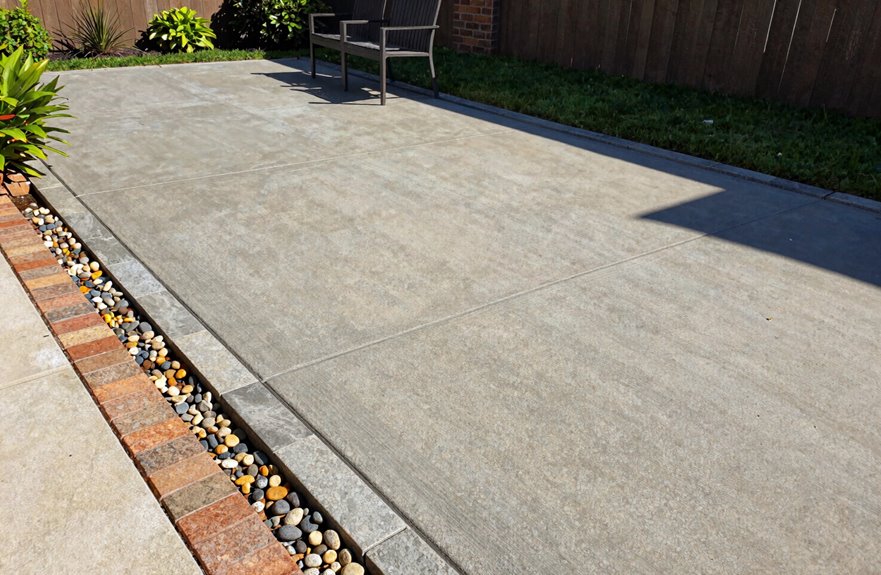
Concrete resurfacing offers a practical middle ground when your patio looks worn but hasn’t failed structurally. Cost-effective patio alternatives let you create beautiful spaces without excessive expense or labor-intensive work.
Thin overlays transform tired concrete completely:
- You’ll spend 50-70% less than full replacement
- No excavation means minimal disruption to your schedule
- Stamped, colored, or textured finishes match any style
- You skip demolition waste entirely
- Quick turnaround enables faster use of your outdoor space
Resurfacing preserves what’s already built. When your slab’s foundation remains sound, there’s no need for complete demolition. This approach refreshes your gathering spaces while deferring larger expenses and maintaining the integrity of your property.
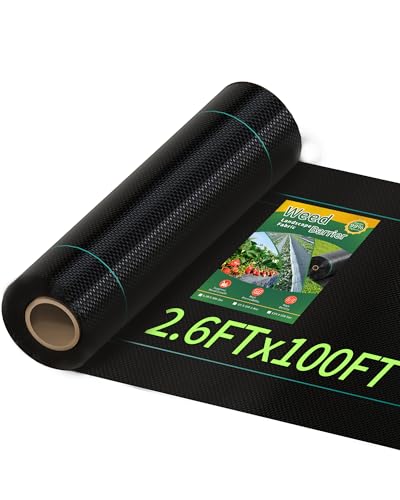
Weed Control: Woven polypropylene physically blocks sunlight to prevent weed seed germination, keeps flower beds, vegetable gardens, and landscaping weed-free without chemical herbicides.

Professional Grade Weed Barrier: LAVEVE weed barrier fabric is made of woven polypropylene material. Its high-density and permeable characteristics effectively stop weed growth and protect soil health so your plants can grow well.

Weed Blocking Landscape Fabric:Groweco Heavy Duty Weed Barrier Fabric is made of 3.2 oz polypropylene.The use of weeding cloth can provide weed protection for you,make your workplace clean and hygienic,make your work more comfortable and improve your work effciency
Pavers and Natural Stone: Durable Patio Alternatives Worth the Investment
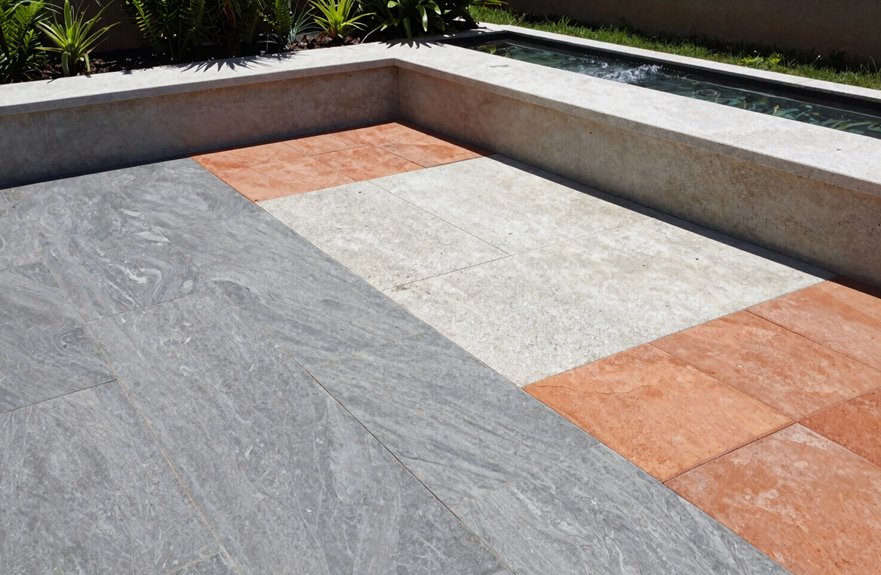
I’ll pay more upfront for pavers or natural stone, but the modular repair benefits save money over time since I can replace individual units instead of tearing up the whole patio. The trade-off between higher initial costs and decades of durability makes sense when I consider the resale value and how these materials outlast plain concrete. It’s an investment in longevity that pays off through easier maintenance and lasting curb appeal.

10X STRONGER THAN TRADITIONAL DECK PAINT - Stop repainting your deck every year. Liquid Rubber Polyurethane Deck Coating isn't ordinary deck paint or stain. This waterproof deck coating builds into a hard, flexible polyurethane membrane that bonds to properly prepared wood, concrete, and metal surfaces to help resist peeling, cracking, moisture, UV exposure, and everyday wear. Built to last for years, not seasons
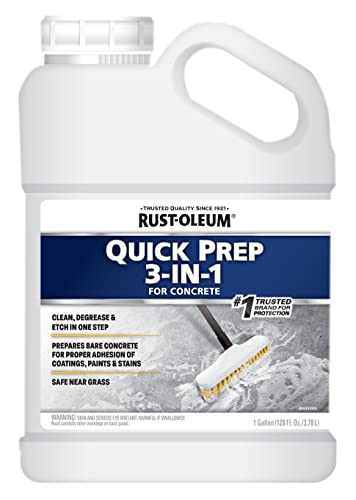
Clean, degrease and etch bare concrete in one step to prep for coating
10X STRONGER THAN TRADITIONAL DECK PAINT - Stop repainting your deck every year. Liquid Rubber Polyurethane Deck Coating isn't ordinary deck paint or stain. This waterproof deck coating builds into a hard, flexible polyurethane membrane that bonds to properly prepared wood, concrete, and metal surfaces to help resist peeling, cracking, moisture, UV exposure, and everyday wear. Built to last for years, not seasons
Modular Repair Benefits
Choosing pavers or natural stone for your patio means you’re investing in a surface that tolerates cracks and chips without requiring complete replacement.
- I lift one damaged paver instead of tearing up everything
- I match new units to existing patterns, keeping our space cohesive
- I avoid the disruption of major renovation projects
- I extend my patio’s life through simple, targeted fixes
- I protect my investment without interrupting weekend gatherings
Permeable pavers add another layer of functionality by managing water while I handle repairs. Modular repairs eliminate the need for full rebuilds. Many homeowners choose this approach for outdoor spaces that perform reliably year after year, reducing both long-term costs and construction disruption.
Upfront Cost Trade-offs
How much am I really willing to spend now to save later? When I’m choosing a patio surface, I’m weighing upfront costs against what I’ll pay down the road. Concrete pavers run me $6–$20 per square foot, while natural stone pushes higher with heavier installation demands. Permeable pavers hit $10–$36+, but I’m investing in sustainability alongside durability. Spending more initially on quality materials means I’m not facing massive repair bills later. Targeted fixes on modular units keep my long-term maintenance manageable compared to tearing out entire concrete slabs. Perimeter edging and proper interlocking patterns reduce weed growth and improve drainage. This approach costs more upfront but delivers measurable savings in repair frequency and replacement timelines.
Longevity and Value
That upfront investment starts paying dividends when I look at how long these materials actually last. I want my backyard to feel like home, and knowing pavers and natural stone stick around for decades provides documented durability advantages. These are spaces designed for long-term use and adaptation.
What supports this choice:
- I can swap out damaged pieces without tearing everything up
- Natural stone keeps its beauty for 50+ years with basic care
- My resale value gets a genuine boost over plain concrete
- Pavers handle cracks and settling way better than poured slabs
- Permeable systems improve drainage and reduce runoff
This isn’t just a patio. It’s where I’ll build memories that outlast me.
Resin Stone: Permeable Patio Alternatives for Drainage Problems
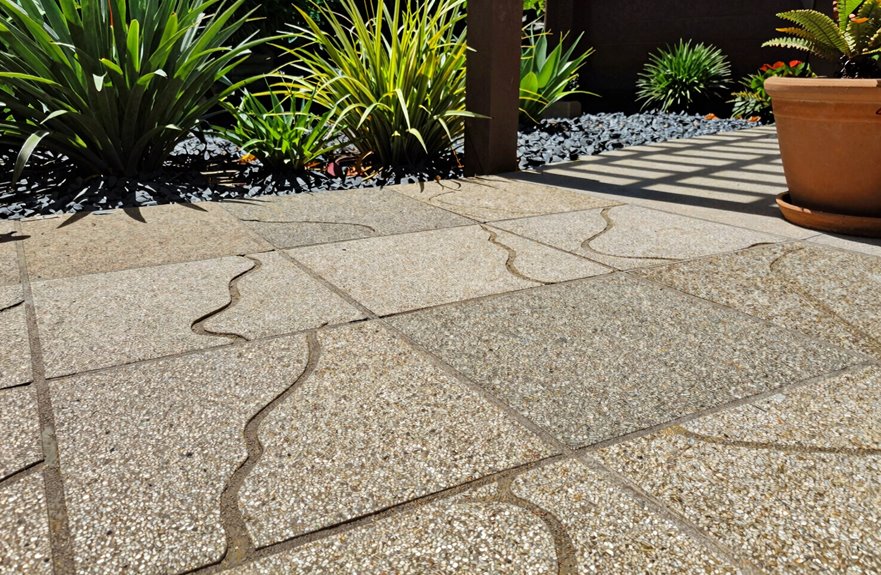
If you’re tired of puddles pooling on your patio every time it rains, resin stone offers an increasingly popular solution that tackles drainage head-on. This permeable system lets water pass straight through instead of collecting on the surface.
You’re looking at a polyurethane binder that’s UV-resistant and delivers 100% water permeability. Installers can lay it right over your existing concrete or asphalt, so you’ll skip demolition costs entirely. The seamless finish comes in multiple colors and textures and resists yellowing and cracking even after years of sun exposure.
Proper application ensures you receive both the performance and environmental benefits that make this choice effective for homeowners seeking drainage solutions.

【6-PACK REUSABLE STEPPING STONE MOLDS】Includes 6 reusable 12 x 12 x 1.73 in square plastic stepping stone molds for concrete. Perfectly sized for creating durable garden paths, walkways, patios, and custom landscaping projects with consistent, professional-looking results

UNIQUE OUTDOOR WALKWAY SOLUTION: Elevate your garden, lawn, or backyard with BIRDROCK HOME Rubber Stepping Stones. These durable pavers create a functional and stylish walkway, enhancing your landscape while providing a solid and reliable surface to walk on.
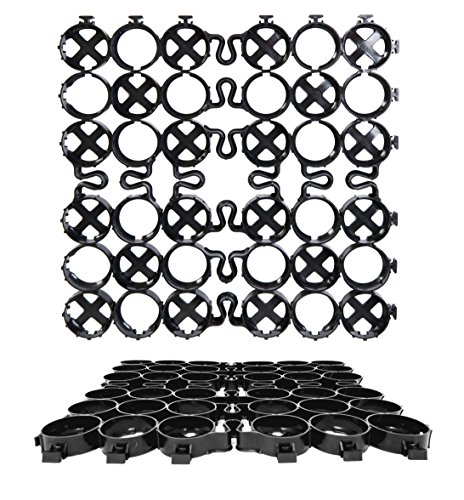
EASY TO USE: Our lightweight permeable pavers are easy for any level of DIYer to install; Feel proud of your own outdoor home improvements!
Sustainable Hardscapes: Recycled and Local-Stone Patio Alternatives
Why settle for resource-heavy materials when your patio can tread lighter on the planet? Recycled and local stone, along with innovative alternatives, let us build beautiful spaces with lower environmental impact.
Consider these options:
- Permeable pavers that let rain soak through, protecting our watersheds
- Salvaged stone and gravel that carry stories from our own communities
- Resin stone systems offering complete water permeability and lasting durability
- Ferrock and hempcrete that lock carbon away instead of releasing it
- Repurposed pallets and local DG that prove sustainability doesn’t break the bank
These choices connect you to your neighbors, your land, and a shared environmental future. A sustainable patio built from local materials reduces transportation emissions, supports regional economies, and creates outdoor spaces that reflect your community’s character.

Wet-Area Ready, No Sealing Required: Pre-finished with cured linseed oil — a natural plant-based wood finish — these tiles install straight from the box — no sealant, no prep, no waiting. Raised base channels water underneath for patios, balconies, pool surrounds, and shower floors

𝐏𝐑𝐄𝐌𝐈𝐔𝐌 & 𝐃𝐔𝐑𝐀𝐁𝐋𝐄 𝐀𝐂𝐀𝐂𝐈𝐀 𝐖𝐎𝐎𝐃: Made from 100% natural acacia wood with a deep-oil finish, these interlocking decktiles are sturdy, water-resistant, and built for outdoor conditions. Sanded smooth for a premium wood grain look, a smooth-finished surface, and a noticeably smoother barefoot feel - comfortable for families and pets.

𝐏𝐑𝐄𝐌𝐈𝐔𝐌 & 𝐃𝐔𝐑𝐀𝐁𝐋𝐄 𝐀𝐂𝐀𝐂𝐈𝐀 𝐖𝐎𝐎𝐃: Made from 100% natural acacia wood with a deep-oil finish, these interlocking decktiles are sturdy, water-resistant, and built for outdoor conditions. Sanded smooth for a premium wood grain look, a smooth-finished surface, and a noticeably smoother barefoot feel - comfortable for families and pets.