Creating a beautiful front yard can feel like a daunting task, especially when you have deer visiting your neighborhood. These gentle creatures might be lovely to look at, but they can wreak havoc on your garden. I put this post together because I know many of you are eager to have a vibrant front yard that flourishes without being eaten by deer.
If you’re someone who loves gardening but struggles with keeping those pesky deer at bay, you’re in the right place. Whether you want to impress the neighbors, create a welcoming space for guests, or simply enjoy your yard, this guide is tailored for you. I’ve compiled 15 stunning and sustainable deer resistant landscaping ideas that will help your front yard shine bright all year round.
In this post, you’ll discover various tips and tricks to incorporate deer-resistant plants, design low-maintenance gardens, and make your yard a wildlife-friendly haven. Each idea is not only practical but also designed to be beautiful and enduring, giving you the garden of your dreams without the worry of deer munching on your hard work.
Key Takeaways
– Native Plants: Incorporating native plants can create a strong foundation for your garden while naturally deterring deer. They are well-adapted to your local climate and require less maintenance.
– Fragrant Herbs: Fragrant herbs like rosemary and lavender not only smell delightful but also act as a natural repellent against deer. Consider using them in your front yard for both beauty and function.
– Colorful Perennials: Choose colorful perennials that add visual interest to your garden. These plants can provide year-round beauty and are often less appealing to deer.
– Hardscape Elements: Integrating hardscape elements such as stone pathways or decorative rocks can create structure in your garden, making it less inviting for deer while adding aesthetic appeal.
– Wildlife Habitats: Design your yard with wildlife habitats in mind. This approach not only benefits local wildlife but also encourages a balanced ecosystem, making your garden a serene retreat.
1. Incorporate Native Plants
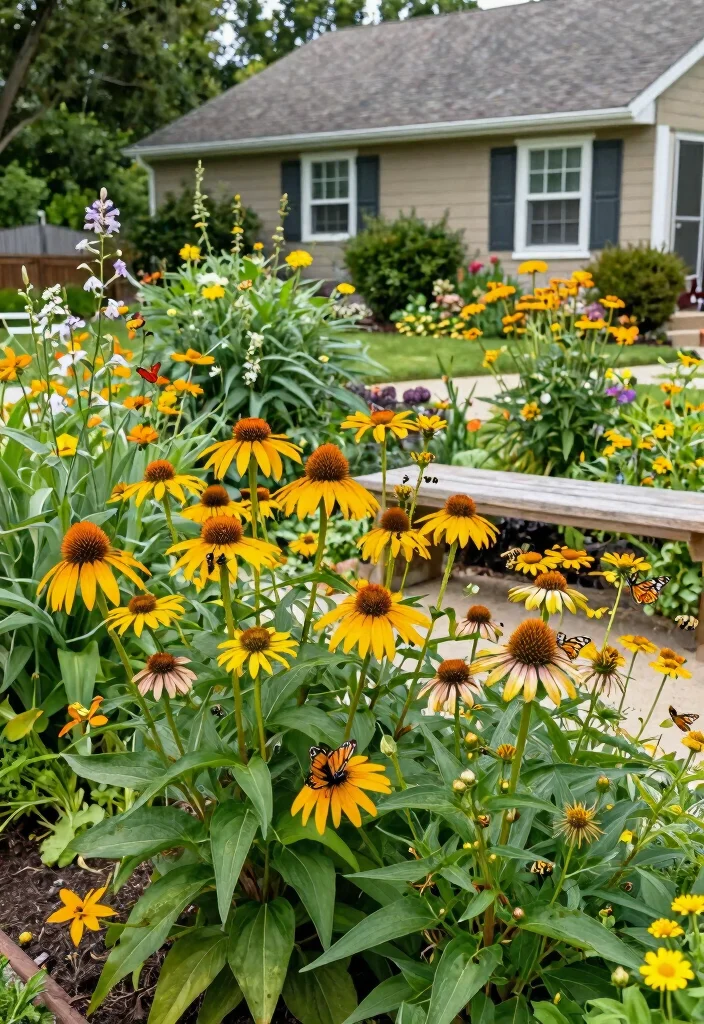
Embracing native plants is a brilliant strategy for crafting a deer-resistant front yard. These plants thrive in your local climate and soil, ensuring easy maintenance and a hearty growth cycle. Since deer are less inclined to munch on plants they’re not familiar with, native species like echinacea, black-eyed Susans, and butterfly weed become excellent choices. By combining various heights and textures, you can create a visually stunning landscape that buzzes with life while maintaining a natural charm.
To maximize the impact of native plants, consider mixing in different types for a diverse look. Look for budget-friendly options at local nurseries or community plant swaps. This not only saves money but connects you to a broader movement of sustainable gardening that benefits local wildlife.
Consider these essential steps:
– Pair tall coneflowers with creeping thyme as a ground cover.
– Plant clusters of butterfly weed to attract pollinators.
– Water new natives regularly until they establish roots.
This approach not only enhances the aesthetic of your yard but also promotes biodiversity. The combination of varied textures and colors breathes life into your landscape.
Fun fact: Native plants like echinacea, black-eyed Susans, and butterfly weed see up to 60% less deer browsing than ornamentals. When you mix heights and textures, your deer resistant landscaping front yard stays colorful and low-maintenance.
2. Use Fragrant Herbs
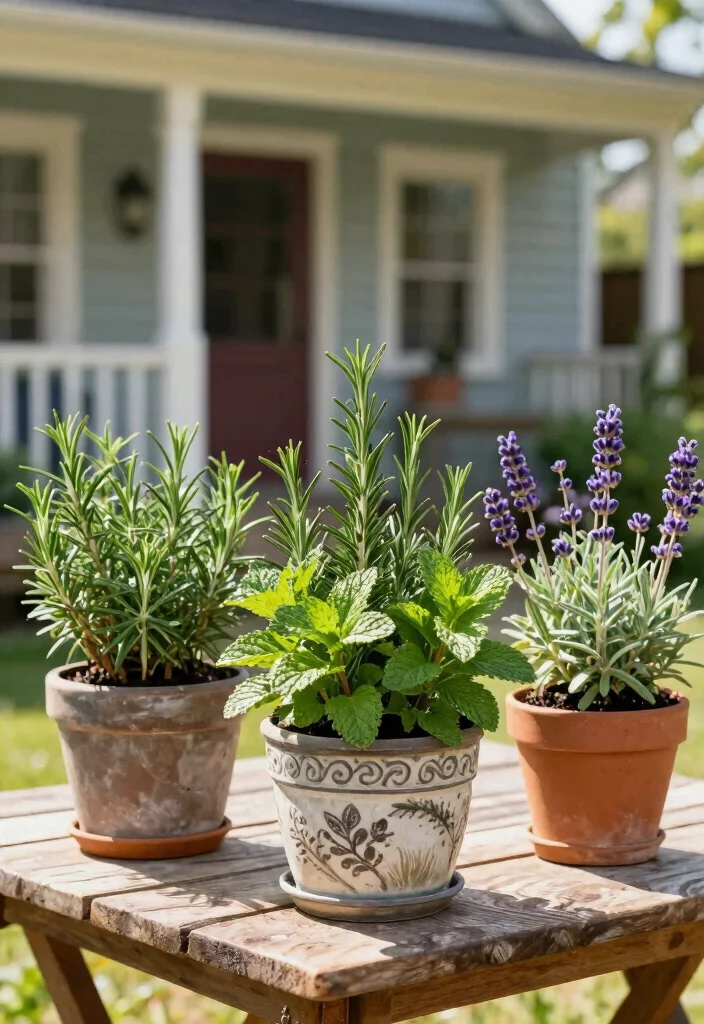
Integrating fragrant herbs into your front yard is a delightful way to deter deer while enhancing sensory experiences. Aromatic herbs such as rosemary, sage, and mint are known for their strong scents that deer tend to avoid. You might create a charming herb garden or place herbs in decorative pots, adding both beauty and utility to your space. Mixing these herbs with drought-resistant plants ensures a thriving garden year-round.
When planting herbs, choose sunny spots with well-draining soil for optimal growth. Consider opting for seedlings from local farmers’ markets for a budget-friendly approach. This not only supports local agriculture but also encourages a sustainable gardening practice.
Here are some practical tips:
– Use rosemary and thyme as attractive border plants.
– Harvest herbs regularly to boost their growth.
– Create a small herb spiral for visual interest and accessibility.
This combination not only enhances your cooking but adds a fragrant touch to your garden. The unique scents and textures of herbs bring a sensory delight to your outdoor space.
Top Varieties for Different Conditions
1. Purple Coneflower (Echinacea purpurea)
– Best conditions: Thrives in sunny, temperate climates.
– Key features: This hardy perennial brings vibrant purple blooms and attracts pollinators, making it a beautiful addition to your front yard. It’s drought-tolerant once established.
– Considerations: Requires well-drained soil and may need support if grown in overly rich conditions.
2. Russian Sage (Perovskia atriplicifolia)
– Best conditions: Ideal for hot, dry areas with full sun exposure.
– Key features: This plant offers silvery foliage and lavender-blue flowers, adding elegance to any garden. It’s low maintenance and deer-resistant.
– Considerations: Needs proper spacing, as it can grow quite large and may overwhelm smaller plants.
3. Boxwood (Buxus spp.)
– Best conditions: Versatile for both sunny and partially shaded areas in temperate regions.
– Key features: Boxwood is a classic choice for hedging and borders, providing structure and year-round greenery. It can be shaped easily.
– Considerations: Requires regular pruning and may be susceptible to certain pests if not cared for properly.
4. Sedum (Sedum spp.)
– Best conditions: Thrives in hot, dry, and sunny spots, perfect for low-maintenance gardens.
– Key features: This succulent plant offers interesting textures and colors. It’s drought-resistant and adds a unique touch to your front yard.
– Considerations: Some varieties can spread quickly, so regular monitoring is needed to keep them in check.
5. Catmint (Nepeta faassenii)
– Best conditions: Grows well in sunny spots with well-drained soil in temperate climates.
– Key features: This fragrant perennial blooms profusely and attracts pollinators while being unappealing to deer. It provides a lovely blue hue to the garden.
– Considerations: It may require cutbacks after blooming to encourage a second growth phase.
6. Ornamental Grasses (Miscanthus spp.)
– Best conditions: Adaptable to various climates, prefers sunny locations.
– Key features: These grasses add movement and texture to your landscape. They are also great for creating natural barriers and wildlife habitats.
– Considerations: Some species can become invasive, so choose non-native varieties when possible.
7. Blueberry Bush (Vaccinium spp.)
– Best conditions: Thrives in acidic, well-drained soils, ideally in cooler climates.
– Key features: This edible variety not only provides delicious fruit but also beautiful spring blooms and fall foliage. It’s a dual-purpose choice for your front yard.
– Considerations: Needs companion plants for cross-pollination to produce fruit.
Climate/Condition Guide:
– Temperate Climates: Choose drought-tolerant plants like Echinacea and Russian Sage that can handle a variety of conditions.
– Coastal Areas: Look for salt-tolerant plants such as Sedum and ornamental grasses that can withstand coastal winds.
– Hot/Dry Regions: Utilize succulents like Sedum or herbs like Catmint to ensure low water requirements.
– Humid Environments: Consider varieties like Boxwood that can handle moisture but still provide structure without attracting deer.
Growing Tips:
– Group plants with similar water and sunlight needs together to simplify care.
– Amend your soil with organic matter to improve drainage and nutrient availability.
– Mulch around your plants to retain moisture and suppress weeds, particularly in hotter areas.
Avoid:
– Common mistakes include overwatering, especially for drought-resistant varieties.
– Stay away from highly palatable plants like hostas or tulips, as they attract deer rather than resist them.
3. Build Vertical Gardens
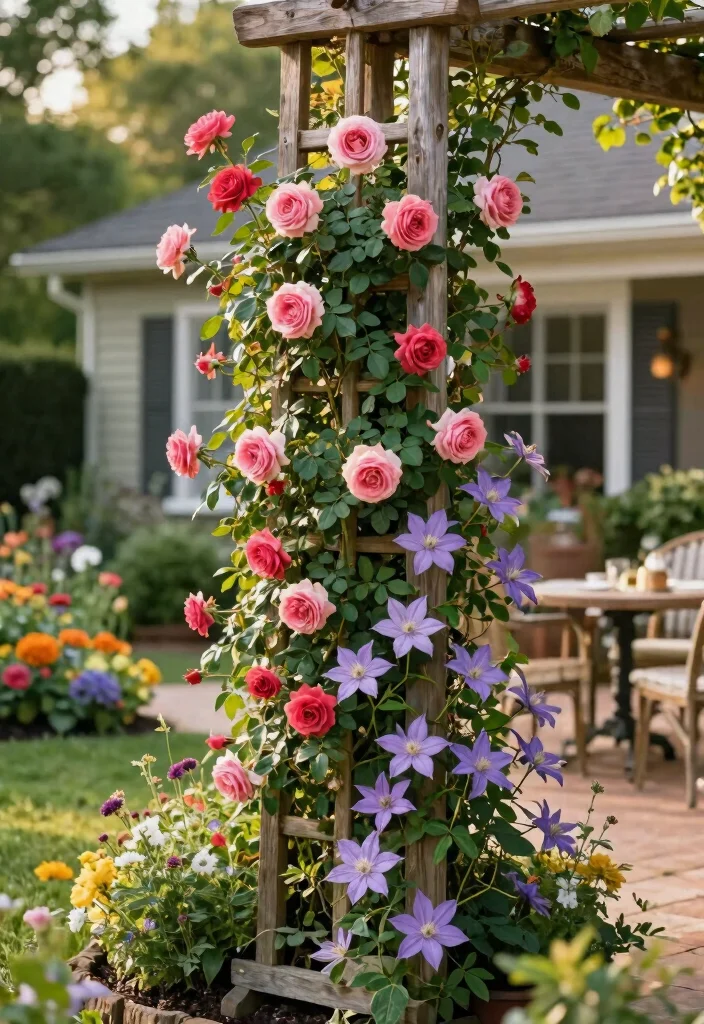
Vertical gardens offer a creative solution for maximizing space while adding visual depth to your front yard. By utilizing trellises, wall planters, or hanging pots, you can grow climbing plants such as clematis or climbing roses, which deer generally avoid. This design not only enhances the aesthetic but also simplifies plant care and maintenance.
To create a stunning vertical garden, group multiple structures for a cohesive look. Consider using recycled materials for a budget-friendly twist. This trend aligns with eco-conscious gardening while providing an eye-catching display.
Explore these ideas:
– Install a trellis to support climbing plants.
– Use wall planters for colorful succulents.
– Integrate herbs for both beauty and function.
This approach adds height and intrigue to your landscape. The varied heights and textures create a dynamic and engaging outdoor space.
4. Create Pathways with Stone
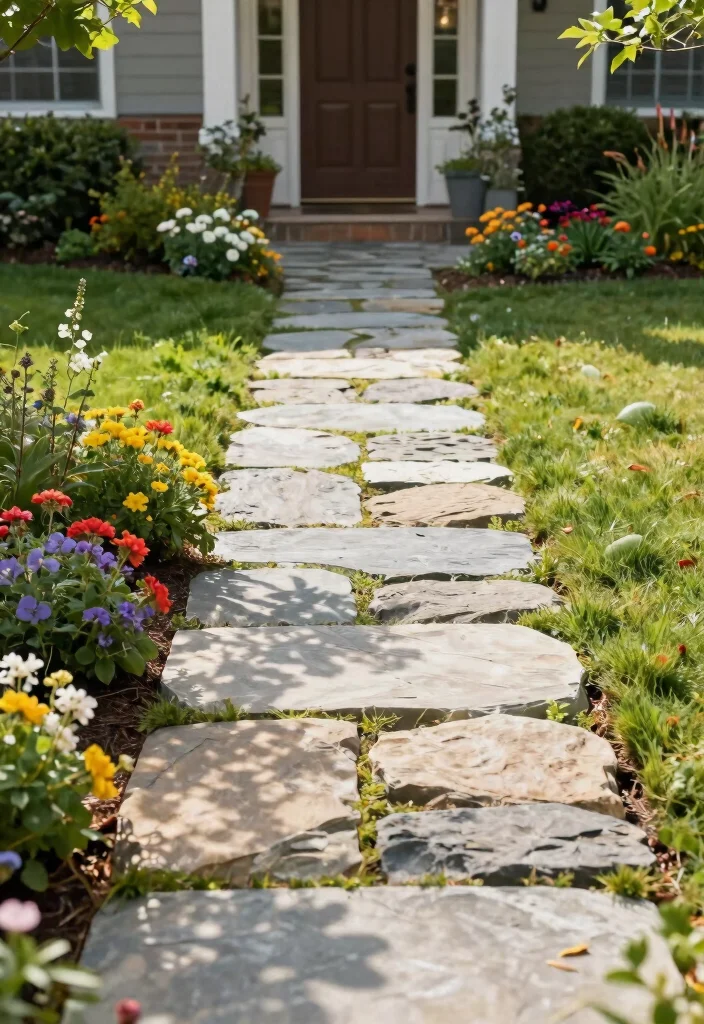
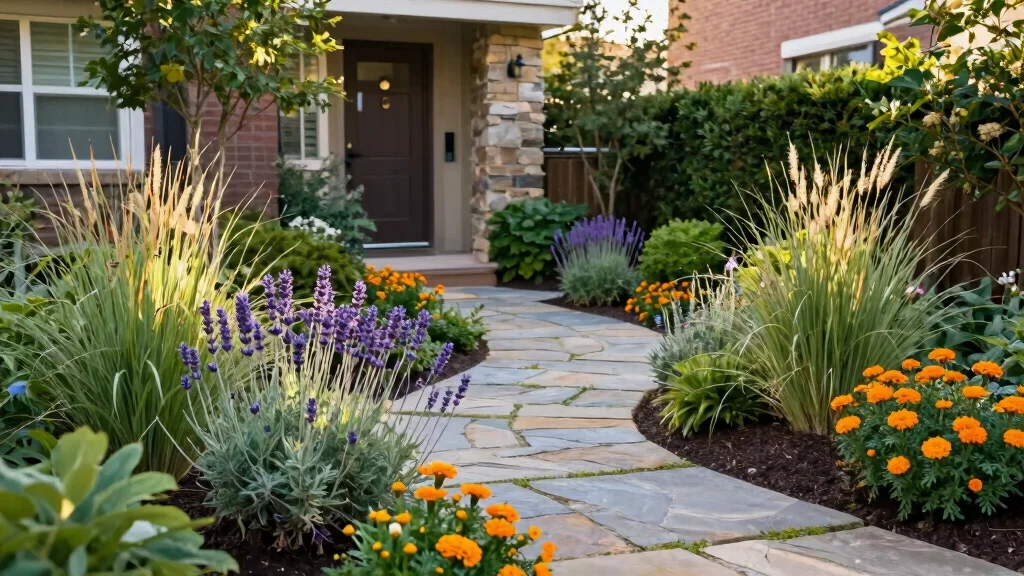
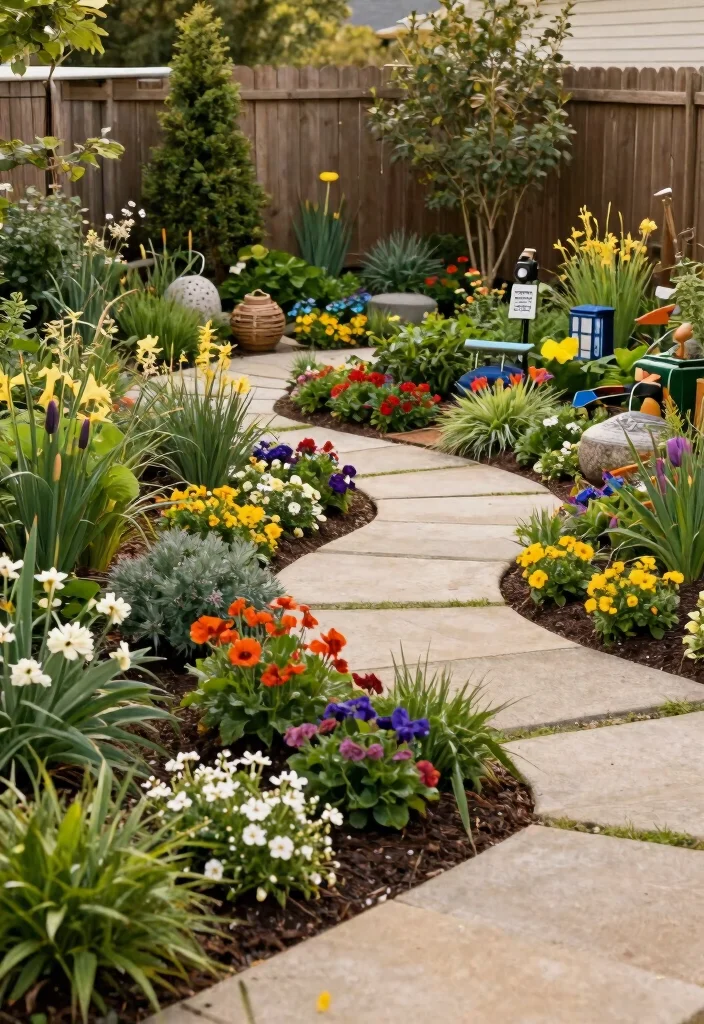
Stone pathways enhance both the beauty and functionality of your front yard, guiding guests through your garden while also deterring deer. Natural stone or gravel pathways can meander through floral displays, creating an inviting atmosphere. Deer prefer open spaces, so a winding path adds a sense of enclosure and safety for your plants.
Choose materials like slate or flagstone for a natural look, and consider integrating curves to add whimsy to your design. This approach not only directs traffic but also minimizes soil compaction, making maintenance easier.
Here are some design tips:
– Use flagstone for a rustic feel.
– Create gentle curves for a playful vibe.
– Check pathways regularly to remove weeds and maintain order.
Adding stone pathways elevates the overall aesthetic. The natural materials complement your garden while enhancing accessibility.
5. Choose Colorful Perennials
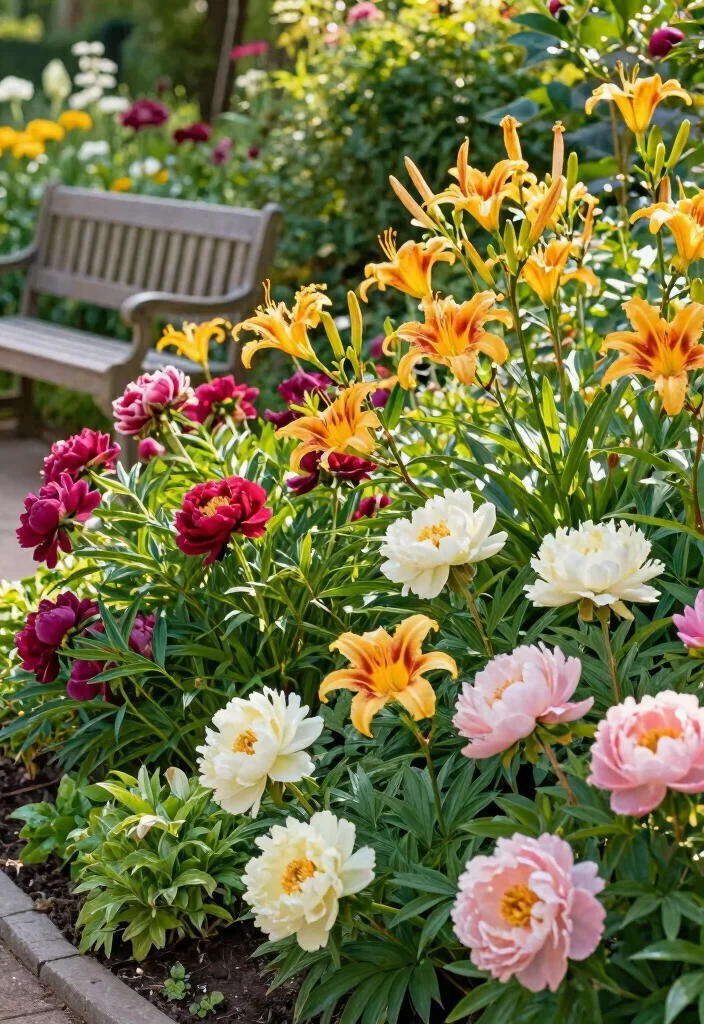
Perennials are an excellent choice for establishing a vibrant, deer-resistant front yard. With varieties like daylilies, peonies, and foxgloves, you can ensure a stunning floral display throughout the seasons. Many perennials deter deer, making them both beautiful and practical choices for your landscape.
Plan your garden to include early and late bloomers for continuous color. This way, your yard remains lively from spring to fall. Mixing in annuals can provide seasonal variety while enhancing overall appeal.
Consider these planting strategies:
– Combine early bloomers with late-blooming varieties.
– Group perennials in clusters for a striking effect.
– Regularly deadhead to encourage new blooms.
This strategy not only enriches your yard’s visual appeal but also promotes biodiversity. The textures and colors of various perennials create an inviting, vibrant atmosphere.
6. Employ Hardscape Elements
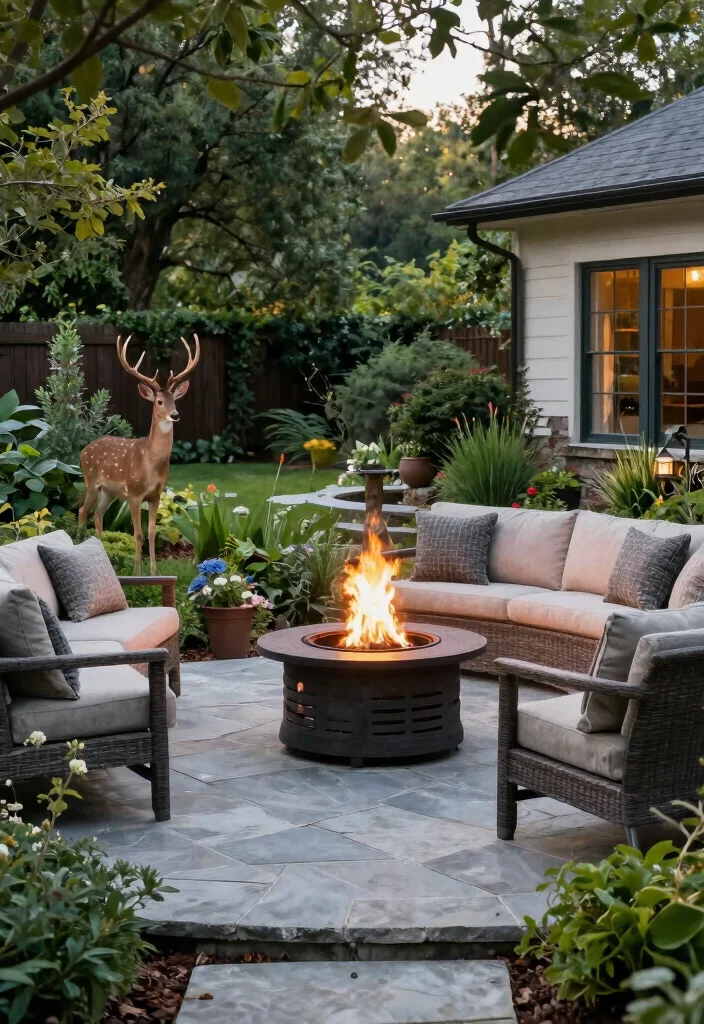
Incorporating hardscape elements like stones, pavers, and walls provides structure and visual interest to your front yard. These features create defined spaces while effectively deterring deer from roaming through your garden. Integrating stylish seating areas or fire pits transforms your yard into a usable space for relaxation and entertainment.
Choosing natural stone or bricks for pathways and patios enhances aesthetics while providing durability. This approach not only adds charm but also creates a low-maintenance landscape that stands the test of time.
Explore these ideas:
– Create a cozy seating area with pavers.
– Design a focal point with a fire pit.
– Maintain hardscape areas by removing debris regularly.
This combination enhances your yard’s overall design while creating functional areas. The use of hardscape elements adds a sophisticated touch to your outdoor space.
Hardscape isn’t just pretty—it’s practical. In a deer resistant landscaping front yard, sturdy stone paths and walls redefine space, while inviting seating turns your yard into a cozy retreat you actually use.
7. Include Ornamental Grasses
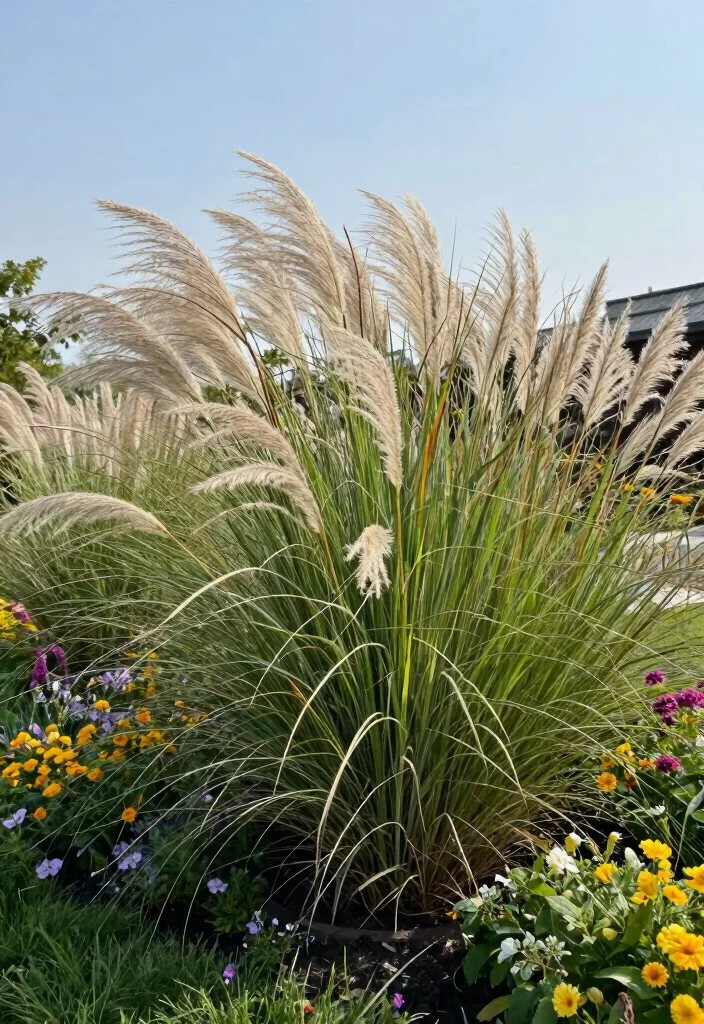
Ornamental grasses are a dynamic addition to your front yard, providing movement and texture while being largely deer-resistant. Varieties like feather reed grass and blue fescue add soft elegance that contrasts beautifully with more structured plants. Their low-maintenance nature ensures year-round interest, particularly during winter when their plumes catch the light.
To create a stunning arrangement, group grasses in clusters for a more natural look. This technique fosters visual interest while sheltering beneficial insects. Mixing these grasses with other flowering plants creates a lively and engaging garden.
Here are some practical tips:
– Group ornamental grasses for a natural aesthetic.
– Combine with flowering plants for vibrant contrasts.
– Trim back in late winter to encourage new growth.
This approach not only enhances your landscape’s visual appeal but also supports biodiversity. The interplay of textures and colors creates a captivating outdoor environment.
8. Plant Edible Landscapes
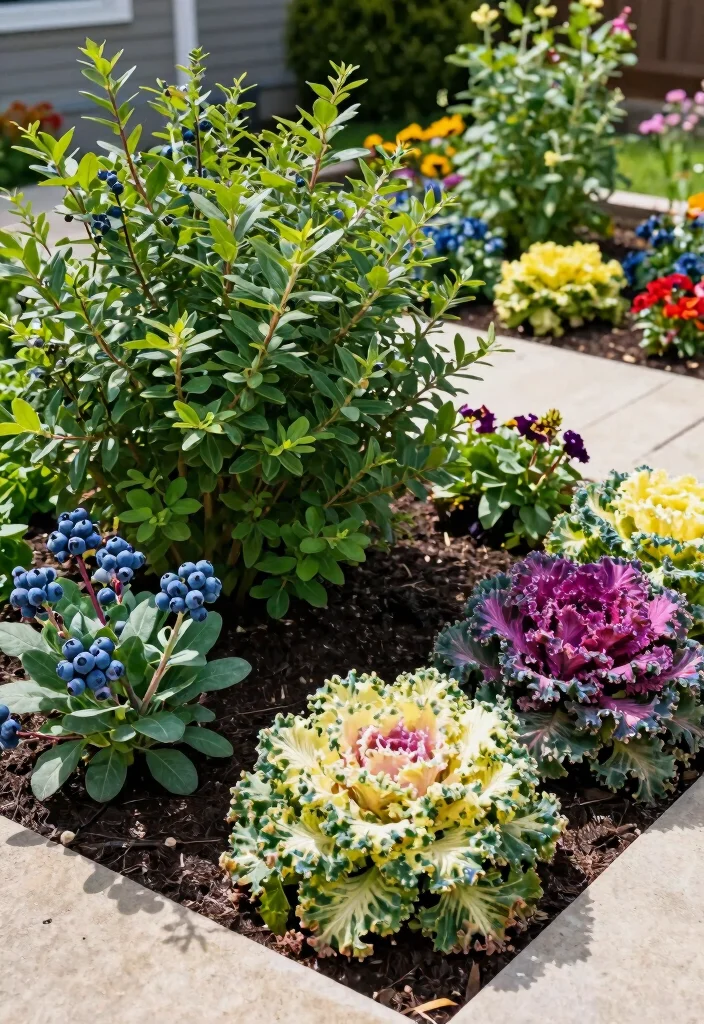
Creating an edible landscape marries beauty with utility, and many edible plants are naturally resistant to deer. Consider planting fruit-bearing shrubs like blueberries or raspberries, which often deter deer due to their tart taste. You can also incorporate decorative vegetables like kale and chard, adding both color and function to your garden.
This approach not only makes your front yard practical but also provides a unique aesthetic that stands out. Integrating edible plants among ornamental varieties creates a diverse and lovely landscape.
Consider these planting strategies:
– Grow blueberries, kale, and artichokes for beauty and nutrition.
– Design raised beds for easy access to edibles.
– Regularly prune fruit-bearing plants to maximize yield.
This method enriches your garden’s appearance while offering fresh produce at your fingertips. The mix of edibles and ornamental plants creates a vibrant and functional landscape.
9. Incorporate Raised Garden Beds
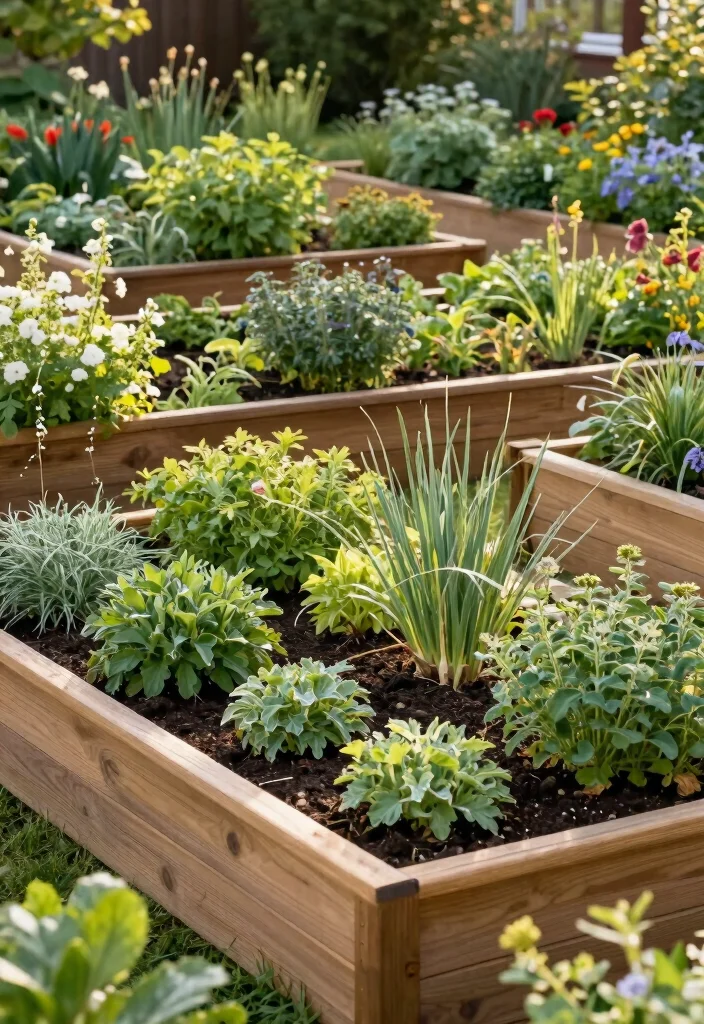
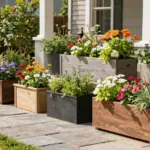
Raised garden beds provide an elegant solution for creating deer-resistant zones tailored to your front yard’s aesthetic. These beds not only elevate plants, making them less accessible to deer, but also allow for easier gardening access. Construct beds using treated wood or stone for a polished look, and fill them with a mix of deer-resistant flowers and herbs.
This design creates organization and structure in your garden while improving drainage and soil quality. Consider varying the heights of your raised beds for added visual interest and depth.
Here are some practical tips:
– Select treated wood or stone for durable raised beds.
– Arrange multiple beds for a dynamic layout.
– Plant a variety of colors and textures for year-round appeal.
This strategy not only enhances your yard’s structure but also promotes healthy plant growth. The visual variety in raised beds creates a stunning focal point in your garden.
Fact: Raised garden beds raise your plants 18 inches, making your deer resistant landscaping front yard feel safer and more elegant. They boost drainage, simplify maintenance, and keep herbs within reach—so you can plant with purpose and style.
10. Create a Colorful Focal Point
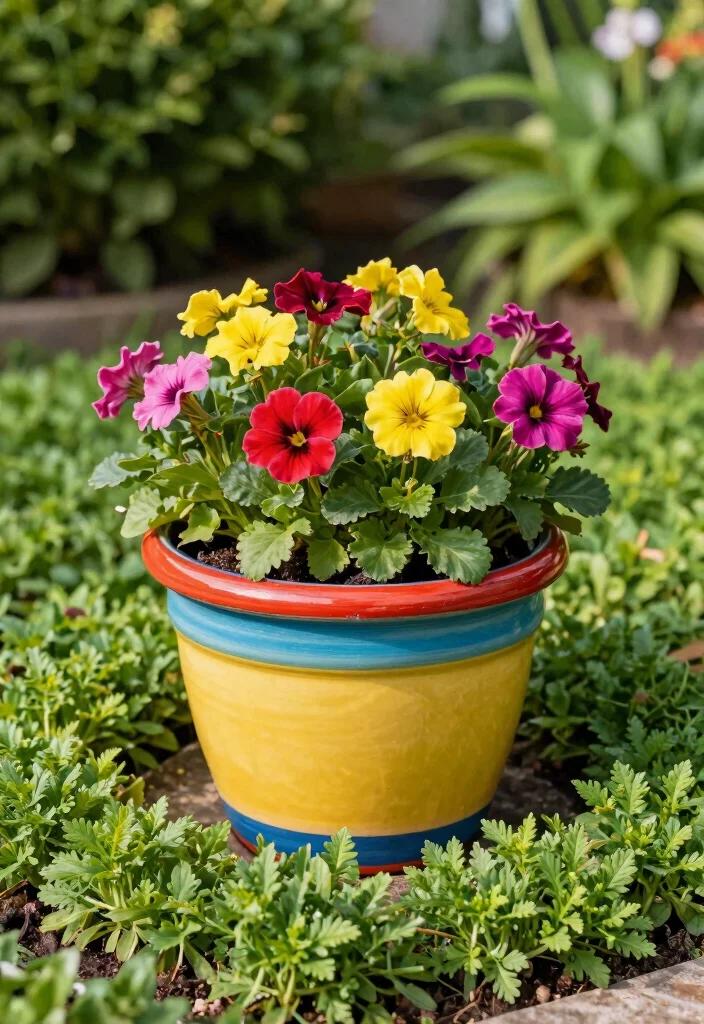
A vibrant focal point can transform your front yard, drawing the eye and captivating visitors. Consider using a colorful sculpture, a decorative water feature, or a collection of bright containers filled with deer-resistant flowers. Strategically placing a focal point in your landscape design can elevate the overall aesthetic, providing a striking contrast against the greenery.
This centerpiece can become a conversation starter while enhancing the inviting atmosphere of your yard. The right focal point can tie your landscaping together, making it visually cohesive and appealing.
Explore these ideas:
– Position colorful pottery at the garden’s entrance.
– Add a whimsical garden statue as a playful touch.
– Frame your focal point with lower-growing plants for impact.
This approach not only enhances your yard’s design but also adds a unique character. The combination of vibrant elements creates a memorable outdoor experience.
11. Create Wildlife Habitats
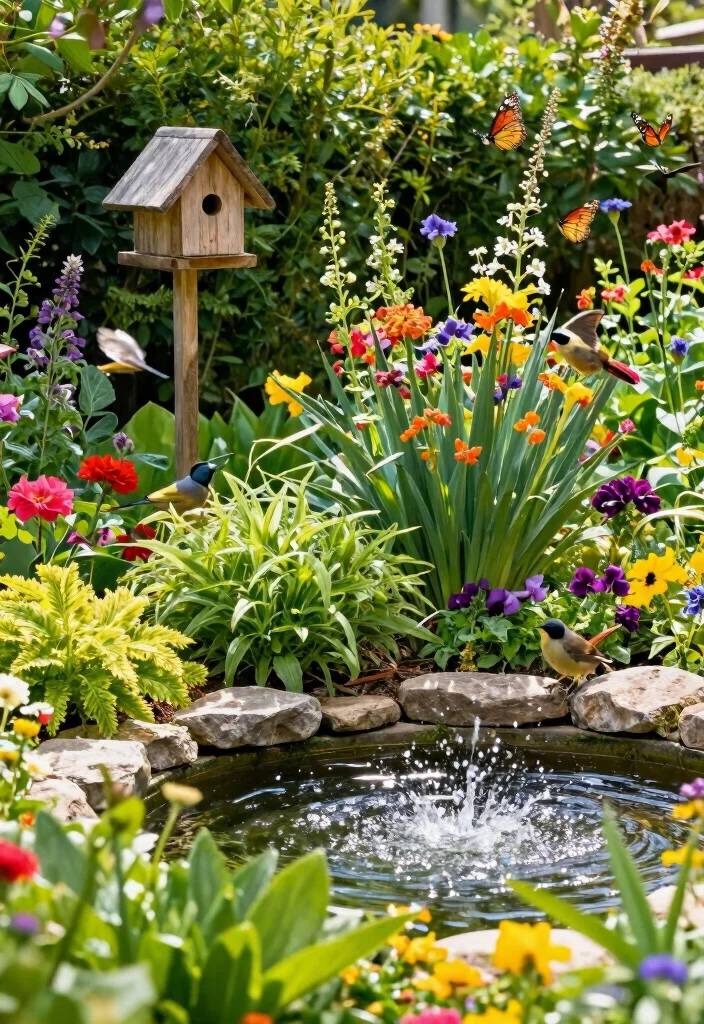
Designing your front yard with wildlife habitats in mind fosters a thriving ecosystem while keeping deer at bay. Include elements like birdhouses, bee hotels, and native plantings to attract beneficial wildlife. Providing shelter and food sources for birds and pollinators creates a lively environment that shifts focus away from your plants.
Planting a variety of flowering plants that bloom at different times ensures your yard remains attractive to wildlife throughout the seasons. This not only supports local ecosystems but also enriches your gardening experience.
Consider these habitat ideas:
– Install a bird feeder to attract feathered friends.
– Create a small pond for frogs and beneficial insects.
– Maintain habitats by keeping them clean and monitoring for pests.
This strategy enhances your landscape’s biodiversity, creating a rich environment. The inclusion of wildlife-friendly elements brings life and energy to your garden.
12. Use Mulching Wisely
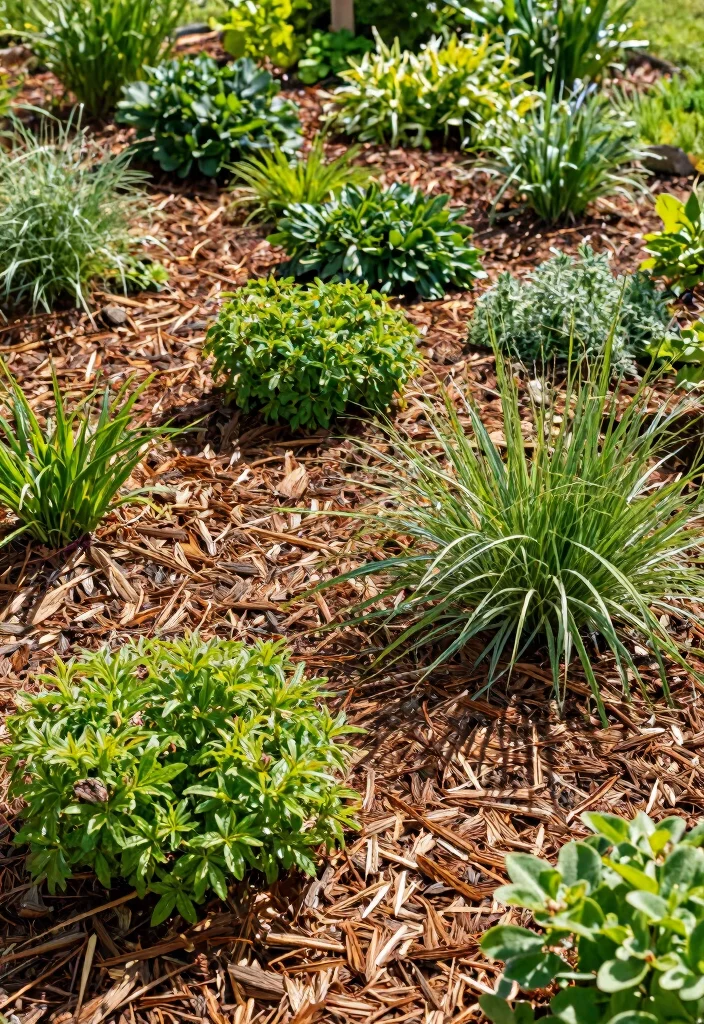
Mulching plays a vital role in your front yard’s health, retaining moisture, suppressing weeds, and potentially deterring deer with the right materials. Consider using cedar or pine bark mulch, as their scents are often unappealing to deer. A thick layer around your plants creates a unified look while benefiting your landscape.
This practice improves plant health and boosts visual appeal by tying different areas of your yard together. Applying organic materials adds to the soil as it breaks down, promoting a healthy garden.
Here are some mulching tips:
– Choose wood chips, straw, or shredded leaves for effective coverage.
– Apply a 2-4 inch layer for optimal benefits.
– Refresh mulch annually to maintain its effectiveness and appearance.
This method not only enhances your garden’s aesthetics but also supports healthy plant growth. The visual consistency provided by mulch ties your landscape together beautifully.
13. Design with Layers
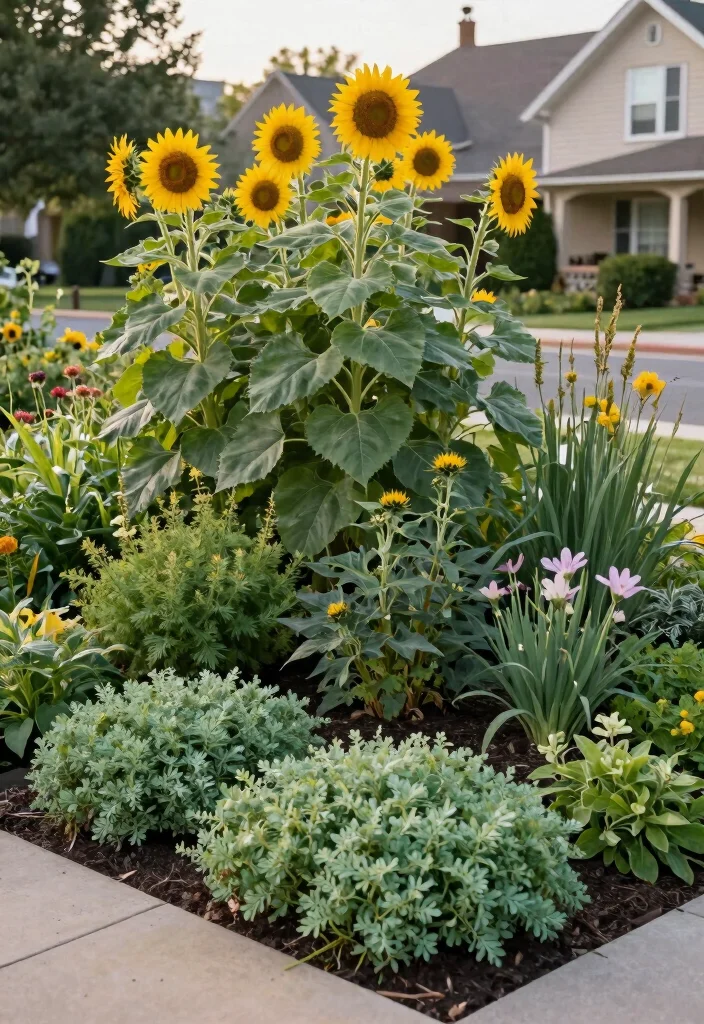
Creating depth and dimension in your front yard is key to an appealing landscape. By designing with layers, you can effectively utilize space while deterring deer from wandering through. Position taller plants like sunflowers or hollyhocks at the back, with shorter plants and ground covers in front. This layering technique enhances aesthetics and provides shelter for smaller wildlife.
Combining different textures and colors creates a lively tapestry that captures attention. Consider seasonal changes in plant selection to ensure a continuous display of beauty.
Here are some layering strategies:
– Use varying heights for visual interest.
– Select plants that bloom at different times for year-round color.
– Regularly prune to maintain shapes and encourage healthy growth.
This layered approach not only enriches your garden’s aesthetics but fosters a thriving ecosystem. The interplay of heights and colors creates a fascinating landscape.
14. Go for Minimalism
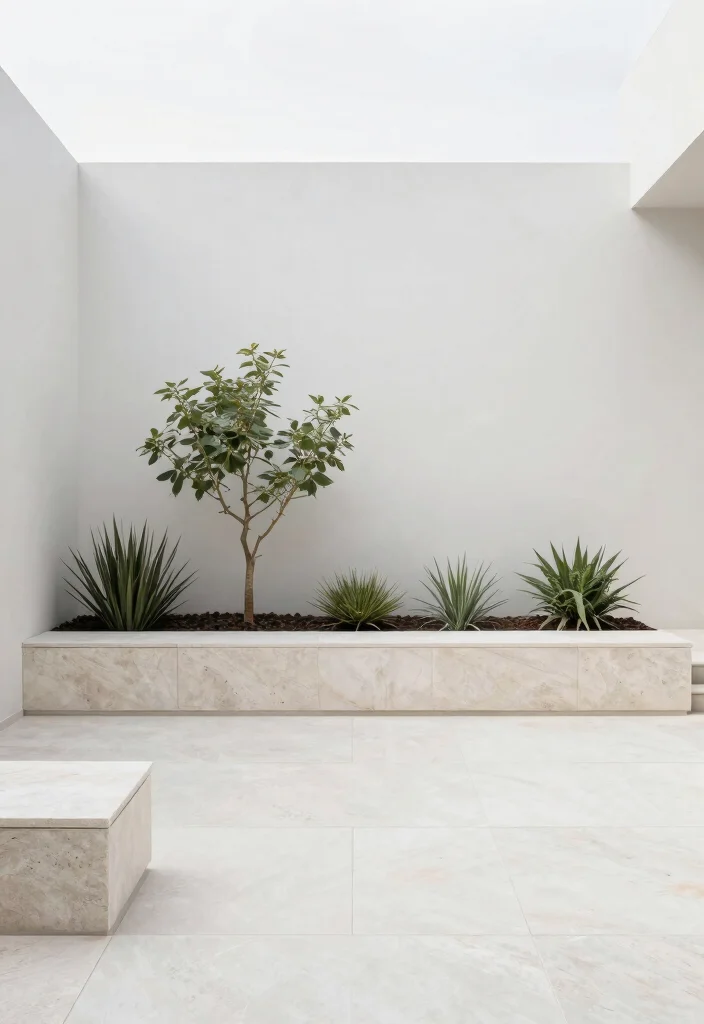
Sometimes, simplicity can create the most striking front yard. Embracing a minimalist approach allows you to focus on a few carefully selected deer-resistant plants arranged with intention. Use clean lines and geometric shapes to guide the eye and maintain an open feel. This design emphasizes sustainability and low maintenance, enabling you to enjoy your yard without the hassle of excessive upkeep.
Complement your minimalist garden with stone features or a simple water element for added interest. This approach creates a modern and serene outdoor space that feels both inviting and sophisticated.
Explore these minimalist ideas:
– Focus on shapes and textures rather than colors.
– Use structural plants like boxwoods as focal points.
– Keep pathways clear and plants trimmed for a tidy appearance.
This strategy not only creates a relaxing atmosphere but also highlights the beauty of simplicity. The elegant design allows the natural elements to shine.
15. Implement Seasonal Enhancements
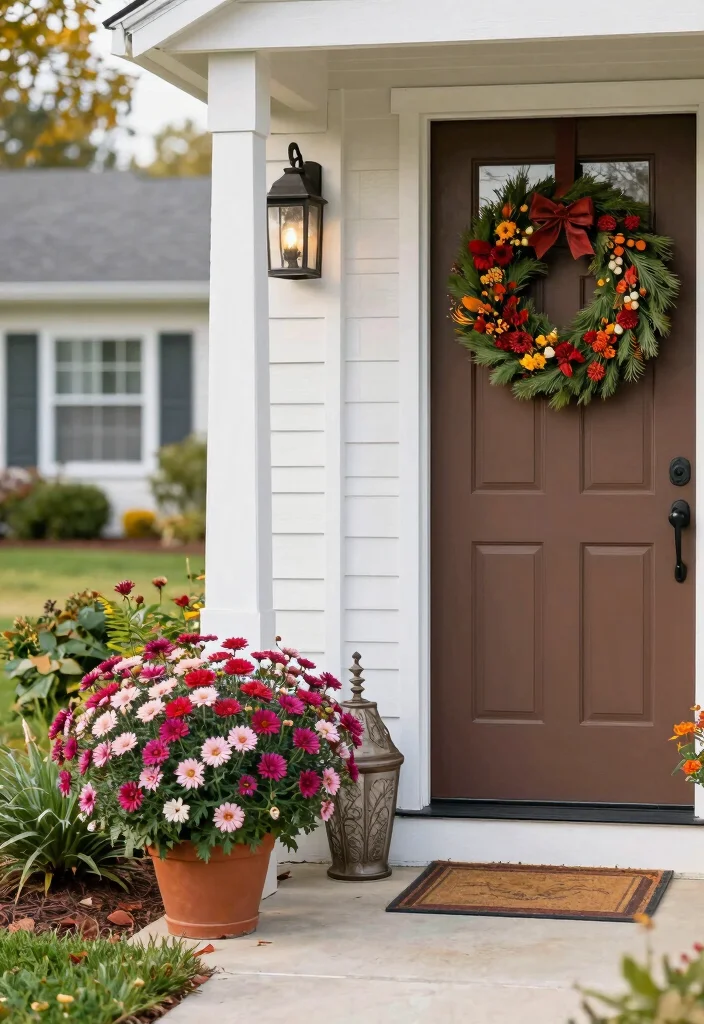
Keeping your front yard fresh and engaging throughout the year can be achieved through seasonal décor. Incorporate flowering plants or decorative elements that reflect the changing seasons. Selecting the right plants ensures a continuous visual change while remaining deer-resistant.
For instance, planting autumn-blooming asters or winter-hardy pansies can provide seasonal variety. Swapping out decorative elements like wreaths or garden stakes can help maintain a festive atmosphere in your yard.
Consider these seasonal ideas:
– Plant asters in fall and tulips in spring.
– Use decorative wreaths or themed garden stakes to add charm.
– Regularly deadhead blooms and change out decorations for a lively appearance.
This approach not only enhances your yard’s visual interest but also celebrates the beauty of each season. The thoughtful integration of seasonal elements invites joy and warmth to your outdoor space.
Conclusion
Creating a deer-resistant front yard doesn’t mean sacrificing beauty or design. With these tips and ideas, you can cultivate a remarkable landscape that thrives year-round and welcomes wildlife.
Embrace the challenge of sustainable landscaping by integrating native and deer-resistant plants while incorporating hardscaping and decorative elements. Whether you implement one idea or combine several, your front yard will become a vibrant, serene space that’s both functional and visually stunning.
Note: We aim to provide accurate product links, but some may occasionally expire or become unavailable. If this happens, please search directly on Amazon for the product or a suitable alternative.
This post contains Amazon affiliate links, meaning we may earn a small commission if you purchase through our links, at no extra cost to you.
Frequently Asked Questions
What is deer resistant landscaping front yard, and why is it ideal for urban front yards?
Deer resistant landscaping front yard is designing a space that minimizes deer browsing while preserving curb appeal. In urban front yards, it helps protect plant investments, reduces maintenance, and supports sustainable landscaping ideas. Start by assessing your local deer pressure and climate, then choose deer resistant plants suited to sun, shade, and soil. Build year‑round structure with evergreen backbone, add simple hardscape elements, and keep upkeep manageable with smart pruning and mulching. Remember, no plant is 100% deerproof, but a thoughtful deer resistant front yard can last for years with steady care.
Key terms to explore include deer resistant landscaping front yard, deer resistant plants, front yard landscaping tips, low maintenance gardens, sustainable landscaping ideas, and wildlife friendly gardens.
Which deer resistant plants are best for a low maintenance front yard landscaping?
For a reliable, low maintenance front yard landscaping, mix sun‑loving perennials, shrubs, and groundcovers that deer tend to avoid. For sunny spots, try lavender, salvia, echinacea (coneflower), rudbeckia (black‑eyed Susan), coreopsis, agastache (anise hyssop), sedum, and ornamental grasses. For light shade, consider heuchera (coral bells) and astilbe, paired with evergreen fillers like boxwood or juniper to preserve year‑round structure. Always check your local extension or native plant guides to confirm deer resistance in your region, since deer behavior varies by area.
Using these deer resistant plants helps you maintain a low maintenance garden without sacrificing curb appeal.
How can I design sustainable landscaping ideas for a wildlife friendly front yard that stays deer resistant?
Designing sustainable landscaping ideas for a wildlife friendly front yard that stays deer resistant means balancing habitat with deterrence. Start with a native or well‑adapted plant palette that deer tend to avoid, then arrange plants in layered beds to create depth and movement. Choose drought‑tolerant, low maintenance options to support sustainable landscaping ideas, and include nectar‑rich blooms for pollinators without inviting heavy deer browsing. Add practical features like efficient drip irrigation, rain barrels, and organic mulch, plus a simple barrier near entry points if deer are persistent. Finally, maintain your landscape with seasonal pruning and plant rotation to keep deer away and your wildlife friendly gardens thriving.
Tip: pairing native shrubs with decorative grasses often yields year‑round interest while keeping maintenance minimal.
What practical front yard landscaping tips help create a long lasting deer resistant front yard with low maintenance?
Focus on building a durable backbone of year‑round structure with evergreen shrubs and grasses. Then group deer resistant plants by sun exposure, water needs, and growth habit to simplify care. Reduce lawn areas to cut mowing and water needs, and replace them with native groundcovers and mulch for a low maintenance gardens approach. Install efficient irrigation (drip systems), mulch beds to suppress weeds, and schedule regular but minimal pruning to reduce deer browse opportunities. Add decorative hardscape elements to cut down on upkeep, and monitor deer pressure to adjust plantings as needed. This approach aligns with practical front yard landscaping tips while keeping your space deer resistant and easy to maintain.
Are there deer resistant groundcovers and shrubs that still look great in urban front yards?
Absolutely. Consider deer resistant groundcovers like creeping thyme, sedum, vinca minor, and ajuga for quick, low‑maintenance cover. For shrubs, try boxwood, juniper, barberry (Berberis), pittosporum, and holly, chosen to suit your sun and soil. These options are commonly regarded as deer resistant in many urban settings, but always verify with local guides since deer behavior varies. Pair with seasonal native perennials to keep an urban front yard lively while staying aligned with sustainable landscaping ideas.
Related Topics
deer resistant landscaping
front yard ideas
sustainable gardening
urban landscaping
low maintenance gardens
wildlife friendly gardens
beginner friendly
deer resistant plants
eco-friendly landscaping
landscaping tips
year-round beauty
easy landscaping