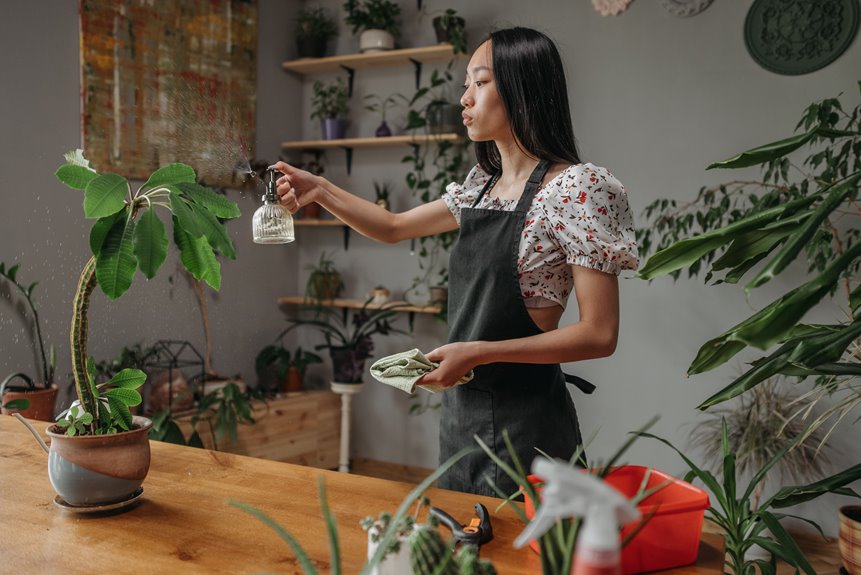
I keep my indoor plants thriving by matching them to my light conditions. South-facing windows work for sun-lovers, north-facing spaces suit low-light varieties, and grow lights fill gaps when needed. I use pots with drainage holes and porous soil, avoiding rocks at the bottom that trap moisture. I water only when the top inch dries out, never on a schedule. I fertilize in spring and summer, then pause in winter. I group plants for humidity and check weekly for pests. Each step below breaks down these practices so you can successfully grow indoor plants.
[link-whisper-related-posts]Match Indoor Plants to Your Available Light
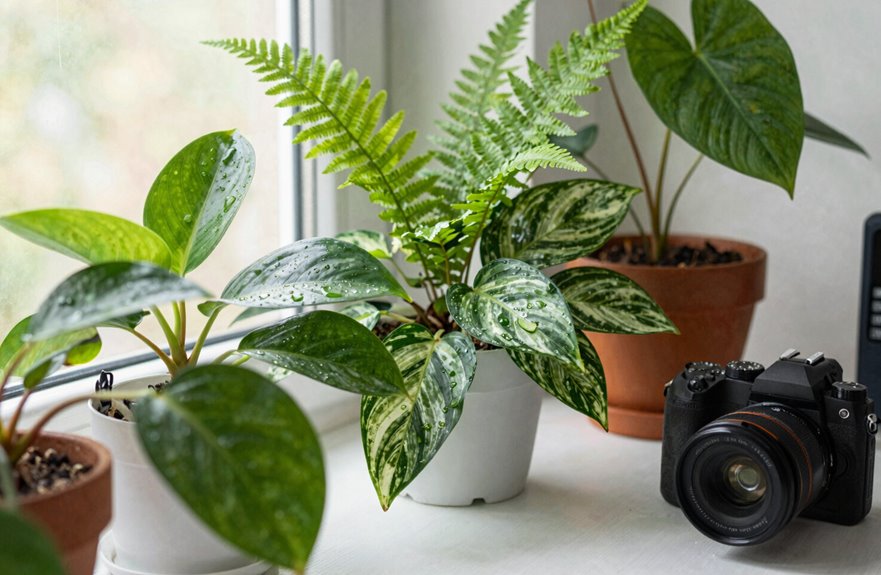
I’ll start by evaluating your space’s light before bringing any plant home. Light intensity matters: high light exceeds 1,000 foot-candles, medium falls between 500–1,000, and low light ranges 50–500 fc. These measurements help match your space with suitable species.
South-facing windows deliver high light perfect for sun-lovers, while north-facing windows suit low light varieties. Light drops sharply just feet from glass; what reads 1,000 fc at the window becomes 100 fc across the room.
When natural light fails you, supplement with grow lights or cool-white fluorescents, positioning plants 1–3 feet from artificial lighting. Selecting plants aligned with your actual light levels ensures healthy growth and successful indoor gardening.

FULL SPECTRUM HIGH EFFICIENCY GROW LIGHTS: SANSI grow light emits all wavelengths from 380nm to 800nm - just like natural sunlight. With white light efficient LED diodes and higher PAR output, grow lights greatly promote indoor growth by accelerating photosynthesis, ideal for all growth stages and a variety of plants such as herbs, succulents, orchids, cherry tomatoes, monstera, etc

SMALLER & STRONGER: SANSI LED pot clip plant light equipped with SANSI unique ceramic technology, provides more efficient power conversion. The indoor plant light provides 5W output power with 35.78 μmol/s/㎡ @6 inches growing power. Compared with the similar 10W plant light, the output power is saved by 50% and the plant growing effect increased by 25%. The LED grow light is suitable for various indoor potted plants, such as succulents, aloe vera, devil's Ivy, calibrachoa, African violet, etc.

[Space-Saving Design]: Our 2-pack corner plant stand is perfect for small spaces, featuring 47 "tall 6 tiered plant shelves and 4 hanging hooks to maximize vertical space. This plant stand indoor can help you arrange multiple plants neatly, turning a cluttered plant arrangement into a beautiful organized display.
Pick Pots and Soil That Drain Properly
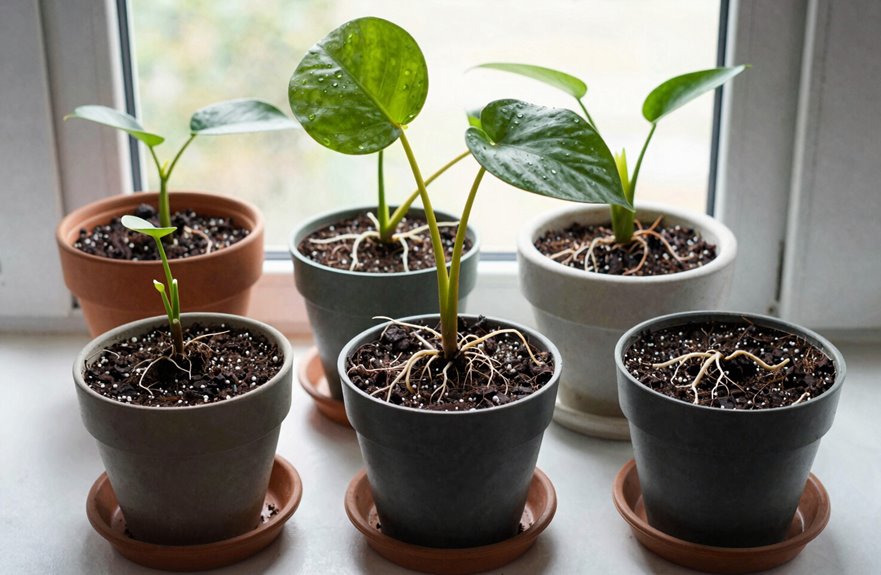
You can’t keep roots healthy without a way for excess water to escape, so I always check for drainage holes before buying any pot. If I’ve fallen for a decorative container without them, I’ll use a pot-in-pot method by slipping a drainage-enabled pot inside so I don’t sacrifice style for root rot prevention.
I’ve learned the hard way that bottom rocks don’t help water drainage; they actually trap moisture where roots suffer most. Instead, I prioritize soil porosity and soil aeration by selecting quality potting soil that won’t compact over time.
When my plants get rootbound with circling roots or growth emerging from drainage holes, I transplant to the next size up, about two inches larger, keeping the crown slightly below the rim. This routine maintains healthy root systems.

Accurate Soil Moisture Detection: The XLUX Soil Moisture Meter can tell you if the soil deep inside your pot or garden is dry, moist or wet; whereas your eyes and fingers can only determine the moisture level of the soil surface. The probe is 5.5 inches (14 cm) longer than regular styles, allowing it to measure the soil moisture at the bottom of larger and deeper flower pots.
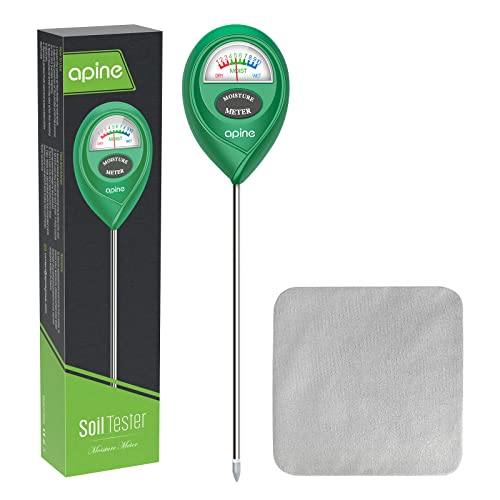
Quick Measurement:Just insert the probe of the plant water meter into the soil about two to four inches,wait a few seconds,you can get the soil moisture immediately.The color division of the dial is simple and clear,and the elderly can easily use it
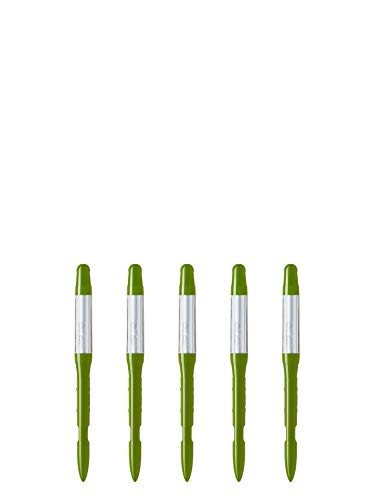
Dimensions: 0.4 x 0.3 x 4.7 inches (small) - Intended for pot sizes of 2, 2.5, and 3 - Ideal for small succulents
Water Indoor Plants Only When Soil Dries
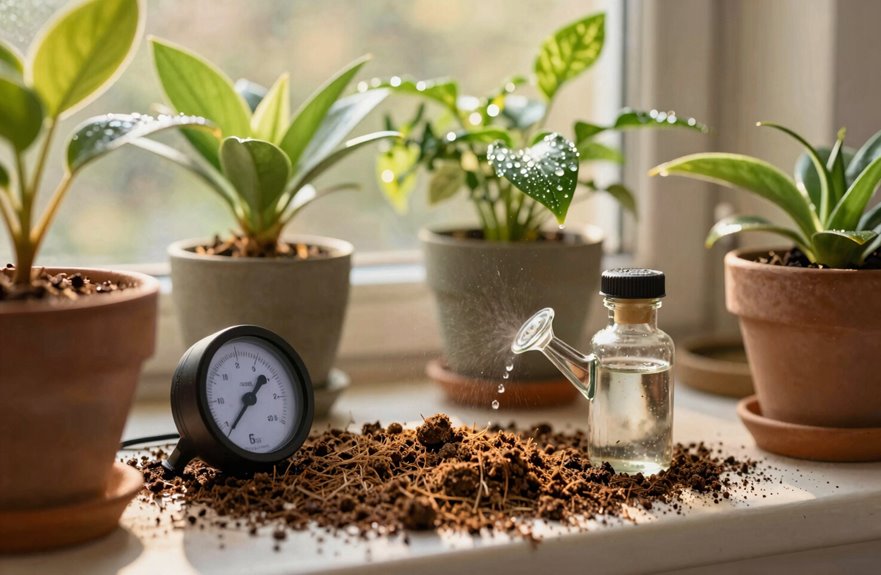
Resisting the urge to water on a fixed schedule keeps my plants far healthier than any calendar reminder ever could. I’ve learned that staying schedule-free means checking soil moisture first. I stick my finger 1–2 inches into the soil. This finger test tells me exactly when my green friends need a drink.
My drought-tolerant varieties appreciate this patience most. For root rot prevention, I water thoroughly until drainage flows, then let things dry between sessions. Whether I choose top-watering or bottom-watering, I always collect runoff to protect my space.
Come winter, I slow way down since growth pauses and thirst drops. This mindful approach connects me to fellow plant lovers who’ve discovered that listening to soil conditions beats guessing.

Ceramic Plant Pot: The ceramic pot is high temperature fired stoneware which are durable and lightweight that convenient for you to use
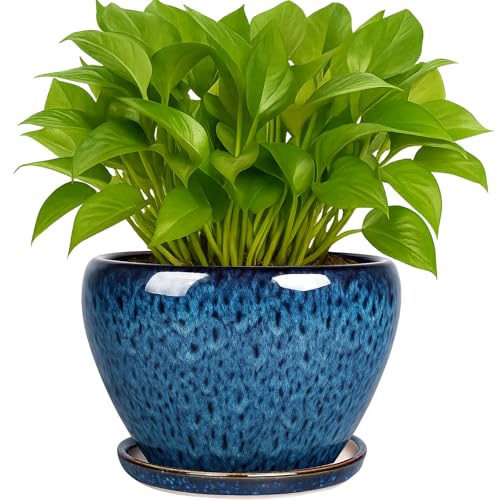
Modern Design: Our ceramic planter pot design with an attractive peacock blue color glaze, elegant appearance making it ideal for home decor, garden decor and office decor

INCLUDES: Pot with saucer for almost any type of plant; ideal for indoor or outdoor decor
Fertilize During Growth, Pause in Winter
Because my plants can’t tell me when they’re hungry, I’ve learned to read their growth cycles instead. I fertilize during growth, spring and summer, when my plants push new leaves and stretch toward the light. Active growth requires fuel.
Plants can’t speak hunger, so I read their growth cycles instead—spring and summer fuel for active life.
I pause in winter. When light fades and temperatures drop, my plants enter dormancy. Their metabolism slows, and unused nutrients can burn roots or poison the soil.
I’ve explored fertilizer types: liquids for quick boosts, granules for steady feeding, and slow-release fertilizer for set-it-and-forget-it care. I check labels for nitrogen, phosphorus, and potassium ratios; high nitrogen for leafy plants, more phosphorus for bloomers.
Smart nutrient management means matching feed to need. I don’t overdo it. I watch, adjust, and let my plants rest when they need to.
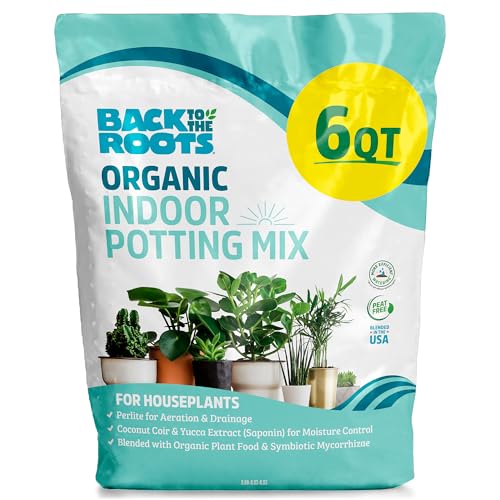
Includes 6qt of Back to the Roots Indoor Potting Mix. Our Potting Mix contains organic yucca extract that aids in retaining moisture in the soil which keeps your indoor plants happy and healthy

INDOOR GROWING: Growing indoors is easy under the right conditions; Miracle-Gro Houseplant Potting Mix is an indoor plant potting soil that combines key elements container plants need to thrive

BUILT FOR AROIDS, LOVED BY TROPICAL PLANTS: This chunky aroid potting mix was crafted for the way aroids actually grow - clinging to bark, craving airflow, hating soggy roots; works beautifully for Monstera, Philodendron, Alocasia, Anthurium, Pothos, Peace Lily, and most tropical houseplants
Control Humidity and Catch Pests Early
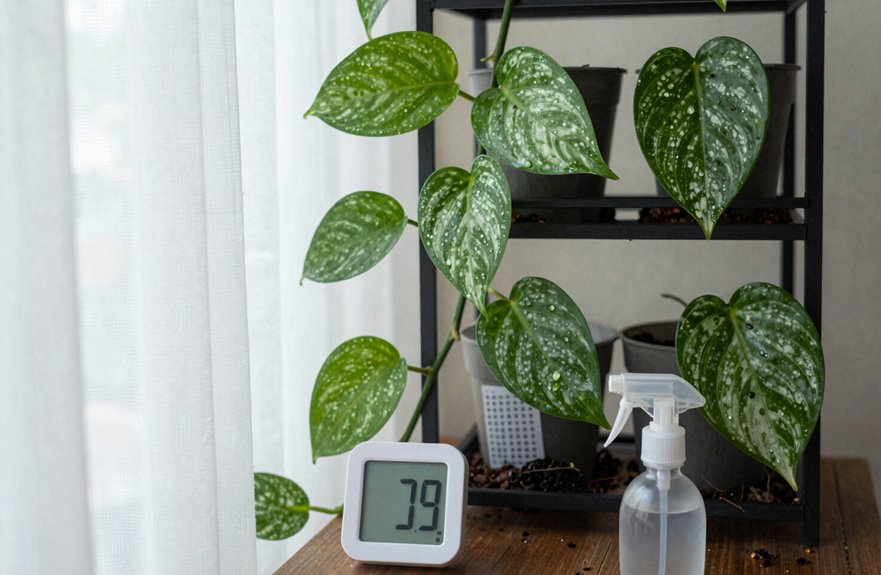
Where does my tropical fern crisp up at the edges, or my calathea curl its leaves? I’ve learned it’s usually low humidity. Most indoor plants thrive at 40–60% humidity, but our homes rarely deliver. I group my plants together so they share moisture through transpiration. This creates a little community that supports each other. I mist occasionally for leaf refresh, though it won’t transform room conditions. For serious humidity control, I run a humidifier near my tropicals.
Pest prevention matters just as much. Stressed, dry foliage attracts trouble. I make weekly inspection a ritual, checking leaf undersides for aphids, mealybugs, scale, spider mites, and fungus gnats. Early detection saves my collection. When I spot invaders, I wash leaves, swab with alcohol, or apply insecticidal soap or neem oil. Healthy plants support a healthy home.

What You Will Receive: the package comes with 2 packs of bonsai humidity trays, you can use them to hold bonsai tree, cactus, succulents and more houseplants for moisture and drainage, the bonsai tray can also provide protection for your furniture, meeting your daily use needs and bringing your life much more convenience

【PlANT SAUCER VLUE】Bleuhome plant saucer 6 inch small, 6 packs black plant drainage tray, The tray size of each Flower pot trays is 6.3" at the top and 4.7" from bottom and it is 1.1" deep, suitable for planters with bottom diameter less than 4.7 inches. Plant Trays for Planter 4"/5"/6". Under plant water drip tray for planter pot.
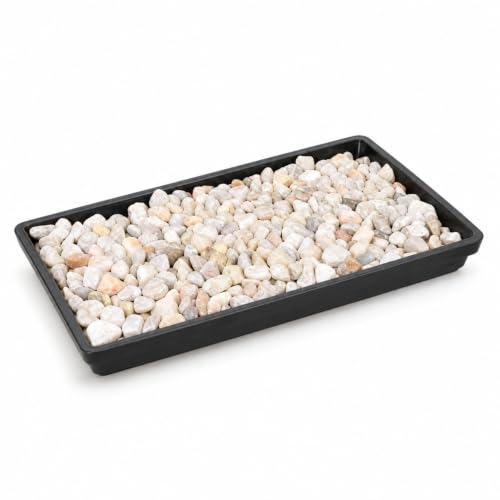
Humidity Control: Enhances bonsai growing environment by increasing humidity around the tree, promoting healthier growth