
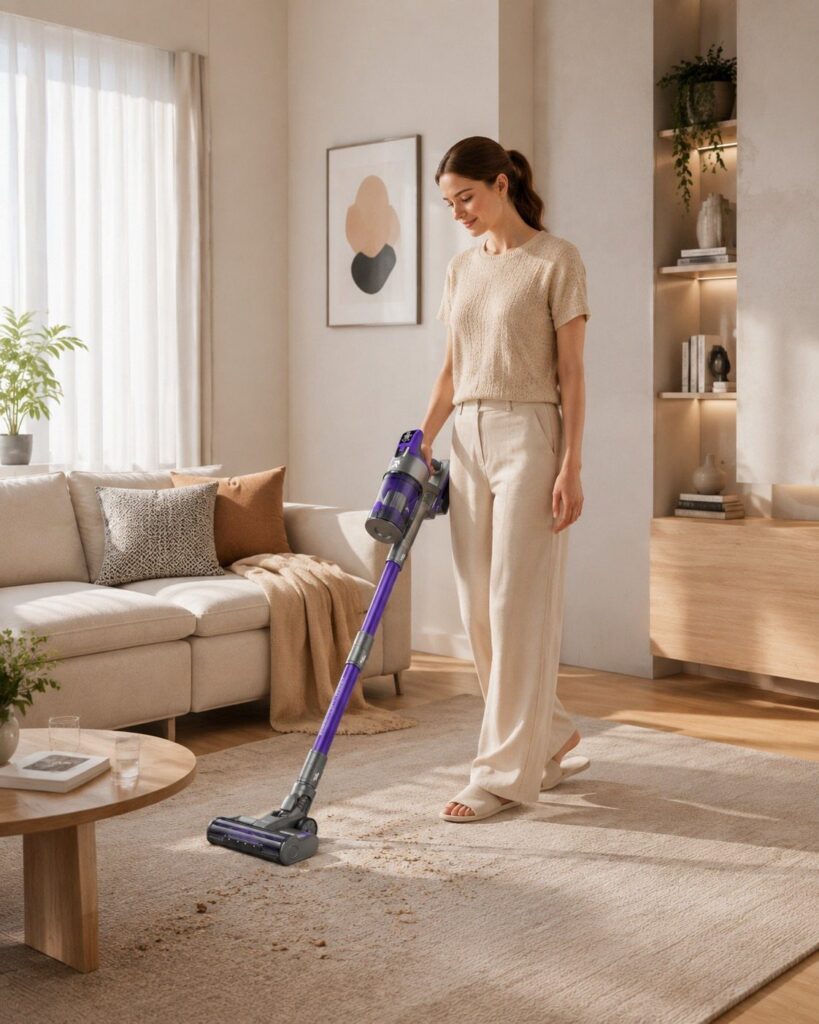
The tools here run from a pen and a notepad that cost almost nothing to a cordless stick vacuum and an electric mop, which make floor duty light enough to hand to a kid or teenager.
Who does the job decides the format: a young child needs a short checklist on the refrigerator at eye level, while a household with several kids suits a magnetic family chart with a row for each person and separate "Jobs" and "Goals" sections.
[link-whisper-related-posts]1. Vacuum Floors
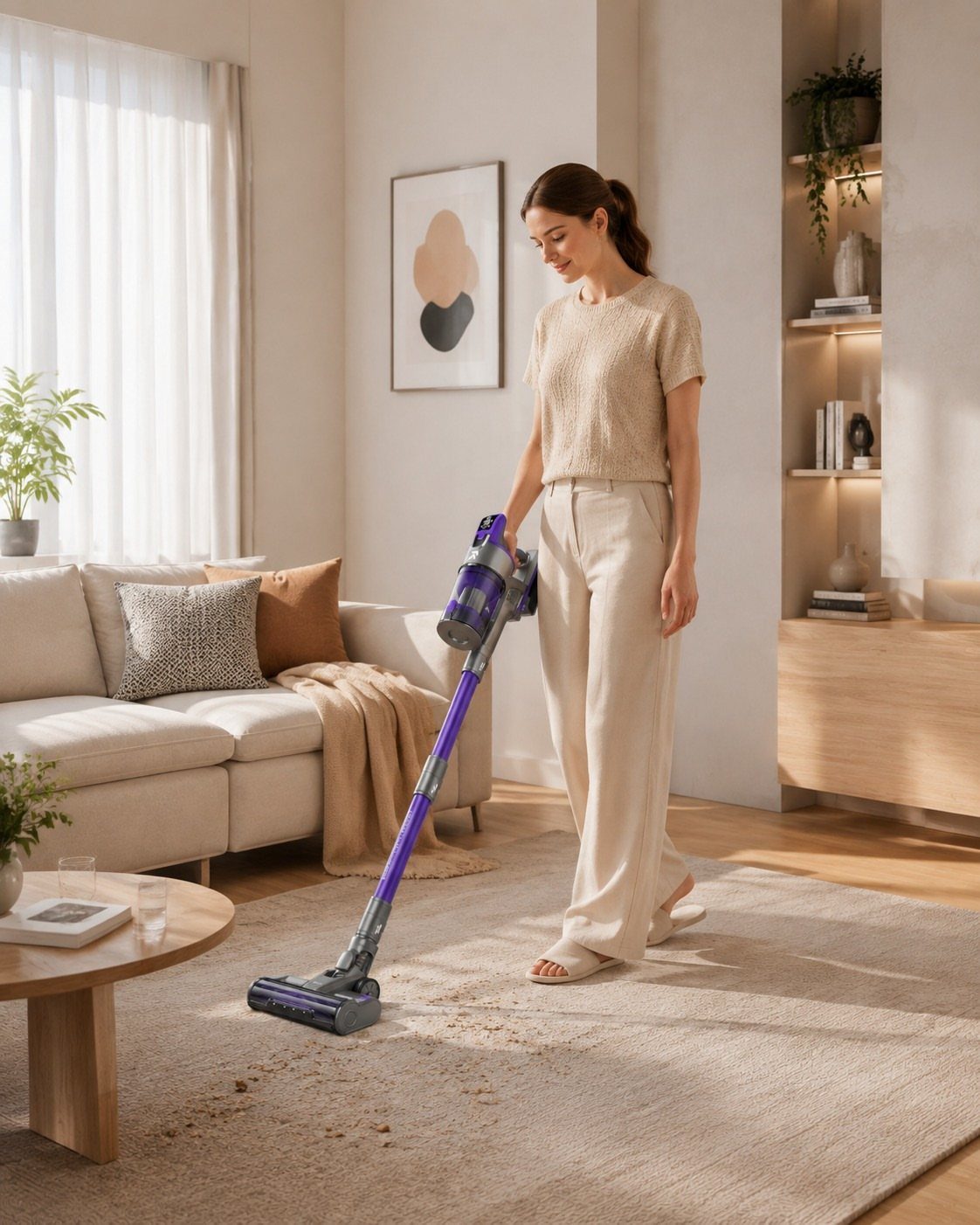
A cordless stick vacuum removes the cord-wrangling that makes vacuuming feel bigger than it is, so I’d hand this one to the oldest child who can push it around a room.
Light rugs show crumbs fast, so I’d split the line on your list in two: high-traffic areas like the living room and entry get frequent passes, and bedroom floors go on a slower rotation.
Writing them as separate lines keeps a quick pass from counting as the full job.
2. Mop Floors
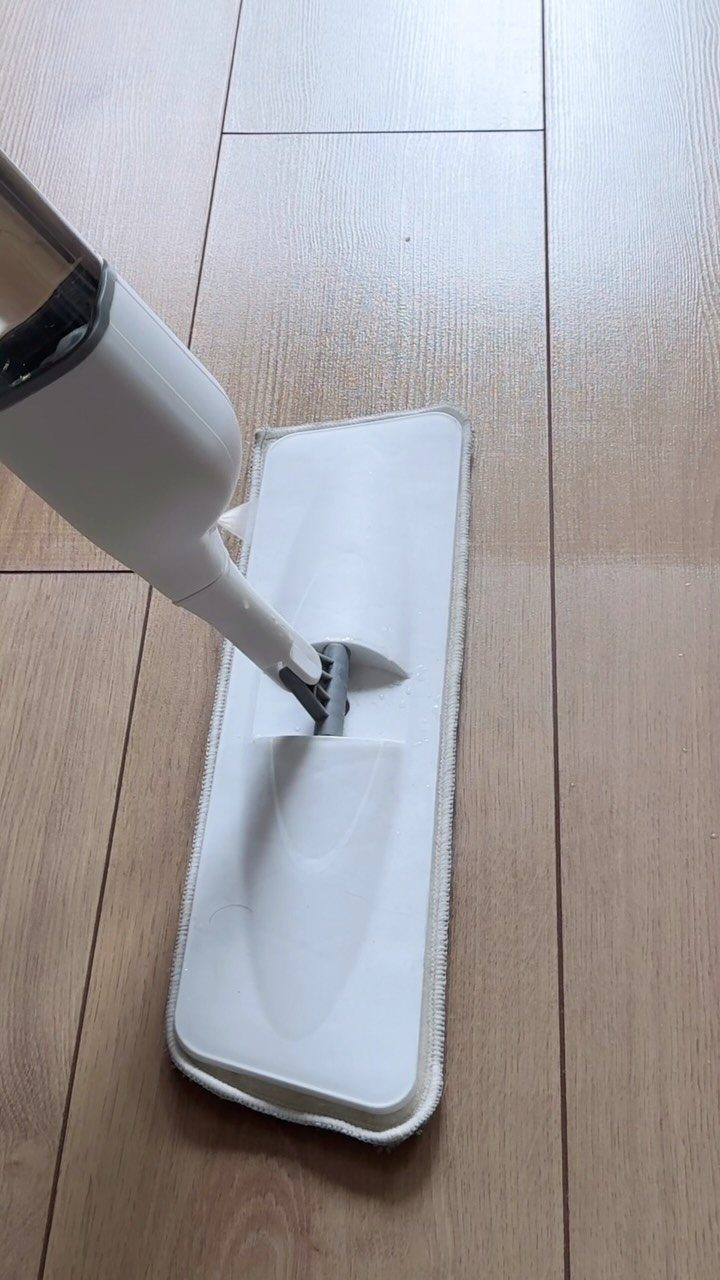
Hard floors get their own line on the list, because mopping and vacuuming are different jobs.
Vacuum first, then mop. Otherwise the mop just drags grit across the planks.
An electric mop keeps floor duty light enough for a teenager to take over, since the motor does the scrubbing and the pad does the rest.
On wood, I prefer a barely damp pad to a wet one, and I run it along the length of the planks. Standing water is what wood floors tend to dislike.
3. Family Chore Chart
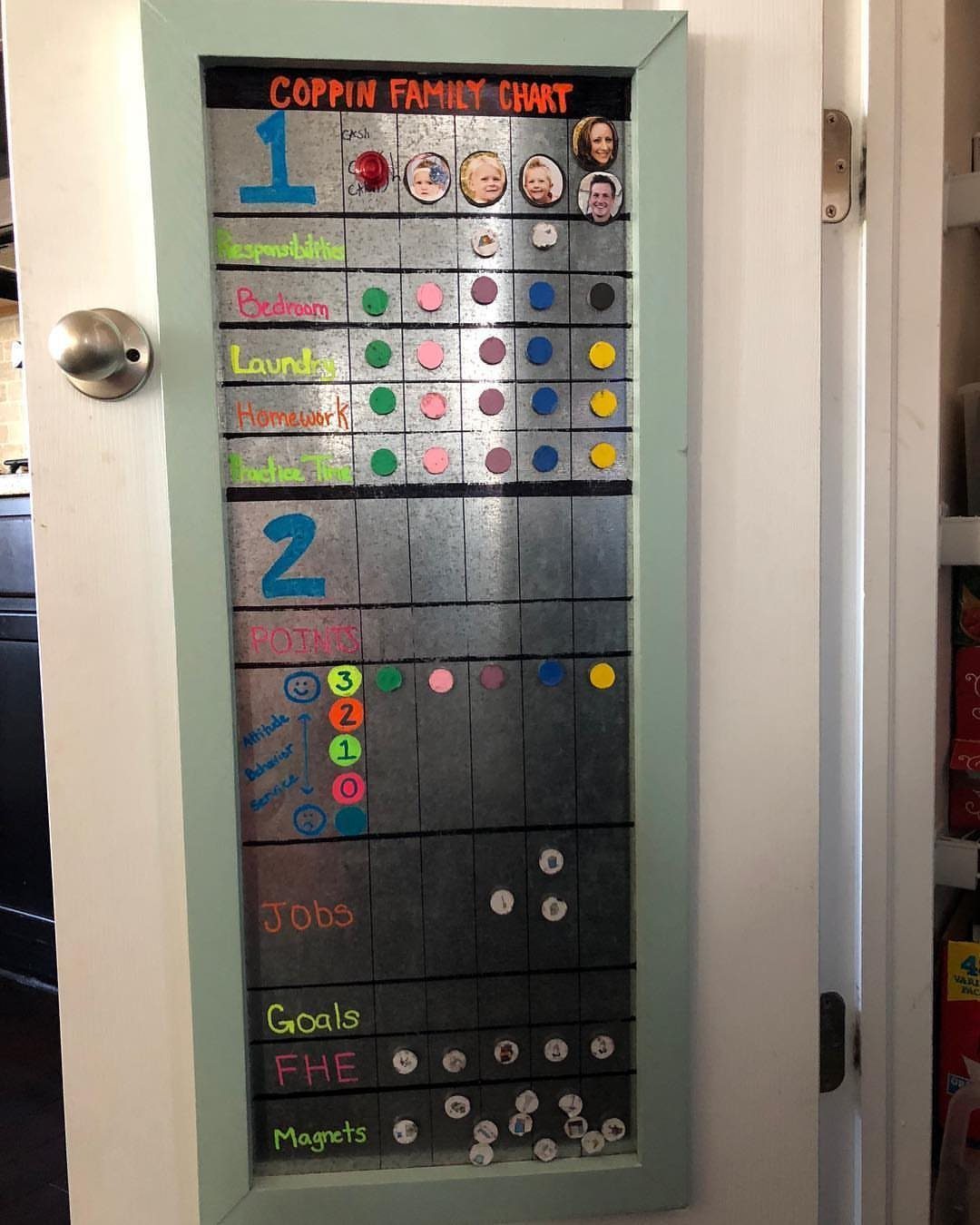
Magnets are what make a family chart last. Each person gets a row, and tasks like bedroom, laundry and homework become pieces you can slide around instead of words you have to erase.
A chart with a "Jobs" section and a "Goals" section does double duty: daily upkeep on one side, bigger targets on the other.
I’d rotate the laundry magnet from week to week so one person doesn’t get it forever. Hang it where everyone walks past, like a hallway or the kitchen wall.
4. Child’s Chore Chart
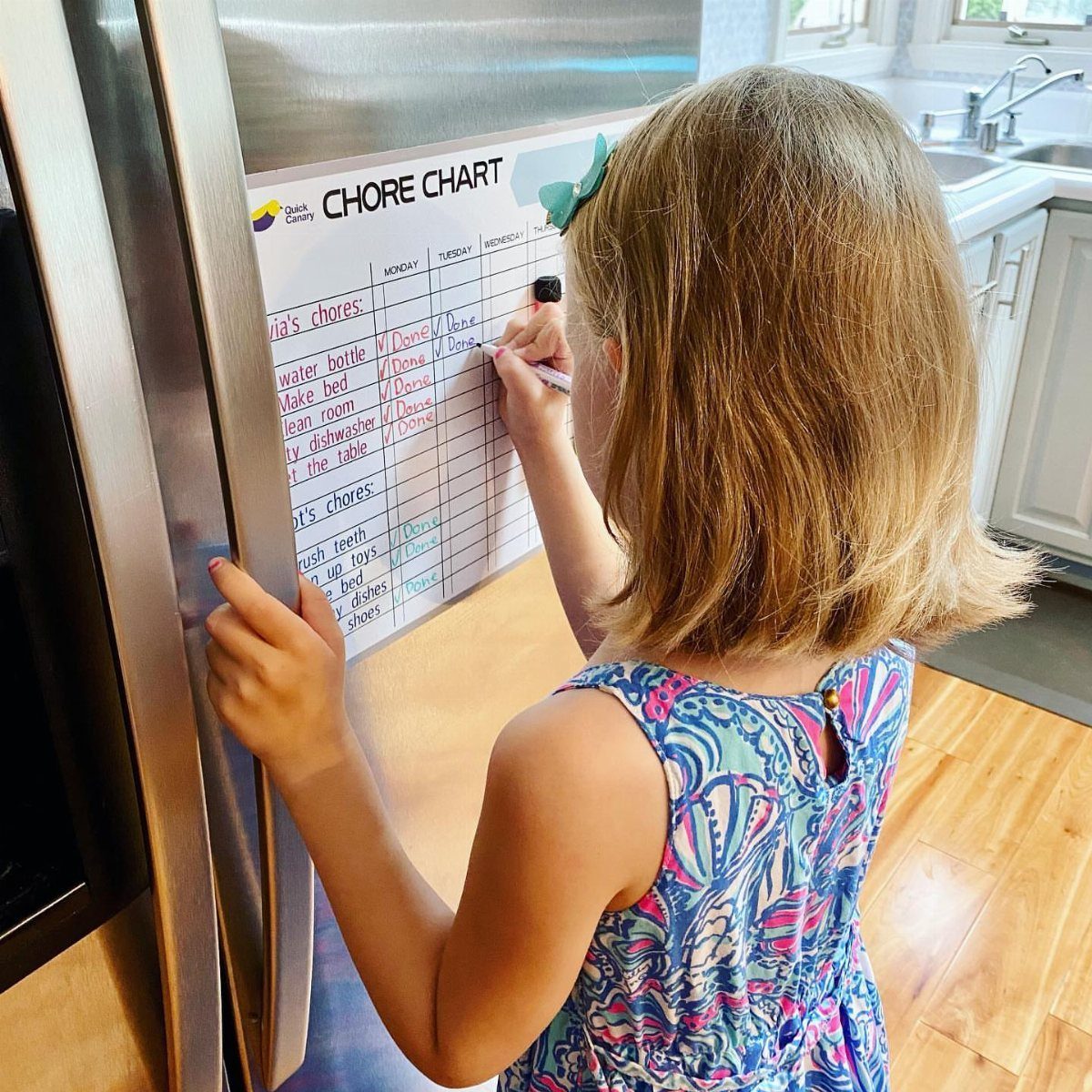
Put the chart on the refrigerator at your child’s eye level, since they’ll walk to the kitchen anyway. The reach is part of the habit.
Start with a short list of jobs a kid can finish alone, like making the bed or filling a water bottle.
Each checkmark gives them a small win to see. Add a new task only after the current ones have become routine, and keep the first few so easy they can’t fail.
Add these monthly tasks to your weekly chore list. But spread them out so you only add one a week to keep the extra work from becoming overwhelming.
— Care.com
5. Handwritten Chore List
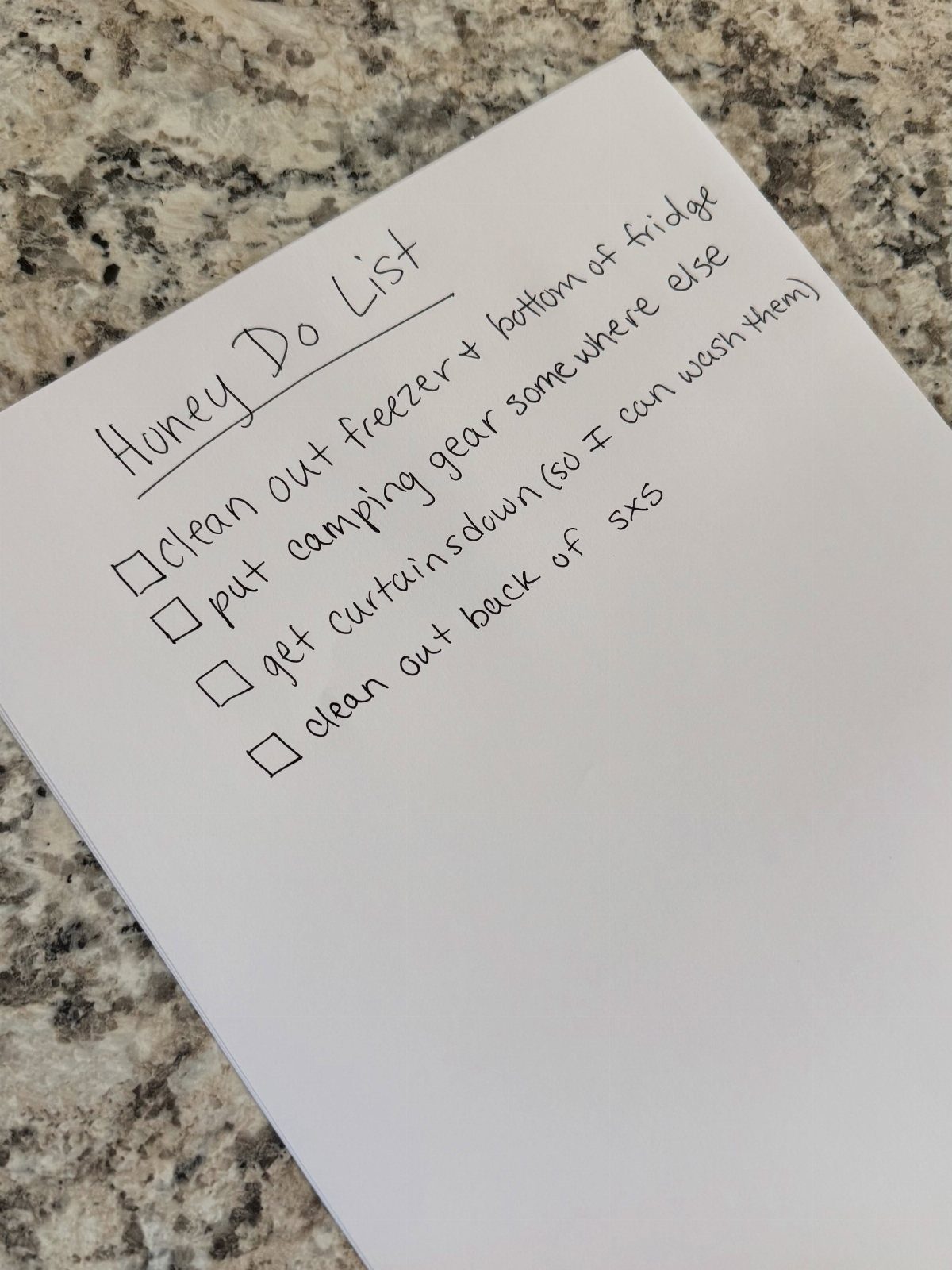
Paper and a pen cost almost nothing, and a notepad with checkboxes suits the jobs that don’t repeat daily: cleaning out the freezer, wiping down the fridge, the things that get skipped for months.
Write each item as a single finishable task, such as "clean freezer" rather than "kitchen." Then one weekend can clear a page.
I like leaving the pad on the counter, since a list nobody sees doesn’t get done. Tear off the sheet when every box is checked and start a fresh one.
Make Chore Charts Workable
Let children choose some of their own tasks. A kid who picked "feed the dog" over "wipe the counters" has a reason to follow through, and the chart stops feeling like orders.
Spell out what done looks like in plain words on the chart, such as "shoes in the basket by the door." Nobody has to guess, and nobody gets to argue.
Match each job to what a child can do safely alone.
Younger kids are more limited and need a helper nearby, so I’d give them a simpler version of a job and save anything sharp, hot or heavy for older ones.
Laminate the chart and use dry-erase markers. Needs change with a new school schedule or a growing kid, and wiping the board beats reprinting it.
Swapping jobs every few weeks lets children try different skills instead of getting stuck on one.
Teach Tasks with Patience
Sweeping a floor or running a washer is a learned skill, and a child who has never been shown either one will usually guess wrong.
Show each step in order, then do the job beside them until they can carry it alone.
Expect to repeat yourself, and expect some pushback. Sometimes it feels like a single skill takes years to stick, but the practice pays off once they do it without you.
Aim first for showing up and finishing the job. A crooked fold or a missed corner is part of learning, so I’d fix it quietly later or leave it, and skip the do-over speech.
Praise the effort you saw. Demanding perfection early teaches a child that the safest move is to avoid the job.
Rewards and Chore Payment
Start by sorting jobs into 2 piles: personal chores everyone owes the household, and extra work beyond that. Tidying your own room is a contribution, and many families attach no money to it.
For those expected jobs, privileges or points work well. Points can add up toward something the child picks.
Money fits the second pile. Some parents pay only when the work is done well, and others add bonus money for extra tasks on top of the basics.
Paying only for excellent work sets a clear standard, though a younger child may get discouraged when a half-finished job earns nothing. Pick one system and explain it before the first payday, because mixing approaches invites bargaining over every task.
Frequently Asked Questions
Should kids get paid for doing chores?
Pay for extra work, not for the basics. Personal chores like tidying their own room are part of living in the household, so privileges or points that build toward something the child picks fit better there.
Money suits the jobs beyond that, either paid only when the work is done well or with bonuses for extra tasks.
Pick a single payment system and walk the kids through it before the first payday; blending 2 approaches turns every job into a negotiation.
What housework should be done daily?
Make the beds, get dirty clothes into the hamper, wipe the kitchen counters, run or empty the dishwasher, take out the trash, sweep the kitchen and feed the pets.
A daily job that always lands on the same person breeds resentment, so rotate them around the household.
What are the most important chores to complete?
Dishes, laundry, floor cleaning, bathroom cleaning and a quick straighten-up or dusting cover the core of a household.
For floors, vacuum before you mop, since a wet pad over loose grit just pushes it around. Put hard floors on a separate line, since a run of the vacuum over the rugs shouldn’t pass for the whole floor job.
What age should children start helping with chores?
Around ages 2–3, a child can start taking on simple tasks. A toddler can sort toys into bins, mop up a low spill with a damp cloth, and carry dirty clothes to the hamper.
Start a new chart with 2 or 3 jobs a child can finish solo, such as making the bed, and hold off on adding another until those feel automatic.
What chores and activities should I include on a chore chart?
Include household tasks such as bedroom, laundry and homework, plus daily habits if they help.
Pick jobs for each child based on what they can do safely alone; younger kids need a helper nearby, while tweens and teens can handle mopping, bathroom cleaning, wiping out the fridge or washing the car.
Rotate jobs every few weeks so nobody gets stuck with one forever.
Why should I have a family chore chart?
A chore chart teaches work ethic, cooperation, loyalty to the family and everyday life skills, while spreading the housework across everyone.
A magnetic version lasts longest: each person gets a row, and the task magnets slide around as needs change. Mount it on a wall you pass all day, like the hallway or beside the kitchen doorway.
Do adults use chore charts?
Yes. Adults use them to track daily, weekly or recurring tasks and to stay accountable.
A handwritten checklist also suits one-off jobs like cleaning out the freezer, which tend to get skipped for months. Write each as a single finishable task so one weekend can clear the page.
How does a chore chart work day to day?
Each person has their own jobs on the chart, and they check or slide them off as they finish. Tying jobs to points in the day helps: morning chores after breakfast and evening chores after dinner.
How do I make my own chore system?
Start with what the home needs every day, decide who can handle each task, then put it on a chart.
Treat the first version as a trial and adjust as you go. Laminating the chart and using dry-erase markers makes changes a quick wipe instead of a reprint.
Why do I need a household chores list?
A list helps you plan your time, hand out tasks to family members and remember jobs that are easy to forget.
Break the list into tasks with a clear end point, so "clean freezer" beats a vague "kitchen." Post the list somewhere in plain sight, like the kitchen counter; a list tucked in a drawer gets ignored.