I found ten key differences that reshape how you’ll choose playground surfacing.
Rubber mulch cushions falls better with just six inches versus wood’s twelve, lasts 20+ years against wood’s 2–3, and cuts long-term labor. However, it hits 120°F in summer, may leach metals from recycled tires, and stains permanently.
Wood stays naturally cool, enriches soil as it decomposes, and costs one-third upfront at $2–$3 versus $8–$14 per cubic foot, though it demands annual replenishment to stay safe.
Each option involves genuine trade-offs that extend beyond initial cost considerations.
[link-whisper-related-posts]Rubber vs. Wood Playground Mulch: Key Differences at a Glance
Why does mulch choice matter so much for playground safety? It shapes everything from scraped knees to long-term costs.
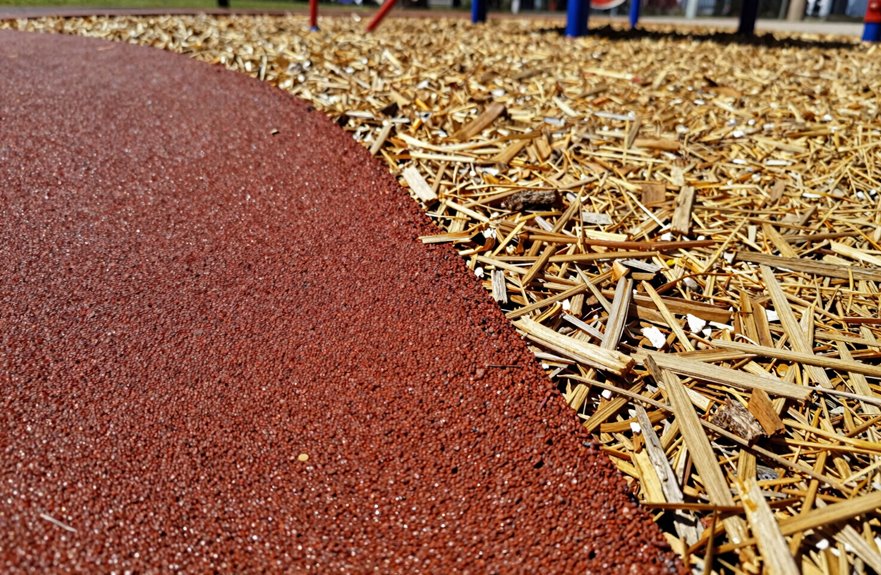
Rubber mulch provides significant cushioning power. Six inches handles most falls and stays in place through storms and heavy foot traffic. Replacement intervals stretch out considerably, which reduces long-term expenses. However, rubber mulch absorbs heat intensely under summer sun, and the potential leaching of materials over time raises health questions.
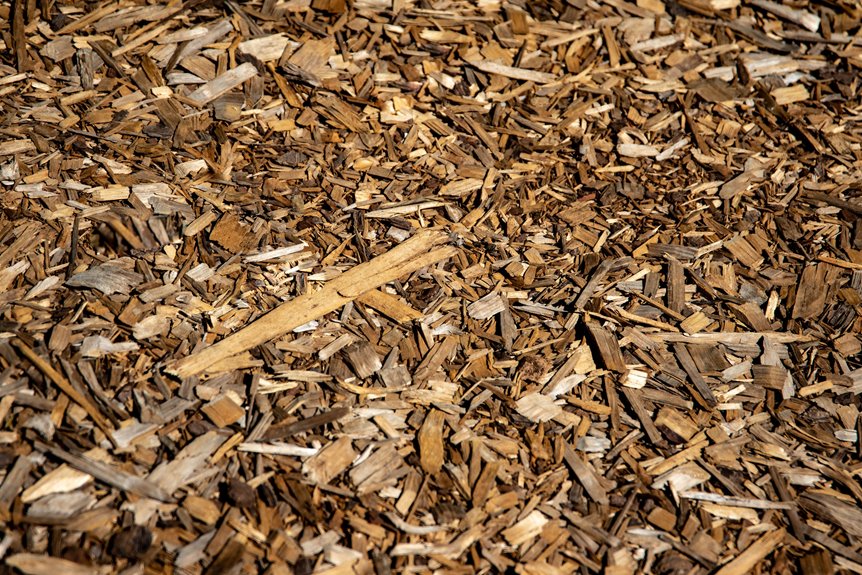
Wood mulch operates as a familiar option. It costs less initially and enriches soil as it decomposes. Equal protection requires twelve inches of depth, and replenishment becomes necessary frequently. Wood mulch compacts easily, washes away in heavy rain, and eventually returns to the natural cycle.
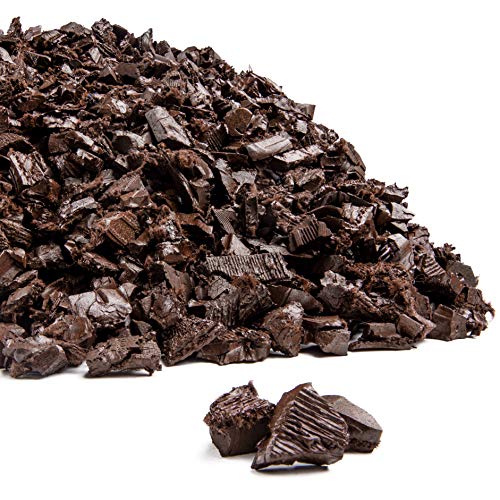
CREATE A SAFER PLAY AREA - Playsafer rubber mulch is IPEMA Certified and helps reduce the risk of injury on playgrounds and play areas

【Recycled Rubber Mulch Roll】Crafted entirely from recycled rubber tires, our mulch mat serves as a long-lasting alternative to traditional mulch, eliminating the need for annual messy and costly re-mulching. It remains firmly in place without scattering or floating, enduring all weather conditions for years.

Rubber mulch have high strength pressure reduction and shock absorption, high temperature resistance, anti-aging, long life, easy to maintain the construction is simple and fast. Helps reduce the risk of injury on playgrounds and play areas.
Playground Safety: Fall Protection vs. Chemical Exposure Risk
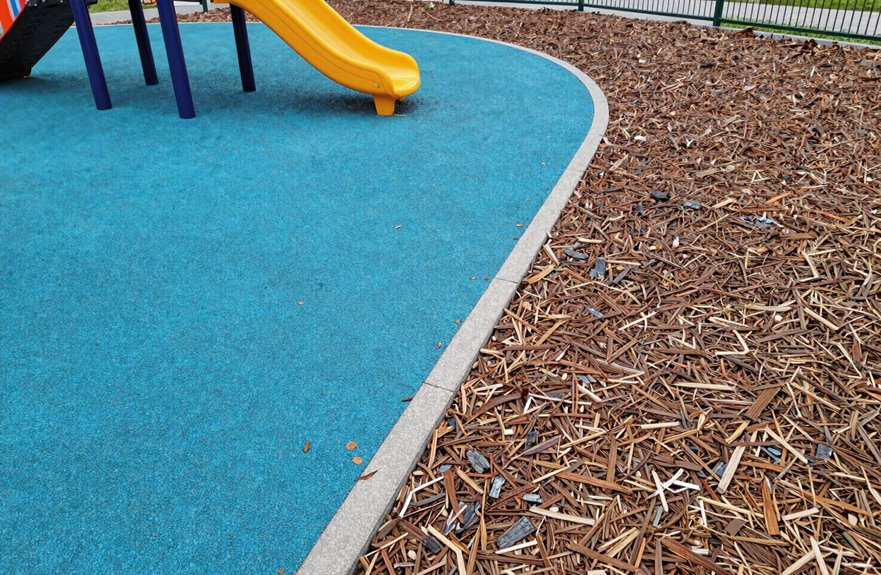
I want to examine how rubber and wood mulch balance two competing safety priorities: preventing injuries from falls and avoiding chemical hazards. Rubber mulch offers superior impact absorption with just six inches of fill for ten-foot fall heights, but it introduces concerns about VOC emissions, extreme surface temperatures, and leaching of heavy metals like zinc. Wood mulch requires a deeper twelve-inch layer for equivalent fall protection and needs more frequent replenishment, yet it presents minimal chemical exposure risks and stays cooler to the touch.
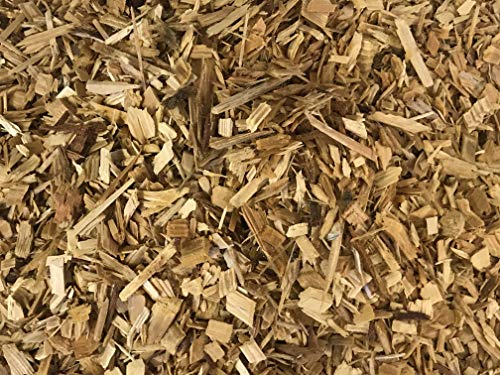
Natural and Renewable: Cedar wood chips are a sustainable mulch option derived from natural cedar trees

CERTIFIED PLAYGROUND MULCH – Designed for use as a playground surfacing material for residential and commercial play areas.

DEFINE PLAYGROUND AREAS: Interlocking border sections connect seamlessly to establish a clean boundary around outdoor play spaces. Lightweight design makes installation simple while steel spikes secure each section firmly in place
Fall Height Ratings
One critical factor I’m weighing is how each mulch handles falls and the trade-offs involved. I want to keep our kids safe, so I’m looking closely at fall protection capabilities.
Rubber mulch delivers impressive impact absorption. Six inches handles ten-foot falls in many systems, which is half the depth wood mulch demands. I’m drawn to that efficiency, though installation specifics matter for any product chosen.
Wood mulch requires roughly twelve inches around equipment per CPSC guidance. It compacts over time, and without regular maintenance, that cushioning disappears. Rubber mulch stays stable longer, providing consistent protection.
Both options protect falls when properly maintained. The choice depends on which trade-offs align with our shared values.
Chemical Leaching Concerns
How deeply should fall protection outweigh hidden chemical risks when rubber’s impressive shock absorption comes with a trade-off I’m still weighing? Rubber mulch carries genuine chemical leaching concerns. Recycled tires can release heavy metals like zinc into soil where children play. When summer heat hits, VOC emissions rise from those same surfaces.
Engineered wood fiber offers a different path. It’s non-toxic and free from harmful substances, so I don’t need to wonder what my kids might absorb through skin contact or accidental ingestion. Some wood options risk contamination if treated lumber sneaks in, but properly sourced material minimizes that threat.
Both physical safety and long-term health matter for families. Reducing exposure to heavy metals and chemical leaching requires the same careful consideration as cushioning falls.
Cost Comparison: 10-Year Total Ownership
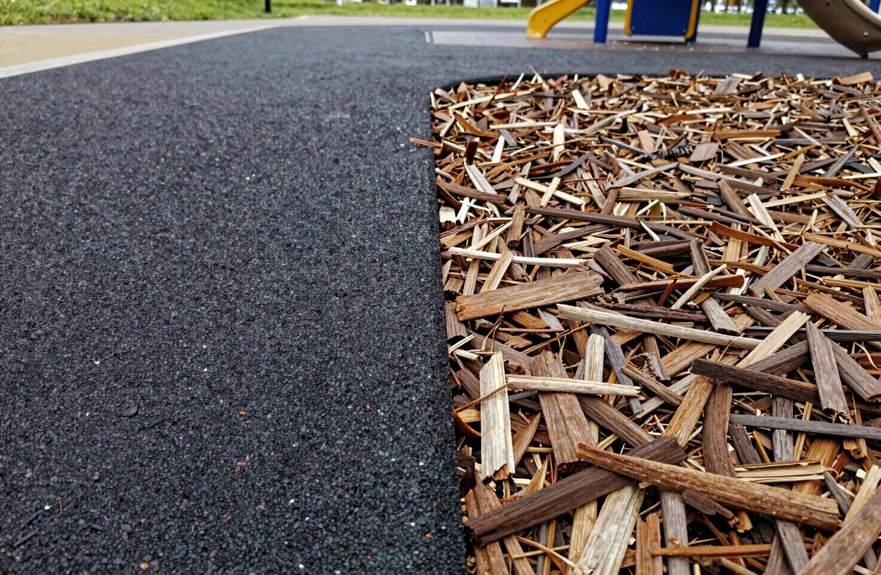
I want you to consider how initial purchase price, ongoing maintenance costs, and long-term replacement needs stack up over a decade. Rubber mulch costs roughly $8–$14 per cubic foot compared to wood’s $2–$3. With a 10–20 year lifespan, rubber mulch requires less frequent replenishing than wood. When you crunch the numbers, you’re weighing whether rubber’s durability justifies that steeper entry fee against wood’s cheaper start but relentless cycle of topping off and full replacement.

Each Kit Repairs 4 sq ft of the Base or Impact Layer of Poured-in-Place Surfacing at 2" and contains a blend of special grind, impact absorbing rubber plus a container of binder.

Playground Swing Mat: You will receive a outdoor playground mat designed to provide extra cushioning and impact protection. It helps you say goodbye to the muddy pits and worn-out patches of grass often found beneath backyard swing sets. If you wish to both preserve your yard's landscaping and provide you with a dedicated, non-slip play area, this mat is an excellent choice

Playground Swing Mat: You will receive a outdoor playground mat designed to provide extra cushioning and impact protection. It helps you say goodbye to the muddy pits and worn-out patches of grass often found beneath backyard swing sets. If you wish to both preserve your yard's landscaping and provide your with a dedicated, non-slip play area, this mat is an excellent choice
Initial Purchase Price
When you’re weighing playground safety surfaces, initial sticker shock can be misleading. I’ve seen many community leaders gravitate toward wood mulch because it runs $2–$3 per cubic foot, making rubber mulch feel expensive by comparison. That lower upfront price feels like a smart, budget-conscious choice.
However, rubber mulch lasts a decade or longer, while engineered wood fibers and other wood mulches need periodic topping every couple of years. We’re not just buying materials; we’re investing in our shared spaces. Over ten years, that initial savings from wood mulch evaporates through replacement cycles. Paying more at the start protects your community’s resources more effectively by eliminating the need for repeated replacements and ongoing maintenance costs.
Ongoing Maintenance Costs
Beyond the initial purchase, true cost comparison demands looking at what you’ll actually spend over a decade of ownership. Rubber mulch’s higher upfront cost ($8–$14/cubic foot) spreads across 10+ years with minimal maintenance, requiring only occasional topping up. Wood mulch runs cheaper initially ($2–$3/cubic foot) but demands far higher replacement frequency, typically every 1–2 years as it decomposes.
| Task | Rubber Mulch | Wood Mulch |
|---|---|---|
| Annual maintenance | Light refresh, raking | Frequent raking, compaction relief |
| Replacement frequency | Every 10+ years | Every 1–2 years |
| Hidden costs | Potential leaching cleanup | Minimal remediation |
Rubber reduces replacement frequency dramatically, yet budget-conscious projects sometimes favor wood despite its appetite for ongoing attention. Your community’s priorities. Time versus money. Each option carries different financial and labor demands across the lifespan of your playground.
Long-Term Replacement Needs
How does the math actually shake out when you’re staring down a full decade of playground ownership? Rubber mulch stretches 20+ years with minimal fuss, while wood mulch demands fresh layers every 1–2 years as it breaks down.
That upfront sticker shock for rubber mulch stings initially. But wood mulch drains budgets through endless replenishment cycles, especially engineered wood fiber needing top-ups every couple of seasons. Rubber resists compaction and blow-away; wood mulch just doesn’t hold up the same way.
Your community’s 10-year total ownership cost depends on labor expenses versus material investment. Rubber mulch typically wins on reduced maintenance hours, though local pricing and installation depth affect the final calculation. The decision requires balancing durability against budget constraints specific to your facility.
Lifespan: 20 Years vs. 2-3 Years of Use
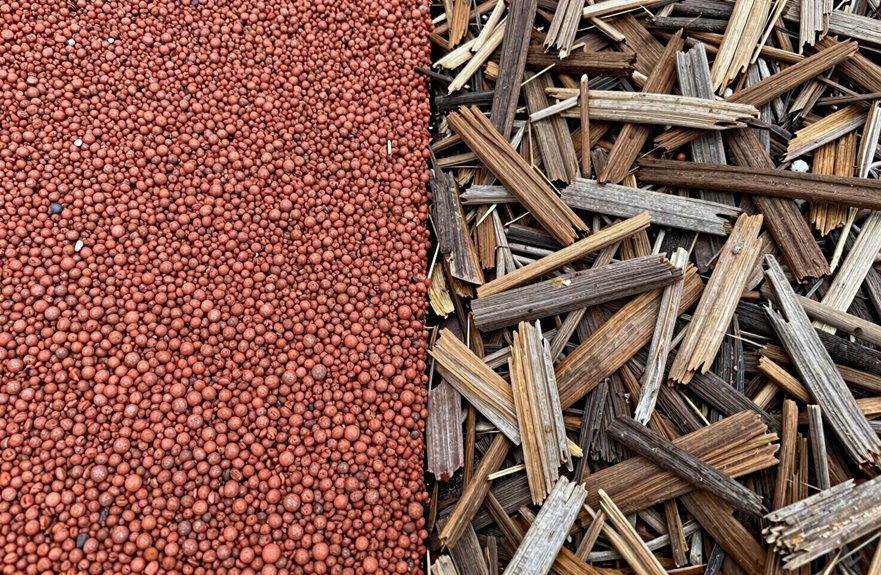
Why does lifespan matter so much when I’m choosing playground mulch. Because I’m investing in my community’s safety and long-term cost savings.
Rubber mulch lasts 20-plus years, while wood mulch demands replacement every 2–3 years. That’s decades versus seasons. Rubber mulch resists compression and holds its color, while wood mulch breaks down, demanding constant attention. Engineered wood fiber needs annual or biennial top-ups; rubber only needs spot fixes for spills or mold.
Those who value smart, lasting choices recognize rubber’s longevity advantage. However, rubber mulch does stain, may leach chemicals, and eventually requires replacement. The difference remains significant. One material stays functional; the other fades. Choosing rubber mulch reduces maintenance cycles and allows focus on play rather than perpetual upkeep.
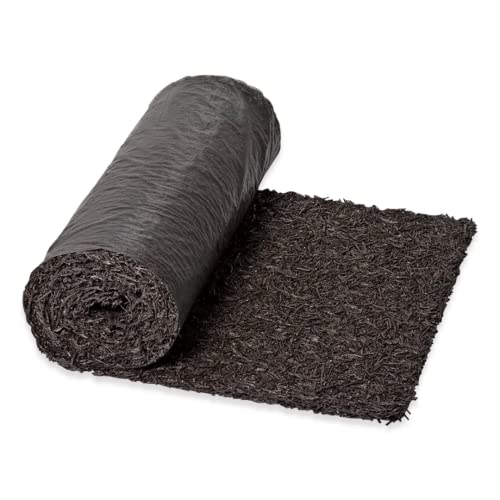
PRODUCT DETAILS: Our Realistic Looking Garden Walkway is made with high quality natural looking rubber mulch. Sustainable, Eco-Friendly Material made from recycled rubber tires which is highly durable and can resist high outdoor temperature climate that will last for years of usage.
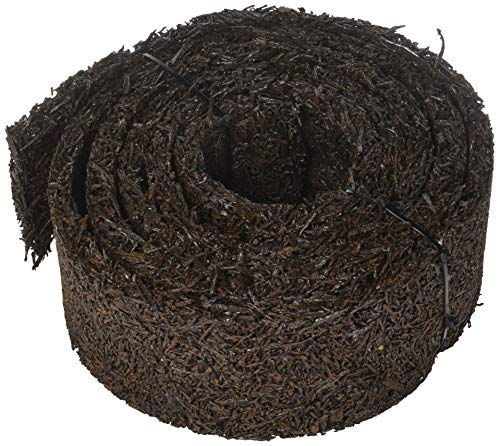
WEED CONTROL & NUTRIENT FLOW: Our Permanent Mulch Recycled Rubber Pathway deters weeds while allowing air, nutrients, and water to reach your plants, simplifying your landscaping efforts.
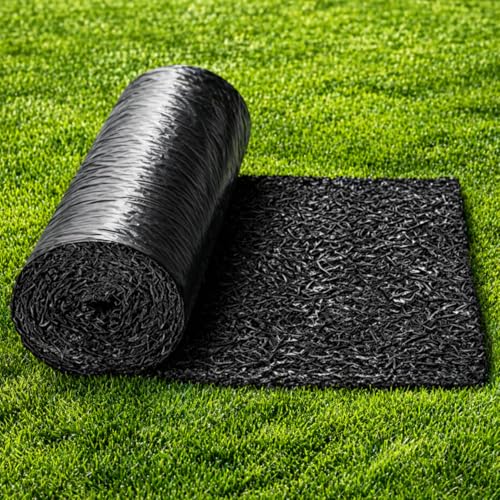
Superior Alternative to Traditional Mulch Unlike wood or organic mulch that rots, fades, or washes away, this recycled rubber mulch mat provides a permanent, low-maintenance solution. It stays in place, retains its rich black color, and eliminates the need for annual re-mulching—saving you time and money.
Heat Danger: Why Rubber Mulch Reaches 120°F
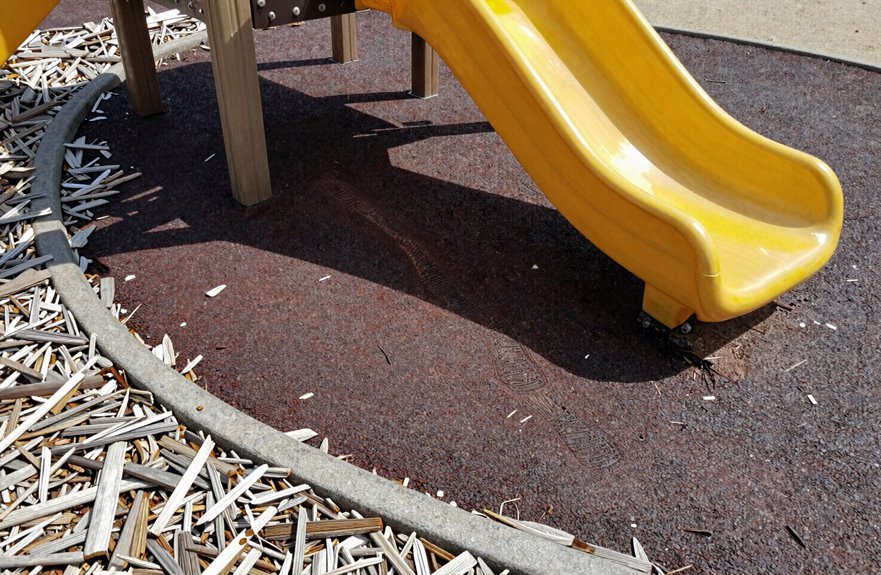
Thermal retention risks represent one of rubber mulch’s biggest drawbacks. In summer heat, playground surfaces can climb past 120°F, creating serious surface temperature hazards for children’s skin and clothing. These spikes often push temperatures well above surrounding air, and black binding pellets can intensify the problem further.

Rubber mulch have high strength pressure reduction and shock absorption, high temperature resistance, anti-aging, long life, easy to maintain the construction is simple and fast. Helps reduce the risk of injury on playgrounds and play areas.
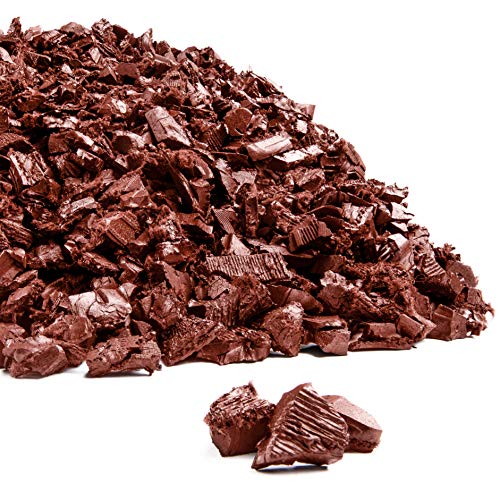
CREATE A SAFER PLAY AREA - Playsafer rubber mulch is IPEMA Certified and helps reduce the risk of injury on playgrounds and play areas
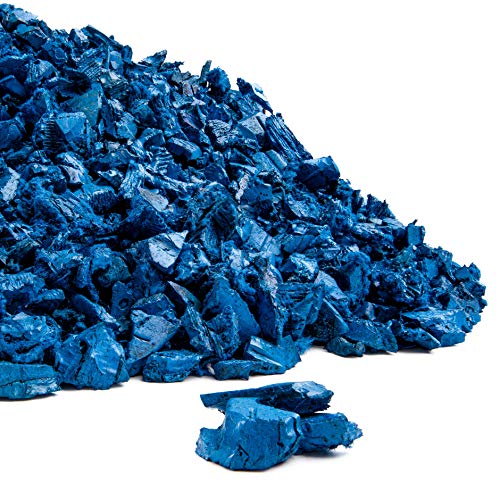
CREATE A SAFER PLAY AREA - Playsafer rubber mulch is IPEMA Certified and helps reduce the risk of injury on playgrounds and play areas
Thermal Retention Risks
When summer temperatures climb, rubber mulch transforms playground surfaces into hidden hazards. Research shows that rubber mulch heat retention creates prolonged danger that wood mulch simply doesn’t present.
Consider these critical factors:
- Rubber mulch reaches over 120°F and stays hot hours after direct sun fades
- Heat retention keeps surfaces dangerous long into evening playtime
- Black pellets intensify localized heat concentration in high-traffic zones
Rubber remains hotter longer than grass or wood alternatives. Parents frequently cite temperature concerns when rejecting rubber options. Beyond burn risks to bare feet and skin, extreme heat causes pellets to transfer color onto children’s shoes and clothing. This creates an additional maintenance problem that communities should weigh carefully.
Surface Temperature Hazards
Rubber mulch surfaces can exceed 120°F in July, creating genuine burn hazards that wood mulch does not present. While playgrounds should be welcoming and safe for all children, extreme heat from rubber mulch can effectively exclude kids when temperatures rise significantly.
Black rubber pellets absorb and trap heat, making them dangerous to touch. The risk extends beyond discomfort to actual burns. Parents in communities across the country have legitimate concerns about this hazard.
Heat also causes rubber mulch to transfer color onto clothing and shoes. Wood mulch stays cooler and avoids this problem. When selecting playground surfaces, safety and accessibility should not require trade-offs.
Maintenance: Refilling, Raking, and Replacement Schedules
How often do you want to replace your playground mulch? You need a surface that keeps kids safe without constant maintenance demands.
Rubber mulch lasts 10+ years with minimal maintenance. Wood mulch requires replenishing it annually or biannually as it decomposes, consuming time you could spend watching children play.
Rubber mulch lasts 10+ years; wood mulch demands annual replenishing, stealing time from what matters most.
Your maintenance routine includes:
- Rubber mulch needs occasional raking to stay uniform; it barely blows or spreads
- Engineered wood fiber requires annual top-ups to maintain proper depth and cushioning
- Both surfaces need periodic raking to reduce compaction around equipment
Rubber mulch is the practical choice for playground owners who prioritize playtime over ongoing yard maintenance.
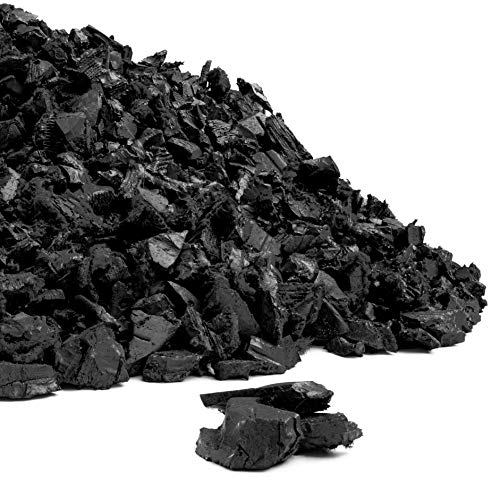
CREATE A SAFER PLAY AREA - Playsafer rubber mulch is IPEMA Certified and helps reduce the risk of injury on playgrounds and play areas

PREMIUM RED MULCH: Vibrant red wood chip mulch colored with non-toxic dye that is safe for soil, pets, and plants, enhancing the visual appeal of gardens and landscapes

Stains and Tracking: Cleanup Hassles Compared
Where will those stray pieces end up? I’ve watched rubber mulch scatter across lawns and stick to everything it touches. It leaves stubborn stains on clothing, shoes, and skin that require immediate cleaning. Cleanup becomes a constant battle as these non-biodegradable pellets refuse to disappear, lingering indefinitely in corners and soil. The heat doesn’t help either; rubber surfaces exceed 120 degrees, making melted transfers even more likely.
Wood mulch offers practical advantages here. It stays cooler and cleans up easily from hard surfaces when it wanders. Yes, it breaks down, but that natural decomposition means less residual cleanup over time. You won’t chase wood fragments through garden beds months later. For communities seeking practical playground solutions, wood mulch reduces staining and long-term maintenance demands on clothing, shoes, and facility floors.

When kids play, they also fall, and that's where PlayFall comes to the rescue. The 1.75 inch thickness is suitable for a 4 ft fall height. 40 Tiles: Covers 160 square feet...
Soil Impact: What Happens Under the Play Surface
Why should we care about what’s happening beneath our feet? Our choices affect our shared spaces. Rubber mulch and wood mulch treat soil very differently.
Rubber mulch lasts a decade without breaking down, insulating soil from temperature swings. Wood mulch decomposes yearly, requiring fresh layers but feeding the earth inherently.
When choosing between these materials, consider:
- Permanence: Rubber mulch stays put; wood mulch needs topping off
- Compaction: Rubber mulch won’t mat down; wood mulch can block water and air
- Stability: Rubber mulch maintains cushioning height; wood mulch settles over time
Playgrounds require materials that perform reliably over extended use. The interaction between mulch type and soil conditions directly affects surface safety, drainage, and long-term maintenance costs.

Reversible Design: This 140 x 5.5-inch rubber mulch roll features a two-tone design, with one side in reddish-brown and the other in black. It can be easily cut with scissors...
Ecosystem Effects: Soil Contamination vs. Natural Decomposition
Wood mulch offers a gentler path through natural decomposition, enriching soil structure and biology as it transforms. Decomposition demands more frequent replenishment and temporarily ties up nitrogen. Engineered wood fiber and natural varieties differ in their nutrient contributions. Materials that rejoin ecological cycles rather than resist them create wider environmental effects through playground choices.
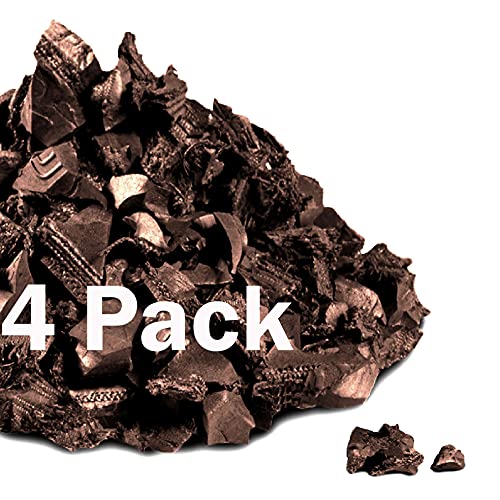
CERTIFIED – 99.9% wire-free recycled rubber and ASTM F3012 tested. Rubber mulch is impervious to both cold and heat. Because it is recycled tire rubber it is hydrophobic, it can absorb water and freeze. Rubber mulch is non-flammable.

Rubber mulch have high strength pressure reduction and shock absorption, high temperature resistance, anti-aging, long life, easy to maintain the construction is simple and fast. Helps reduce the risk of injury on playgrounds and play areas.

Rubber mulch have high strength pressure reduction and shock absorption, high temperature resistance, anti-aging, long life, easy to maintain the construction is simple and fast. Helps reduce the risk of injury on playgrounds and play areas.
Final Choice: Matching Mulch to Your Safety, Budget, and Eco Priorities
These environmental trade-offs bring me to the practical work of choosing between materials. I weigh what matters most to my community. Rubber mulch protects against taller falls with less depth, lasts decades, and repurposes waste tires. Yet it costs more upfront, traps heat, and may leach concerns. Wood mulch fits tighter budgets, cools naturally, and returns nutrients to earth, though I commit to frequent replenishment.
My decision hinges on three priorities:
- Safety needs: Higher equipment demands rubber’s shock absorption; moderate heights suit wood fine.
- Long-term costs: I calculate replacement labor against rubber’s durability premium.
- Values alignment: I choose soil health with wood or waste diversion with rubber.
Neither choice is wrong. Both options require weighing safety requirements, budget constraints, and environmental impact in your specific context.
DEFINE PLAYGROUND AREAS: Interlocking border sections connect seamlessly to establish a clean boundary around outdoor play spaces. Lightweight design makes installation simple while steel spikes secure each section firmly in place
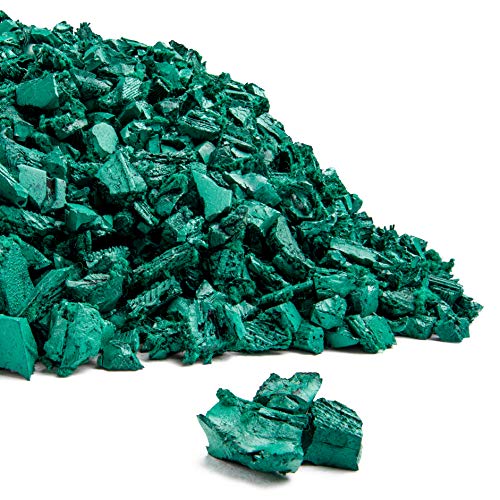
CREATE A SAFER PLAY AREA - Playsafer rubber mulch is IPEMA Certified and helps reduce the risk of injury on playgrounds and play areas