The options below range from geometric parquet you could spend a weekend laying yourself to wide oak planks that a pro can float in a day, with finishes from pale grey to deep brown in between.
Wide planks cut from the center of the tree hold the steadiest color and the quietest grain, which keeps an open living room from feeling busy where the kitchen and seating area share the same floor.
[link-whisper-related-posts]1. Geometric Parquet Design
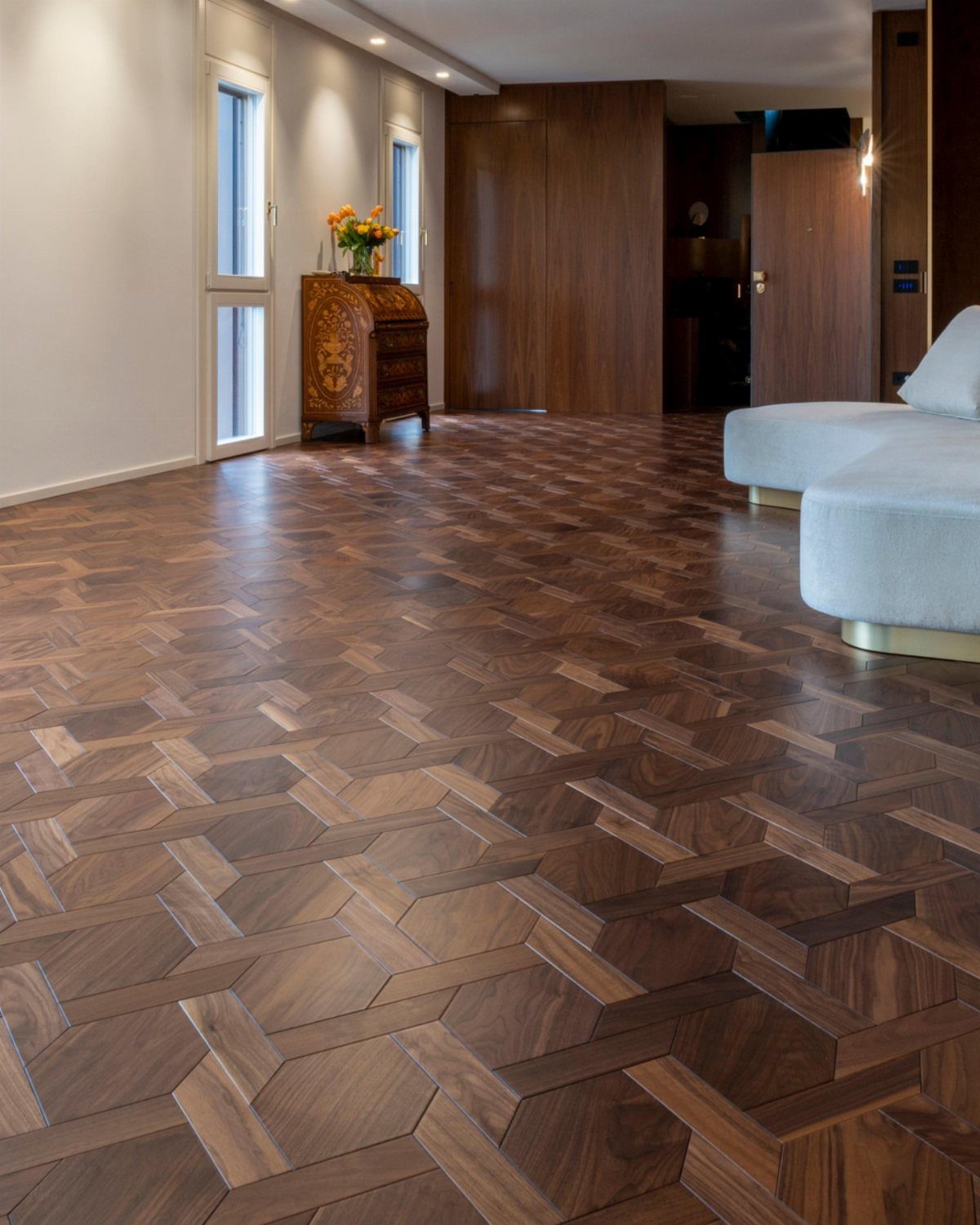
Geometric parquet turns a wood floor into the room’s central piece. Parquet de Versailles or a basket weave pattern carries the eye across the whole space and reads as something built to last, not laid last weekend.
These patterns need precision cutting and an experienced installer, so budget runs higher than standard plank flooring.
I’d put this in a formal living room that sees guests rather than muddy boots, since the pattern deserves attention and the finish shows wear faster in high-traffic houses.
For a less ornate route, a simple chequerboard still gives geometry without the historical weight.

Please note - there may be slight color variations between different batches, so please be sure to purchase the required quantity at once.

Brown Wood Look Vinyl Flooring Roll: cover larger worn floor areas with a warm parquet style, made for homeowners, renters, and DIY beginners updating kitchens, bathrooms, laundry rooms, RVs, or apartments
Parquet Peel and Stick Floor Tile: refresh outdated floors with a brown wood look that feels warmer and more finished, ideal for renters and first time DIY users updating bathroom, kitchen, or entryway spots
2. Solid Oak Flooring
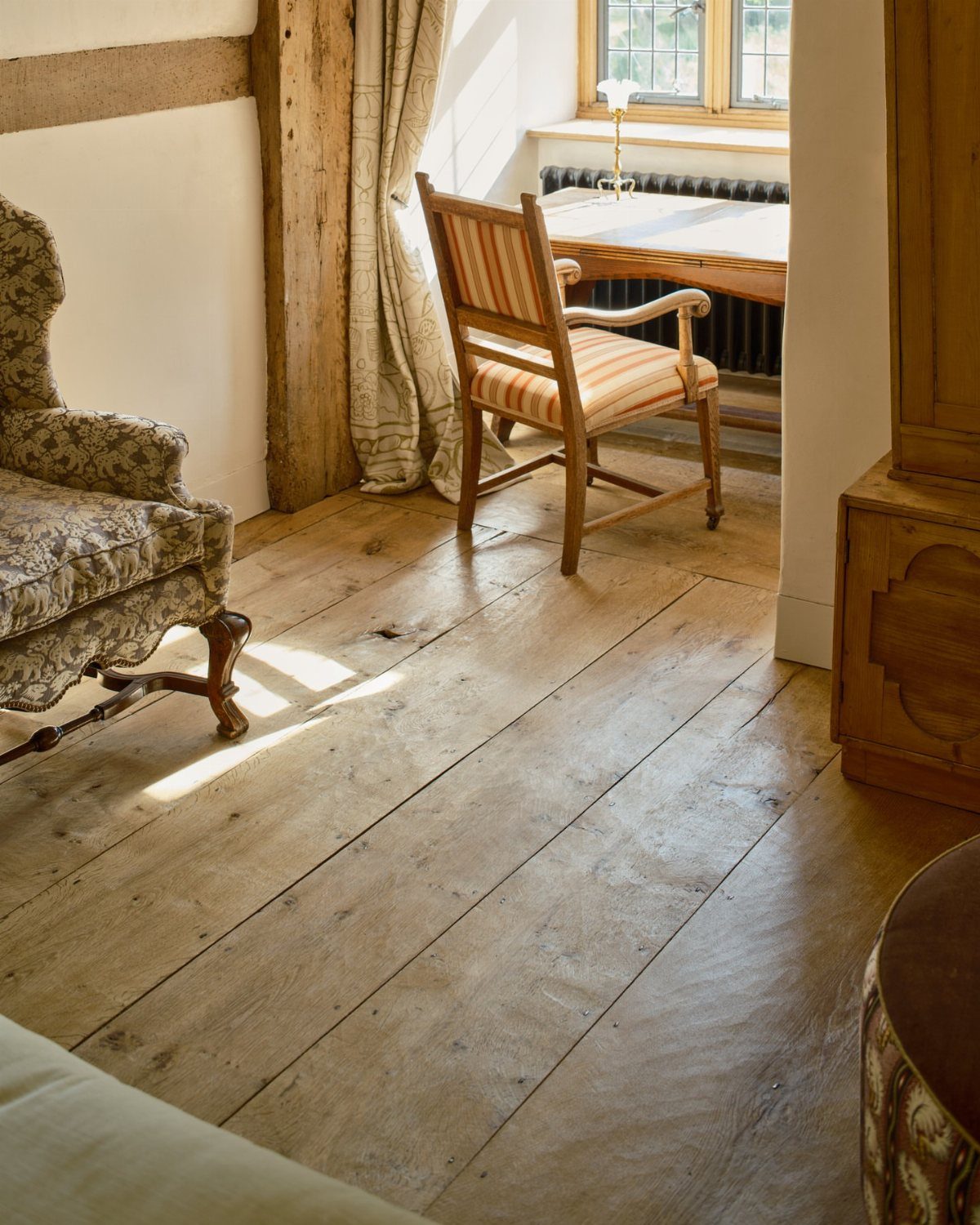
Solid oak carries the marks of the tree it came from: grain lines, knots, color shifts that engineered boards try to smooth away.
That variation is the point in a country or farmhouse living room where everything else is soft and layered.
The real advantage shows up years in. A solid oak floor can be sanded down and refinished several times, so surface damage from kids, dogs, or a dropped cast-iron pan does not end the floor’s life.
Engineered wood with a thin veneer gives you one or two sandings at most; oak through and through keeps coming back.
It costs more upfront and needs time to acclimate to your house before installation. For a forever home where you plan to stay and wear things in, that upfront cost spreads across decades.

Authentic Wood Look: American Oak’s honey hue carries a classic bright warmth through your space; Features beautiful wood-look grain and realistic knots across rich variations of blonde

【Premium Solid Carbonized Bamboo Construction】 Jeedeson solid bamboo flooring is crafted with high-temperature carbonization and high-pressure lamination, delivering exceptional dimensional stability and enhanced corrosion resistance. The 0.6" thick solid planks in a warm medium brown finish offer a substantial, premium feel underfoot—combining the timeless look of hardwood with the eco-friendly benefits of sustainable bamboo.

This listing is for 2 pieces of wood floor samples 8"
3. Dark Chevron Wood Flooring
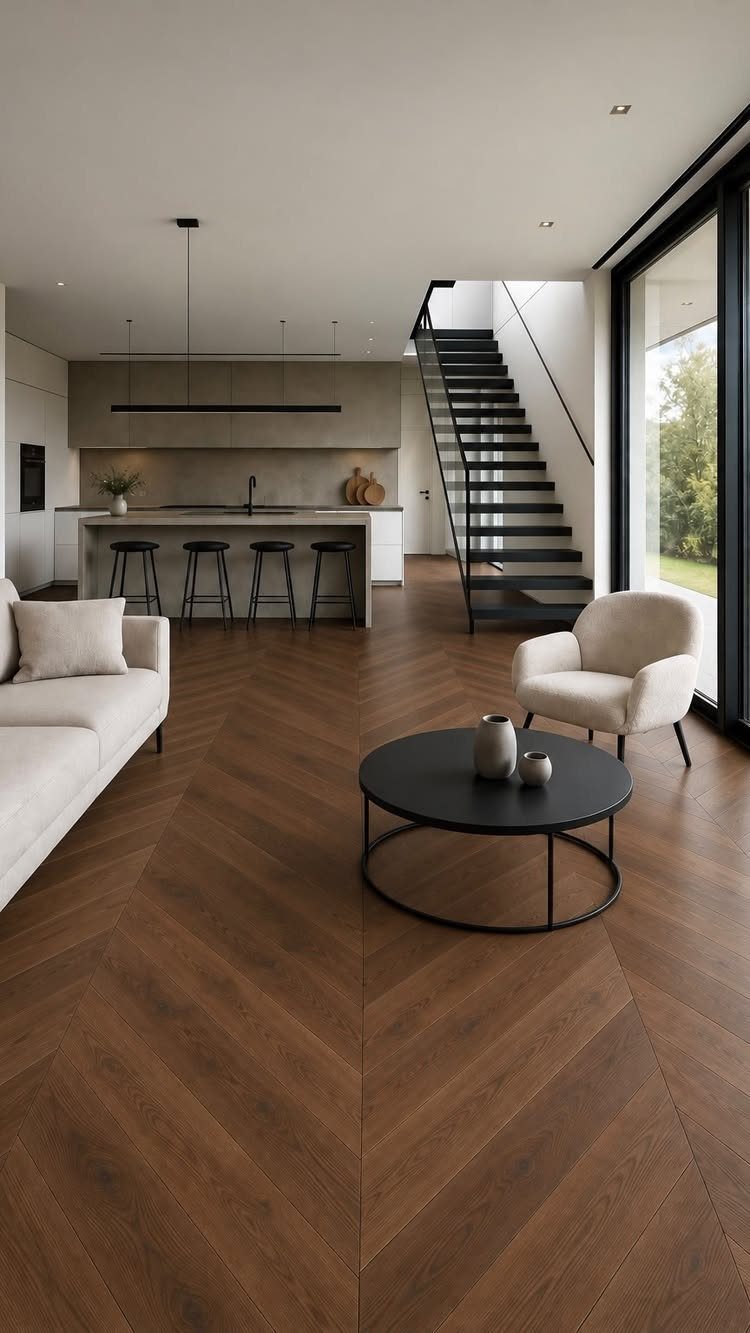
Dark chevron runs the wood at an angle, catching light differently across the day than straight planks do. The V-shape pulls the eye toward whatever sits at the point: a fireplace, a window wall, a piece you want noticed.
This pattern works best in rooms with good natural light. Dark stain absorbs what light there is, and the angled cuts create shadow lines that read as even darker; a north-facing room can feel closed in fast.
I’d check my living room in late afternoon before committing to this.
The chevron cut also means more waste per square foot than standard planks, since every board gets an angle at both ends. Budget accordingly, and order extra for the inevitable mis-cut.

𝗨𝗽𝗴𝗿𝗮𝗱𝗲𝗱 𝗠𝗮𝘁𝗲𝗿𝗶𝗮𝗹 - Crafted from durable stone composite, these floor tiles feature a 4mm rigid core and a 0.3mm wear layer. Each tile measures 12.2" x 10", with 12 tiles per box covering 10.32 sq. ft. Experience the authentic feel and stability of real ceramic tile, without the hassle—truly a step up from standard peel-and-stick vinyl flooring.

EASY DIY INSTALLATION: For the best and most durable results, we recommend using standard wood glue or PVA glue (white glue) to secure the planks. This gives you complete flexibility to position each piece perfectly before it sets, ensuring a perfect 1/12 scale dollhouse floor.

SAFETY GRIP: Non skid grippers on the sole stop slips on hardwood and tile, giving early walkers stable, confident steps for your baby.
4. Light Wide Plank Wood Flooring
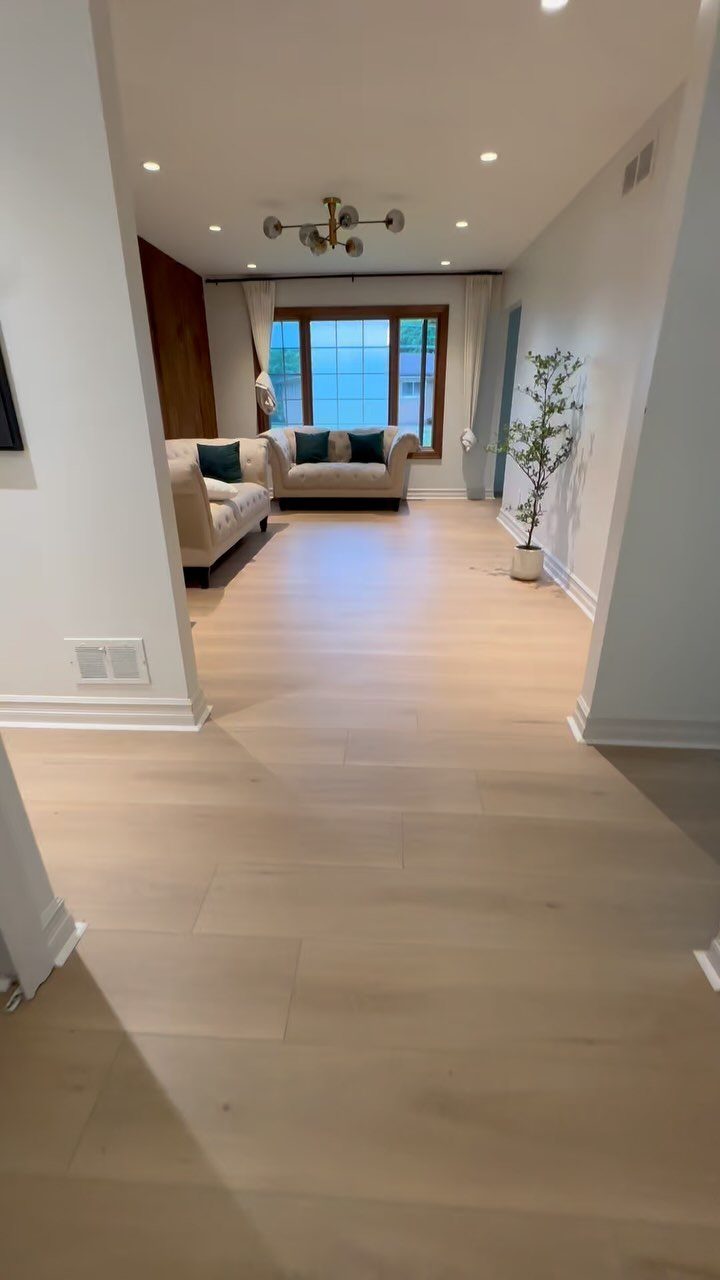
Wide planks with a light, warm grain stretch the visual floor and quiet the room down. Fewer seams mean fewer visual breaks, which reads as calm in a space that already has furniture, art, and living to compete with.
Richard Aylen at Junckers notes that Classic grade, cut from the innermost part of the tree, keeps color and grain variation to a minimum. That uniformity is what gives the architectural, almost Scandinavian feel visible here.
Wider boards also suit open plans, where the long lines carry across seating and dining areas without chopping the space up.
I’d pick this for a smaller living room or one that opens into a kitchen. The light color bounces what light you have, and the clean grain does not fight with other materials.

Tips:Due to the different screen materials of different devices, the color of the product you see and the actual product may be inaccurate. Color appearance may vary due to screen calibration, lighting conditions. Please refer to the actual product

【Light Natural Oak Wood Grain & Thickened Material】 Our peel and stick floor tile features a light natural oak base with fine natural oak grain lines,ring-shaped patterns,subtle color transitions,making it a premium wood peel and stick floor tile choice.Composed of wear-resistant layer,high-definition wood grain print layer,thickened vinyl substrate layer,and strong self-adhesive backing – provides excellent stability and durability,ideal for long-lasting waterproof vinyl flooring applications.

LUXURY VINYL FLOOR TILES: For use indoors and in temperature-controlled environments only, MSI brings adhesive flooring up a notch with Glue-Down floor planks – stylish at the surface with the authentic look of real wood plank flooring
5. Warm Brown Wood Planks
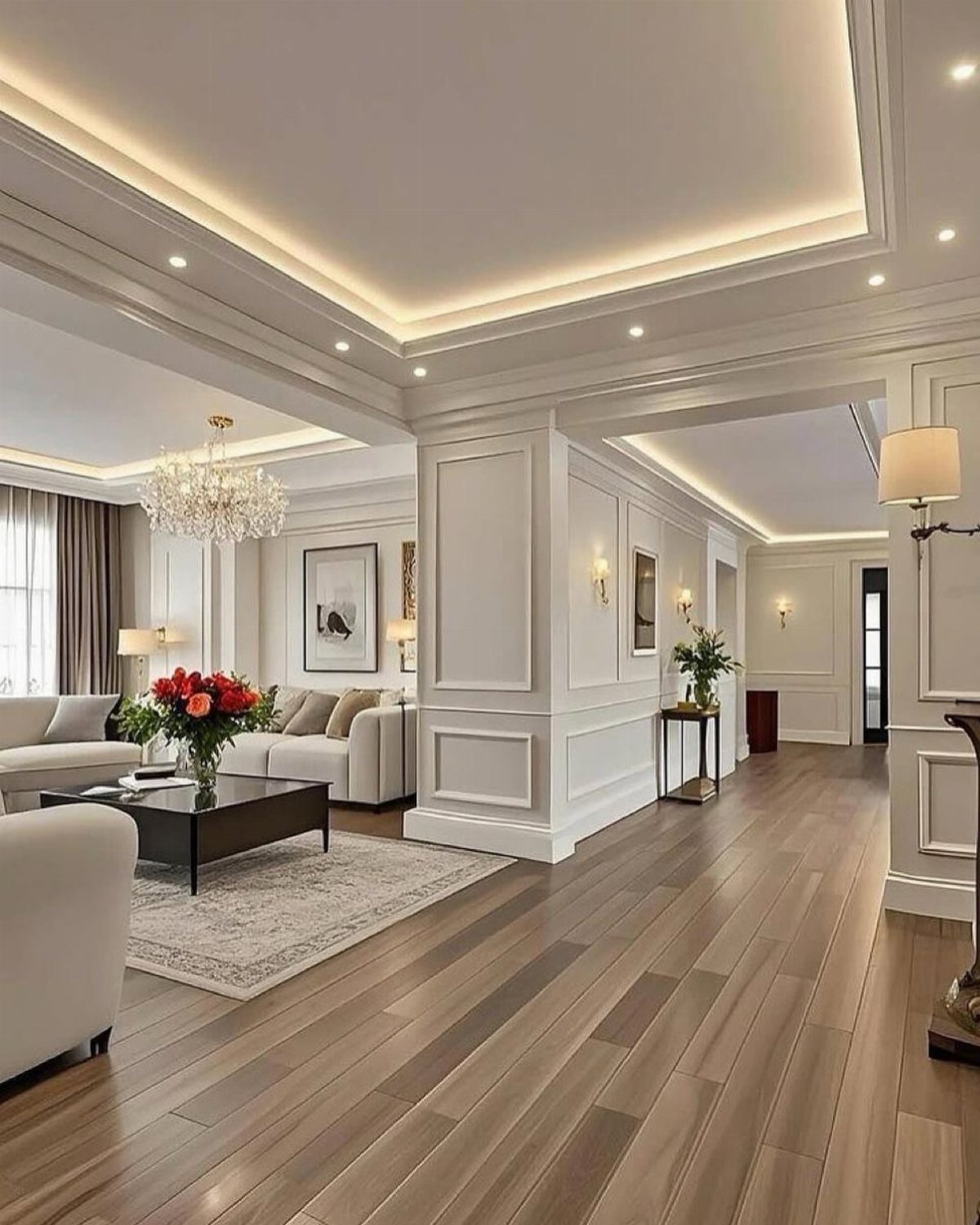
Warm brown sits in the middle of the wood-tone range, neither pale enough to read as modern minimal nor dark enough to feel formal.
This is the safe choice that does not look safe. It hides dust and small scratches better than very light or very dark floors, which matters if you actually live in the room rather than photograph it.
The tone also ages well; where gray-leaning floors can look dated as trends shift, warm brown has been standard long enough to feel settled.
For a first home where you are learning what you like, this color gives you room to change everything else and keep the floor.

Wood inspired peel and stick floor tiles with a parquet design
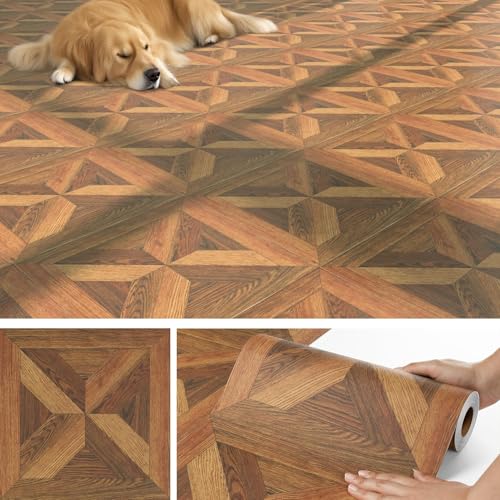
🏠 Vinyl flooring roll: Thickness is 0.045inch (1mm). Size 12x47 inch included 4 tiles (12x12") connected, total 4 sq.ft, made of vinyl. Roll sheet vinyl flooring wood tiles, Waterproof, Removable, Thick.
6. Polished Dark Wood Flooring
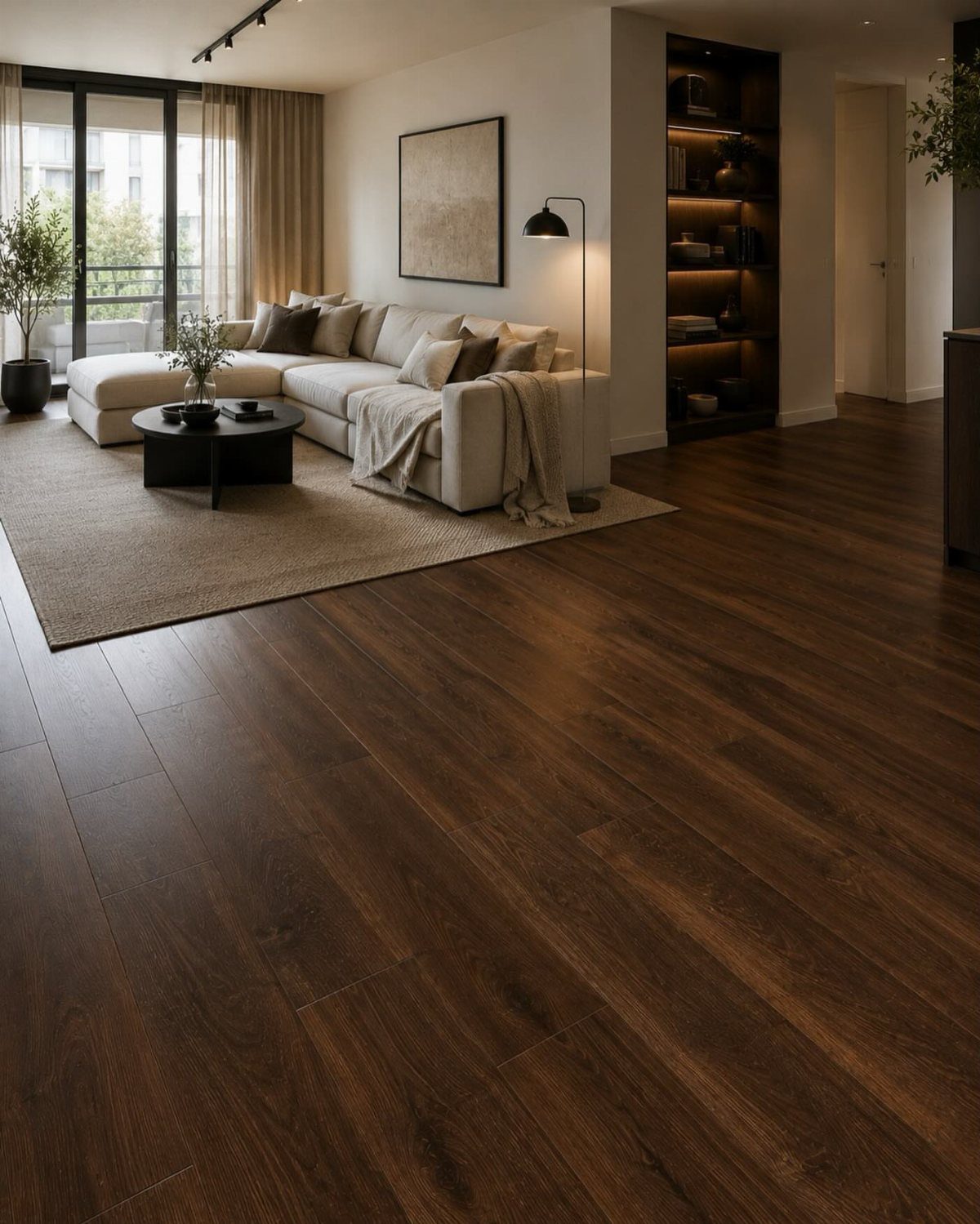
Polished dark wood reads as deliberate and finished, the kind of floor that frames furniture rather than competing with it.
The sheen reflects light, so the dark color does not swallow the room the way a matte dark stain might in the same conditions.
That polish is a commitment. It shows every footprint, every crumb, every scratch from a chair dragged without a pad.
I would not put this in a house with a no-shoes rule I cannot enforce, or with a dog whose nails click on hard surfaces. The maintenance is ongoing, not annual.
A living room with this finish photographs like a showroom and feels pulled together with minimal effort elsewhere.
For an adult household that enjoys the ritual of upkeep, or for a space that needs to look sharp for work or guests, the polish earns its keep.

Chic Design & Wood Texture - Classic herringbone pattern with realistic wood grain texture, combining classic charm with the rustic beauty of natural wood, add a touch of earthy warmth to your interiors.

🏠 Wood flooring: Thickness is 0.06inch (1.5mm). Size 12x12 inch included 4 Tiles, made of vinyl. Light brown beige tan Laminate wood flooring, waterproof, removable, groutable, non slip, no special tools needed.

7. Light Grey Wood Flooring
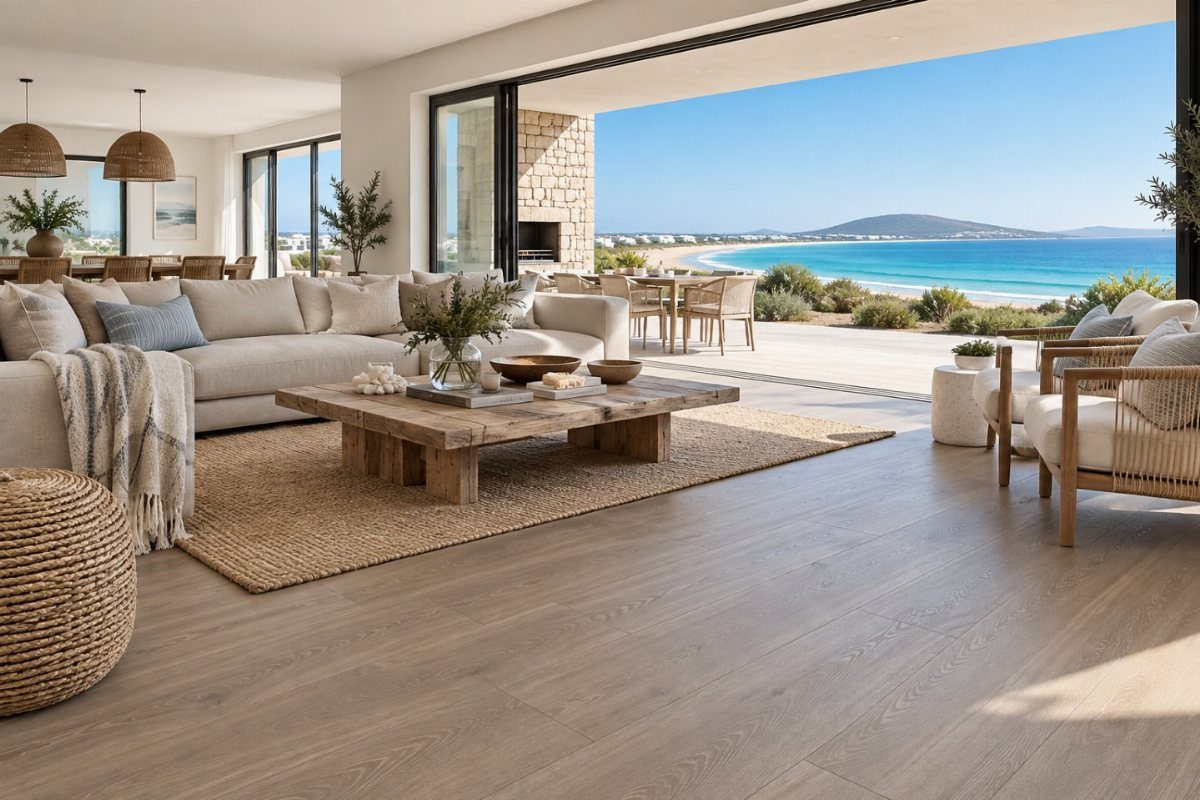
Light grey wood flooring reads as neutral without going beige, which matters when you want coastal brightness without the maintenance white demands. The tone bounces daylight around a room without showing every scuff the way a painted white floor would.
The finish here is likely a pre-sealed engineered plank or a site-finished oak with a grey wash stain, not paint.
If you are staining existing wood, grey washes go uneven on red oak; white oak or ash take the tone more evenly. A water-based sealant over the stain keeps the color from yellowing; oil-based shifts it warmer before long.
This suits renters in sun-heavy rooms who want the look of bleached driftwood without the refinishing cycle white floors need.
Grey can read cold in north-facing rooms, so I add warmth through rattan, linen, or unstained wood furniture rather than fighting the tone with red undertones elsewhere.
Budget option: grey vinyl plank runs cheap per square foot and fools the eye at entry level.

【Suitable Size】:Peel and stick floor tiles each pack measures 36"×6" (1.5sq. ft.) to ensure adequate coverage,with its affordable price and high quality experience, this wood pinstripe floor tiles will be a good choice for your room decoration

🏠DETAILS: 15.8x78.8 Inch, total 8.65 sq.ft (40cmX2m) Made of durable thin vinyl, thickness: 0.015 In (0.4MM). Peel and stick wood planks vinyl flooring roll, brown shiplap planks color. Waterproof. Removable.

Craft Wood — Thin-sawn, 100% pure hardwood planks designed for crafts; Natural wood blanks for laser cutting & engraving machines; Durable & strong, this Glowforge ready material won’t break easily
Durability and Maintenance
Wood flooring lasts decades when maintained, and the maintenance itself is minimal. Sweeping or running a damp cloth removes dust and allergens, which matters if someone in the house reacts to trapped particles.
The surface is harder than carpet but softer underfoot than tile or stone; an area rug adds warmth where you want it.
Solid boards can be sanded and refinished when wear shows, spreading the initial cost across years. Glue-down installation and quality underlay improve sound and thermal insulation, which raw wood lacks on its own.

Premium Acacia Wood Construction: Crafted from selected natural acacia wood, these interlocking deck tiles combine rich wood texture with reliable durability for everyday indoor and outdoor use. The solid wood surface adds warmth and elegance to balconies, patios, gardens, bathrooms, and more.

PEEL AND STICK APPLICATION: Self-adhesive backing makes installation quick and easy with no tools, glue, or professional help needed.

Premium Acacia Wood: Made from high-quality acacia wood, these deck tiles provide robust durability and lasting strength. The natural wood grain brings warmth and a refined look to any area, combining durability with stylish appeal.
Aesthetic Appeal
Wood brings warmth that paint and synthetic materials imitate poorly. The grain and color variation run from pale ash to near-black walnut, and the tone shifts with the day’s light in a way flat finishes do not.
Parquet, plank, and chevron each read differently: geometry feels built and permanent, long planks feel calm and continuous.
Wood flooring brings its own warmth to a room, and the range of colors and styles means it works with modern setups just as well as more traditional ones.
Dark stain frames furniture; light grain recedes and lets other pieces hold attention. The same sofa reads heavier against pale oak than against espresso walnut.

REALISTIC WOOD GRAIN: Vinyl plank flooring features a natural wood flooring look with clear grain texture, helping create a clean wood floor style for everyday home spaces

Good Adhesive: Mysflosy peel and stick vinyl flooring planks use strong adhesive, which can hold the planks to flat ground firmly; Good performance on bedroom, bathroom, laundry room, kitchen hallway and etc.

Bright and Natural Oak Finish: Featuring a clean, airy oak wood grain texture, this self-adhesive waterproof vinyl plank flooring brings a sense of spaciousness and Scandinavian-inspired warmth to any room. Perfect for modern, minimalist, Scandinavian, coastal, or farmhouse decor styles in your kitchen, bathroom, bedroom, or living room.
Installation Considerations
Engineered wood installs more easily than solid boards and handles underfloor heating, which solid wood resists. The construction layers hardwood backing at alternating angles, then caps it with a surface layer of the visible timber.
That cross-layered core limits the expansion and contraction that warps solid wood across seasons.
For a small living room or a Scandinavian palette, pale finishes like silver-white oak brighten without reading clinical. The stability also suits open plans where the floor runs across temperature zones.
Cost Considerations
Wood flooring costs more upfront than laminate or vinyl, and the gap is real. Solid oak runs higher than engineered, and geometric parquet higher still for the cutting and fitting labor.
The return is longevity. A solid floor refinished two or three times outlasts several replacements of cheaper surfaces, and it shows in resale value where buyers notice permanent materials.
Budget for underlay if sound or insulation matters, and for acclimation time before solid boards go down; rushing that step leads to gaps later.