Flooring choices run from laminate that clicks together over a weekend to poured terrazzo that outlasts generations, and the deciding factor is what happens on that surface daily.
Scratch resistance puts laminate ahead for hallways with dog traffic, while water resistance makes vinyl the clear call for kitchens and baths. The 15-foot sheet width on vinyl means fewer seams where moisture collects.
[link-whisper-related-posts]1. Laminate Flooring
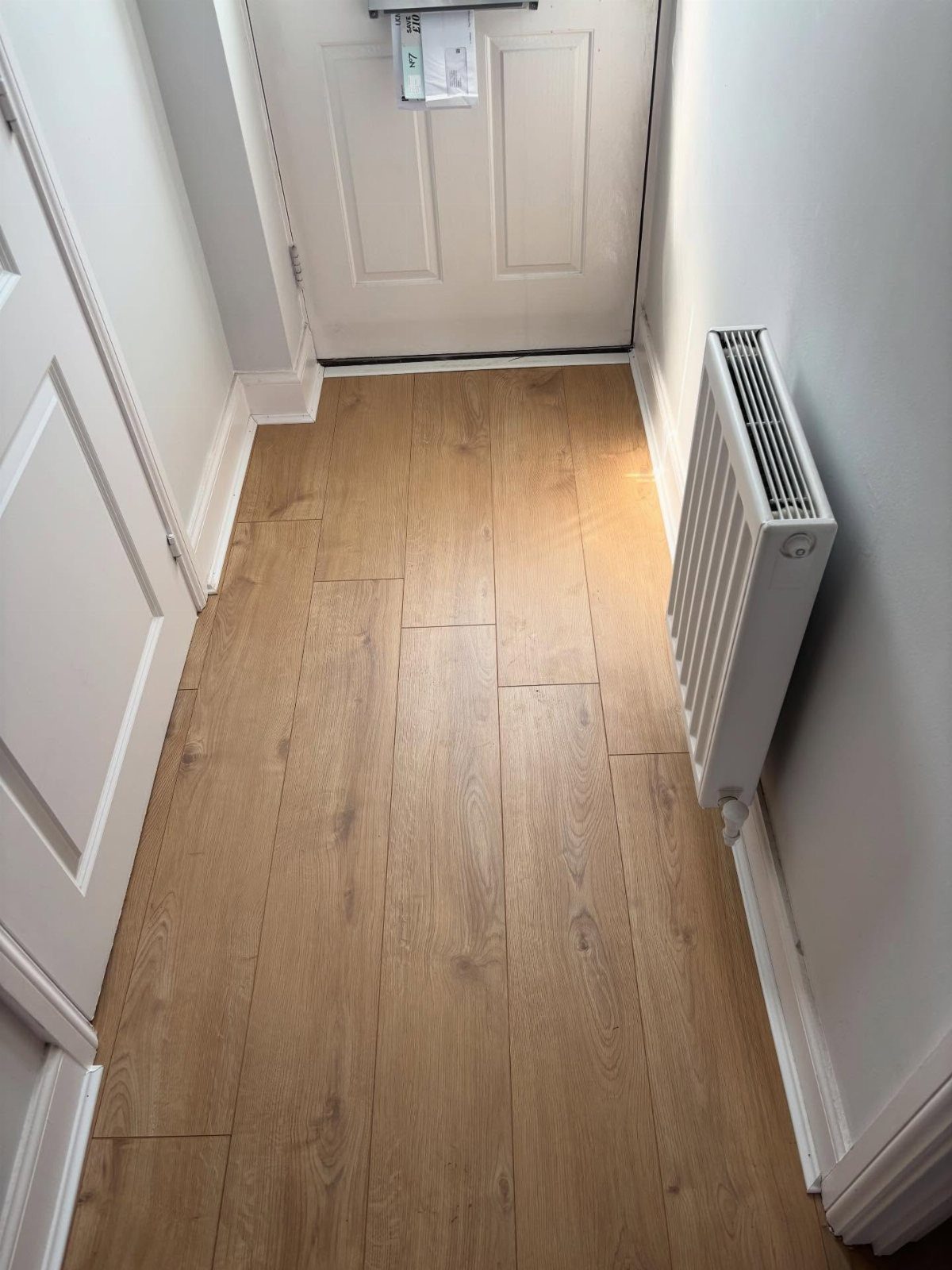
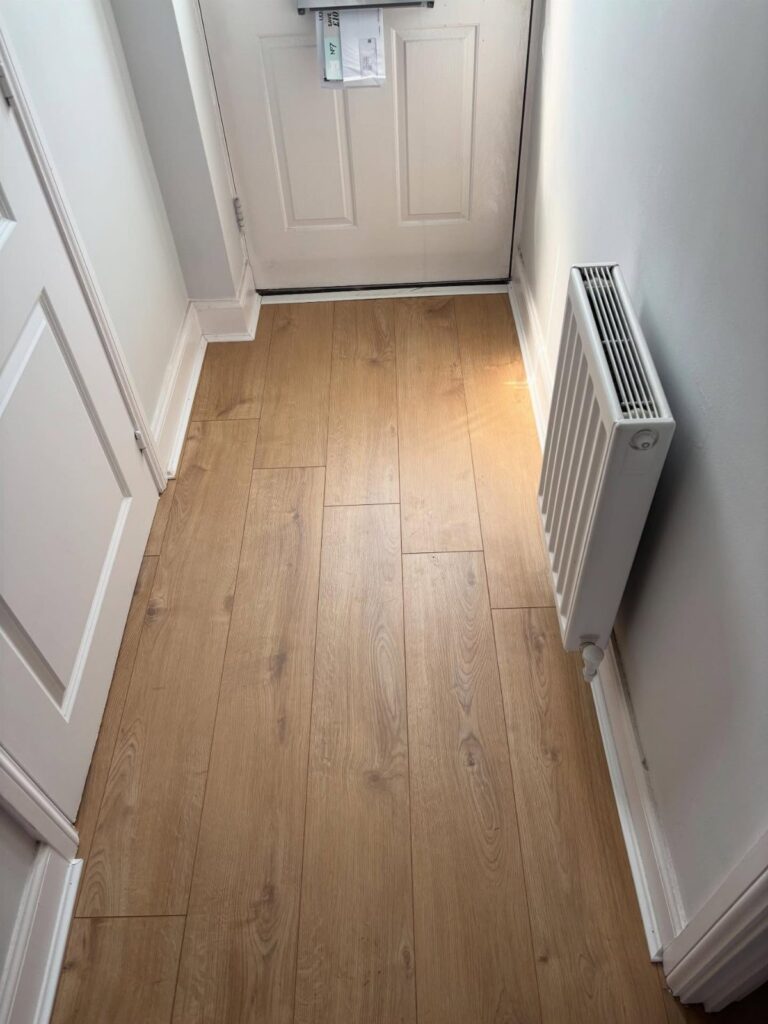
Laminate flooring is a dense fiberboard core topped with a high-definition printed image and sealed under a clear plastic wear layer.
The printed grain patterns have gotten convincing enough that I sometimes pause to look twice, though the texture still gives it away on close inspection.
The real draw is the scratch resistance.
That transparent top layer handles foot traffic, sliding chairs, and dog claws better than hardwood or standard vinyl, which makes it my pick for hallways and busy living rooms where real wood would show wear fast.
Installation clicks together over underlayment, so a weekend project is realistic if the subfloor is level and dry. Skip it for basements with any moisture history; the fiberboard core swells and ruins fast.
I’d choose wide planks for the most convincing wood look. The cheap narrow stuff reads as office flooring from a couple decades back.

Provides floor with stain-resistance from food and drink spills and tracked-in dirt.

Clean, Shine & Restore: Professional hardwood floor cleaner and polish bundle removes dirt, grime, and scuffs while restoring the natural beauty of finished wood floors without leaving a sticky residue.

Stylish - Authentic wood looking and grain texture, adding timeless feature for your home
2. Vinyl Flooring
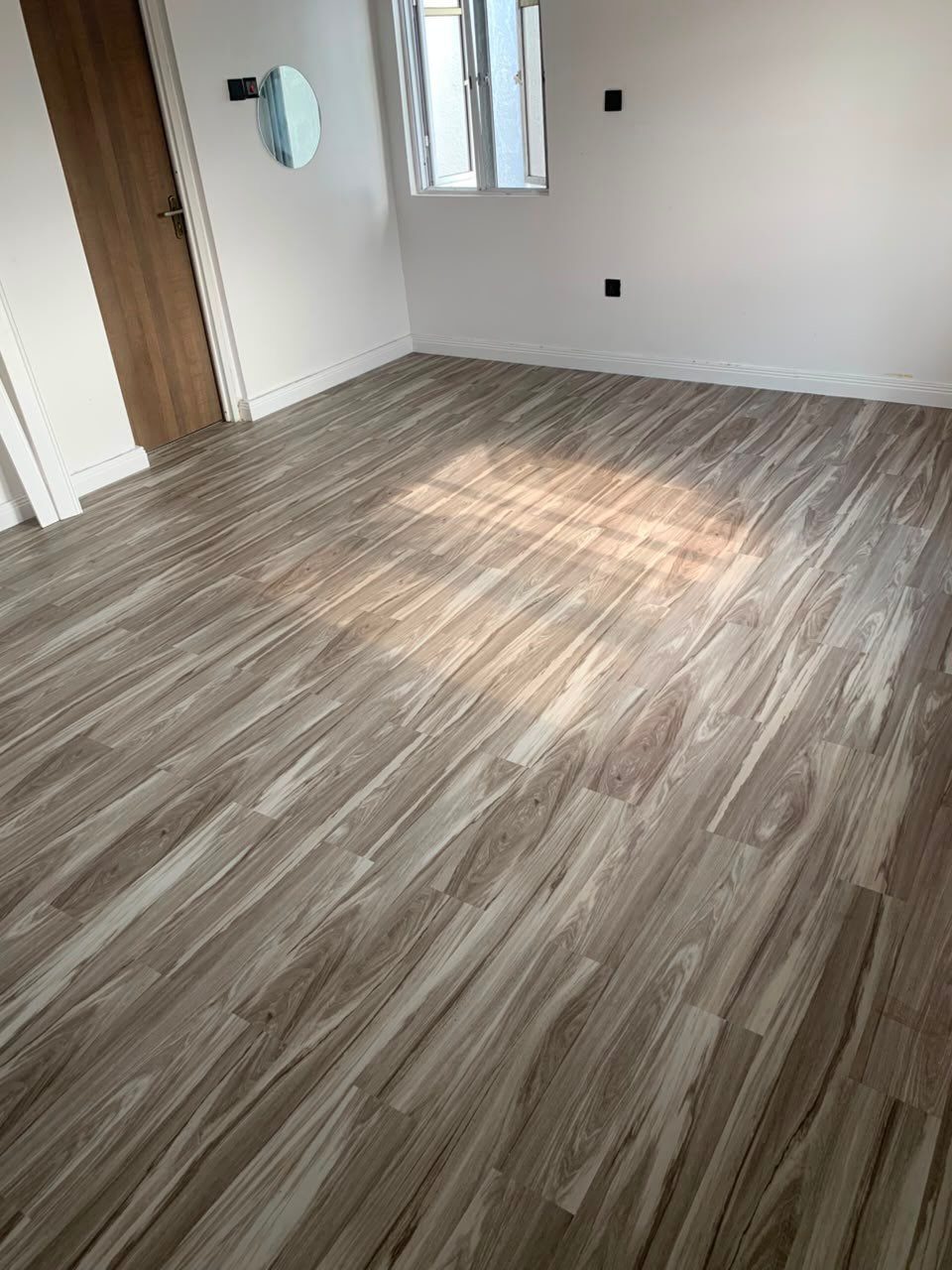
Vinyl flooring comes in sheets up to 15 feet wide, which means fewer seams where dirt and moisture collect.
Luxury vinyl planks are thicker and more rigid than the sheet goods I grew up with, and the wood patterns have gotten convincing enough that I pause to look twice.
Water resistance is the headline here. Kitchens, bathrooms, and laundry rooms are where vinyl earns its keep, especially with kids or a tendency to spill.
Maintenance is mop-and-go; no refinishing, no special cleaner.
Sheet vinyl installs in one piece, while planks float, glue down, or peel-and-stick depending on the product. Quality varies enormously by manufacturer, so I check the mil thickness on the wear layer and buy mid-grade or better.
Cheap vinyl dents under chair legs and looks tired before you’ve gotten your money’s worth.
For a rental or a first home with a tight timeline, vinyl handles the tradeoffs better than most options.

【Water-resistant and Easy to Clean】Crafted from superior quality materials, these peel and stick floor tile are water-resistant, making them ideal for bedrooms and kitchens. They resist stains and spills, keeping your vinyl flooring easy to clean and looking fresh

Interlocking & No-Glue: With user-friendly interlocking system, tiles can be easily installed and removed without any tools. Innovative interlocking buckle eliminates the hassle of using or cleaning glue compared to peel and stick floor tiles
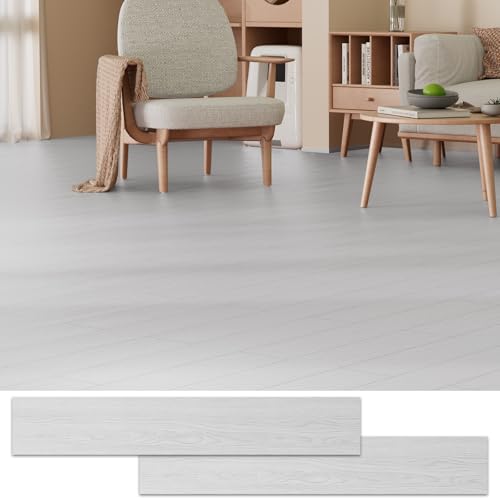
Textured & Versatile: Available in popular wood look with a natural matte finish that replicates the authentic feel of natural materials. The luxury vinyl plank flooring seamlessly complements Nordic, modern minimalist, industrial and other trending decor styles, instantly elevating the overall aesthetic of any space. Ideal for living rooms, bedrooms, kitchens and more.
3. Carpet
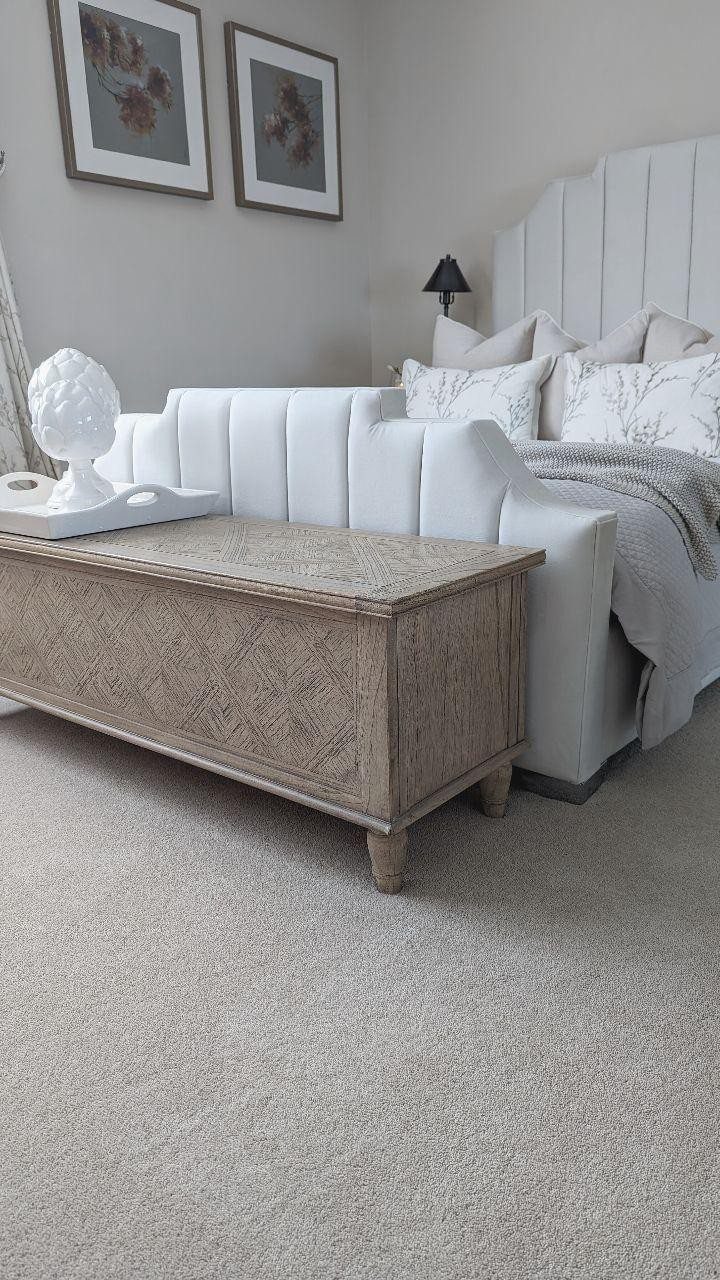
Wall-to-wall carpet still wins for bedrooms and anywhere you want bare feet to feel welcome on a January morning. Light grey carpet reads as calm and neutral, a safe choice that outlasts trendier colors.
Fiber choice matters more than most buyers realize. Nylon holds up best for traffic; polyester feels softer initially but mats down faster.
Pile height is the other variable: shorter for halls and stairs, longer and plusher for spaces that stay low-traffic.
Professional installation is the norm. The crew stretches it over padding, seals the edges, and finishes with trim.
I factor that labor into the budget upfront; DIY carpet installation tends to look DIY.
The downside is maintenance. Carpet holds dust, pollen, and pet dander, and a red wine spill can become a permanent memory.
I keep it out of dining areas and anywhere near a kitchen.

🏠DETAILS: 15.8x78.8 Inch, total 8.65 sq.ft (40cmX2m) Made of durable thin vinyl, thickness: 0.015 In (0.4MM). Peel and stick wood planks vinyl flooring roll, brown shiplap planks color. Waterproof. Removable.

EFFORTLESS INSTALLATION: Experience a hassle-free setup with our vinyl flooring roll. This luxury vinyl flooring includes special adhesive tape, ensuring a smooth installation without the need for glue, perfect for any renovation project.

【Large Size&Double Width】: The gray peel and stick floor tile is designed in a large, each vinyl flooring measures 11.8” x 590” with a thickness of 0.025”, covering approximately 48.4 Sq.Ft. Compared with traditional flooring planks, vinyl flooring roll minimizing the need for frequent seams, creating a smooth, continuous finish without any visual breaks, making it easy for you to renovate bedroom, living room, saving significant time and labor costs.
4. Concrete Flooring
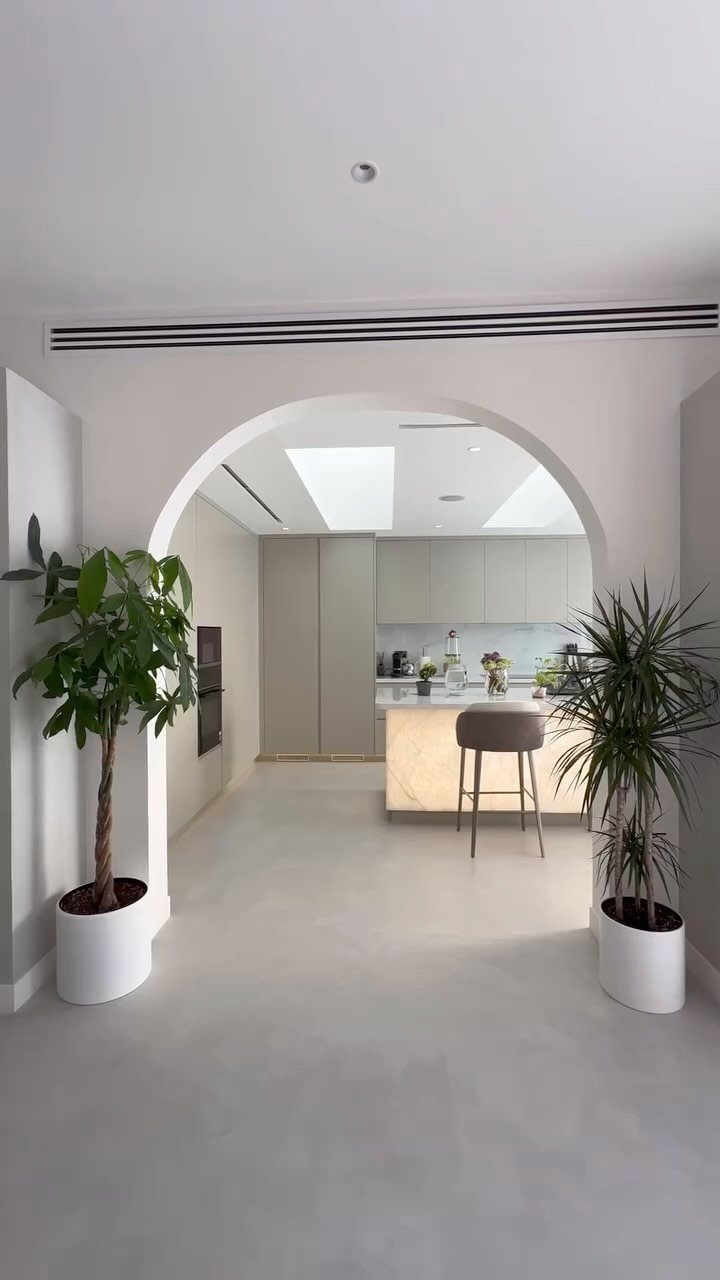
Concrete flooring starts as the slab already under most houses, which makes it the cheapest option by a wide margin if you stop there. Polished concrete is a step beyond raw concrete, finished for residential living rather than warehouse utility.
Staining, stamping, or polishing turns the basic slab into something intentional. The process runs: pour, level, cure, then finish with the chosen treatment.
Curing takes time; rushing to seal or polish too early traps moisture and ruins the surface.
I like concrete for open-plan spaces where the floor needs to disappear rather than compete. It pairs with modern kitchens and industrial details without trying too hard.
Hardness is the downside. Dropped dishes shatter, standing for long hours hurts, and the floor stays cold unless you add radiant heat.
For a family with small children or anyone with joint issues, I’d layer something softer on top.

[Non-Slip Backing for Hard Floors]: Rubber backing helps keep the rug in place on tile, hardwood, or laminate—ideal for homes with kids, pets, or busy foot traffic.

[Non-Slip Backing for Peace of Mind]: A slip-resistant rubber backing helps keep the rug securely in place on tile, hardwood, or laminate—ideal for active homes with kids, pets, or high foot traffic.

[Non-Slip Backing for Peace of Mind]: A slip-resistant rubber backing helps keep the rug securely in place on tile, hardwood, or laminate—ideal for active homes with kids, pets, or high foot traffic.
5. Glazed Ceramic Tile Flooring
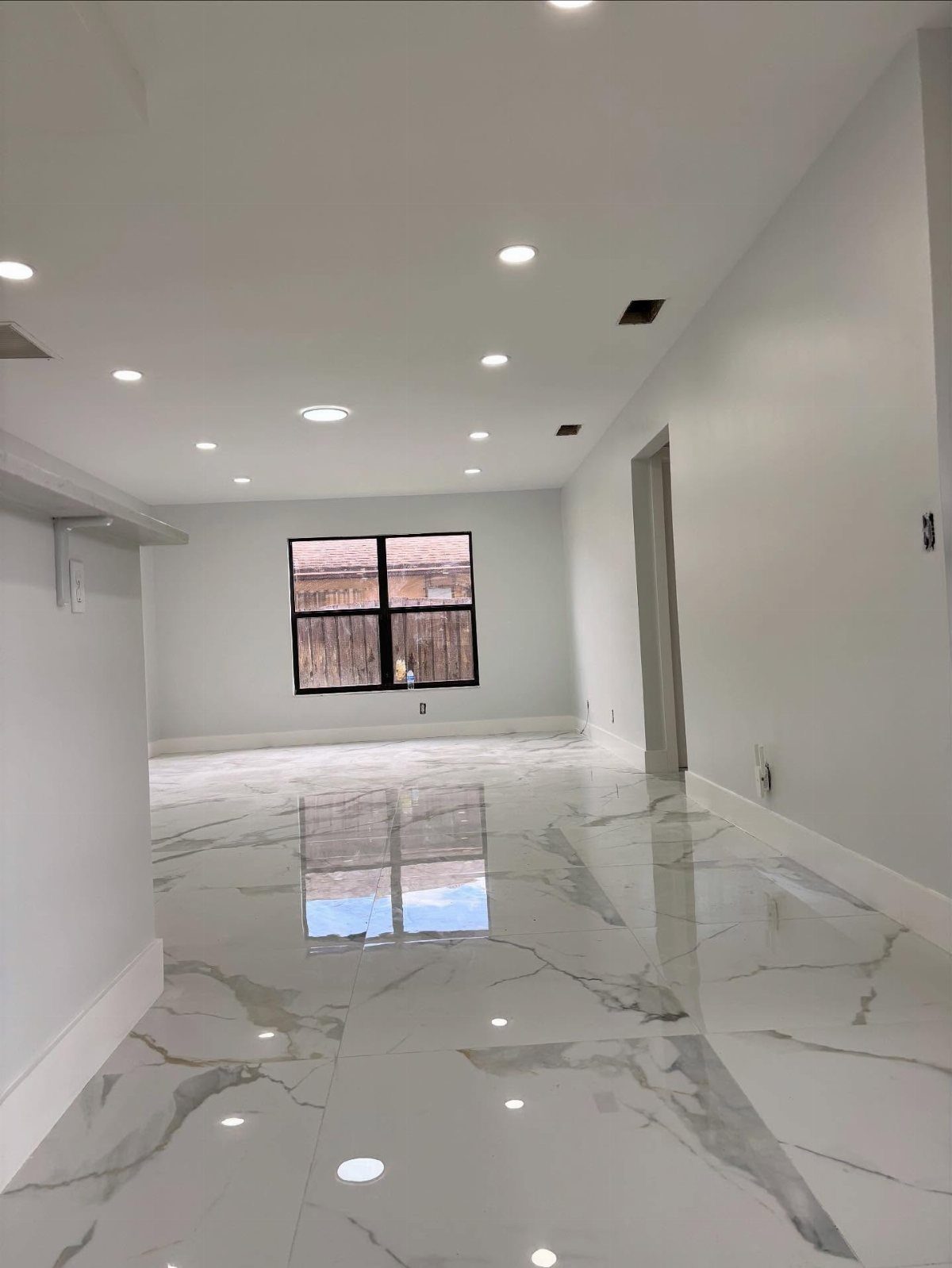
Glazed ceramic tile gets its glass-like surface from liquid silica fired at high temperature, which creates a hard, non-porous skin. Marble-look veining is printed beneath that glaze, giving the visual cool of stone without the sealing and staining headaches.
The glaze is what makes this practical. It resists stains, scratches, and fading, and cleanup is neutral detergent and a mop.
I use it anywhere water is guaranteed: bathrooms, laundry rooms, mudrooms. The slip resistance varies by texture, so I check the coefficient of friction rating for wet areas.
Grout lines are the weak point. They collect grime and need periodic sealing or replacement.
Larger tiles mean fewer grout lines, which is why the 12×24 and larger formats have taken over.
Clean it and leave it.

100% Waterproof & Pet-Friendly Surface: Rigid core luxury vinyl tile flooring fully resists water, spills, and pet accidents, suitable for kitchens, bathrooms, basements, and high-traffic areas

Give Home a New Look - Peel and stick floor tiles can be adhered to any flat, clean and dry surface and can be removed without leaving a trace, making them perfect for renters.

[High-Gloss Marble Finish] Transform your floors with a seamless, reflective marble-like surface using our epoxy colored sand floor paint. Its natural texture and high-gloss finish instantly elevate garages, basements, patios, and other indoor and outdoor spaces, creating a premium, professional look
6. Cork Flooring
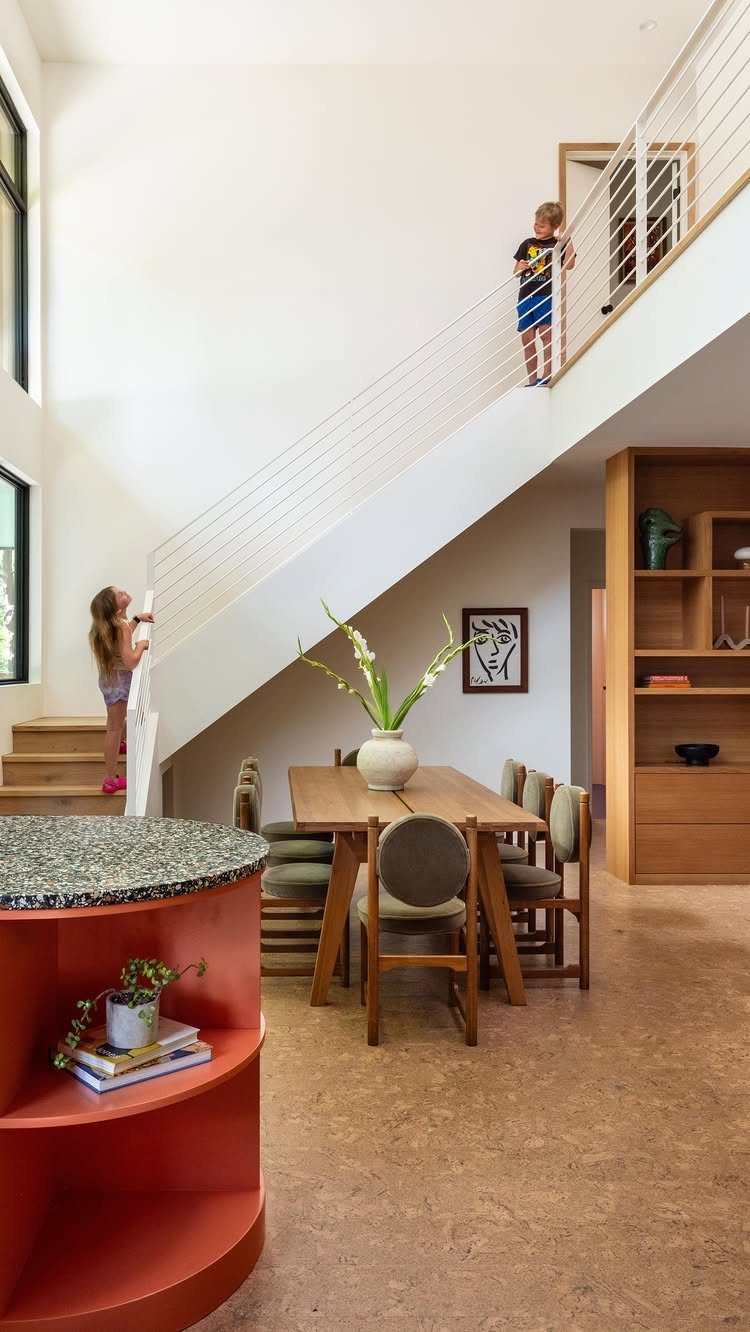
Cork flooring comes from the bark of cork oak trees, harvested by hand every nine years without killing the tree.
The warm, slightly mottled surface in natural cork is what I gravitate toward, though stained versions run from grey to walnut.
Comfort underfoot is the reason to choose it. Cork compresses slightly and rebounds, which matters in kitchens where you stand for long stretches.
It also dampens sound between floors, a real consideration in condos or homes with basement tenants.
The material resists mold and mildew naturally, and the slight give makes it easier on joints than tile or concrete. I install it with a floating click system over underlayment, similar to laminate.
Heavy furniture is the enemy. Permanent dents form under refrigerator feet and sofa legs unless you use wide coasters or rotate pieces periodically.

High-Quality & Durable--Premium PVC construction with multi-layer waterproofing and a wear-resistant layer ensures long-lasting performance. Waterproof and stain-resistant, ideal for kitchens, bathrooms, living rooms, and any indoor space

Stain Resistance: Offers a durable, gloss layer that enhances stain resistance, ensuring long-lasting protection for unfinished vinyl (VCT), concrete, rubber, and tile flooring surfaces

Self Adhesive Non Slip Backing : Our hallway runner rug features a special self-adhesive backing that grips firmly to flat, smooth surfaces like magic,no tapes, adhesives, or glue required. Simply place the mat on a clean, smooth surface and press firmly. It stays securely in place, prevents edges from curling or lifting, and makes walking and vacuuming more convenient. The non-slip backing keeps your rug from sliding around, and it's fully reusable and repositionable.
7. Rubber Flooring
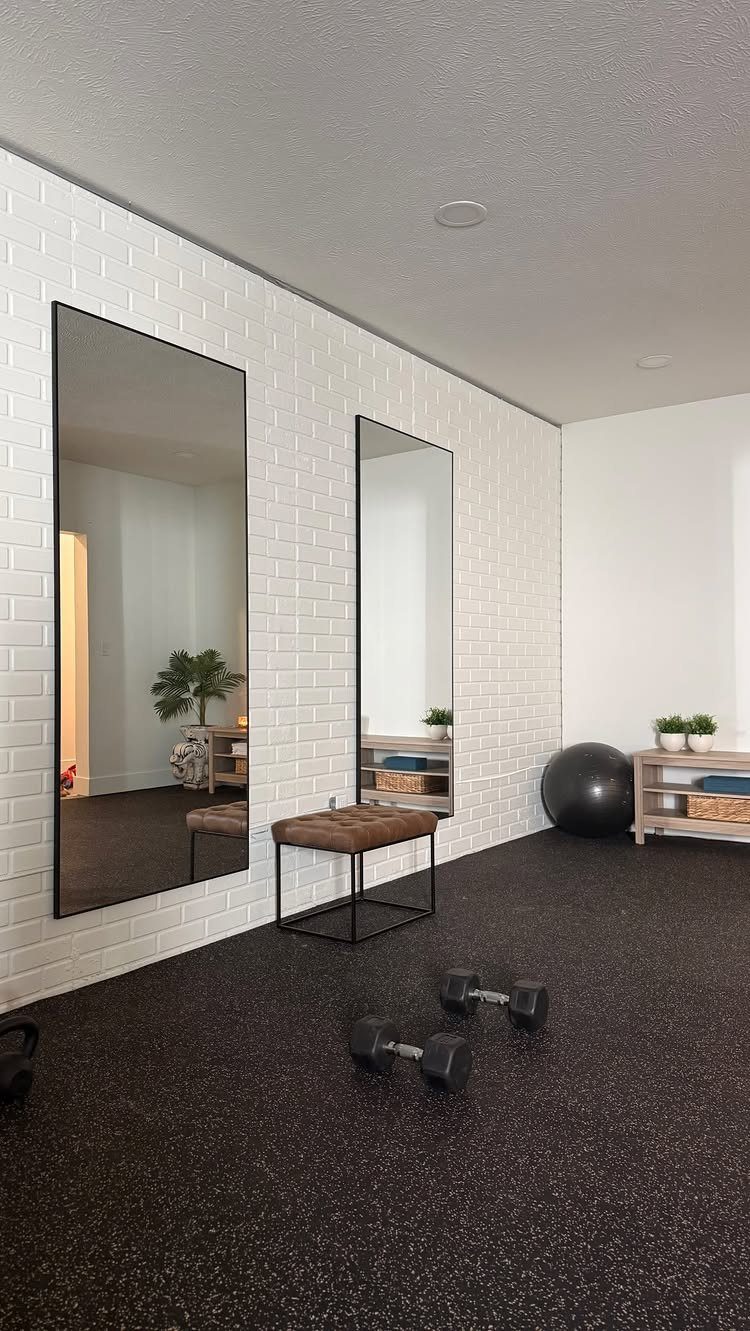
Rubber flooring belongs in rooms where you drop heavy things and sweat on the floor. The speckled surface hides dust and scuff marks better than solid colors, which matters if you are not mopping daily.
Water resistance and slip resistance come built in, so it works for basements that flood occasionally or garage conversions where the concrete still sweats.
Installation runs from interlocking tiles to rolled sheets. Tiles suit odd shapes and let you replace single pieces; rolls have fewer seams but need accurate cutting.
Either way, the subfloor has to be flat. Rubber smells for a few weeks after install, so plan ventilation if the space shares air with living areas.
For a home gym on a real budget and a Saturday, this is the floor that forgives dropped kettlebells.

[Realistic Wood Grain with DIY Options]: With a super realistic wood grain appearance and various color options, these tiles meet personalized decorative needs. They are versatile enough for use in homes or commercial spaces, suitable for shop decoration, rental renovations, and RV flooring projects.

🤎𝙈𝙖𝙩𝙚𝙧𝙞𝙖𝙡 & 𝙎𝙞𝙯𝙚: The dark brown PVC self-adhesive wood tiles are made of high-quality vinyl material, which is known for its durability and longevity. This material is carefully selected to ensure that it is resistant to wear and tear, making it suitable for long-term use.One package contains 32 tiles with size 36x6 inch, covers 47.2 square feet, thickness of each vinyl tile is 0.02 inch.

【Water-resistant and Easy to Clean】Crafted from superior quality materials, these peel and stick floor tile are water-resistant, making them ideal for bedrooms and kitchens. They resist stains and spills, keeping your vinyl flooring easy to clean and looking fresh
8. Terrazzo Flooring
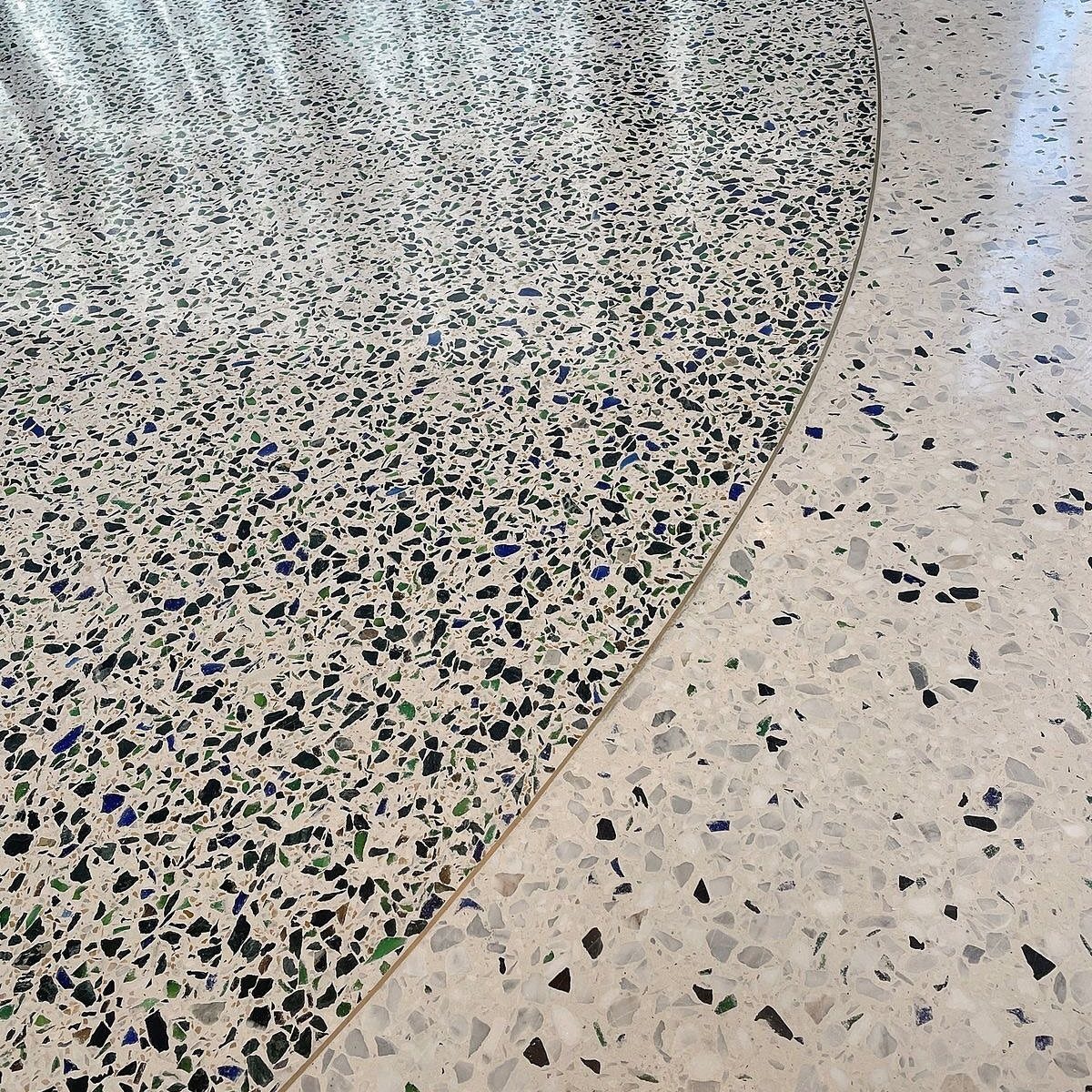
Terrazzo earns its keep in buildings built to last generations. The poured mix of marble, granite, quartz or glass chips set in cement or epoxy carries patterns you cannot get from a box.
Curved seams between color fields come from dividing strips placed while the material is still wet.
Upfront cost runs high against vinyl or laminate. The return is longevity and a surface that refinishes rather than replaces.
Cement-based terrazzo holds floor finish well; pure epoxy resists water so aggressively that some finishes struggle to bond, so ask your installer about compatibility before you choose the binder.
Skip acid cleaners and high-pH products either way. Terrazzo in a weekend project is not realistic; this is a hire-a-specialist choice for the homeowner planning to stay put.

Glue-Free Instant Installation - Vinyl floor mat uses pre-applied adhesive tape . This enables tool-free, straightforward application, simplifying DIY projects and saving installation time.

[Premium Vinyl & Twill Texture] : Crafted from high-quality vinyl with a durable twill textured finish that resists daily wear, scuffs, and scratches. Unlike smooth finish, the twill surface provides enhanced abrasion resistance for floor applications.The twill texture also provides reliable non-slip traction underfoot, giving you peace of mind.

Upgraded and Thickened: 0.06inch thick, thicker vinyl flooring roll are usually more impervious to daily wear and impact. Whether it's heavy foot traffic, furniture movement, pet paws or accidental dropped items, it can better withstand these pressures. They reduce the likelihood of scratches, dents, and damages, thereby extending the service life and providing you with a long-term ground decoration solution.
9. Hardwood Flooring
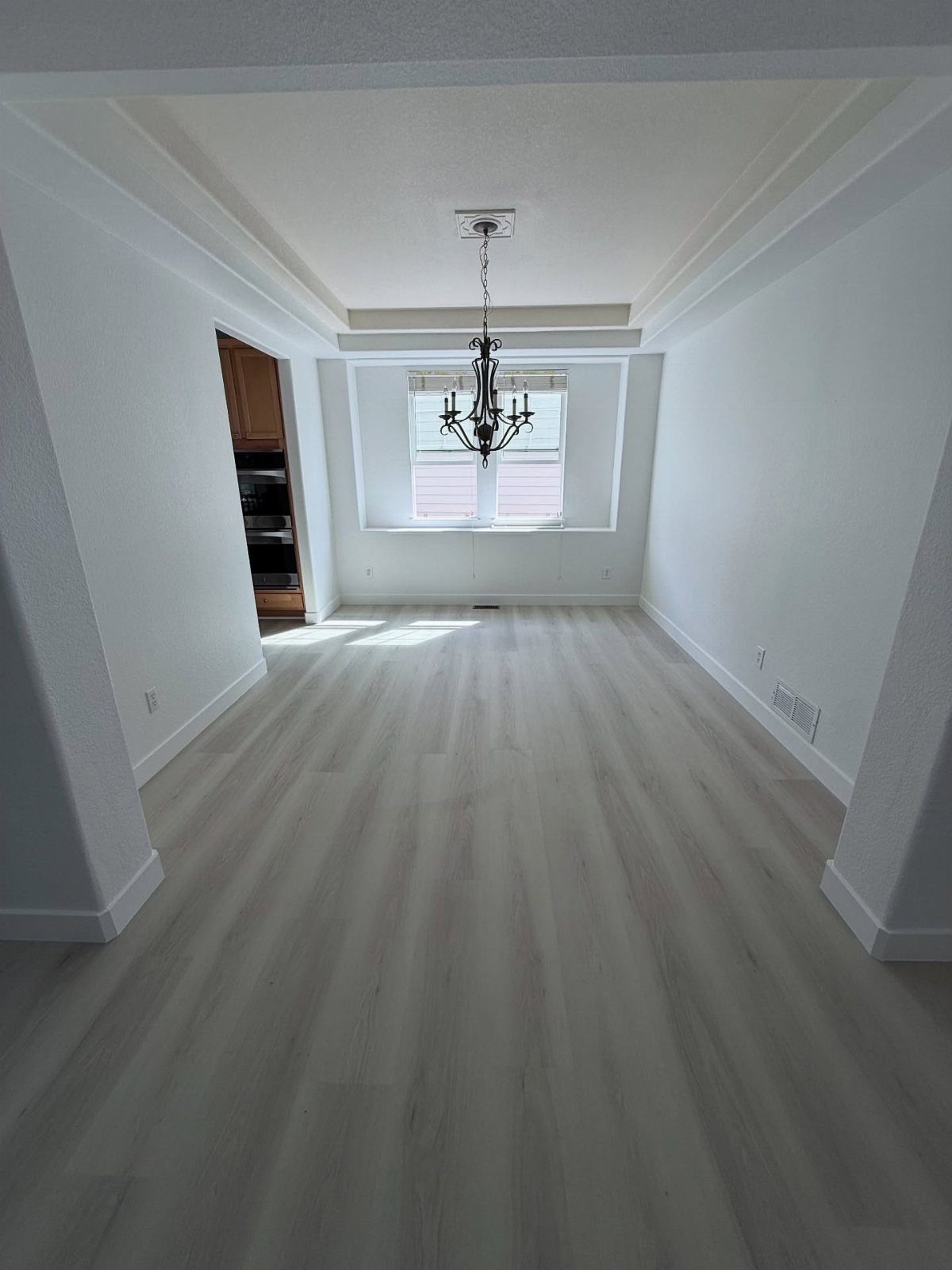
Wide planks in pale tones open up smaller rooms and catch light from windows.
Oak, maple and hickory stand up to dogs and heavy foot traffic; cherry and walnut scratch more easily but carry a depth of color that harder woods lack.
Prefinished boards go down faster and let you see exactly what you are getting. Unfinished site-finished floors cost more in labor and drying time, but the seamless surface and custom stain match older homes better.
Refinishing every decade or two resets wear patterns and lets you change color without replacing the floor.
Hardwood raises resale value in most markets. The trade is upfront cost against lifespan and the dust of sanding down the road.

[Non-Slip Backing for Peace of Mind]: A slip-resistant rubber backing grips tile, wood, or laminate floors—keeping the rug in place even in busy households with pets, kids, and daily foot traffic.

[Non-Slip Backing for Peace of Mind]: A slip-resistant rubber backing helps keep the rug securely in place on tile, hardwood, or laminate—ideal for active homes with kids, pets, or high foot traffic.

[Non-Slip Backing for Peace of Mind]: A slip-resistant rubber backing grips tile, wood, or laminate floors—keeping the rug in place even in busy households with pets, kids, and daily foot traffic.
10. Natural Stone Tile Flooring
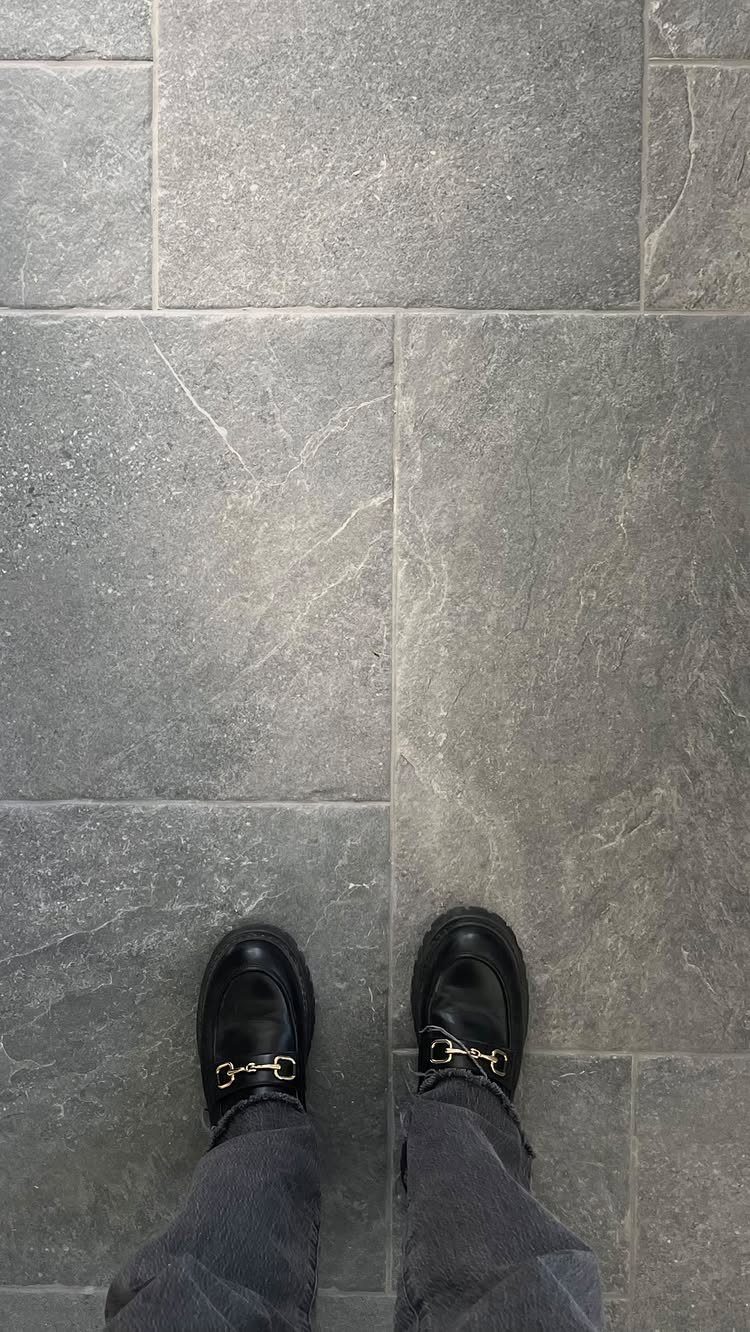
Stone tile carries variation no factory process replicates. Subtle veining shifts tile to tile; your floor will not match a sample board exactly, so order extra and blend boxes during layout.
Porosity separates the stones. Slate and granite resist stains; marble and limestone etch with acid from citrus or vinegar.
Sealing helps but does not make a soft stone hard. In entryways that see winter salt or kitchens with daily spills, honed finishes hide wear better than polished ones.
Natural cooling cuts summer air conditioning costs in warm climates. In cold ones, pair with radiant heat if the budget allows, or expect slippers from October through April.

[High-Gloss Marble Finish] Transform your floors with a seamless, reflective marble-like surface using our epoxy colored sand floor paint. Its natural texture and high-gloss finish instantly elevate garages, basements, patios, and other indoor and outdoor spaces, creating a premium, professional look

Includes a 6-port Wago connector on the ground lead

Must purchase FBLEV-GY and a Leviton finished floor plate (each sold separately)
Choosing the Right Flooring
Start with how the room actually gets used, not how you want it to look in a photo. A mudroom that sees winter boots and road salt needs different priorities than a guest bedroom that stays closed most weeks.
Traffic patterns matter more than square footage. Hallways and main paths wear faster than the edges of a room, so put your hardest-wearing material where feet actually walk.
In open plans, the same floor runs through multiple zones, which means choosing for the hardest-use area and accepting the tradeoff in quieter corners.
Your daily habits finish the decision. If you vacuum twice a week and spot-clean spills within the hour, carpet stays workable.
If maintenance happens when something forces it, hard surfaces forgive neglect better. Match the material to your real schedule, not your aspirational one.
Kitchens and bathrooms need moisture-resistant flooring, while living areas prioritize comfort and durability. Consumer Reports breaks down the best options for every room in your home.
Cost Considerations
The cheapest floor is the one already there. Polished concrete skips material cost entirely, though finishing runs extra.
At the other end, terrazzo and natural stone run high in both materials and specialist labor.
Mid-range options cluster where most first-home budgets land. Laminate and vinyl plank run a few dollars per square foot for material, with installation you can handle yourself if the subfloor cooperates.
Hardwood sits a tier above, with prefinished boards saving on labor compared to site-finished.
Factor installation into the first number you write down. Carpet needs professional stretch and trim; rubber tiles you lock together on a Saturday.
A floor that looks cheaper on the shelf can cost more by the time it is walkable.
Quality within a type varies enormously. Vinyl at 6 mils of wear layer and vinyl at 20 mils are different products with different lifespans.
The budget choice is usually mid-grade, not the bottom shelf.
Installation Methods
Click-together floating floors suit weekend projects. Laminate, luxury vinyl plank, and cork all lock over underlayment without glue or nails, provided the subfloor is flat and dry.
A 4-foot level and patience matter more than special tools.
Glue-down and nail-down methods need more skill and more time. Hardwood planks fasten to a prepared subfloor, with site-finished floors adding sanding and curing days where the room stays off-limits.
The planks lock together so tight you barely see the seams, but the timeline stretches.
Sheet goods demand accurate cutting around fixtures and walls. Vinyl sheet and rubber rolls go down fastest in rectangular rooms; odd angles and multiple doorways turn a quick job into a measuring marathon.
Concrete treatments are not weekend work. Terrazzo similarly needs a specialist crew and time for the binder to set before finishing begins.
Maintenance Requirements
Hard surfaces simplify daily care. Glazed ceramic takes neutral detergent and a mop; vinyl is mop-and-go with no refinishing schedule.
Wood and laminate need more specific habits. Water left standing swells laminate’s fiberboard core; hardwood wants rugs at entryways to catch grit that scratches.
Carpet holds what falls on it. Professional cleaning extends life, but the maintenance burden is ongoing, not occasional.
Rubber and terrazzo forgive neglect best. Rubber hides dust in its speckled surface; terrazzo refinishes rather than replaces.
Both skip the sealing and special cleaner routines that softer stones and porous materials demand.
Frequently Asked Questions
What are the most common types of flooring?
Hardwood, laminate, vinyl, carpet, concrete, glazed ceramic tile, cork, rubber, terrazzo, and natural stone tile are the most common residential options. Each suits different rooms, budgets, and how much water the space sees.
Is LVP better than tile flooring?
Luxury vinyl plank costs less and installs faster than glazed ceramic tile, but tile wins for hardness and true water resistance. LVP’s seams can let moisture through in a flood, while a properly grouted tile floor shrugs off standing water.
For a basement that sees occasional water, I would still pick vinyl; for a shower surround, tile has no equal.
What type of flooring is popular right now?
Right now most installs going in are hardwood and luxury vinyl plank. Pale oak in wide boards reflects window light and makes a tight room feel bigger, which is why it keeps selling.
LVP has ridden the same visual trend while offering water resistance that hardwood cannot match, so it has become the go-to for first-home owners who want the look without the maintenance worry.