

Water filters remove contaminants like chlorine, lead, and PFAS through physical or chemical media, while softeners target hard water minerals via ion exchange.
Filters improve taste and safety; softeners prevent scale buildup in pipes and appliances.
These are completely different technologies that address different problems; one system cannot solve the issues that the other addresses.
Some homes need both.
Testing your water first reveals which system fits your situation.
Understanding your specific water quality issues will guide your decision.
[link-whisper-related-posts]Water Filter vs. Water Softener: What Each Actually Removes
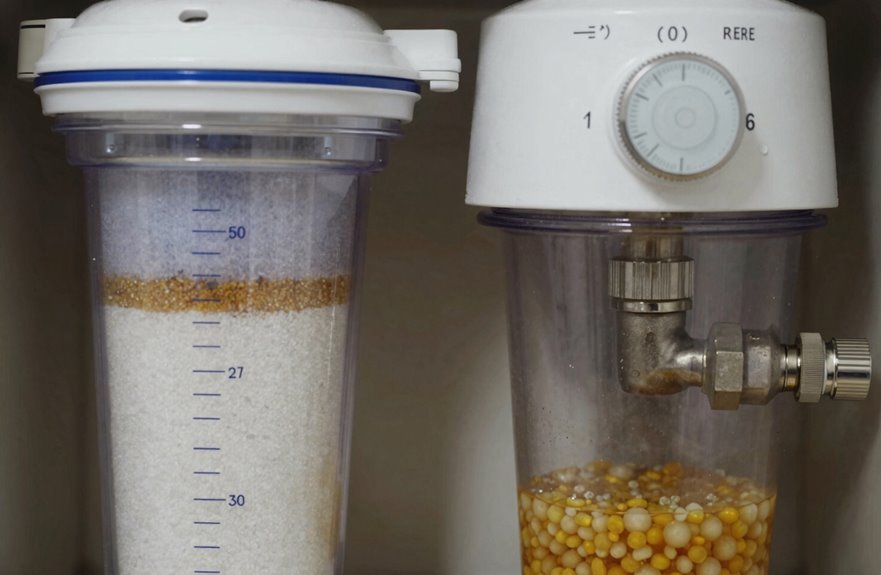
What’s actually swimming around in your tap water? If you’re like me, you want to know exactly what you’re dealing with before choosing your water treatment approach.
Water hardness comes from calcium and magnesium lurking in your pipes. These minerals demand ion exchange technology, where sodium ions swap places with hardness culprits, delivering scale prevention for appliances. Softeners, however, cannot address the serious contaminants in water.
Hard water minerals require ion exchange softeners, but these systems won’t remove dangerous contaminants like lead or PFAS from your tap.
When concerned about contaminants like lead, arsenic, chlorine, and PFAS, filtration becomes necessary. Multi-stage media or reverse osmosis membranes strip out health threats that softeners simply ignore. These represent two completely different treatment approaches.
Some households need both: softening for water hardness and dedicated filtration for purity. Knowing what each system actually removes prevents wasting money on the wrong solution.
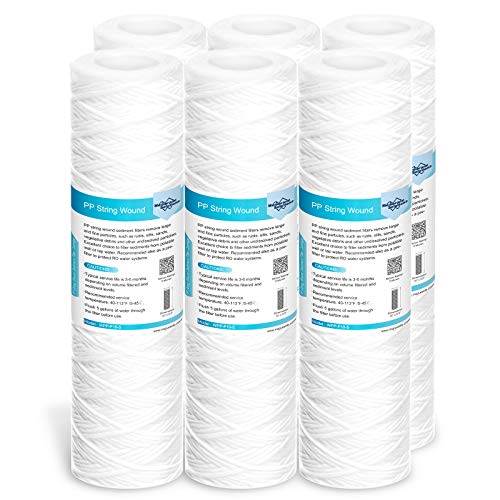
STABLE MATERIAL: Food grade 100% Polypropylene material, Lead and BPA-Free. Non-toxic, odorless, no leaching or secondary pollution.Providing a gratifying and user-friendly water-filtering experience.
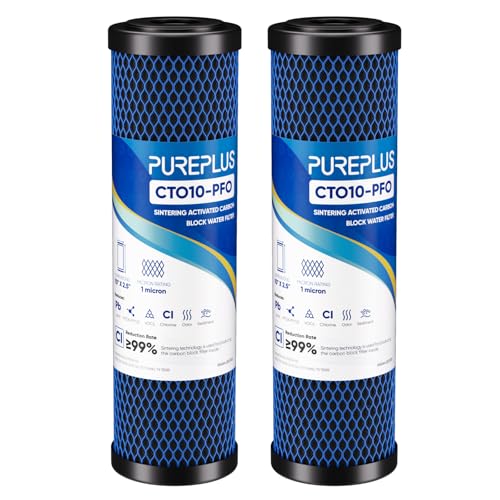
❄️ COMPATIBLE FILTERS - The filter can be used in any standard 10” x2.5” RO Unit whole house filtration system and compatible with standard 10 inch X 2.5 inch filter models of DuPont WFPFC8002, WFPFC9001, SCWH-5, Whirlpool WHCF-WHWC, Pentek CBC-10, GE FXWTC, Culligan D-10A & D-10, Aquaboon CTO, Ace Hardware 84608, Apex IR-40, Cornelius COR10B1, COR10B5, Dupont DWC30001, PFC8002, WFDWC30001, WFPFC8002, WFPFC9001, 46942, EcoLab 9320-1002, Everpure CG5-10, DEV9108-15, Flotec TO1, GE FX12P, GXWH20F.
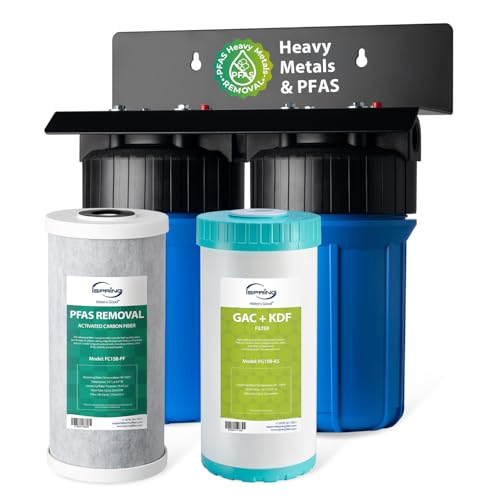
Whole Home Heavy Metal Filtration: This whole house water filter system provides powerful two-stage protection for your home. Stage 1 uses high-performance KDF and granular activated carbon (GAC) to reduce chlorine, chloramine, lead, mercury, hydrogen sulfide (H₂S), radon, pesticides, herbicides, industrial chemicals, and other heavy metals. It also removes dirt, rust, sand, and particles as small as 5 microns—perfect for both city water and well water filter system needs.
How Water Filters and Softeners Work Differently
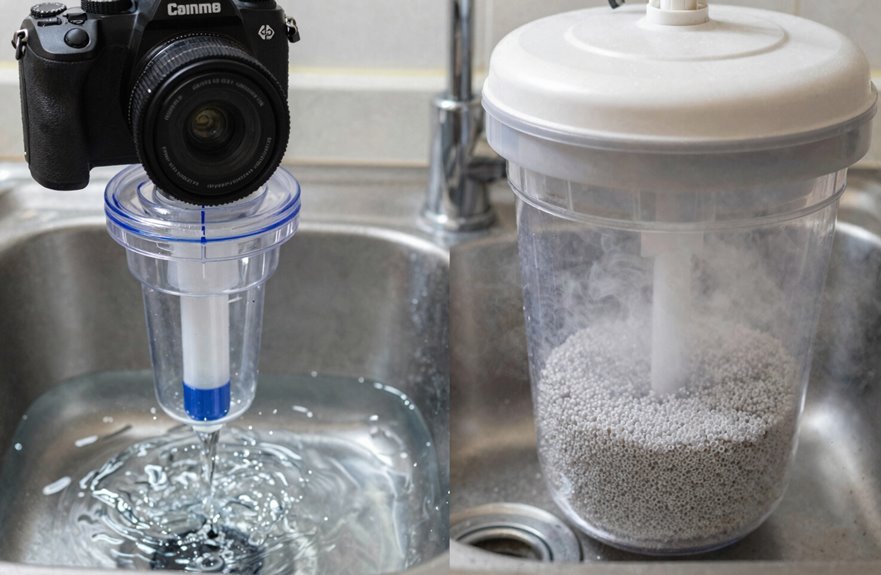
I used to think water filters and softeners were basically the same thing: just different boxes that cleaned my water. Then I learned they solve completely different problems through entirely different mechanics.
Water filtration pushes water through filtration media (sediment, carbon, membranes) to trap particles and absorb chemicals. Multi-stage filtration tackles everything from rust to lead to PFAS. Water softening uses ion exchange, swapping calcium and magnesium for sodium or potassium. This removes hardness minerals for scale prevention, but doesn’t touch contaminants.
| Feature | Water Filtration | Water Softening |
|---|---|---|
| Main Goal | Contaminants removal | Scale prevention |
| Method | Physical/chemical filtration media | Ion exchange |
| Best For | Health and taste concerns | Hard water issues |
Many of us run whole-house systems combining both technologies. Salt-free alternatives exist for softening, though they’re less effective. Neither solution alone addresses every water problem.

Perfect Match: Our sink drinking water faucet has a finish, no matter the size or shape, this reverse osmosis faucet can be matched with the appearance of various kitchen faucets. It is also suitable for stainless steel sinks or marble countertops.
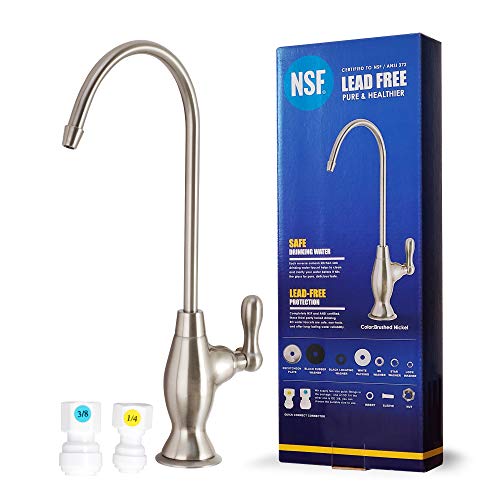
Safer Drinking Water: Each reverse osmosis kitchen sink drinking water faucet helps to clean and clarify your water before it hits the glass for pure, delicious taste

Versatile Design with Extra-Long 4 1/2" Stem: Our RO water filter faucet effortlessly complements various kitchen faucets and suits stainless steel sinks, marble countertops, and any kitchen style. Its standout feature is the industry-leading 4 1/2" stem, making it compatible with even the thickest countertops.
Which System You Need for Your Specific Water Problems
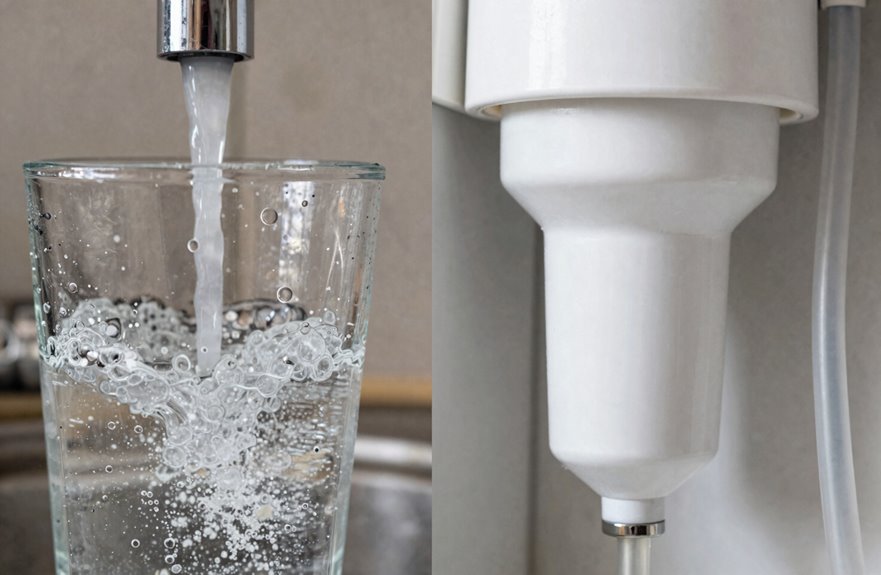
How do you know which system your home actually needs. Start with water testing, the only way to identify what contaminants and minerals are present in your water.
Here’s how to break it down:
- Spot white scale on faucets? You’ve got hard water. A water softener using ion exchange tackles mineral hardness for scale prevention.
- Notice bad taste and odor? You need contaminants removal. A water filter handles chlorine, lead, and chemicals that shouldn’t be in your drinking water.
- Facing both issues? Choose a combined system addressing mineral hardness and safety simultaneously.
Remember: ion exchange won’t remove health threats, and filtration won’t stop scale buildup. Match the right solution to your specific water problems.

Softened Hard Water: Water Softener Resin is a special resin specially used to soften hard water. Through ion exchange technology, the hardness of water is less than 50mg/L

ION-EXCHANGE SHOWER WATER SOFTENER: ShowerSoft's cation-exchange resin captures calcium and magnesium ions from your water. The proven technology used in whole-house water softening systems, compact enough for a single shower line.

1 cubic foot of premium grade, high capacity, durable cation exchange water softener resin with excellent chemical and physical properties.
When Your Home Needs Both a Filter and Softener
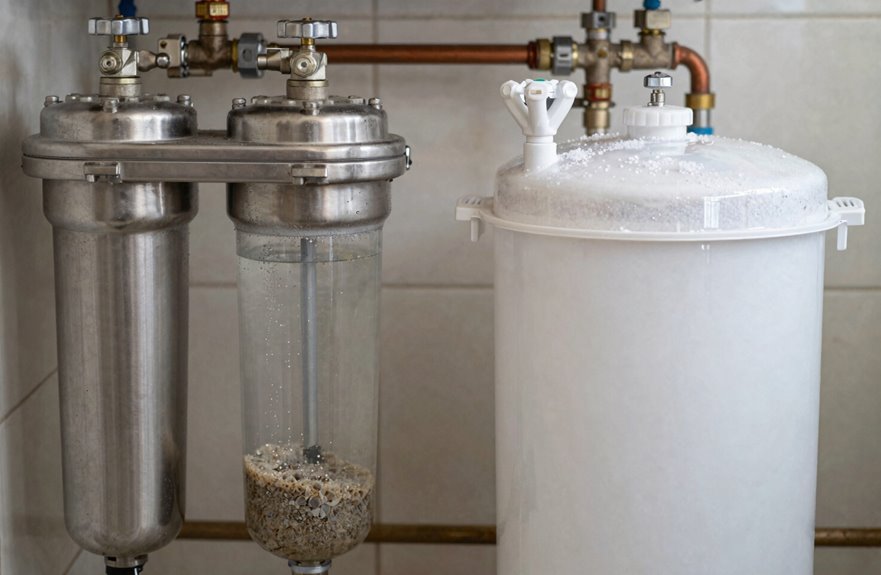
Some water problems don’t fit neatly into one category. If you’re dealing with hard water and detectable contaminants, a combined system tackles both issues effectively.
Hard water creates scale buildup through calcium and magnesium deposits, which a water softener handles via ion exchange. But hardness minerals aren’t the only concern. When your drinking water carries chlorine tastes, odd odors, or health-related contaminants, you’ll need dedicated filtration too.
White mineral crust on fixtures alongside weird smells indicates you need both technologies. A salt-based water softener protects appliances from scale damage, while whole-home filtration removes broader contaminants. For complete protection, add point-of-use filtration for your family’s drinking water.
Many households face this dual challenge and benefit from combining both solutions.

[Improve Water Quality] Solves hard water problems without the need for chemicals, salt, or maintenance, while keeping healthy minerals in the water by preventing scale deposits from forming and allowing existing scale to break down.
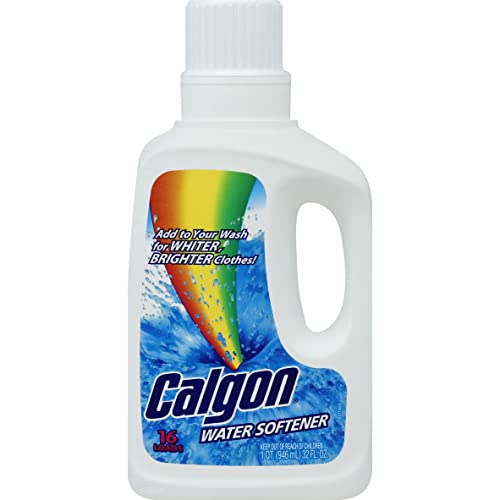
Reduce the risk of breakdown and protect Your investment

【Efficient Scale Inhibition】Food-grade polyphosphates, included in the Waterdrop scale inhibitor, can fundamentally inhibit scale formation to provide healthy water for you. This is a highlight different from conventional filters.
How to Match Your Water Problems to the Right System
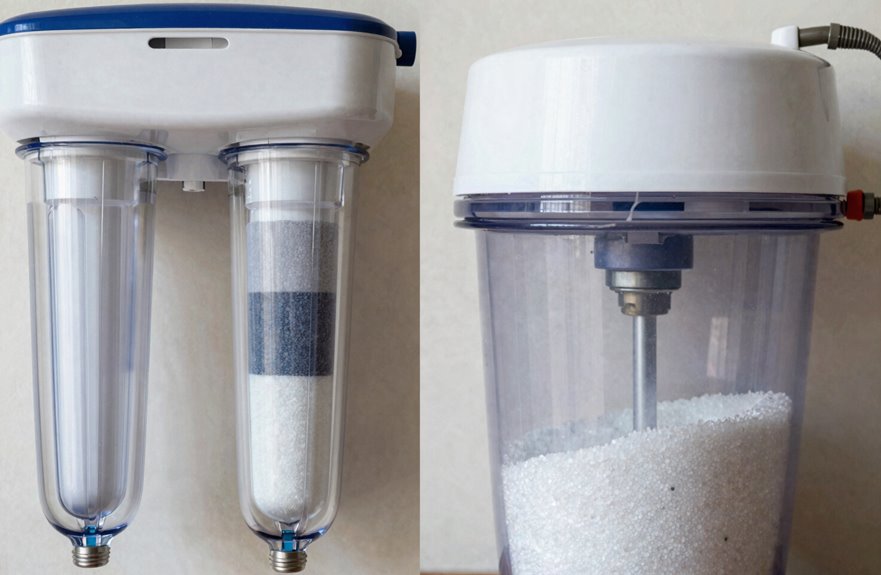
What exactly is your water doing that it shouldn’t? Matching your water problems starts with listening to what your home tells you. Here’s how to sort it out:
- Spot scale buildup? You’ve got hard water. A water softener using ion exchange swaps those calcium and magnesium minerals for sodium, protecting pipes and appliances.
- Notice funky taste or smell? Contaminants like chlorine or lead are present. Install a filtration system with carbon stages to trap chemicals and improve water quality at every tap.
- Facing both issues? A combination system handles hardness through ion exchange and removes contaminants, delivering comprehensive treatment.
Your symptoms will guide you to the right solution.

Powerful Multi-Stage Filtration System: Our advanced filter combines coconut shell activated carbon, zeolite, PVA non-woven fabric, calcium sulfite, and maifan stones to tackle even the toughest of waters. It efficiently removes sediments, rust, chlorine, discoloration, odors, and more, to ensure the cleanliness and safety of drinking water, and to improve the taste of water.

ADVANCED FILTRATION WITH NSF-CERTIFIED CALCIUM SULFITE:Built with NSF-certified calcium sulfite, activated carbon, KDF, and mineral filtration media, this shower filter helps reduce chlorine, odors, sediment, rust, and common impurities for a fresher and more comfortable shower experience.
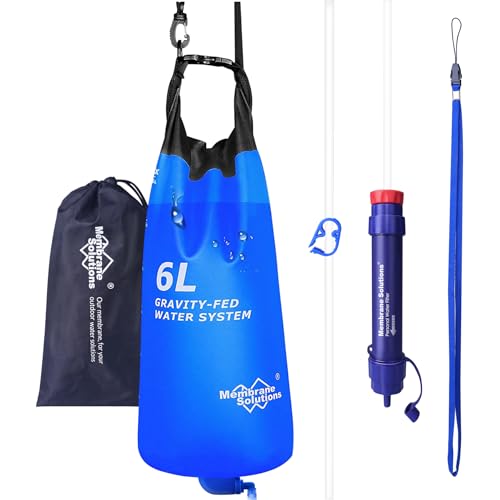
Built for Group Camping - Designed for camping, backpacking, and emergency preparedness, this 6L gravity water filter system provides fresh drinking water for 3–6 people. Ideal for basecamp, group trips, and survival situations where water matters most.