
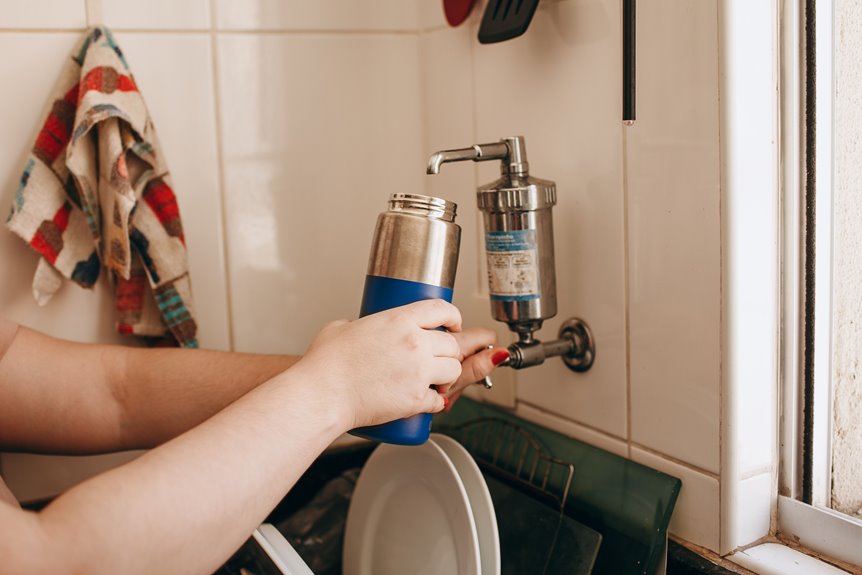
Water filters use physical barriers and carbon to remove sediment, chlorine, and improve taste, but they won’t stop viruses or most bacteria.
Purifiers add UV light, reverse osmosis, or chemicals to kill microorganisms that filters miss.
Your water source matters: municipal tap water often needs just filtration, while well water requires purification.
Cost, maintenance, and mineral removal differ significantly between the two technologies, and the choice depends on your specific situation.
[link-whisper-related-posts]Water Filters vs. Purifiers: The Core Difference in 60 Seconds

What’s the real difference between a water filter and a purifier? I used to think they were basically the same thing, just different marketing terms. Once I dug into filtration vs purification, I realized I’d been missing something essential.
Water filters tackle sediment, particulates, and some contaminants through physical barriers and carbon media. They improve taste and odor, but they don’t generally remove viruses. That’s where water purification comes in.
Water filters handle sediment and taste, but they stop short of eliminating viruses—that’s the critical gap purification bridges.
Purifiers add disinfection capabilities, targeting viruses, bacteria, and protozoa through UV/RO, distillation, or chemical treatments. While filtration improves aesthetics, purification ensures safety by eliminating microorganisms that can make you seriously ill.
Many purification systems meet rigorous log removal standards. Berkey systems, for instance, claim 99.99% virus removal and 99.9999999% bacterial removal. This performance far exceeds typical filtration.

The original WHKF-GAC Whirlpool 5-Micron granular activated carbon filter reduces bad taste and odor from city and well water supplies, as well as particles like sediment, sand, soil, silt, and rust to improve overall water quality.
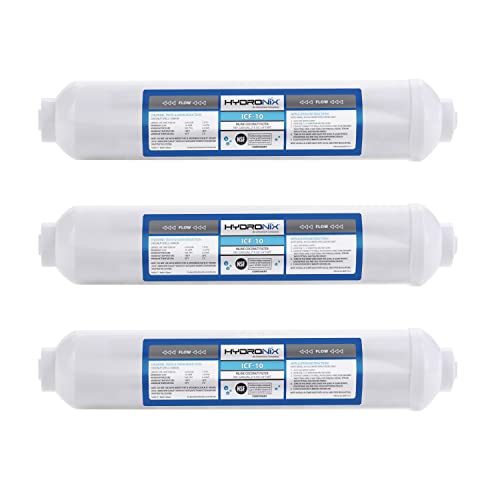
Multi-purpose: The Hydronix Inline Water Filter can be used in Refrigerators, Ice Makers, Coffee Makers, Drinking Water Fountains, Water Coolers, Beverage Equipment, Sink Faucets, RV, Campers, Boats, Under the Sink and RO System. Compatible with most refrigerator filter brands such as Samsung, GE, LG, Whirlpool, Frigidaire, etc.
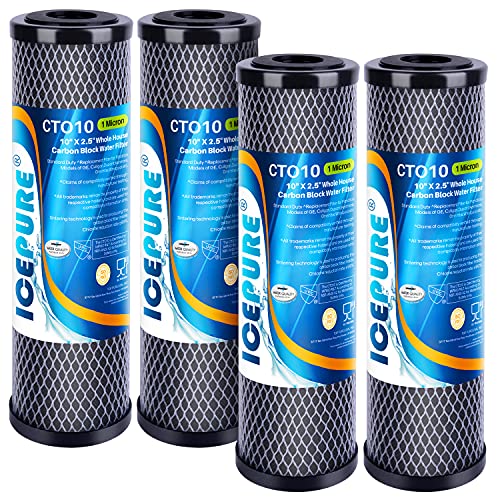
[NSF/ANSI 42 Certified] This filter has passed the IAMPO NSF/ANSI 42, ensuring it effectively reduces chlorine taste and odor from your drinking water. Enjoy cleaner, fresher water with every sip, thanks to this trusted filtration standard
What Water Filters Actually Remove (and 3 Dangerous Things They Don’t)

The gap between what water filters promise and what they actually deliver surprised me when I first started researching water treatment. Water filtration excels at removing sediment, particulates, and certain contaminants through physical barriers and activated carbon. My filter strips chlorine, improves taste, and reduces some metals and chemicals, making water clearer and more palatable.
Standard filters, however, cannot remove viruses. They also miss dissolved salts and many biological pathogens. While some block bacteria, viruses slip right through. This distinction between purification and filtration is critical when choosing protection for your family. Filters function as comfort devices rather than safety devices; they handle aesthetics and basic contaminants while leaving dangerous microscopic threats untouched.
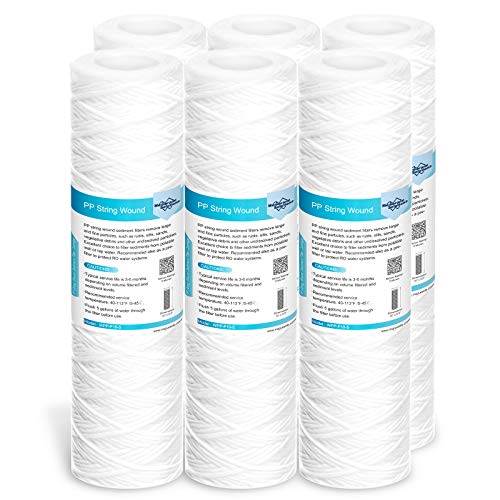
STABLE MATERIAL: Food grade 100% Polypropylene material, Lead and BPA-Free. Non-toxic, odorless, no leaching or secondary pollution.Providing a gratifying and user-friendly water-filtering experience.

Whole home filtration system: Filtered water for your whole home

[UNIVERSAL FIT] - The 20 micron pleated water filter replacement is 9-7/8"(Length) x 4-1/2"(Outer Diameter) x 1-1/10"(Inner Diameter), fits most 10" whole house sump style systems.
How Purifiers Kill What Filters Miss: UV, RO, and Beyond
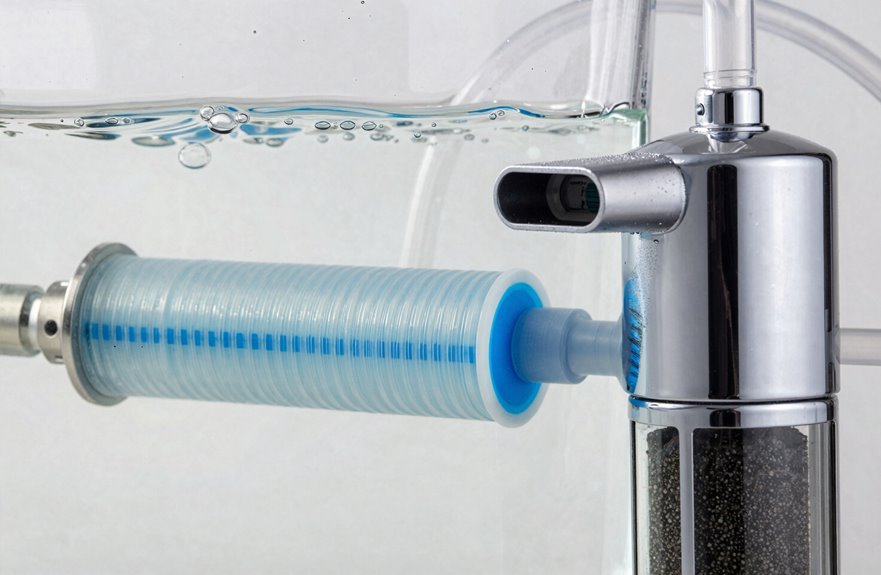
Why do I still get sick from “filtered” water? Filtration alone doesn’t guarantee safety. It improves taste and clarity but misses tiny threats. Purification addresses what filters cannot.
Filtration polishes your water; purification protects your health.
Here’s how we protect ourselves together:
- UV light zaps viruses and bacteria with disinfection that filtration can’t match
- Reverse osmosis forces water through microscopic barriers, achieving complete pathogen elimination
- Advanced purification targets biological contaminants filtration leaves behind
The gap between filtration and purification matters because visible particles aren’t the only concern. While filtration handles sediment and cloudiness, purification eliminates pathogens that filters allow to pass through. UV, reverse osmosis, and similar technologies don’t just improve water quality; they remove the organisms that cause illness.
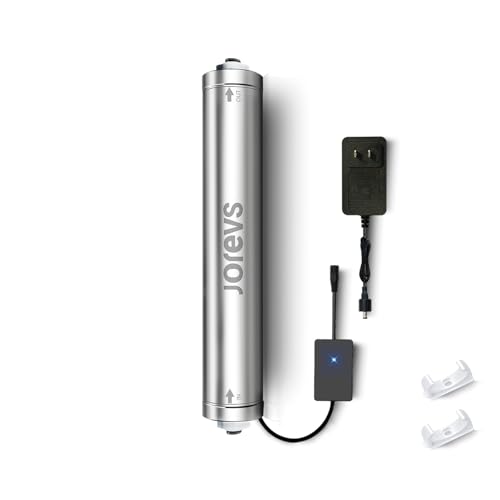
【Advanced UVC-LED Technology for Superior Disinfection】: UVC-LED Technology with a wavelength of between 270 nm - 280 nm, can directly destroy the DNA/RNA structure of microorganisms, making it impossible for cells to reproduce and regenerate.Effectively eliminates up to 99.999% of bacteria, viruses, and protozoa with seconds, ensuring every drop of water is clean, safe, and healthy for you and your family. Note:unsuitable for whole house water filter systems.

High quality complete add-on kit with extremely durable construction purifies your drinking water with ultraviolet technology

Powerful UV Purification: Sterilizes up to 99.99% of viruses and bacteria, including E. coli, plus 99% of chlorine-resistant cysts like Giardia and Cryptosporidium. Independently tested to NSF/ANSI Standard 55.
Tap Water or Well Water: Which System Your Source Actually Needs
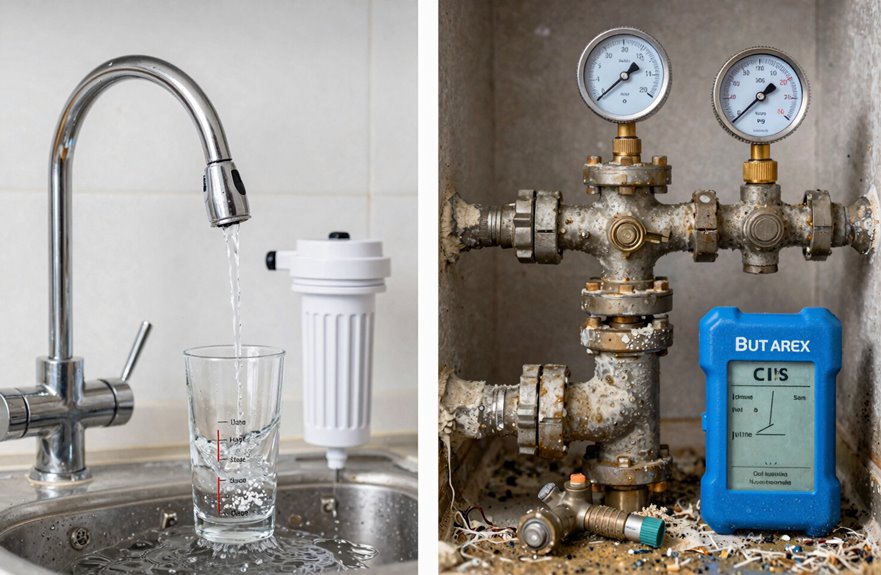
I’ll assess your water source to determine whether you need filtration or purification. Municipal tap water typically requires basic filtration for taste and sediment, while private wells demand purifiers that eliminate viruses and bacteria. Your specific risk profile depends on whether you’re handling chlorine-treated city supply or untreated groundwater, and this determines which system protects you most effectively.
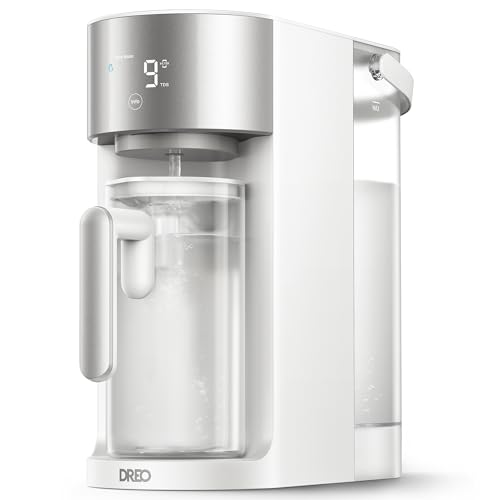
𝙀𝙛𝙛𝙞𝙘𝙞𝙚𝙣𝙩 𝙋𝙪𝙧𝙞𝙛𝙞𝙘𝙖𝙩𝙞𝙤𝙣, 𝙋𝙚𝙖𝙘𝙚 𝙤𝙛 𝙈𝙞𝙣𝙙: The DREO 7-in-1 RO water filter uses a 0.0001 μm RO membrane to reduce a wide range of contaminants; it reduces 99% of lead, chromium (hexavalent), chlorine, PFOS, and PFOA plus 97% of fluoride under laboratory conditions. It was tested by SGS meeting NSF/ANSI 58 Standards.

LONG-LASTING PERFORMANCE - Individually wrapped, high-capacity 2-year filter replacement pack designed for most standard 6-stage reverse osmosis systems
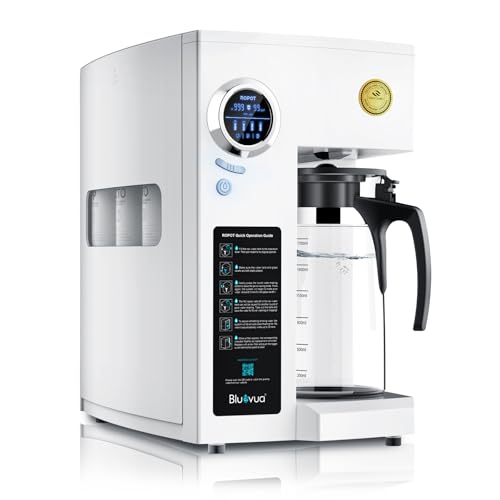
6-STAGE ADVANCED FILTRATION WITH UV LIGHT: The Bluevua RO100ROPOT-UV boasts a superior 6-stage filtration system, featuring a 0.0001μm RO membrane, including UV light and an added remineralization filter. Certified by WQA against NSF/ANSI/CAN 372 for lead-free and tested by SGS, this combination effectively reduces TDS, PFOA, PFOS, Chlorine, Fluoride, Arsenic, Lead, and more, while also enriching water with essential minerals, balancing taste and health benefits.
Source Assessment Criteria
Whether I’m drawing from city pipes or a backyard well, I need to match my water treatment to what’s actually in my supply, not just what I hope is there.
I start by asking myself three questions before choosing between treatment methods:
- What’s living in my water? Private wells hide bacteria and viruses that filtration won’t touch. I need water purification for true safety.
- How deep must I go? When facing serious pathogens, RO membranes or UV purification become necessary rather than optional upgrades.
- What’s my real risk level? Municipal sources and wells demand different standards. Filtration handles chlorine and sediment, but higher contamination risks require purification systems that eliminate what I can’t see.
My community deserves protection that matches our actual exposure, not assumptions.
Municipal Water Needs
How do I know what my water actually needs? If you’re like most of us drawing from municipal water, your supply already meets safety standards through regulated water treatment. This puts us in a different position than well owners. For our tap water, filtration typically handles what we actually want fixed: improving taste, odor, and removing particulates plus certain contaminants. I don’t need purification targeting microorganisms since our municipal water’s already treated for those. Some of us want extra confidence for drinking water. That’s when I’d consider point-of-use purification, perhaps RO with remineralization, while keeping whole-house filtration for general quality. We’re choosing refinement over fundamental safety, and that’s the appropriate choice for our shared municipal source.
Well Water Protection
Private well owners face a completely different reality than municipal water users. If you drink well water, you’re responsible for your own water treatment. Without a city infrastructure managing quality, you need serious protection against underground contaminants.
Here’s what you need to know about keeping your families safe:
- Test first, treat second – know your specific contaminants before choosing filtration or purification
- Don’t trust looks alone – clear water can still hide dangerous pathogens like Giardia and Cryptosporidium
- Layer your defense – combine filtration for taste with purification for true microbial safety
Purification methods like UV or RO are essential for well water since standard filtration won’t catch everything. Your groundwater can carry bacteria, chemicals, and runoff contaminants. You’ll need to actively manage the quality of what flows from your own taps.
Carbon, UV, or RO: Choosing the Right Technology for Your Contaminants
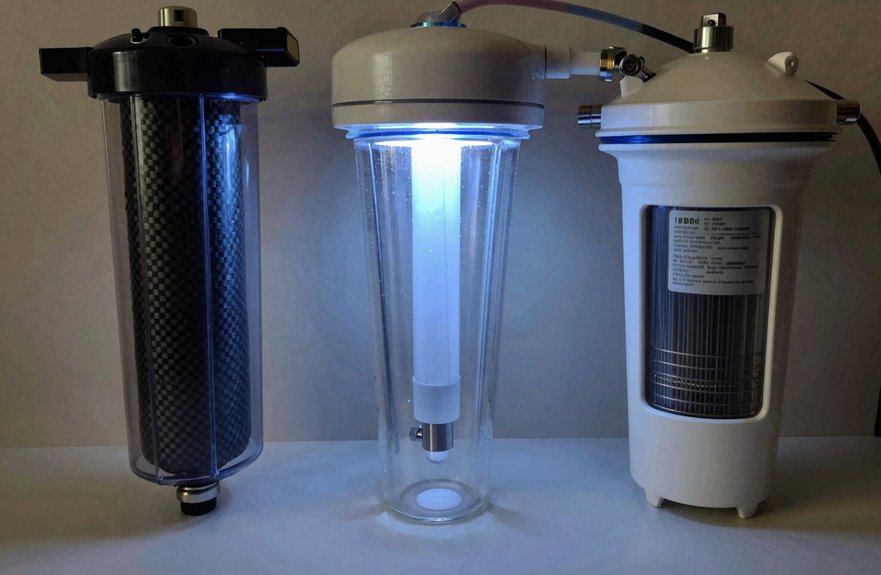
What exactly am I trying to remove from my water? That’s where we all start, isn’t it? If chlorine, funky tastes, or odors bother you, carbon filtration handles those contaminants beautifully. But carbon won’t touch viruses or dissolved minerals, so I look deeper.
Worried about bacteria, protozoa, or viruses? UV purification zaps those living threats instantly. Yet UV leaves particulates and chemicals untouched, so I’m only halfway there.
When I need comprehensive protection, RO, reverse osmosis, becomes my go-to. This purification powerhouse pushes water through a semi-permeable membrane, stripping contaminants down to 0.0001 microns, including those dissolved minerals. It delivers high-purity water that tastes clean and safe.
I often combine these technologies. Pairing carbon, UV, and RO creates a complete system addressing pathogens and chemicals together, delivering measurable protection against multiple contaminant categories.

PURIFY WATER ANYWHERE: Make sketchy water clean to drink. Ideal for outdoor adventures (hiking, camping, backpacking, fishing, hunting, bushcraft), global travel, and survival situations. Simply – Fill. Press. Drink!

YOUR LIFELINE TO CLEAN WATER ANYWHERE – Access safer drinking water from rivers, lakes, and streams during hiking, camping, backpacking, travel, or emergency preparedness, with this portable water filter straw. Drink directly from the source or collect water in a container—no batteries, pumping, or waiting required.

COMPATIBILITY. Works with Grayl 16.9 Fl Oz UltraPress Water Purifier & Filter Bottle
Whole-House, Under-Sink, or Countertop: Where Each System Works Best
Where do I actually need clean water—everywhere, or just at my kitchen sink? That question determines where your system belongs.
- Whole-house systems cover every tap and shower, catching sediment, chlorine, and basic contaminants through staged filtration from the main line. They’re for families wanting quality water across appliances, not just drinking glasses.
- Under-sink setups deliver serious filtration where you need it most. Think activated carbon plus ion exchange tackling heavy metals, cysts, and pharmaceuticals. More powerful, but hidden from view.
- Countertop options skip complex installation entirely. They’re convenient point-of-use solutions for cooking and drinking, though less comprehensive than under-sink or whole-house alternatives.
Purification demands, such as pathogen removal via RO or UV, work best under-sink or countertop where installation is manageable. Match your water goals: taste improvement calls for filtration; safety demands purification.

Individually wrapped 3-year high capacity filter replacement cartridge pack for most standard 5-stage through systems

DUAL-PURPOSE FILTRATION IN ONE CARTRIDGE - Powdered activated carbon media reduces chlorine taste and odor while filtering sediment particles down to 5 microns for cleaner, better-tasting water

CLEANER, BETTER-TASTING WATER - Reduces bad taste and odor, including chlorine taste and odor, for good general-purpose drinking water throughout your home.
Do Purifiers Remove Healthy Minerals? (And Should You Care?)
Some purifiers do strip away calcium and magnesium, especially RO systems. If you’re relying on water for essential minerals, you’ll want to look at how different technologies affect mineral content or consider systems with built-in remineralization stages. The following sections break down what actually gets removed and how you can restore those healthy minerals if you choose to.

Whole home filtration system: Filtered water for your whole home

Rated at 50 micron. Whole House Spin Down Sediment Water Filter. Ideal frontier water filter in whole house water filter system, protecting your entire plumbing system from sediment, rust, dirt, sand, and large particles. NOTE: Screens with 50 or 100 microns may be clogged very soon for water with high sediment content. Contact us for screen replacement in different size.

❄️ Recognized Certification - Food Grade Material Meets European EC1935-2004 Regulations, Australia Water Mark, REACH, BPA FREE Certified. The filter reduces up to 99% of Chlorine, sand, rust, sediment, color. This kind of filter is recommended for tap water filtration. ❄️If your water source is well water, this filter may not achieve the filtering effect you expect. Check out our another product. Search “B01N9024NF” for well water filtration.
Mineral Removal Effects
Why does mineral content matter when choosing between filtration and purification? Purification systems, especially RO units, remove beneficial minerals along with contaminants. Remineralization stages address this issue.
What you should know about protecting essential minerals:
- RO remineralization stages actively restore calcium and magnesium that reverse osmosis removes
- AK remineralization filters (like those in RCC7AK systems) specifically balance pH while adding minerals back
- Mineral preservation matters because drinking demineralized water long-term isn’t ideal for our bodies
Check for mineral restoration features in your system. Without them, you lose natural mineral benefits. Whether you choose basic filtration or full purification, a system with remineralization provides balanced water with the minerals your body needs.
Remineralization Options
Purification strips water of more than just contaminants; it takes beneficial minerals with it. Whether that matters depends on what you want from your water.
Remineralization filters solve this problem by adding minerals back into water. Many modern RO systems now include alkaline remineralization stages that restore calcium and magnesium. The RCC7AK model does exactly this, balancing taste and mineral content so your water doesn’t feel flat or lifeless.
Without remineralization, you’re drinking what’s essentially distilled water. With it, you get that crisp, bottled-water quality commonly recognized in commercial products. If you prioritize both purity and mineral content, choose a system with built-in remineralization. You’ll notice the difference immediately.
Installation, Maintenance, and Cost: Filter vs. Purifier Realities
How do filtration and purification actually shake out when I’m standing in the hardware aisle weighing installation effort, upkeep demands, and my wallet? I break it down like this.
- Filtration wins on simplicity. Basic carbon or sediment units slip under my sink with minimal tools, and filter replacements run cheap every few months.
- Purification asks more of me. UV/RO methods demand higher upfront cost, professional help, and trickier maintenance costs down the road.
- My water source decides for me. Municipal supply? Filtration handles taste fine. Private wells? I’m leaning toward purification for biological threats.
Filtration versus purification requires matching your installation options to your actual contamination risk. This prevents overspending on unnecessary systems or underprotecting your home with inadequate treatment.

High-Flow 12GPM :uv light water treatment experience powerful purification, filling a 200ml cup in just 3 seconds. Designed specifically for Whole House Reverse Osmosis systems, this 55W UV filter ensures every drop is treated effectively without sacrificing water pressure.
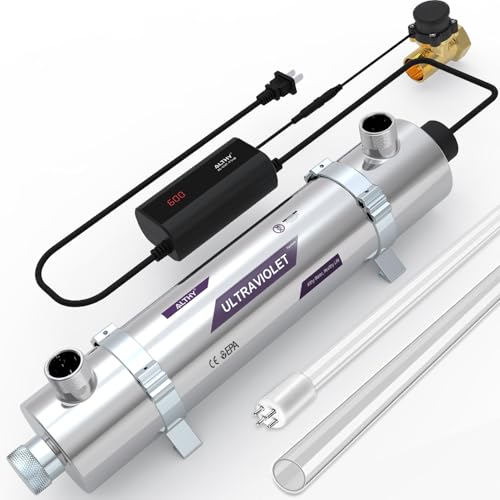
Whole-house water treatment: As an upgraded version, ALTHY UV͎F-FS48 is the perfect step to add to your whole-house water filtration system, ALTHY powerful UV͎-C technology , allowing you to enjoy all the water in your home with peace of mind.
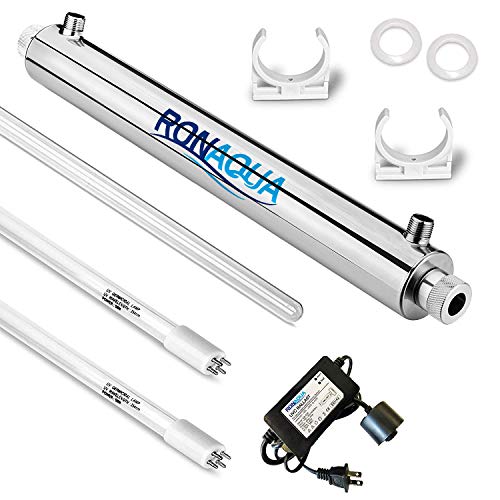
💎 IMPROVES QUALITY OF HOME DRINKING WATER – with the most advanced Ultraviolet technology, UV water sterilizer system is the most effective disinfection solution for germs, for example, E. coli, coliform, Giardia, Salmonella etc. especially for well water, it’s safe to drink after the purification. Protects your family from waterborne contaminants including microorganisms
NSF Certifications That Actually Matter for Filters and Purifiers
Once I’ve narrowed down whether I need filtration or purification based on installation and cost, I encounter another source of confusion in the aisle: certification labels. NSF certifications provide third-party verification of filter performance. When I spot NSF/ANSI 58, I know that reverse osmosis system underwent rigorous testing for contaminant reduction rather than relying on marketing claims alone.
However, I need to check certification scope carefully. A stamp does not mean everything is covered; it lists only the specific contaminants tested. This is why brands like iSpring RCC7 are valuable; they clearly display NSF/ANSI 58 validation for lead, arsenic, and other harmful substances.
| What I Look For | Why It Matters to Me |
|---|---|
| NSF/ANSI 58 | Validates reverse osmosis performance |
| Third-party verification | Confirms independent lab testing |
| Contaminant reduction list | Shows exactly what’s removed |
| Certification scope | Reveals testing limitations |
| iSpring RCC7 example | Trusted model with clear credentials |
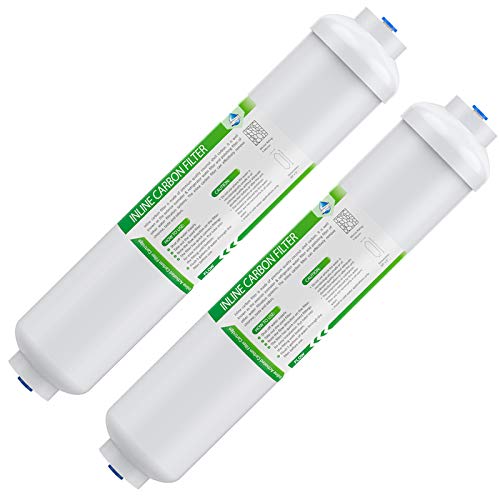
CHECK BEFORE YOU BUY - This 1/4" Quick Connect filter fits push-to-connect (JG style) fittings with 1/4" PE tubing only. It will not work with threaded fittings. For 1/4" to 3/8" stem fittings (for 3/8" pipe), search ASIN B0G281QN7X. For stem elbows and tees (for RO systems with a pressure tank), search ASIN B0G287SFCF.

Note: This wrench itself is not 10 inches! it is used for 10 inches RO Filter Housing! The height of the RO Filter Housing is ten inches

3 STAGE Reverse Osmosis drinking water filtration system down to 0.0001 micron,Reduce TDS,Heavy Metal,Arsenic,Lead,Mercury,Fluoride ,Chlorine and more .Special design for your aquariums use or residential use. Experience fresher healthier baby formula,tea and coffee,better tasting foods and crystal clearer ice cubes
Which Should You Buy? A 3-Minute Decision Framework
Where do I even start when the aisle offers everything from pitcher filters to UV purifiers? I’ve been overwhelmed by the filtration vs purification debate. This simple decision framework will get you sorted in three minutes:
- Check your water source – Municipal tap? A filter handles basic contaminants removal. Well water or travel? You need water purification with virus removal capability.
- Understand log removal – Filtration hits 99.99% (log-4) for some contaminants, but viruses slip through. Purification targets 99.99%+ log removal for biological threats.
- Match your risk tolerance – Camping or immunocompromised? Don’t gamble; purification is essential. Just improving taste? Filtration is sufficient.
Choose based on actual threats, not marketing hype. This directly determines whether viruses and biological contaminants are removed from your water.
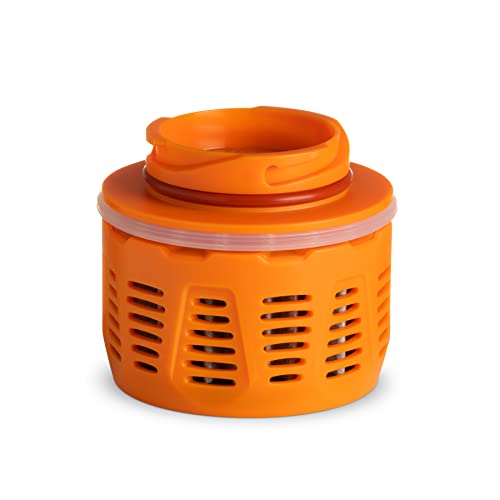
COMPATIBLE WITH GRAYL GEOPRESS Water Purifier Bottle and One-Way Electrolyte and Drink Mix Valve (not included), this cartridge provides OnePress global protection for drinking water from sketchy sources

COMPATIBLE WITH GRAYL GEOPRESS Water Purifier Bottle and One-Way Electrolyte and Drink Mix Valve (not included), this cartridge provides OnePress global protection for drinking water from sketchy sources
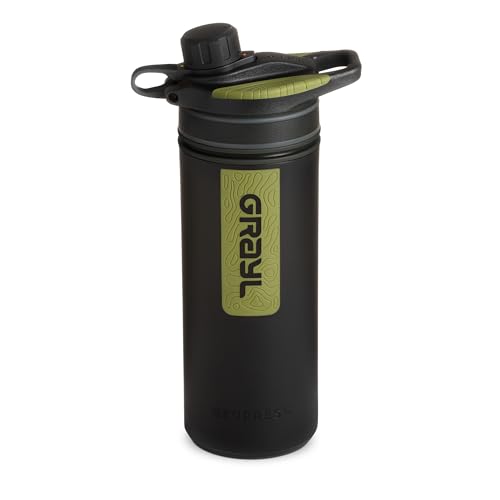
PURIFY WATER ANYWHERE: Make sketchy water safe to drink. Ideal for outdoor adventures (hiking, camping, backpacking, fishing, hunting, bushcraft), global travel, and survival situations. Simply – Fill. Press. Drink!