I’ve tested seven mulch alternatives in my coastal South Carolina garden, and rock mulch with quality weed barrier fabric lasts 15–20 years with minimal upkeep. Lava rock endures decades, while crushed granite fines need topping every 2–4 years. Rubber mulch cushions play areas but carries heat and chemical concerns. Pine straw acidifies soil affordably yet requires twice-yearly replenishment. Free compost feeds plants but invites weeds. Living groundcovers mature into self-sustaining coverage after $4–$8 per square foot upfront. Each option demands different maintenance, and the long-term costs and labor requirements vary significantly based on your garden’s specific conditions.
[link-whisper-related-posts]Do Rock Mulch Alternatives Actually Stop Weeds? What Murrells Inlet Gardeners Learned
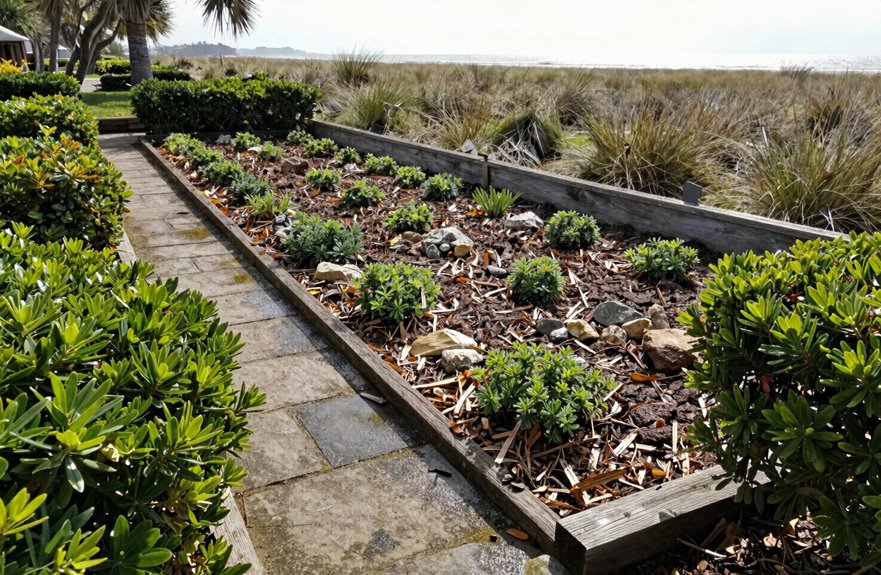
Why do so many gardeners assume rocks alone will kill weeds? I’ve watched neighbors in Murrells Inlet spread river rock or pea gravel, then wonder why dandelions poke through within months. Rock mulch alternatives only work when you’ve installed a proper weed barrier first. Without it, seeds settle in gaps and thrive.
I’ve tried crushed granite fines for paths and lava rock near my foundation. Both require that barrier layer. In our sandy soil, rocks don’t feed anything; they just sit there looking tidy until weeds exploit every crack. I blow leaves monthly and spot-treat seasonally, but that initial barrier installation is essential. Skip it, and you’re raking gravel forever.
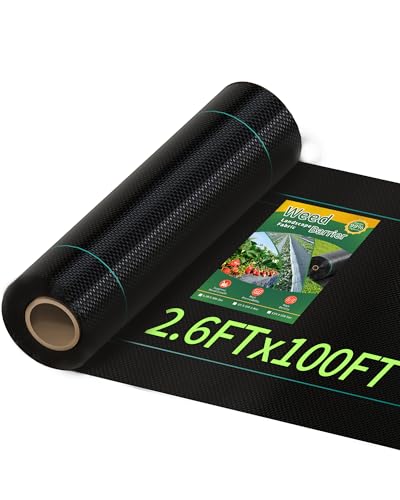
Weed Control: Woven polypropylene physically blocks sunlight to prevent weed seed germination, keeps flower beds, vegetable gardens, and landscaping weed-free without chemical herbicides.
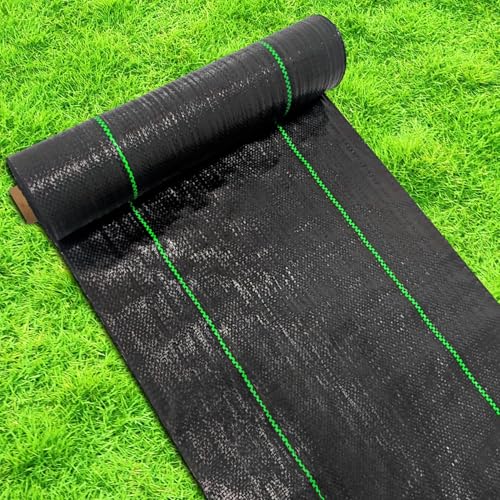
Weed Blocking Landscape Fabric:Groweco Heavy Duty Weed Barrier Fabric is made of 3.2 oz polypropylene.The use of weeding cloth can provide weed protection for you,make your workplace clean and hygienic,make your work more comfortable and improve your work effciency

WHAT'S IN THE BOX: One 3 ft x 50 ft non-woven roll covering 150 sq ft, plus 20 steel landscape pins
Why Barrier Fabric Matters More Than Your Ground Cover Choice
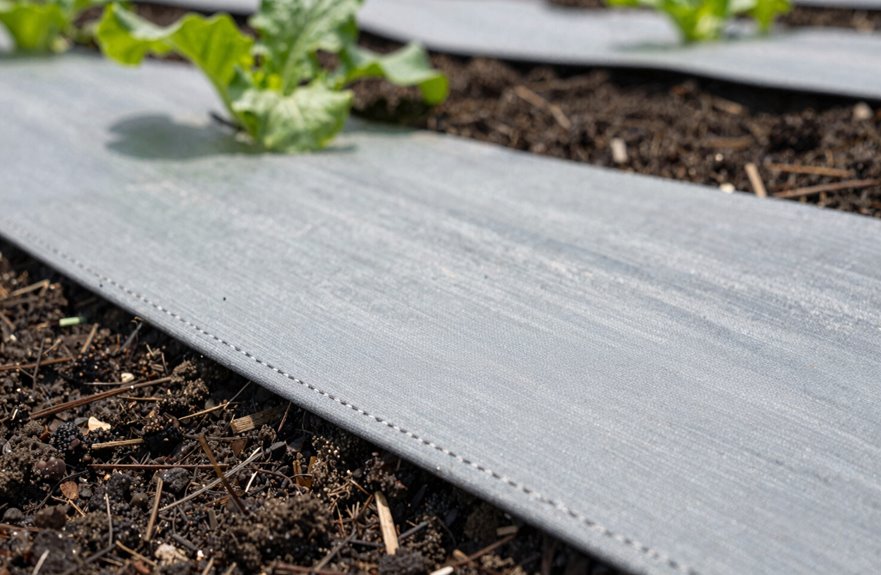
How much does your ground cover actually matter if what’s underneath fails? Barrier fabric is the real foundation of a low-maintenance garden, not whatever decorative layer sits on top.
When I install quality barrier fabric first, I’m protecting my investment in lava rock or decorative stones. I cut small, precise holes for plants to minimize weed entry points. This upfront work dramatically extends the time between replacements and reduces what I spend annually.
Some maintenance remains. I still blow leaves and pull occasional weeds where erosion occurs. But pairing durable barrier fabric with long-lasting ground covers means fewer top-ups and less yearly hassle. Gardens that demand constant attention waste time and money. Get the barrier right, and everything above it performs better.

PROFESSIONAL LANDSCAPE ADHESIVE - Easy-to-spray mulch and rock glue for keeping landscaping pristine and beautiful year-round

PROFESSIONAL LANDSCAPE ADHESIVE - Easy-to-spray mulch and rock glue for keeping landscaping pristine and beautiful year-round

PROFESSIONAL LANDSCAPE ADHESIVE - Easy-to-spray mulch and rock glue for keeping landscaping pristine and beautiful year-round
Is Rubber Mulch Safe? Chemical and Heat Concerns for Pet Owners
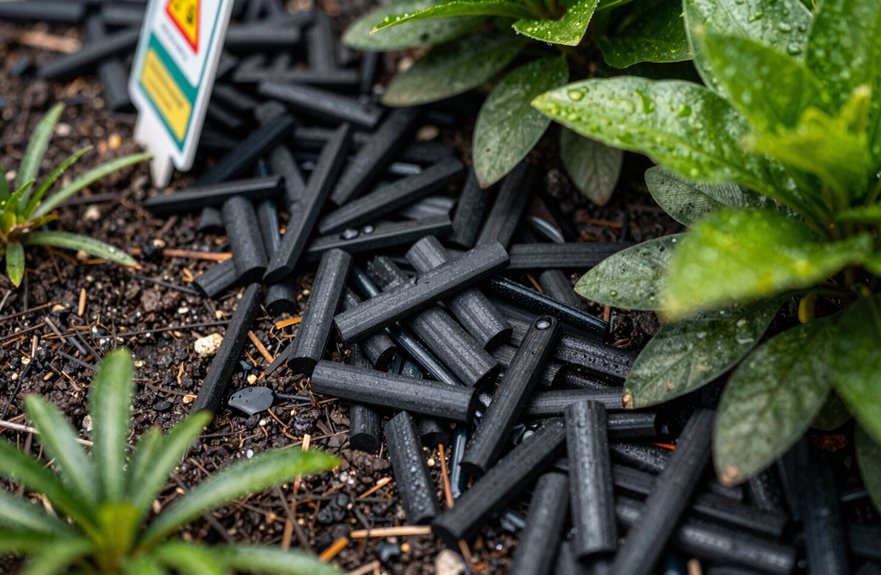
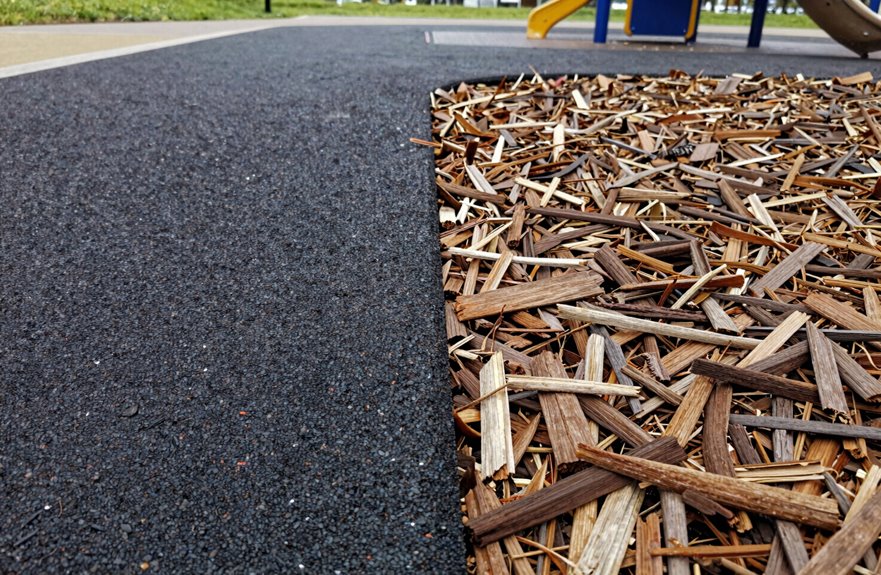
What exactly are you paying for when rubber mulch runs $6–$9 per square foot? You’re buying a surface that cushions paws and holds color for years, but you should verify safety before allowing pets to play on it.
Consider these concerns: rubber mulch absorbs heat, sometimes pushing soil temperatures high enough to stress roots. Chemical leaching has been documented in some products. Before purchasing, verify ASTM safety standards. Look for playground-grade labeling and confirm the product is wire-free and toxin-free.
Rubber mulch provides zero organic matter, so it won’t feed your soil. It does require minimal maintenance beyond occasional blowing. However, once installed, relocating it is difficult.

100% Organic Material Our pine straw mulch is sourced from sustainable pine forests in the USA, providing an eco-friendly and natural landscaping solution. This premium pine needles mulch is ideal for gardens, trees, and flower beds.
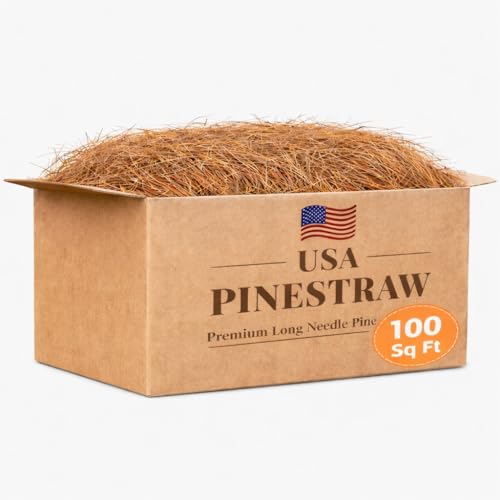
100% Organic Material Our pine straw mulch is sourced from sustainable pine forests in the USA, providing an eco-friendly and natural landscaping solution. This premium pine needles mulch is ideal for gardens, trees, and flower beds.

COVERS UP TO 240 SQ FT – Ideal size for flower beds, shrubs, walkways, and small landscaping projects. Provides consistent, attractive ground coverage.
Does Pine Straw Work in Coastal South Carolina?
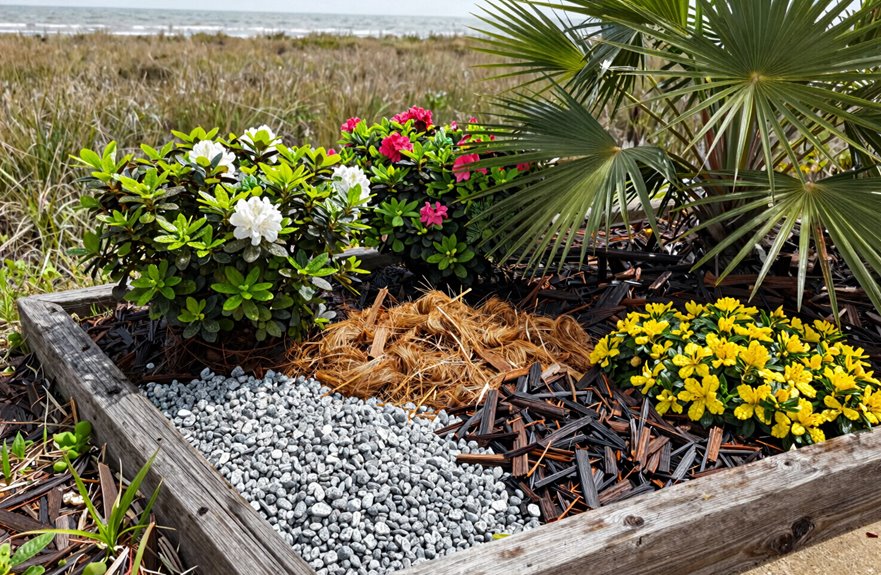
Where does pine straw actually fit in a coastal South Carolina garden? I’ve found it works best when you embrace its quirks rather than fight them.
Pine straw stays affordable at roughly $0.15–$0.25 per square foot, and it acidifies soil for azaleas. In coastal South Carolina, those needles decompose slowly, sometimes not even breaking down within a single season, so I use them where I want lasting coverage, like walkways and low-traffic beds.
I don’t rely on pine straw for pH management long-term; I add lime when my soil needs nudging toward 6.0–6.5. Wind grabs at it here, and I’ve learned to replenish twice yearly for decent weed suppression. It’s flammable too, so I keep it away from structures. For coastal gardeners, it’s a practical, familiar resource with specific limitations worth planning around.
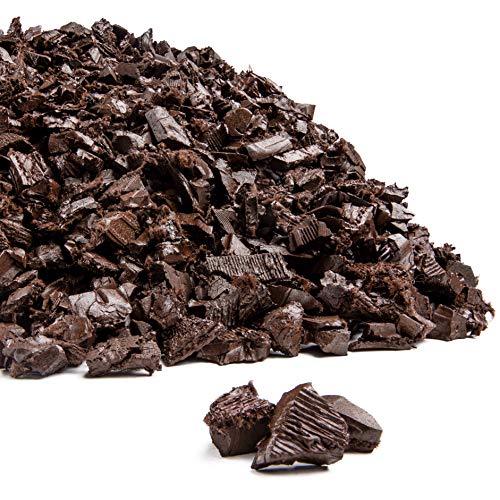
CREATE A SAFER PLAY AREA - Playsafer rubber mulch is IPEMA Certified and helps reduce the risk of injury on playgrounds and play areas

【Recycled Rubber Mulch Roll】Crafted entirely from recycled rubber tires, our mulch mat serves as a long-lasting alternative to traditional mulch, eliminating the need for annual messy and costly re-mulching. It remains firmly in place without scattering or floating, enduring all weather conditions for years.
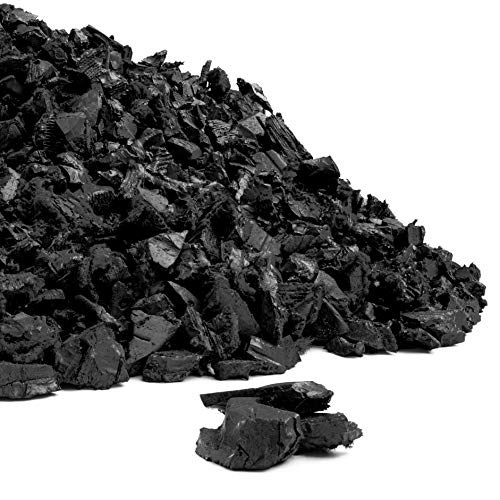
CREATE A SAFER PLAY AREA - Playsafer rubber mulch is IPEMA Certified and helps reduce the risk of injury on playgrounds and play areas
When Free Compost Beats Bagged Mulch (and When It Doesn’t)
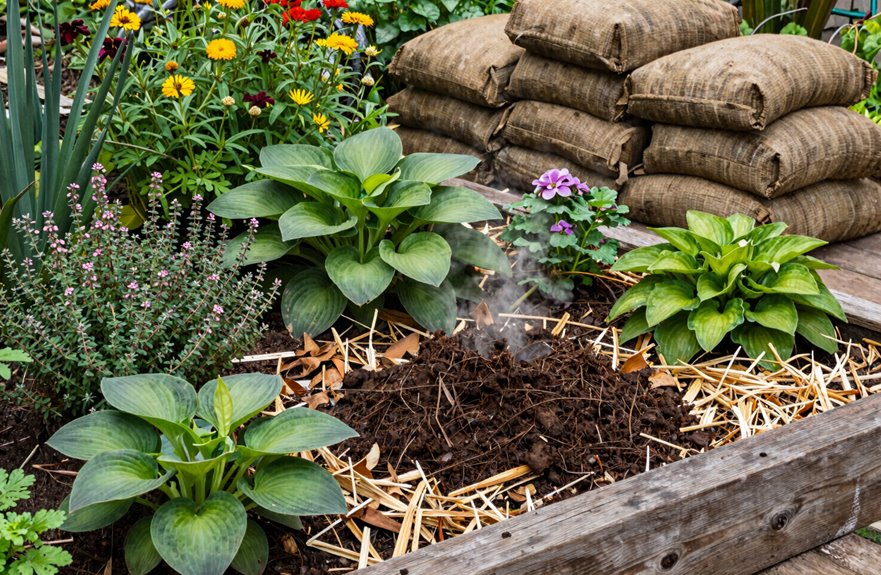
Though I’ve mulched entire beds with free compost from municipal piles, it’s not always the smart choice it appears to be. It warms soil fast and feeds hungry plants, but I’ve battled surprise weeds for seasons after. Municipal piles rarely guarantee seed-free material.
I reach for free compost when I’m filling raised beds or boosting vegetable rows where I’ll cultivate regularly. It saves money and jump-starts microbial life.
But in my perennial borders and weed-sensitive spots, I spring for certified weed-free mulch instead. That premium compost costs more upfront, but it prevents weed seeds from establishing in areas where they’re difficult to manage.
You’ll face the same trade-off: free compost delivers nutrition cheaply, while true weed-free mulch protects your investment. Choose based on where you can afford surprises and where you can’t.

【Premium Weed Barrier Fabric】 Weed barrier landscape fabric is a type of geotextile fabric that is commonly used in landscaping and construction. With excellent weed control properties, providing a clean and tidy landscape. Very strong and durable, Pro landscape weed barrier will provide you with premium weed protection for a very long time.

Weed Control Friendly: Made of heavy-duty professional grade polypropylene material, durable, sturdy and corrosion resistant. Prevents unwanted weeds from germinating without chemicals. Keeps your soil healthy and doesn't harm the ecosystem of your yard while allowing your plants to thrive

Professional Grade Weed Barrier: LAVEVE weed barrier fabric is made of woven polypropylene material. Its high-density and permeable characteristics effectively stop weed growth and protect soil health so your plants can grow well.
Which Stone-and-Fabric Systems Last 15+ Years Without Replacement?
I want to show you how to choose stones that will last and install fabric that performs reliably. Not all rockscapes are created equal, and the wrong stone or poor fabric work will have you rebuilding beds in five years. The difference between 15-year systems and costly failures comes down to specific material and installation choices.

The information below is per-pack only

PROFESSIONAL LANDSCAPE ADHESIVE - Easy-to-spray mulch and rock glue for keeping landscaping pristine and beautiful year-round
Stone Selection Criteria
River Rock gives us that polished, riverbed look with excellent drainage, though you’ll join the weekend leaf-blowing club. Crushed Granite Fines create firm, natural pathways at budget-friendly rates, but watch those slopes; I’ve seen them wash out without attention.
For true longevity, pair your stone with high-grade landscape fabric carrying 30-year guarantees. Rockscape systems hit that 15–20 year mark at $5–$10 per square foot. Lava Rock lasts decades with minimal fuss, though shipping costs sting and sharp edges aren’t barefoot-friendly.
Choose stone that fits how you actually live, not how you imagine living.
Fabric Installation Essentials
Stone selection means nothing if the fabric beneath fails. Building stone-and-fabric systems that last 15+ years requires choosing landscape fabric backed by a 30-year guarantee. Here’s what gardeners rely on:
- Cut small holes for plants to block weeds while letting roots breathe
- Secure edges with large rocks to prevent shifting and exposed pathways
- Pin fabric firmly with landscape staples before adding stone
- Choose lava rock paired with durable fabric for 15–20 year coverage
- Plan incremental planting to minimize future fabric disruption
Overlap fabric seams and select soil-friendly stones like Flower Rock for complete coverage. This approach creates beds that perform consistently; less replacement, fewer weeds, and more time enjoying gardens built to outlast trends.
Rock Mulch vs. Groundcovers: Which Needs Less Weeding?
I’ve spent years battling weeds in both stone beds and groundcover patches. Rock mulch demands relentless fabric maintenance and spot-weeding, while living groundcovers need upfront irrigation and installation costs but eventually choke out weeds on their own. You’ll trade annual leaf-blowing and fabric repairs for a few seasons of watering and patience. The real question isn’t which eliminates weeding entirely; it’s whether you’d rather fight fabric failures forever or nurture a living carpet into self-sufficiency.
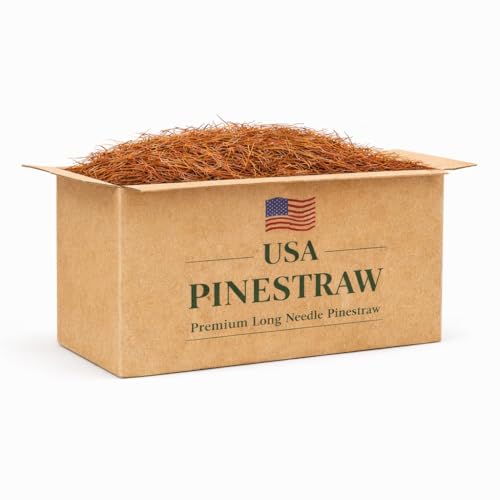
100% Organic Material: Our pine straw mulch is sourced from sustainable pine forests, providing an eco-friendly and natural garden solution.

100% Organic Material Our pine straw mulch is sourced from sustainable pine forests in the USA, providing an eco-friendly and natural landscaping solution. This premium pine needles mulch is ideal for gardens, trees, and flower beds.

Superior Quality: Experience premium, long needle pine mulch for unmatched landscaping results.
Rock Mulch Weeding
When I switched from bark mulch to river rock in my front beds, I expected weeds to disappear, but I learned quickly that rock mulch demands its own maintenance routine. Proper weed barrier installation makes all the difference between fighting constant invaders and enjoying clean beds.
What my fellow gardeners need to know about keeping rock beds tidy:
- River rock and pea gravel last 10+ years but still need annual leaf-blowing to stop weed seeds from rooting
- Crushed granite fines need top-dressing every 3–4 years since they deliver zero organic matter
- Lava rock resists mold for decades yet requires sharp, quality fabric to block determined weeds
- Rockscape installations reduce maintenance to 15–20 years when you invest in proper barrier placement
- Without renewing your weed barrier before heavy pressure, weeds exploit every fabric edge
Groundcover Maintenance Needs
Rock mulch requires its own rhythm of care, but I wanted to know how it compares to living groundcovers regarding actual time spent pulling weeds.
I’ve learned that rock ground cover lasts decades. River rock goes 10+ years, but you’ll contend with weeds without quality fabric and annual leaf-blowing. That heat radiating off stone stresses roots too.
Living groundcovers compete with weeds naturally once established, yet you’re paying $4–$8 per square foot upfront and managing them with irrigation and trimming through those first seasons.
Both paths need that strong weed barrier underneath. For rocks, you’re checking fabric integrity and topping off crushed granite every 2–4 years. For plants, maintenance shifts from weeding to shaping. Neither option is maintenance-free, but groundcovers become self-sustaining coverage once they mature.