
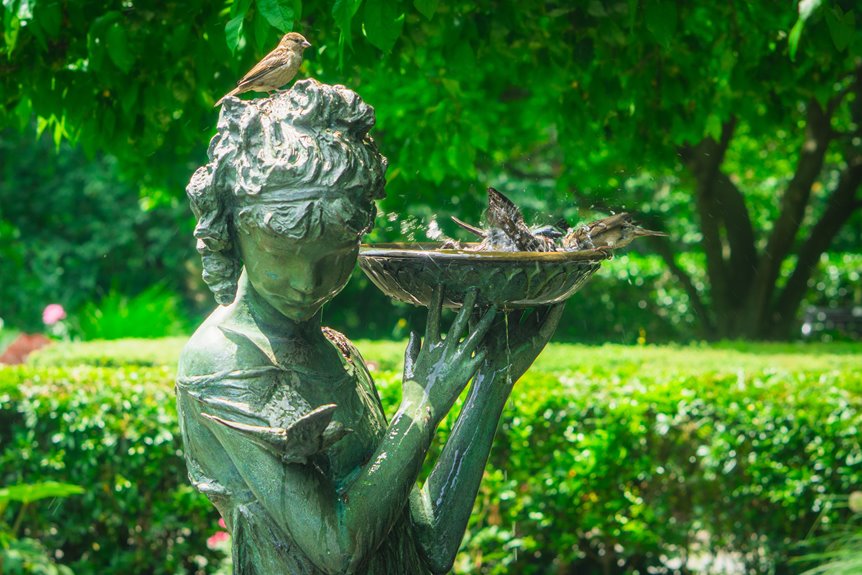
Bird baths attract mosquitoes because standing water provides an ideal environment for egg-laying.
When water sits still for about a week, larvae mature into biting adults.
Breaking this cycle requires changing water weekly and adding motion with drippers or fountains.
Bird-safe Mosquito Dunks can be used when needed.
These simple steps keep feathered visitors happy without turning your yard into a mosquito nursery.
[link-whisper-related-posts]How Bird Baths Become Mosquito Breeding Grounds
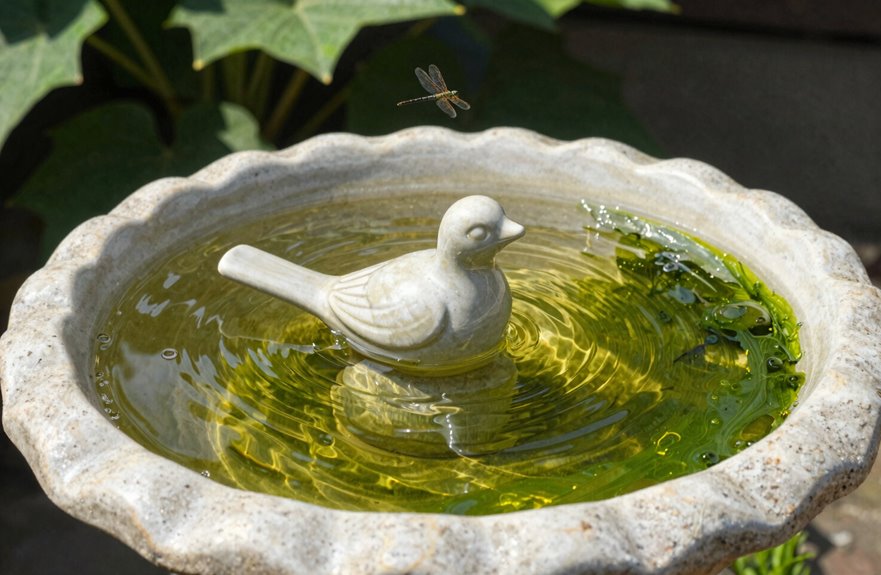
Although I love watching birds splash around my backyard bath, I’ve learned that same still water creates perfect conditions for mosquitoes to multiply. When I forget to refresh my bath for about a week, I’m basically providing ideal breeding conditions for these pests.
Standing water in bird baths becomes a nursery for mosquito larvae, those wriggling creatures we sometimes spot. Shaded baths with fallen leaves breed them even faster. Saucers and small containers do the same when neglected.
Simple solutions work effectively. I change my water regularly and add gentle agitation. Mosquito Dunks help too; they target larvae without harming birds. Regular maintenance and these methods prevent mosquito populations from establishing in backyard bird baths.

Mosquito Dunks 6's - Biological Mosquito Control

Each Chunk kills mosquito larvae for 30 days or more.
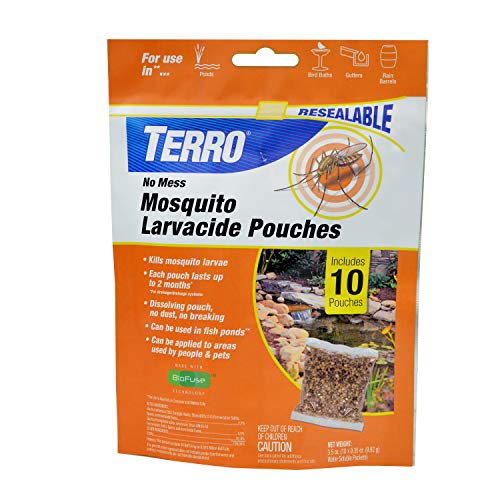
KILLS MOSQUITO LARVAE: TERRO T1210 kills mosquito larvae when added to stagnant water
How Fast Mosquitoes Take Over Your Bird Bath

A simple bird bath can transform into a mosquito factory with remarkable speed. Given the right conditions, mosquitoes can lay eggs and complete their entire larval development in roughly a week. Stagnant water left untouched for 7–10 days becomes prime real estate for breeding. The following breakdown covers exactly how fast egg laying happens, what timeline larvae follow, and which specific conditions accelerate this takeover so you can stay ahead of the problem.

Formulated to release effective levels of BTI for a period of 30 days Or More


Convenient Mosquito Larvae Pouches Set: Includes 142g mosquito larvae pouches plus 1 g, 2.5 g, 5 g, 7.5 g, and 15 g measuring spoons; treats about 132-18744 gallons and works up to 150 days to help stop larvae from becoming biting adults (Contains 4.25% S-methoxyfenozide. Pet-safe when used as directed. Avoid ingestion — toxic if large amounts eaten.)
Egg Laying Speed
Mosquitoes waste no time turning your bird bath into a nursery. Eggs appear within 48 hours of stagnant water settling. Here’s what you’re dealing with:
| Condition | Egg-Laying Risk |
|---|---|
| Still water | Immediate |
| Weekly changes | Disrupted cycle |
| Moving water | Deterred |
Undisturbed baths invite females to deposit eggs on damp surfaces or directly in calm water. Once laid, eggs hatch fast, sometimes in a day or two under warm conditions. Changing water regularly breaks the cycle before it starts. Adding drippers creates surface motion that signals an unsuitable environment to egg-seeking females. These two practices keep your bath safe for birds instead of mosquitoes.
Larval Development Timeline
Once eggs hit the water, the clock starts ticking. Mosquitoes need standing water for roughly a week to transform from egg to wriggler to adult. That 7–10 day window is all they require, and your bird bath, if left still and undisturbed, offers the perfect nursery.
To stay ahead of mosquito development, disrupt that standing water habitat by refilling with fresh water regularly. Add movement through drippers or small fountains that break the surface tension larvae need. Clean and drain your bath weekly, and always after rainstorms when standing water accumulates fastest.
These simple steps break the mosquito lifecycle before they reach adulthood, allowing you to protect your birds while keeping mosquitoes out of your yard.
Breeding Cycle Conditions
How quickly can a simple bird bath become a mosquito factory? I’ve learned it takes about a week of standing water for larvae to mature into adults. That’s all the time they need.
When I let my bird bath sit stagnant, I’m basically rolling out the welcome mat. Standing water with decaying leaves or algae becomes their perfect nursery. I’ve noticed that without turnover, my bath transforms from a bird haven into a breeding ground.
What works effectively is refreshing the water regularly. Every few days, I empty and refill, breaking their cycle before they can emerge. A small fountain or agitator also helps, since mosquitoes cannot breed in moving water. When I stay on top of it, my birds stay healthy and my yard remains mosquito-free.
Flush Your Bird Bath Weekly to Break the Breeding Cycle
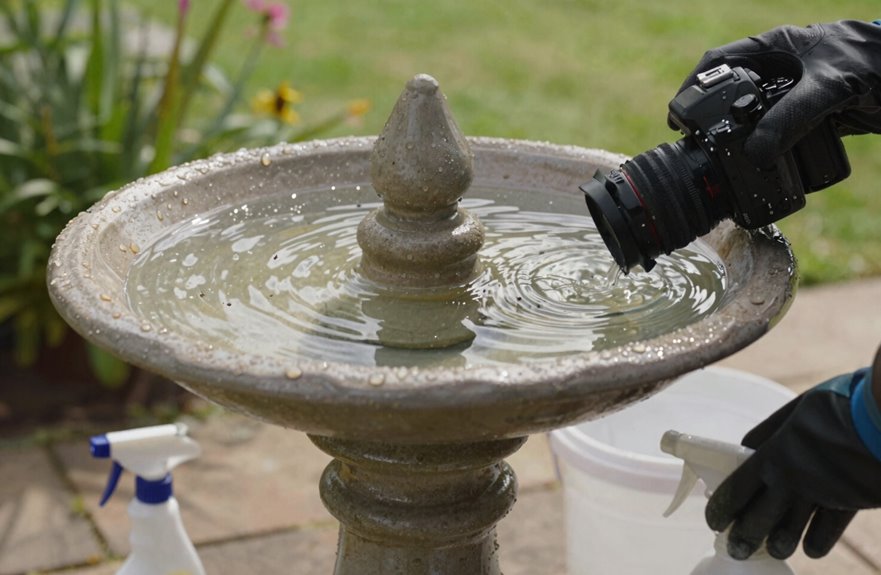
I flush my bird bath every week because that’s all it takes to stop mosquitoes from completing their life cycle. You’ll want to empty the basin completely and refill it with fresh water, or simply use your hose to blast out the old water and any lurking wrigglers. Either method works; just pick one and stick to it so those eggs never get their seven days to hatch.
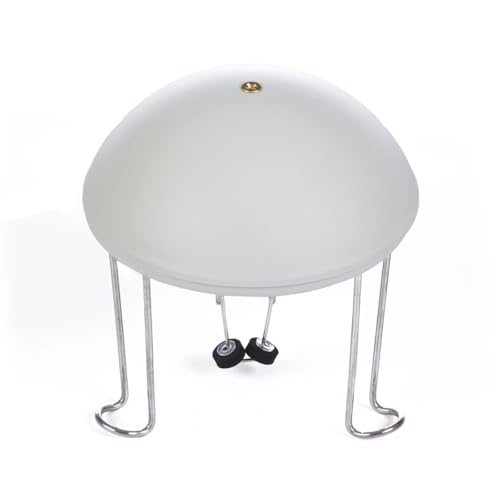
Water agitator for bird baths; attracts birds discourages mosquitoes

SOLAR POWERED FOUNTAIN PUMP: Mademax solar birdbath fountain only needs 3 seconds to operate automatically in direct sun, with a spray height of 4–27.5 inches (10-70cm). No electricity or battery needed. (Solar fountains does not store energy, can not work on cloudy days or night, please make sure the product is used in direct sunlight, and it is recommended to use it in clean water, which will prolong the life of the product

Natural Green Pipe, 26 Even Water Outlets: Green tube integrates seamlessly with garden plants, no harsh artificial white pipe look to frighten timid birds. 26 holes deliver evenly spread water to attract wild birds
Weekly Water Changes
Why let your bird bath become a mosquito nursery when a simple weekly routine solves the problem? I change my water every seven days because mosquitoes need still water for about a week to complete their life cycle. This weekly disruption stops eggs from hatching and larvae from developing.
I drain and refill during my regular yard work, making it part of my routine. Fresh water keeps the bath inviting for birds but hostile to mosquito larvae. I also check other containers around my yard while I’m at it, reducing breeding spots beyond just the bath.
I pair my water changes with a simple dripper for extra protection. The motion further discourages larvae and brings more birds to my garden. This combination of weekly water changes and water movement effectively prevents mosquito breeding while creating a more active bird bath environment.
Empty and Refill
When’s the last time you flushed your bird bath with a hose? You’ve probably let it slide, and we’ve all been there. Standing water sits quietly for days, and that’s exactly when mosquitoes move in. They need about a week to transform from eggs to larvae, so I’m breaking their cycle by emptying and refilling weekly.
I dump everything, scrub the basin, and refill from my rain barrel or fresh tap. Smaller baths make this feel effortless, not a chore. This weekly reset keeps wrigglers from becoming biters and protects the birds and wildlife I share my space with. I’m not adding chemicals or overthinking it, just consistent water changes. It’s the straightforward routine that keeps my bird bath welcoming and mosquito-free.
Hose Flush Method
A quick blast from the hose does more than rinse away debris. It actively flushes out mosquito larvae before they can mature. Making this part of a weekly routine interrupts their development cycle, since mosquitoes need standing water for about a week to develop into biting adults.
Direct the stream to agitate the basin’s edges where wrigglers cling, and watch them wash away. This keeps the bath inviting for birds while making it useless for egg-laying mosquitoes seeking stagnant pools.
Follow up by refilling with fresh water right away. Weekly flushing prevents mosquito breeding cycles and reduces pest populations in your yard.
Add Motion to Your Bird Bath With Drippers and Fountains
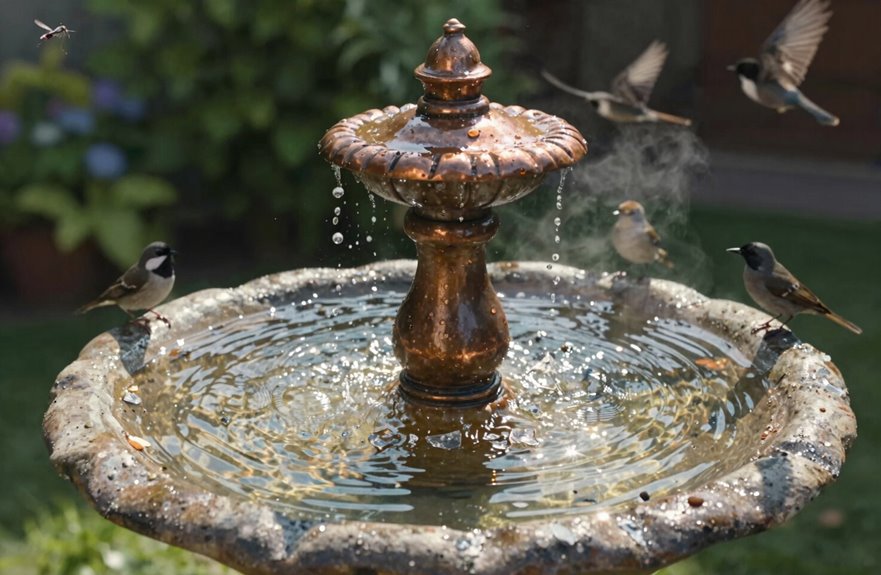
Stop mosquito breeding in its tracks by adding motion to your bird bath. Mosquitoes can’t lay eggs on moving water, so a drip system or fountain keeps them away naturally.
You don’t need fancy equipment. Hang a repurposed plastic jug from a tree branch, adjust the flow to a steady drip, and watch the surface ripple constantly. This gentle motion won’t bother your birds; they’ll actually prefer the fresh, circulating water.
The key is consistency. Check your drip source regularly and refill it to maintain that protective movement. For a polished look, camouflage or paint the setup so it blends into your garden. Creating spaces where birds thrive and mosquitoes don’t stand a chance is achievable with this simple approach.

This safe but fast-acting enzyme-based formula reduces and eliminates muck, dead leaves, odors

Easy Birdbath Maintenance: Creates cleaner birdbath water and clearer surfaces by reducing mineral buildup, stains, and organic matter, helping maintain a fresh outdoor environment.

NO MORE DIRTY WATER: Keep fountain water clean with our water fountain bird bath cleaner. One ounce can treat 5 gallons of water for one week, keeping your water fountain for bird bath clean & clear.
Use Mosquito Dunks Safely in Bird Baths
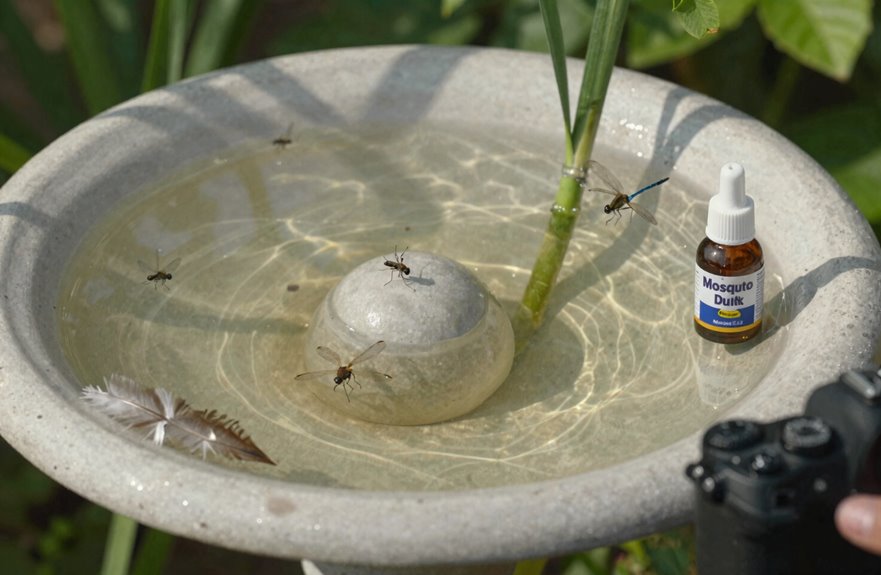
I use Mosquito Dunks in my bird bath because they’re completely harmless to birds and other insects while releasing larvicide that stops mosquito eggs from becoming adults. The product’s safety profile is straightforward, and the application method is simple. When paired with proper maintenance and water circulation, Dunks work far more effectively than using them alone.

Kills Mosquito Larvae Before They're Old Enough To Bite

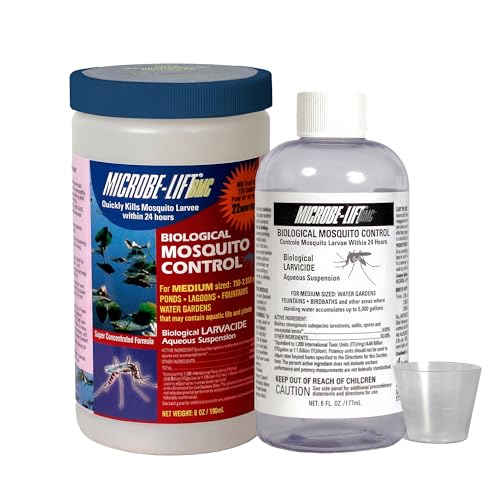
THOROUGH MOSQUITO CONTROL: EPA registered product that kills developing mosquitoes including those which may transmit equine encephalitis & heartworm disease to dogs & cats; Limit the spread of West Nile Disease with effective mosquito control using BMC
Product Safety Profile
How do I keep my bird bath mosquito-free without putting birds at risk? Mosquito Dunks containing Bti are an effective solution. They release a targeted larvicide that stops mosquito breeding without harming birds, bees, or butterflies. You can drop them directly into the water.
What I’ve learned about keeping my backyard safe for everyone:
- Bti only affects mosquito larvae, so songbirds stay completely protected
- You’re not disrupting the ecosystem your feathered friends rely on
- The active ingredient breaks down naturally, so you’re not adding persistent chemicals
- Pair Dunks with gentle water movement to double your defense against mosquito breeding
Using Bti responsibly lets you protect your birds while keeping mosquitoes from taking over your space.
Application Best Practices
Where exactly should you place a Mosquito Dunk for maximum protection? Drop yours directly into the water where it’ll slowly release its larvicide, keeping mosquitoes from ever reaching adulthood. You’re protecting your feathered friends without harming them, as it’s completely safe for birds and most wildlife.
Pair your dunk with a small, discreet mosquito trap nearby rather than anything bulky that would spoil your garden’s look. Adding a dripper or mister creates movement that mosquitoes avoid, so you’re doubling your defense with that simple combo.
Weekly water changes and refills from clean sources keep everything fresh and effective. This routine maintains the conditions necessary for birds to thrive while preventing mosquito reproduction.
Choose a Bird Bath Design Mosquitoes Can’t Exploit
Why let mosquitoes turn your bird bath into a nursery? Choosing the right design keeps these pests away while welcoming our feathered friends.
- Keep water moving with a drip or fountain system to disrupt mosquito egg-laying
- Add solar-powered circulation for continuous motion without wiring hassles
- Use Mosquito Dunks/Bits, a bird-safe larvicide that targets larvae specifically
- Change water weekly to break the breeding cycle before it starts
These strategies create spaces where birds thrive and mosquitoes cannot breed.
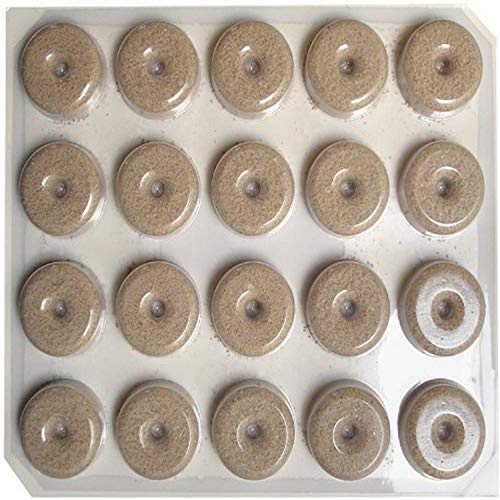
Kills mosquitoes before they're old enough to bite


Charming Vintage Style – The Prime Retreat Galvanized Metal Bird Bath and Stand adds rustic charm and nostalgia to your garden with its classic vintage-inspired galvanized finish.
Check Nearby Spots if Your Bird Bath Still Has Mosquitoes
I’ve done everything right with my bird bath design, yet mosquitoes still swarm the yard. I know I’m not alone in this frustration. When I’ve emptied, scrubbed, and refreshed my bath weekly but mosquitoes persist, I look beyond the obvious. These pests exploit any stagnant water nearby: rain barrels I’ve forgotten to seal, forgotten buckets, or clogged gutters. I walk my yard with fresh eyes, hunting hidden reservoirs where larvae thrive undisturbed.
| Hidden Breeding Spot | My Action Plan |
|---|---|
| Rain barrel with stagnant water | Seal tightly or drain completely |
| Grey-water containers | Empty and store dry between uses |
| Clogged gutters or low spots | Flush with hose weekly |
Eliminating every overlooked water source removes the conditions mosquito larvae need to develop. A sealed rain barrel prevents breeding cycles before they start. Clearing gutters stops standing water from collecting after rainfall. Storing containers dry between uses eliminates temporary pools. These specific actions directly reduce mosquito populations in your yard.

Bundle includes 2 Summit Mosquito Dunks
Secure Potted Plants and Saucers Near Your Bird Bath
Potted plant saucers collect standing water that mosquitoes exploit for breeding, often right beside bird baths. This overlooked detail creates ideal conditions for mosquito development.
To protect your outdoor space:
- Empty potted plant saucers weekly to stop wrigglers from developing
- Fill saucers with sand instead; it keeps plants happy without standing water
- Raise saucers on well-drained surfaces so water can’t pool
- Check saucers after rain, since even small amounts attract mosquitoes
Regularly refill or drain these saucers to disrupt mosquito lifecycles near your bird bath. Managing potted plant saucers carefully prevents mosquito breeding while maintaining a bird-friendly yard.

LATEST 1W SOLAR POWERED FOUNTAIN: The solar birdbath fountain only needs 3 seconds to operate automatically in direct sun, with a spray height of 4–27.5 inches (10-70cm). The most important this will attract a lot of hummingbirds to your garden! Solar-powered fountains only operate when exposed to direct sunlight

[High-Quality Solar Water Fountain] This solar water fountain requires no batteries or electricity, running entirely on solar power. It automatically starts when sunlight hits, and features upgraded materials for higher solar conversion efficiency and enhanced durability.
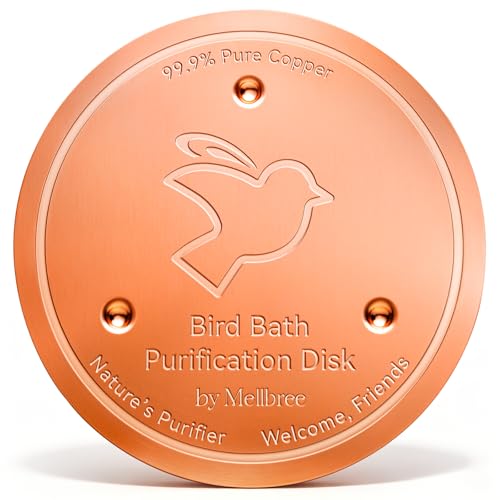
Function and Operation: The primary function of the bird bath cleaner copper disc is to keep the bird bath clean and fresh, thereby reducing the need for frequent scrubbing. It remains effective when spring and summer come. For routine cleaning, simply remove debris such as droppings and fallen leaves, rinse the bird bath thoroughly, and refill it with fresh water.
When to Refresh Bird Bath Water More Than Weekly
Weekly water changes usually keep mosquitoes at bay, but sometimes that’s not enough. During hot, humid stretches, I need to refresh my bird bath more often, sometimes every three to four days. Standing water becomes problematic faster when temperatures soar, accelerating mosquito development before that seven-day mark hits.
I tip out the water completely, scrubbing away any film where eggs might cling. This kills wrigglers outright rather than letting them mature. When I’m diligent about this, I’m protecting both my backyard birds and my neighbors from biting pests.
Our collective vigilance keeps shared outdoor spaces enjoyable. If you notice mosquito activity despite weekly changes, refresh that standing water sooner. Your feathered visitors deserve clean hydration, and your community benefits from reduced mosquito populations.

BIRD FRIENDLY - Completely 100% safe formula for birds, animals, plants and humans. Our enzyme based formula is bioreactive and does not use chemicals or solvents that can harm birds, fountains or baths.

Eliminates sludge, ammonia, & cloudy water

Enzyme-based formula gets to work instantly to prolong the life of your water feature or pump.
Create a Weekly Bird Bath Maintenance Routine
Every Sunday morning, I empty my bird bath completely and give it a thorough scrub before refilling it with fresh water. This simple ritual transforms my garden into a welcoming sanctuary rather than a mosquito breeding ground. Consistency makes a measurable difference in maintaining your outdoor space.
A weekly scrub transforms standing water from mosquito nursery to bird sanctuary—consistency is the garden’s quiet superpower.
Here’s what works:
- Empty and scrub weekly to disrupt larval development before it completes
- Install a drip system or solar circulator to keep water surface moving
- Refill from a rain barrel with frequent fresh changes
- Remove algae and debris that could otherwise support hidden larvae
Fresh, moving water brings birds flocking while keeping mosquitoes away. This approach creates gardens where wildlife thrives and pests don’t stand a chance.

BACKYARD MOSQUITO PROTECTION: Use the mosquito killer outdoors on the ground in a level shaded location near bushes, trees, or other secluded areas of your yard for lasting defense that keeps working and reduces the amount of mosquitoes over time

MOSQUITO LARVAE KILLER - Mosquito Beater is a highly selective microbial larvicide, effective against mosquito larvae in standing water. It kills developing mosquitos upon ingesting before they become breeding, biting adults.

Controls Mosquito Populations: Prevents larvae from maturing so no biting mosquitoes emerge, keeping your backyard, patio, and garden mosquito free
Design Bird Bath Features Birds Love (Mosquitoes Hate)
I set up my bird bath to keep water in motion, and it’s made all the difference. Mosquitoes need still water for about a week to breed, so I’m disrupting their plans with simple design choices that birds adore.
I installed drippers that create gentle ripples across the surface. The sound draws birds in while the constant movement stops larvae from developing. Small fountains or wigglers work beautifully too. Anything that breaks that glassy calm mosquitoes crave will be effective.
I pair this motion with smart maintenance: fresh refills, weekly water changes, and thorough scrubbing. Multiple shallow water sources spread throughout my yard keep birds happy without giving mosquitoes anywhere to settle.
These features transform my bird bath into a lively gathering spot where birds congregate regularly while mosquitoes cannot reproduce.
Attract Mosquito Predators to Guard Your Bird Bath
Often, the simplest way to control mosquitoes isn’t fighting them directly; it’s inviting their enemies to dinner. Building a community of natural predators around my bird bath keeps mosquito populations in check without harsh chemicals.
Here’s how to welcome these allies:
- Hang bat houses nearby. These nocturnal hunters devour thousands of mosquitoes nightly.
- Plant native flowers. They draw predatory insects like dragonflies and damselflies to patrol the area.
- Leave spider webs intact. These eight-legged predators trap adult mosquitoes effectively.
- Create brush piles. They shelter ground beetles and other beneficial hunters.
Skipping pesticides protects the predator partners that control mosquito populations. This approach maintains a balanced backyard ecosystem where birds thrive and biting pests diminish.
Troubleshoot When Mosquitoes Persist Despite Maintenance
Even when I’m diligent about maintenance, mosquitoes sometimes refuse to vacate my bird bath. They’re likely breeding nearby in hidden still water sources I haven’t spotted, such as old containers, clogged gutters, or puddles that sit undisturbed for about a week.
When this happens, I don’t give up on my backyard sanctuary. I add Mosquito Dunks or Bits directly to the water; they kill larvae without harming my feathered visitors. I also install drippers or misters to keep the surface moving, which disrupts mosquito development and reduces hatch rates significantly.
I stay committed to weekly water changes and drain every standing source I find. Finally, I place small, discreet traps nearby to complement my efforts. These combined approaches effectively reduce mosquito populations in outdoor spaces.